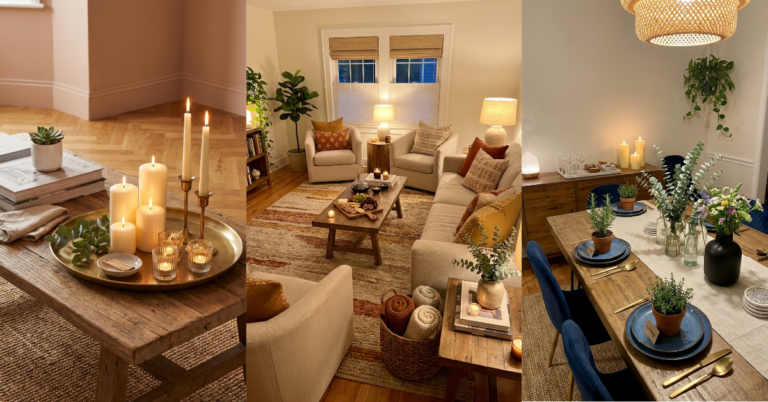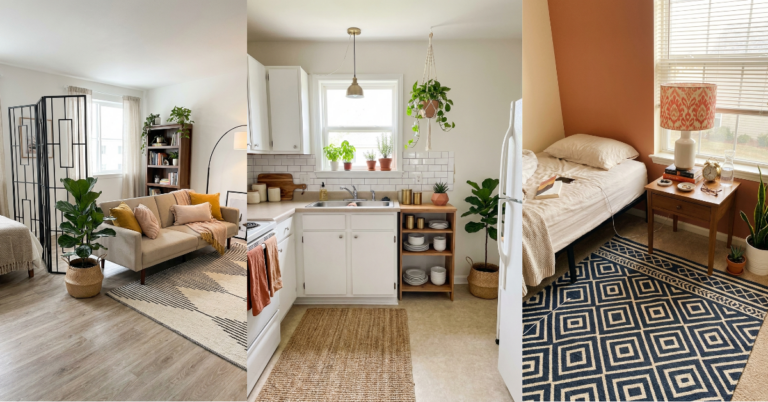
16 First Apartment Essentials That Feel Like Home
There’s something equal parts thrilling and terrifying about staring at your first completely empty apartment. You’ve got your keys, maybe a mattress on the floor, and suddenly you realize you don’t even own a trash can. Where do you even start? The good news is you don’t need to buy everything at once or blow your entire paycheck at Target in one anxiety-fueled shopping spree. Your first apartment is all about figuring out what you actually need versus what Pinterest tells you to want. And honestly? It’s way more fun to build your space slowly, finding pieces you genuinely love instead of filling rooms just to fill them. From the absolute must-haves that’ll keep you functional to the small decor touches that make a rental feel like it’s really yours, we’re breaking down exactly what deserves a spot on your first apartment checklist. Let’s get into it.
1. The Bed Situation That Actually Works
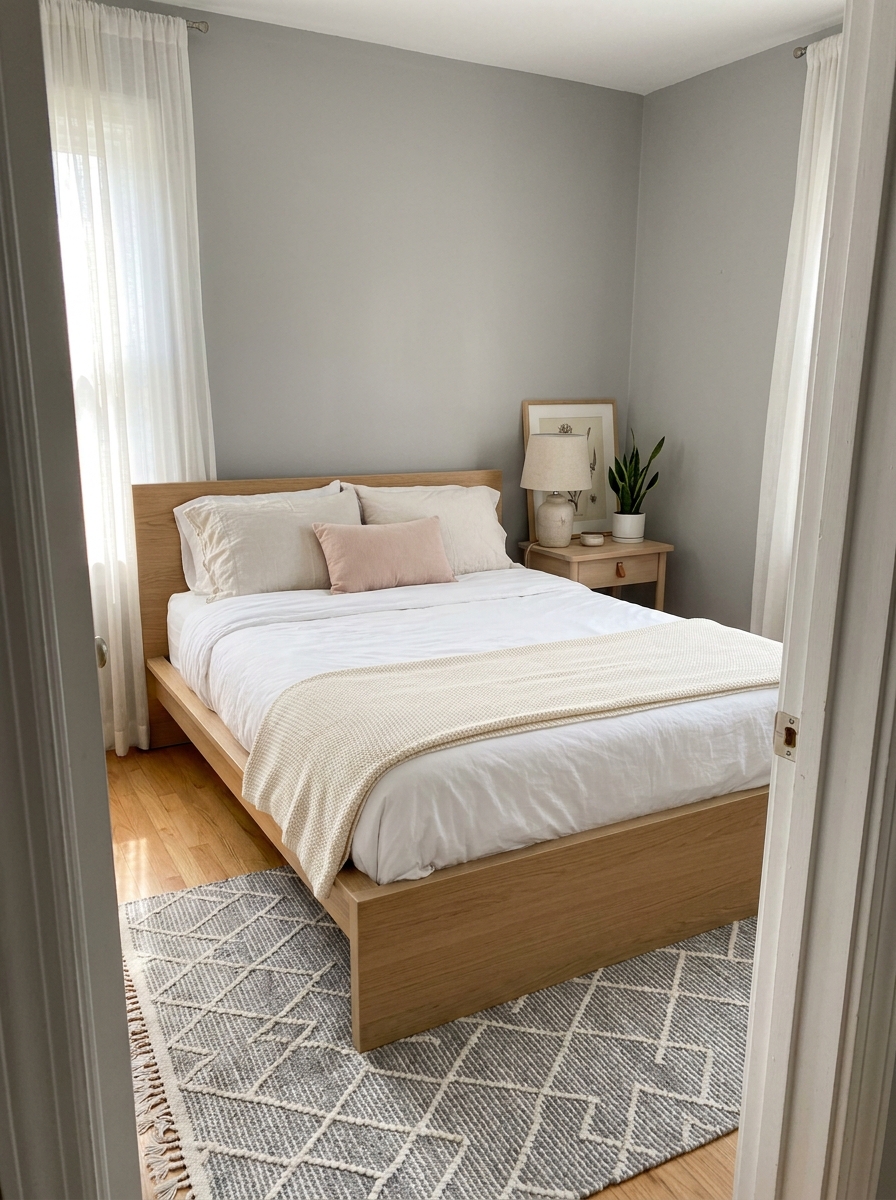
Your mattress might be the single most important purchase you make. Seriously. You can live without a fancy couch for a while, but sleeping on the floor gets old fast. If a traditional bed frame feels like too much commitment or money right now, a simple platform frame or even a metal frame from Amazon works perfectly. The key is getting your mattress off the floor so it can breathe and you feel like an actual adult.
Bedding matters more than you think. You don’t need a million throw pillows, but investing in sheets you love makes such a difference. Go for something soft in a neutral color you won’t get sick of, and grab a duvet cover that’s machine washable because life happens. A couple of regular pillows plus one decorative pillow or lumbar cushion instantly makes your bed look intentional instead of like you just moved in yesterday. And blackout curtains? Game changer for Sunday morning sleep-ins.
2. Kitchen Essentials Without the Clutter
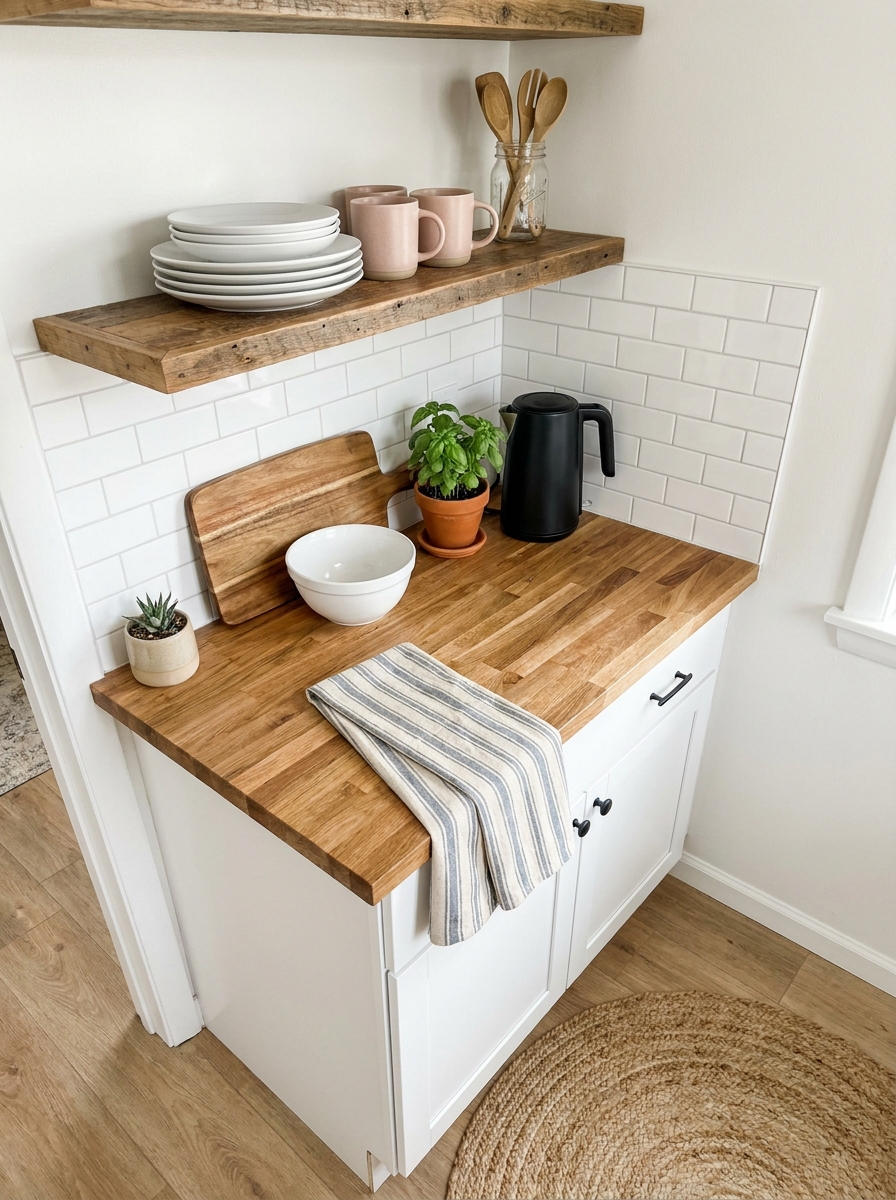
You don’t need every gadget Williams Sonoma sells. Start with the basics: one good chef’s knife, a cutting board, a couple of pots and pans, mixing bowls, measuring cups, and utensils that actually work. If you’re not a huge cook, don’t feel pressured to buy a stand mixer or fancy appliances that’ll just collect dust on your two feet of counter space. A small coffee maker or electric kettle, though? Those earn their keep.
For dishes, four to six place settings is plenty when you’re starting out. You can always add more later if you become the friend who hosts dinner parties. Match your plates and bowls to keep things cohesive, and don’t underestimate how much prettier your tiny kitchen looks when things coordinate. Open shelving or a small wire rack can hold everyday items and double as decor. Toss in a couple of dish towels in a pattern you love, maybe a small herb plant on the windowsill, and suddenly your kitchen feels less like a generic rental.
3. Seating That Doesn’t Scream ‘I Have No Furniture’
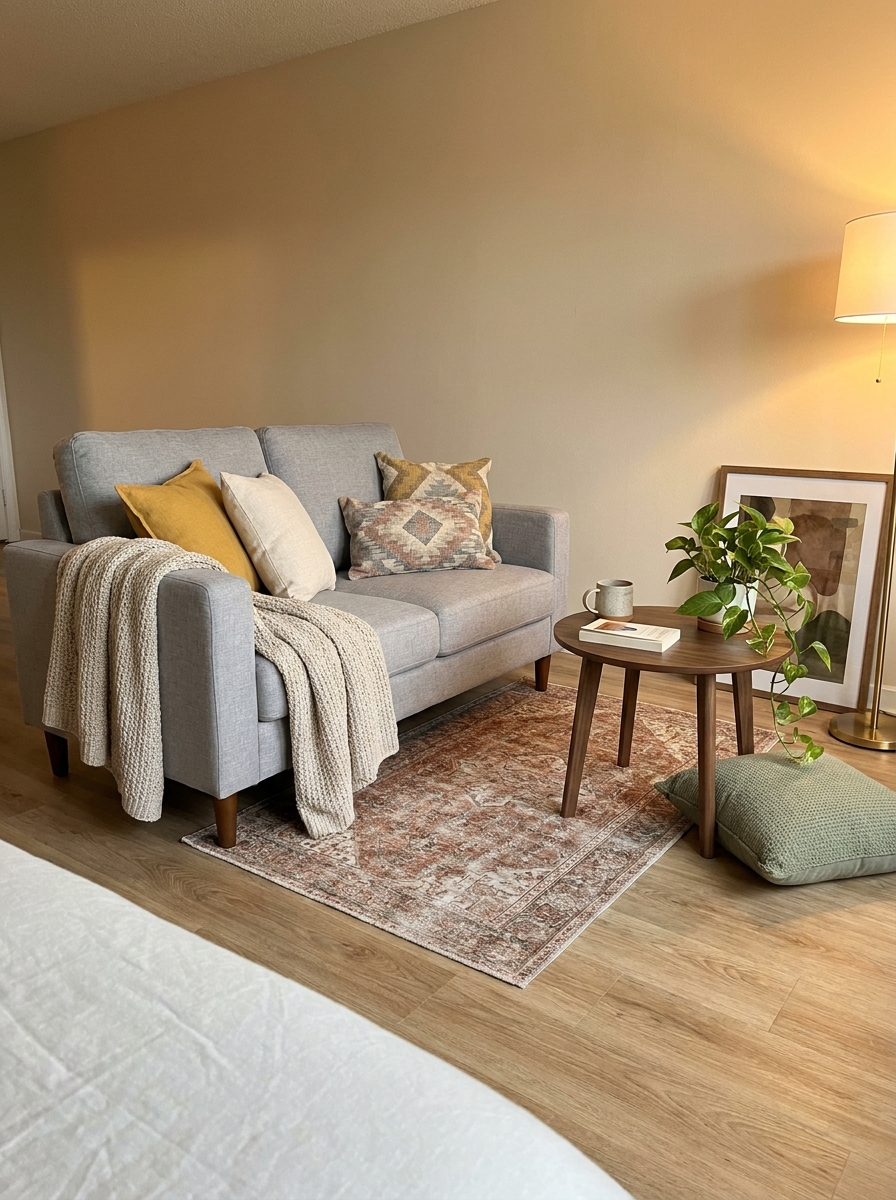
A couch is ideal, but let’s be real—good ones are expensive. If you’re not ready to commit or the budget’s tight, floor cushions, poufs, or even a papasan chair can create a cozy hangout spot that feels intentional. The goal is having somewhere comfortable to sit that isn’t your bed. Even a small loveseat or secondhand couch from Facebook Marketplace can transform your living area from empty box to actual living space.
Throw pillows and a soft blanket make whatever seating you choose feel about ten times more inviting. Pick a couple of pillows in colors or patterns that make you happy—they’re an easy way to add personality without commitment since you can swap them out anytime. And if you’ve got a hand-me-down couch that’s seen better days? A slipcover works wonders. You want your seating area to be the spot where you actually want to relax after work, not just the place where you sit because you have to. Add a small side table for your coffee mug and you’re basically living the dream.
4. Storage Solutions That Actually Look Good
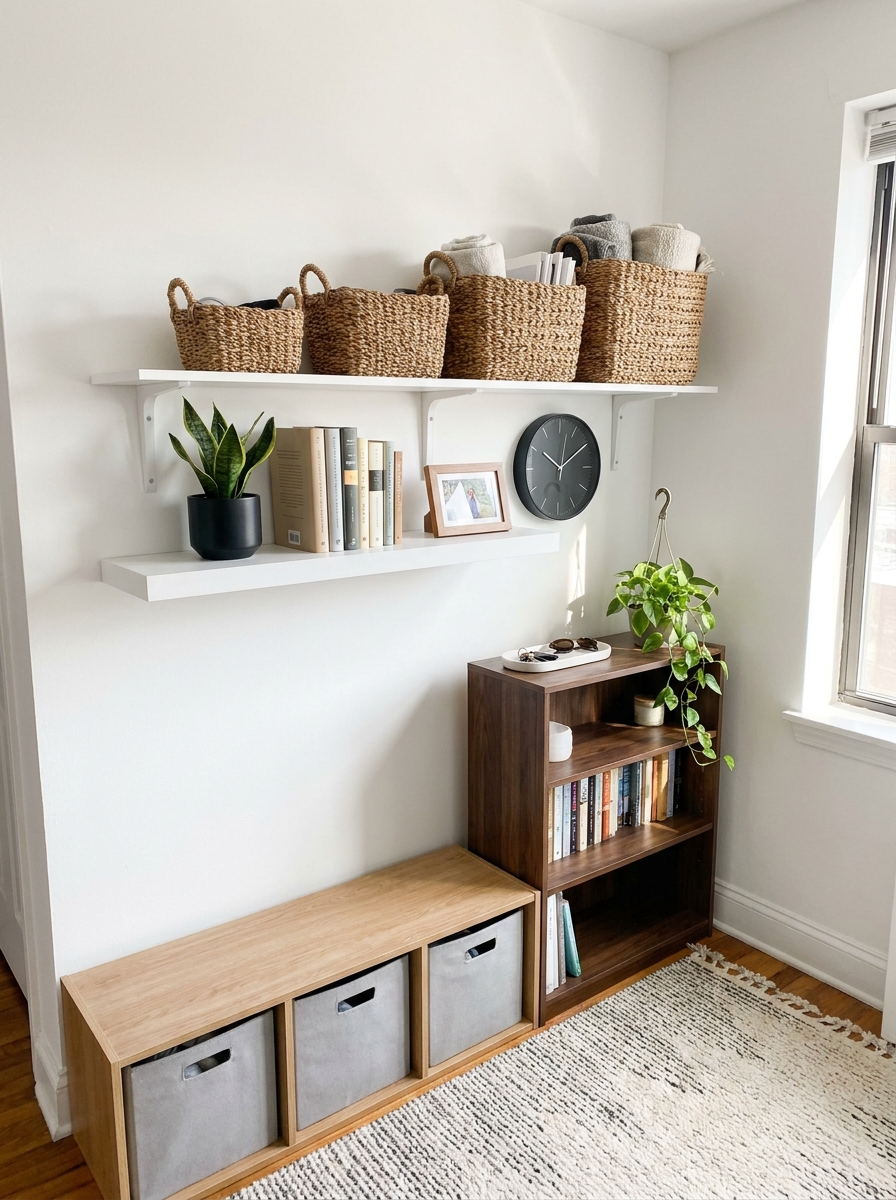
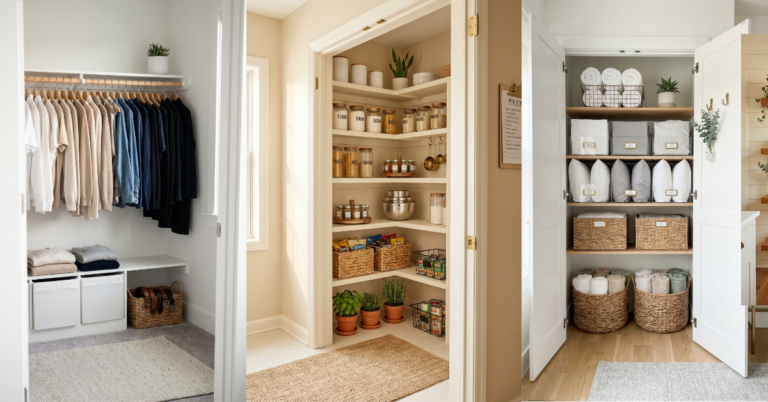
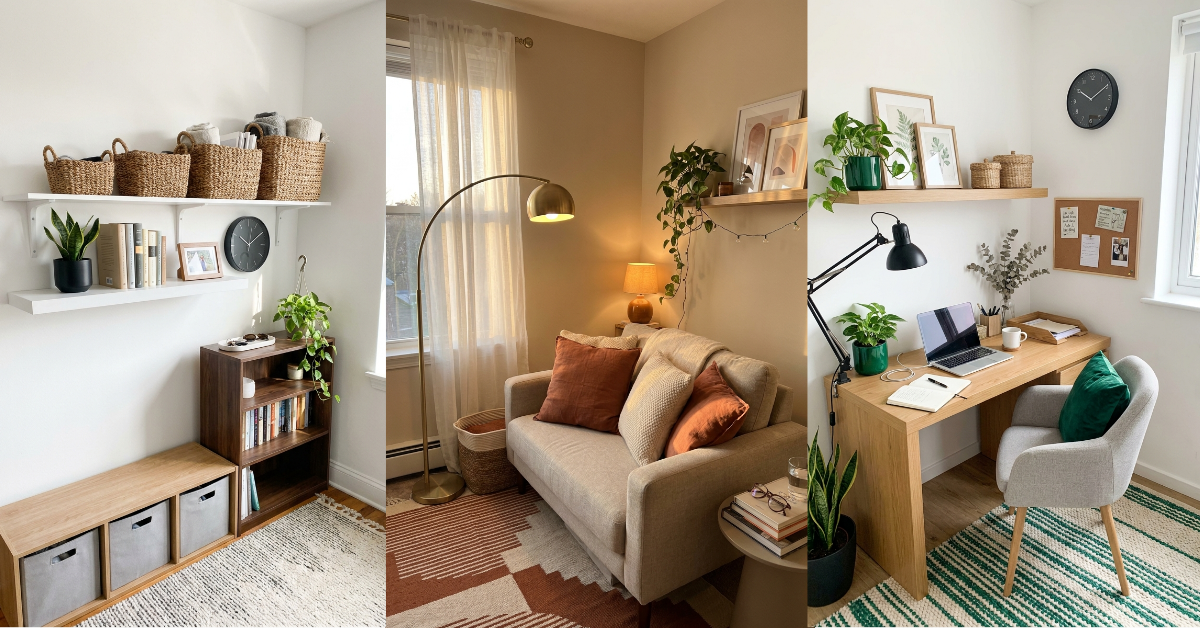
First apartments never have enough closet space. Ever. You’ll need to get creative with storage, but the good news is there are tons of options that don’t look like dorm room plastic bins. Floating shelves are your best friend—they hold books, plants, and decor without taking up floor space. A storage ottoman doubles as seating and a place to stash throw blankets. Under-bed storage boxes keep seasonal clothes or extra linens out of sight but accessible.
Baskets are the secret weapon of small space living. They corral clutter, look cute on shelves, and come in every style from modern wire to cozy woven. Use them for everything—mail, remote controls, toiletries, snacks, whatever’s creating visual chaos in your space. A small bookshelf can organize way more than just books. Style it with a mix of practical storage and pretty things you love. The trick is making your storage feel like part of your decor instead of something you’re trying to hide. When everything has a home, your whole apartment feels calmer and more put-together.
5. Lighting That Makes Everything Look Better
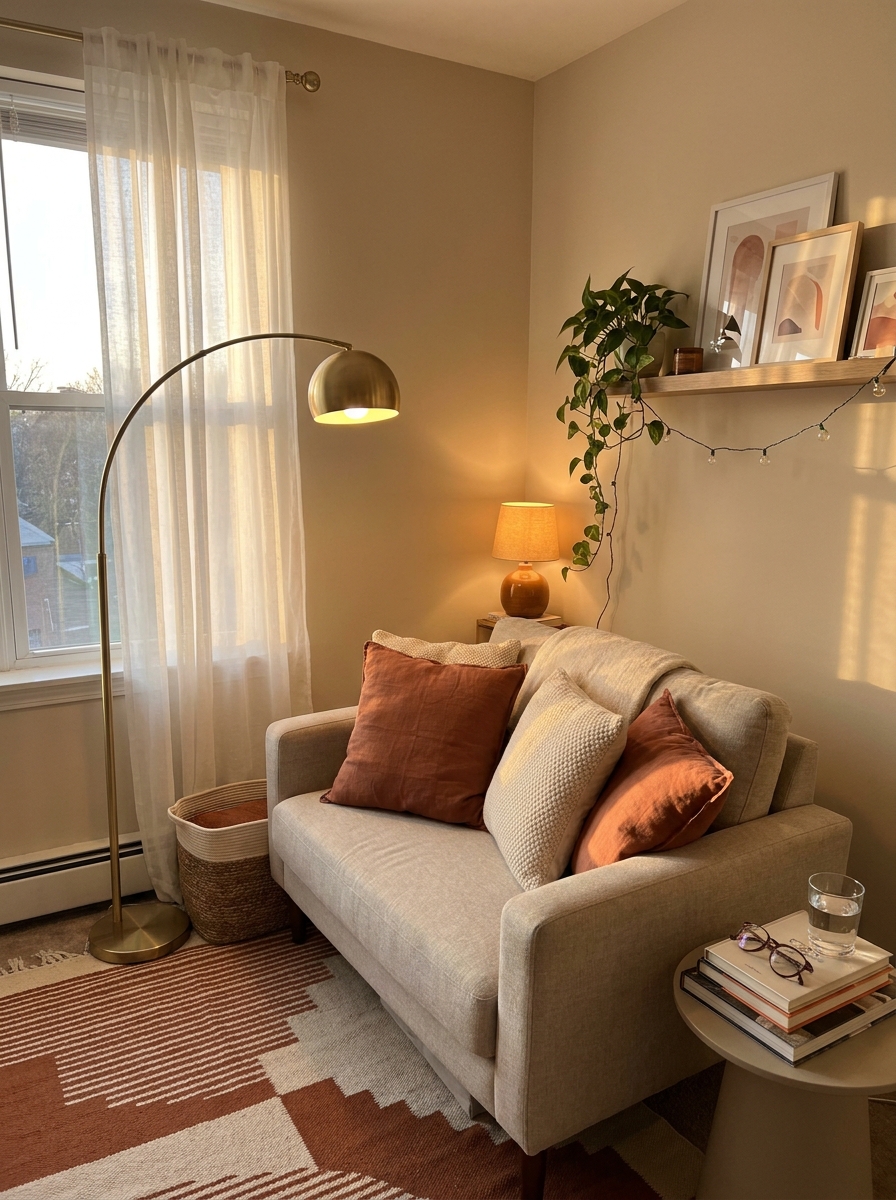
Overhead lighting is the enemy of cozy apartments, I swear. That harsh ceiling fixture makes everything look like a dentist’s office. The magic formula? Layer your lighting like you’re creating little pools of warmth throughout your space.
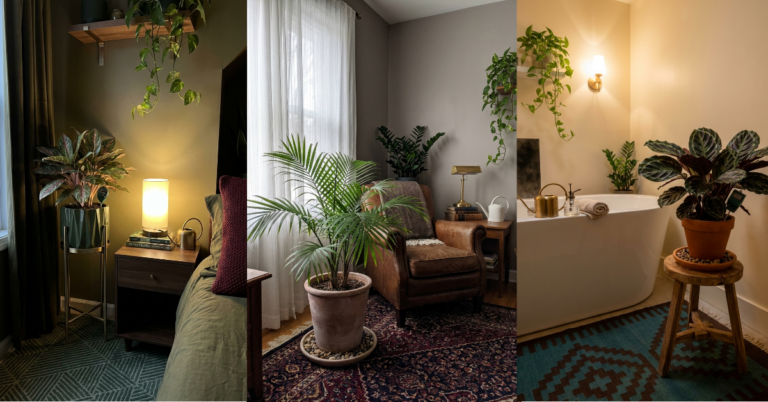
Start with a floor lamp next to your sofa or bed—it instantly makes a corner feel intentional. Add a table lamp on your nightstand or desk. Then maybe some string lights or a small accent lamp somewhere unexpected. The goal is to never use that overhead light again, except maybe when you’re cleaning.
I switched to all warm-bulb lighting in my first apartment and it was like putting an Instagram filter on real life. Everything looked softer, cozier, more pulled-together. Even my hand-me-down furniture looked better. And dimmers? Total game-changer if your landlord lets you install them. Being able to adjust the vibe from ‘awake and functional’ to ‘Netflix and actually chill’ is worth every penny.
6. The Bathroom Situation Nobody Warns You About
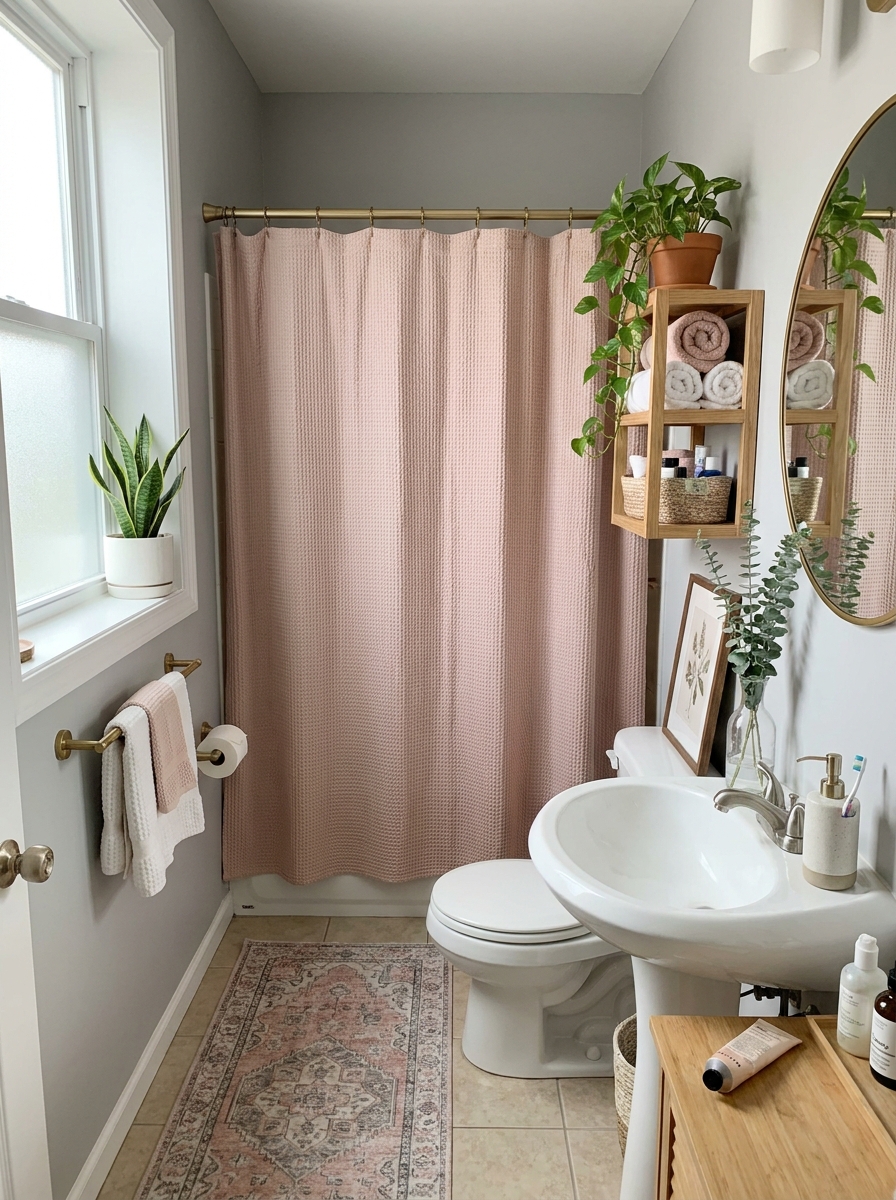
Rental bathrooms are…a journey. Usually tiny, often outdated, sometimes borderline tragic. But here’s the thing—you can make even the saddest bathroom feel like your own without losing your deposit.
Start with a really good shower curtain. Not the flimsy plastic one, but something with actual style and weight to it. It’s the biggest visual element in most rental bathrooms, so it matters more than you’d think. Add a bath mat that feels nice under your feet, some matching hand towels, and suddenly you’ve got a vibe going.
Storage is tricky because counter space barely exists. I’m obsessed with over-the-toilet shelving units and those adhesive corner shelves for the shower. They hold so much without requiring any holes in the wall. Throw your everyday stuff in matching containers—even dollar store baskets look cohesive when they match. And plants! Even a tiny pothos on the windowsill or a faux eucalyptus stem in a simple vase makes it feel less institutional.
7. Creating an Entryway When You Don’t Have One
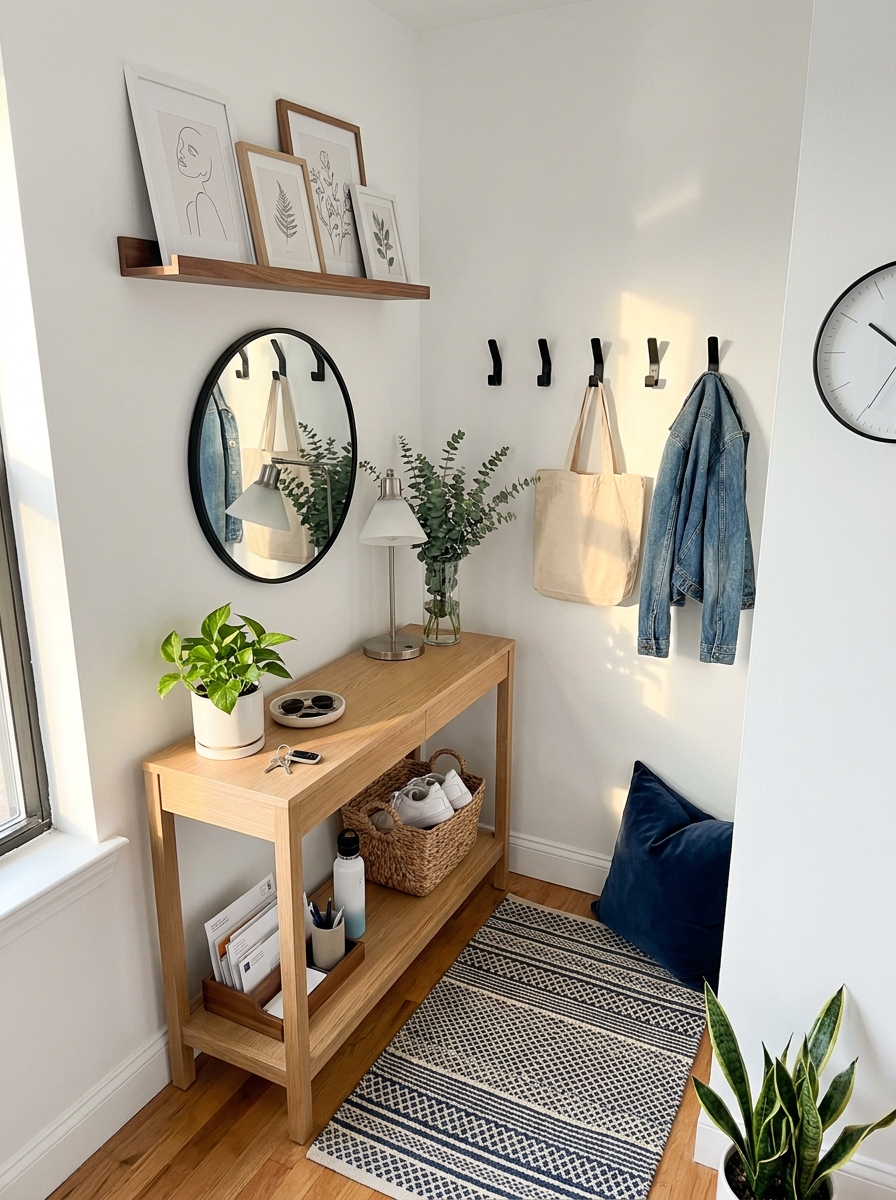
Most first apartments don’t come with an actual entryway. You literally walk straight into your living space and suddenly your shoes are everywhere and you’re dropping your keys on the kitchen counter. Super glamorous.
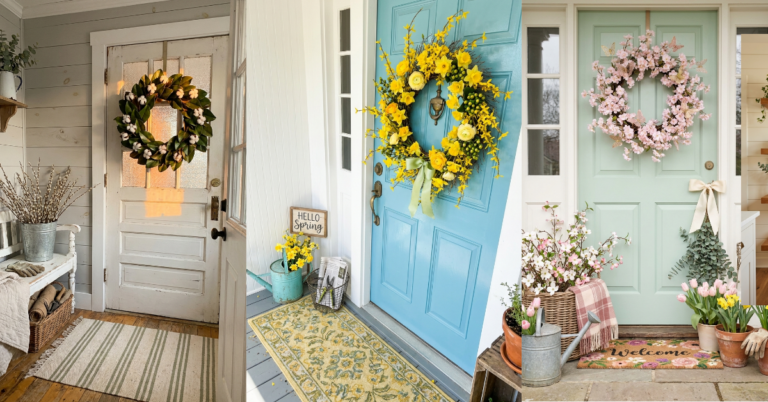
The trick is creating a landing zone near your door, even if it’s just a small corner. A narrow console table or even a floating shelf works. Add a small catchall dish or tray for keys and sunglasses. Hook a few command hooks on the wall for bags and jackets. Boom—you’ve got a fake entryway that actually functions.
I put a small basket or bin underneath for shoes, and it keeps them from migrating all over the apartment. A mirror above your landing zone is genius too—last-minute check before you leave, plus it makes the space feel bigger. Keep it simple and contained. You don’t need a whole mudroom situation, just a designated ‘this is where my life gets organized’ spot that stops the chaos before it spreads.
8. Making Your Workspace Not Depressing
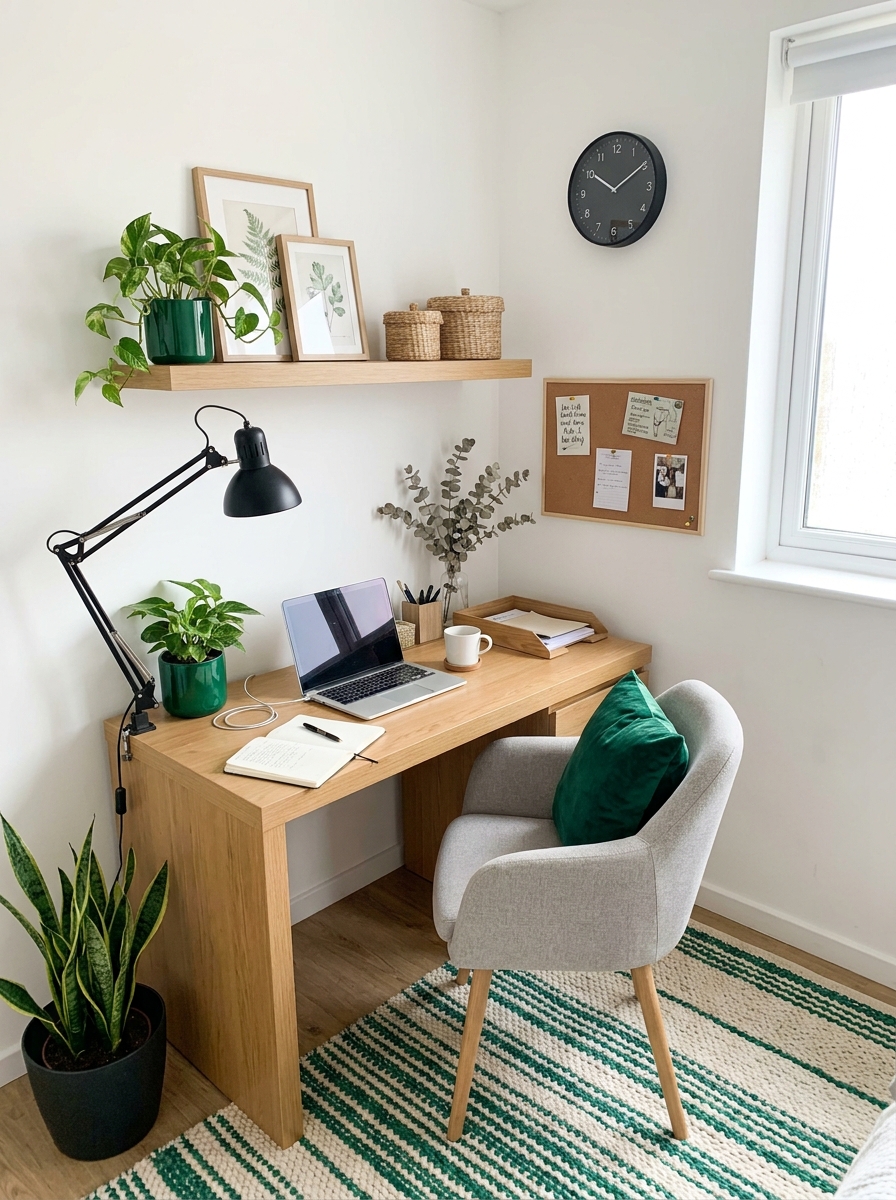
Working from your bed seemed like a vibe until your back started hurting and your brain couldn’t separate work from sleep anymore. Even in a tiny apartment, you need a dedicated work spot—even if it’s just a corner.
A small desk against a wall or even a kitchen counter height table can work. The important part is making it feel separate from your chill zones. I like facing a wall instead of sitting with my back to the room—it helps me focus and gives me a place to put up a small corkboard or some inspiration.
Keep your supplies contained in desk organizers or small baskets so it doesn’t turn into a chaotic paper explosion. Add a task lamp that actually lights your work, not just creates ambiance. A plant or two makes it feel less corporate-cubicle and more creative-human-space. And here’s my controversial take: keep it kind of minimal. Your workspace should feel calm and clear, not cluttered with every cute desk accessory Target sells. Save the personality for areas where you actually relax.
9. The Floor Situation Everyone Forgets About
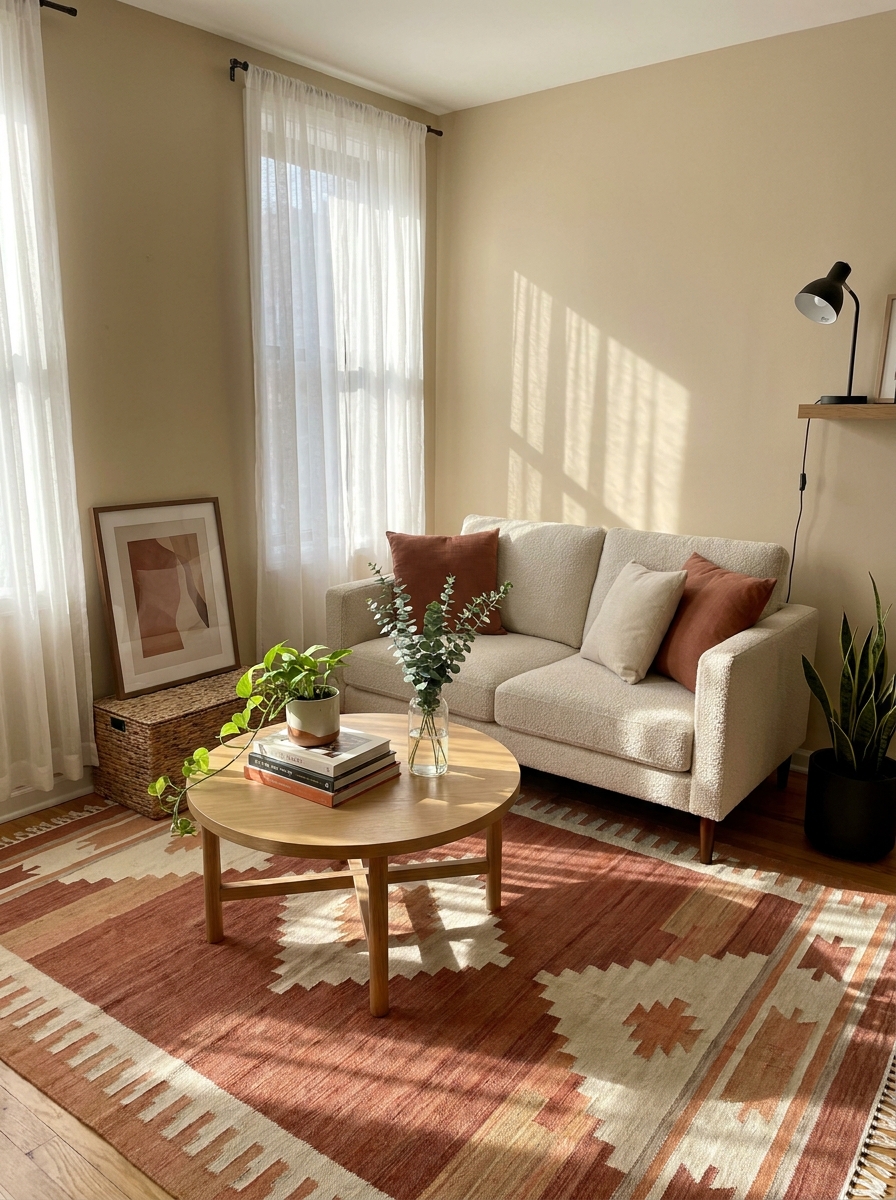
Here’s what nobody tells you: bare floors make your apartment feel empty and echo-y, even when you have furniture. I lived with just a tiny bathroom mat for three months and wondered why my place felt so… incomplete.
A good area rug changes everything. It defines your space, makes it feel warmer, and honestly just makes the whole room look more pulled-together. In a studio, a rug can actually separate your sleeping area from your living area without building walls. Magic!
You don’t need to spend a fortune either. I’ve found amazing rugs at HomeGoods, Target, and even Amazon. Just make sure it’s big enough—your front furniture legs should sit on it. A too-small rug makes everything look awkward. And if you’re renting with gross carpet? Layer a pretty rug right on top. It covers stains and adds your personality without losing your deposit.
10. Wall Decor Without a Million Nail Holes
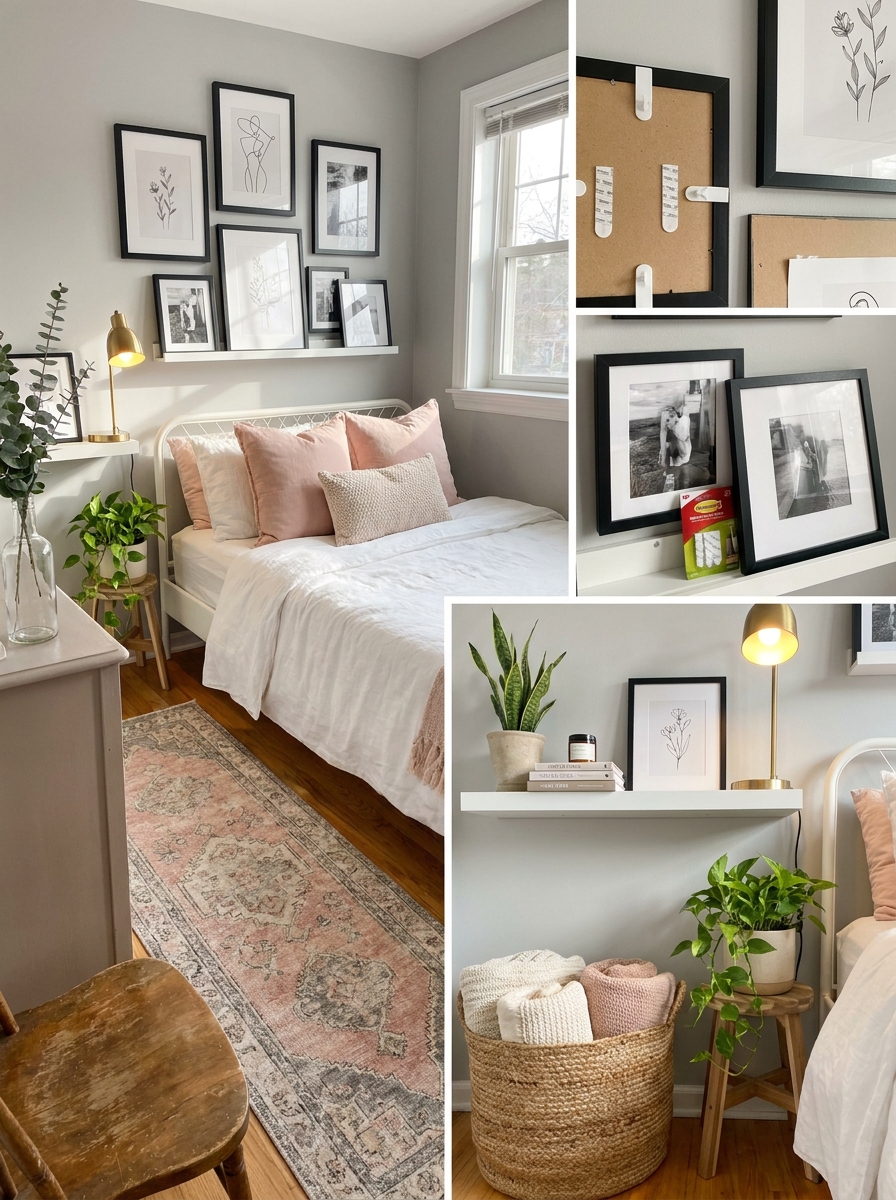
Blank walls make your apartment feel like a hotel room. But if you’re renting, you’re probably terrified of losing your deposit over nail holes. I get it—I once got charged $50 for three tiny holes. Never again!
The good news? There are so many ways to decorate walls without going full Swiss cheese. Command strips are your best friend for lightweight frames. Leaning art on shelves or the floor gives you that cool, casual vibe without any holes. And removable wallpaper or peel-and-stick tiles can create an accent wall that peels right off when you move.
Start with one statement wall—usually the one behind your bed or couch. A gallery wall of 4-6 frames looks way more intentional than random scattered pictures. Mix frame sizes but keep the colors cohesive. And please, hang things at eye level! I see so many apartments with art floating up near the ceiling like it’s trying to escape.
11. The ‘Make It Smell Good’ Strategy
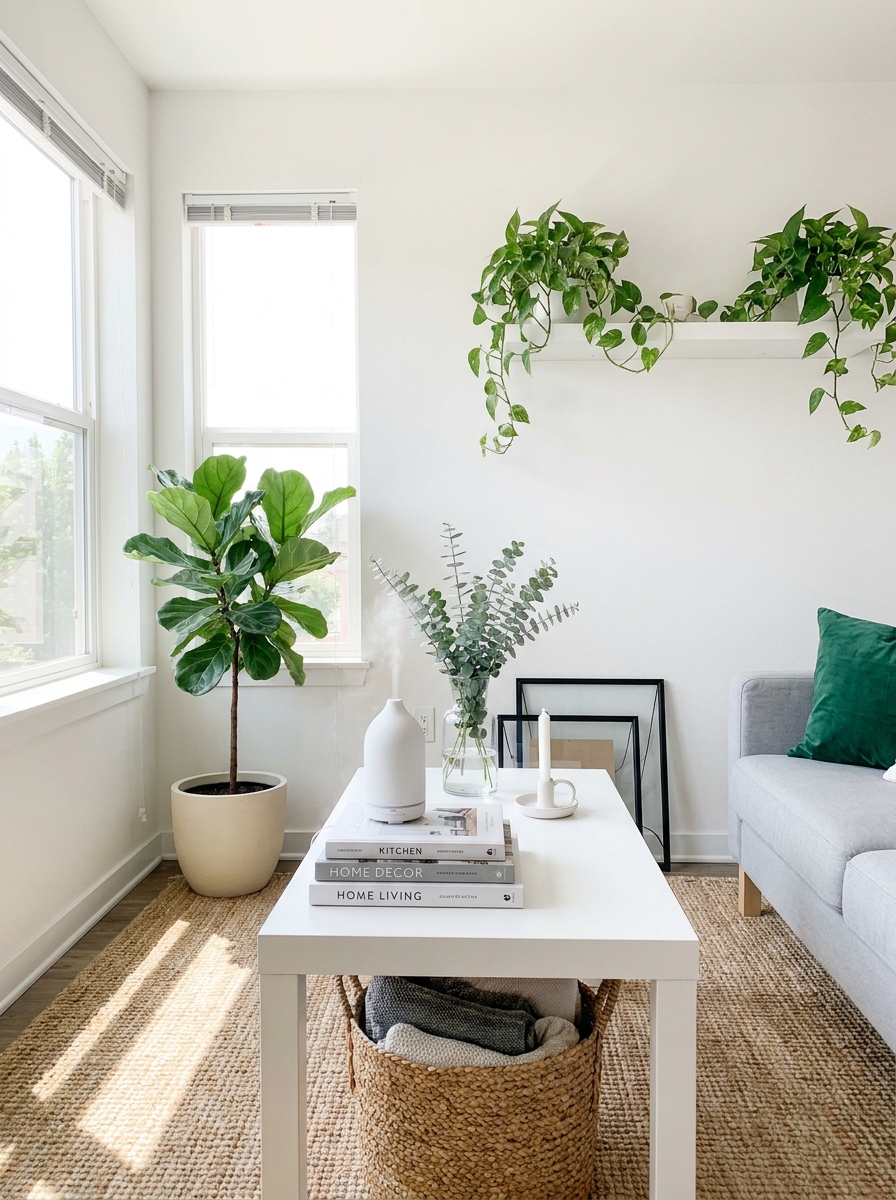
This sounds silly, but smell is SO underrated when it comes to making your apartment feel like home. A good-smelling space feels cleaner, cozier, and more welcoming—even if you haven’t vacuumed in a week (no judgment).
Candles are the obvious choice, and yes, they’re great. But don’t sleep on other options! A small diffuser with essential oils lasts forever and doesn’t require you to remember to blow anything out. Fresh eucalyptus in a vase smells amazing for weeks. Even opening your windows regularly makes a huge difference—stale air makes everything feel dingy.
I keep different scents for different vibes. Citrus for when I’m cleaning and want fresh energy. Lavender for winding down at night. Something cozy like vanilla or wood for movie nights. It’s a tiny detail that makes your space feel intentionally curated instead of just… a place where you sleep.
12. Small Touches That Make It Actually Yours
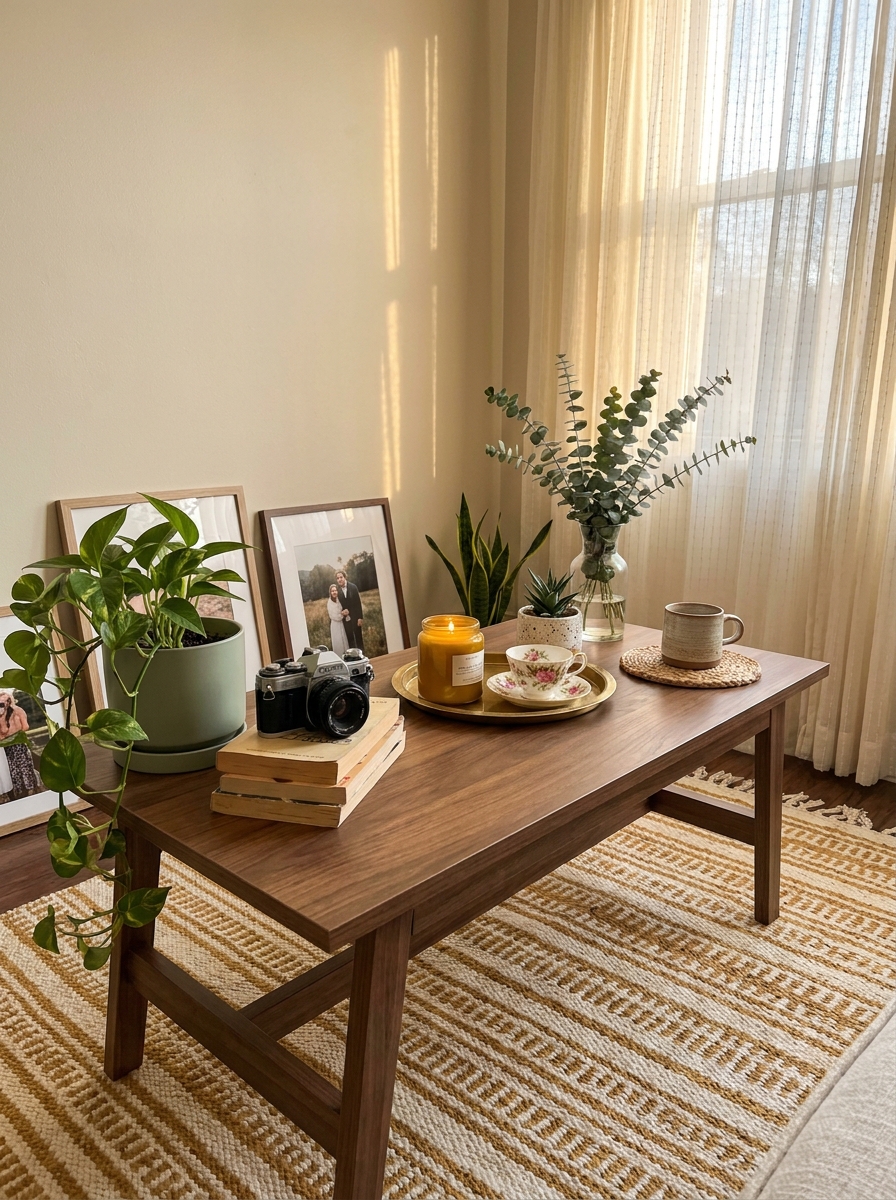
You know what makes the difference between ‘I just moved in’ and ‘I live here’? The little personal things. Not expensive stuff—just things that reflect who you actually are.
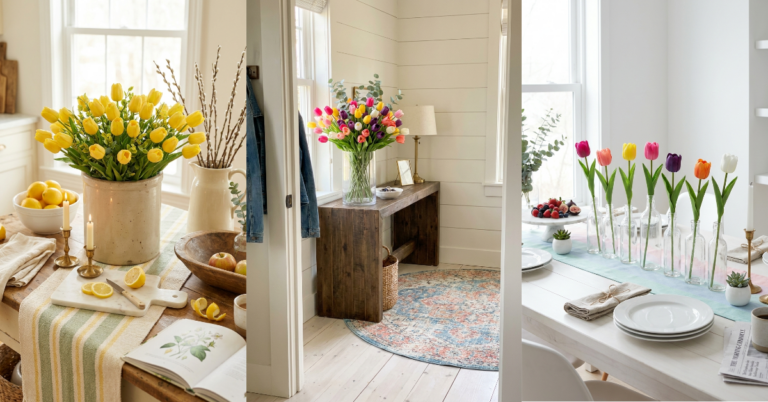
Display books you’ve actually read. Put up photos of people you love (not generic prints from HomeGoods, though those are fine too). Show off a collection of something—vintage cameras, concert tickets, cool mugs, whatever. These tiny personal touches tell your story and make guests feel like they’re in a real home, not a staged room.
I have a small tray on my coffee table with my favorite tea, a pretty lighter for candles, and a postcard from my best friend’s wedding. It costs nothing but makes me smile every single day. That’s what your first apartment should do—feel like YOU, not like a Pinterest board you’re trying to copy. Mix the Instagram-worthy stuff with the things that make you genuinely happy.
13. The Cleaning Supply Hiding Spot
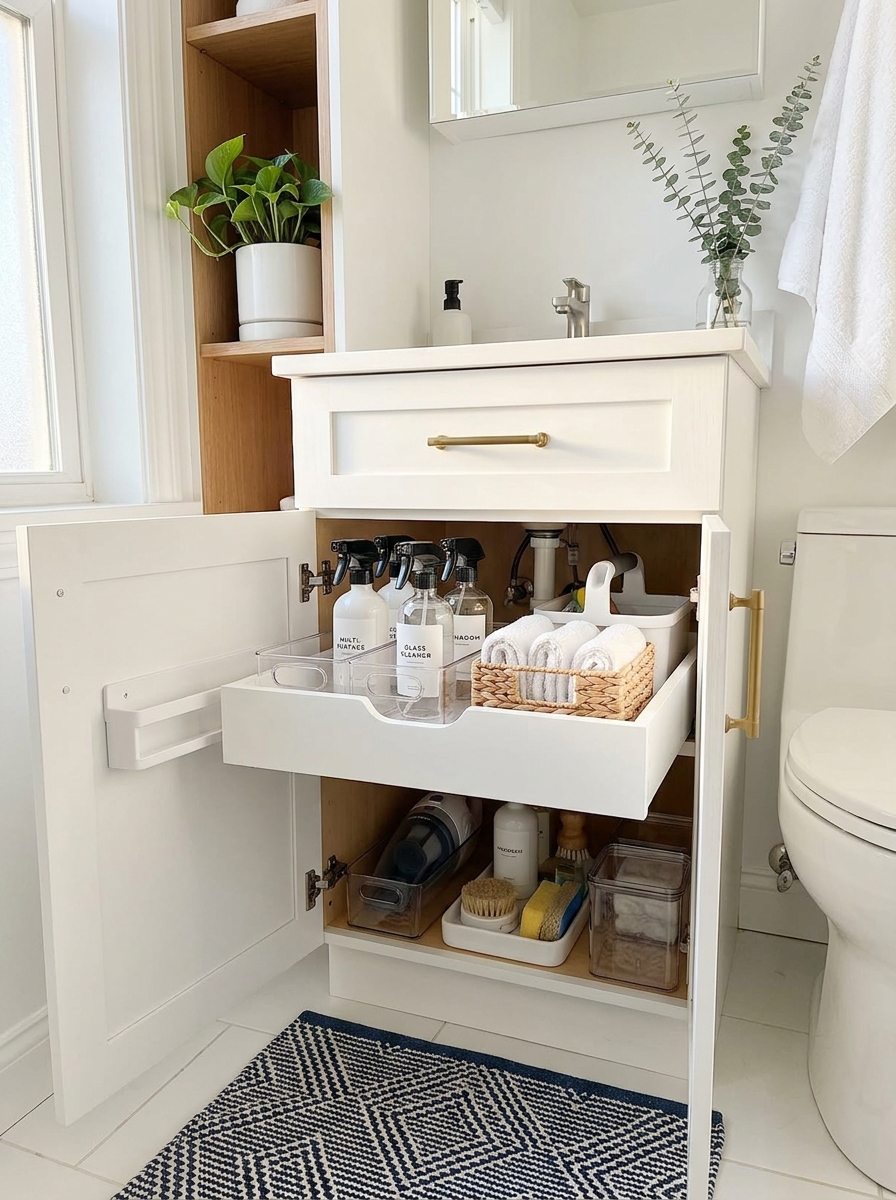
Nobody tells you that cleaning supplies take up SO much space. And leaving them under the sink in a jumbled mess? That’s a fast track to never actually cleaning because you can’t find anything.
I learned this the hard way when I realized I’d bought three bottles of the same cleaner because I kept forgetting what I had. Get a caddy or basket that corrals everything in one place. Keep it accessible but not ugly and sitting out on your counter.
Here’s what actually matters: all-purpose cleaner, bathroom cleaner, glass cleaner, a good vacuum or stick vac, microfiber cloths, and a mop situation that doesn’t require a bucket. That’s it. You don’t need seventeen specialty products. Store everything in one cabinet or closet spot, and keep a smaller caddy with daily essentials that you can grab quickly. The easier it is to access, the more likely you are to actually use it. And a clean apartment honestly makes everything feel more expensive and put-together than any decor trick.
14. Window Treatments That Don’t Look Cheap
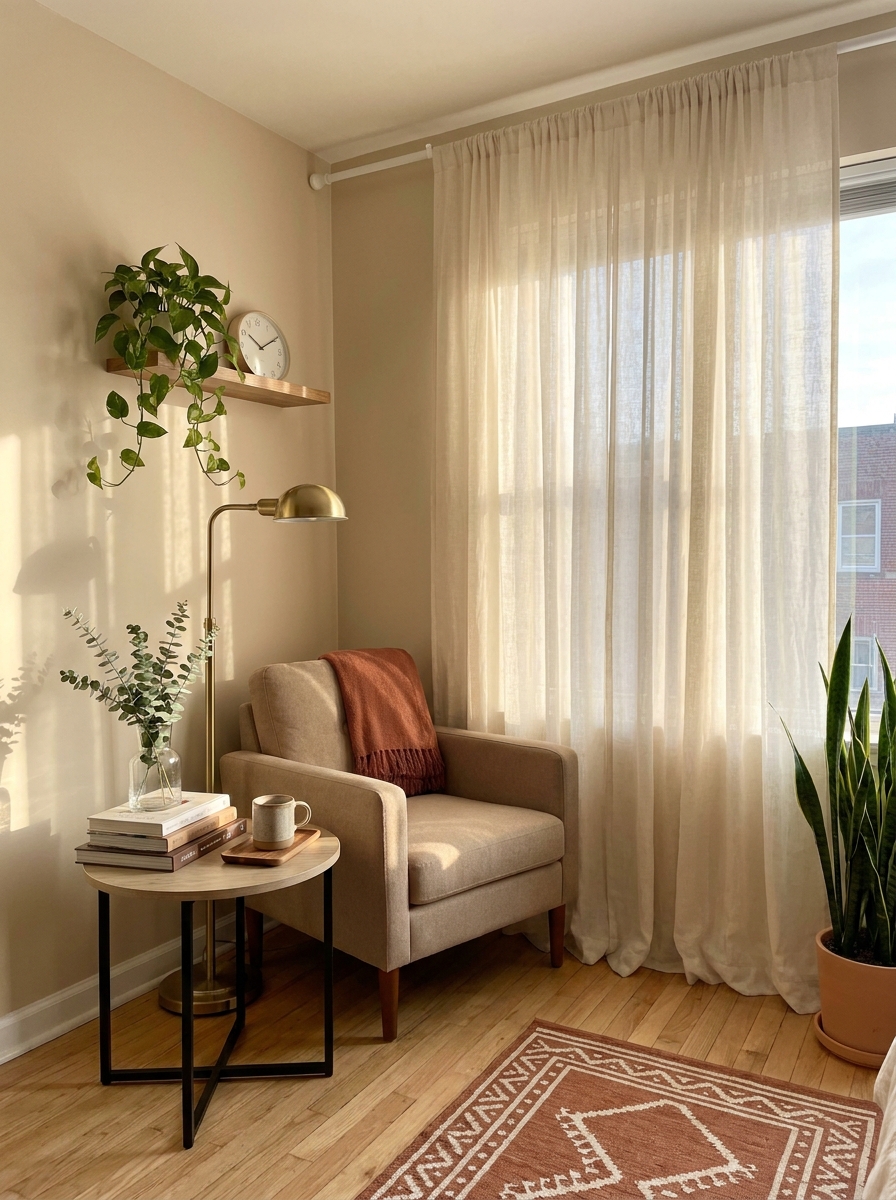
Bare windows make your place look unfinished. But those flimsy plastic blinds that come with most apartments? They’re doing you zero favors in the style department.
You don’t need custom curtains or expensive roller shades. Tension rods and simple curtain panels are your best friends here. They install without damaging walls, and you can take them with you when you move. Go for light-filtering curtains if you want privacy but still need natural light, or blackout if you’re a serious sleeper.
The trick is hanging them higher and wider than the actual window. Mount your rod close to the ceiling and extend it past the window frame on both sides. This makes your windows look bigger and your ceilings look taller. Choose neutral colors that work with everything, or go bold with one statement window if you’re feeling it. Just make sure they’re long enough to barely kiss the floor. Nothing says ‘I gave up’ like curtains that hover awkwardly mid-wall.
15. The Coffee and Tea Station That Saves You Money
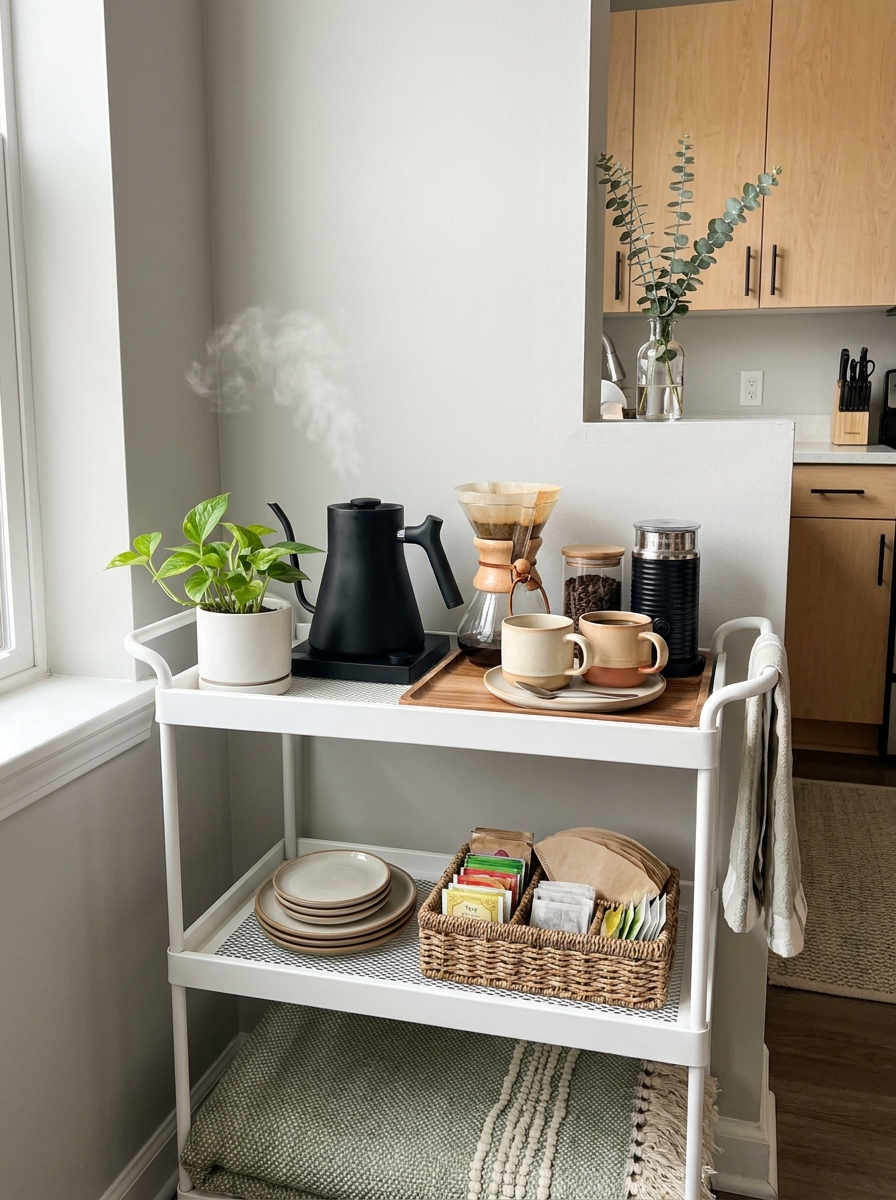
If you’re spending seven dollars on coffee every morning, you’re basically throwing away rent money. But making coffee at home only works if your setup doesn’t feel like a sad afterthought on a cluttered counter.
Create an actual coffee station. It doesn’t need to be fancy, just organized and functional. A small tray or corner of your counter with your coffee maker, mugs, and supplies within reach. Keep it stocked and pretty, and you’ll actually want to use it instead of running out the door.
I started with a basic pour-over setup and nice mugs that made me feel like I wasn’t compromising. Added a small electric kettle, a cute canister for coffee, and suddenly my morning routine felt intentional instead of chaotic. If you’re tight on counter space, use a rolling cart or a dedicated shelf. The point is making it easy and appealing enough that you’ll choose it over the expensive coffee shop. Your bank account will thank you, and honestly, there’s something really grown-up about making good coffee in your own place.
16. The Power of One Good Mirror
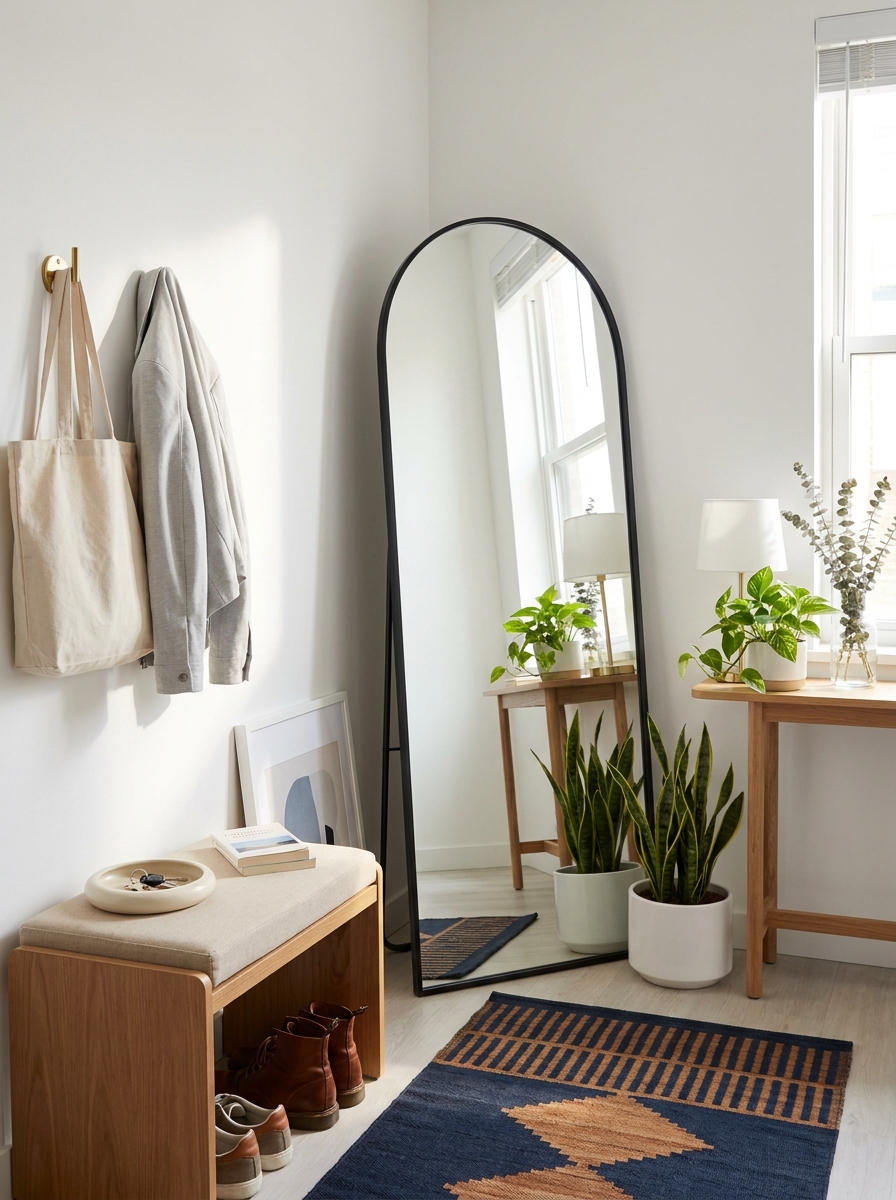
This is going to sound dramatic, but one well-placed mirror can completely change how your apartment feels. It makes small spaces look bigger, bounces light around, and gives you somewhere to check yourself before you leave. It’s basically magic.
You don’t need a giant expensive one. Even a medium-sized mirror with a frame you actually like makes a difference. Hang it across from a window if you can, or in a dark hallway that needs help. Lean a floor mirror against a wall if you can’t commit to hanging it. The reflected light alone makes everything feel more open and less cave-like.
I put a full-length mirror near my entryway, and suddenly that awkward corner became functional and the whole area felt twice as big. Plus, there’s something about having a proper mirror that makes you feel more put-together. It’s one of those small investments that pays off every single day. Skip the plastic stick-on tiles and get one real mirror that makes you happy when you look at it.
Quick Guide
First Apartment Budget Breakdown
Wondering where your money should actually go? Here’s a realistic starter guide:
| Category | Budget Range | Priority Level |
|———-|————–|—————-|
| Mattress & Bedding | $400-800 | High – you need sleep |
| Seating (couch/chairs) | $200-600 | High – functionality matters |
| Kitchen Basics | $150-300 | Medium – start small, add later |
| Storage Solutions | $100-250 | Medium – prevents clutter chaos |
| Lighting | $80-200 | Medium – renters need lamps |
| Decor & Personal Touches | $100-300 | Low – build slowly over time |
You don’t need everything on day one. Focus on the essentials first, then gradually add personality pieces as you figure out your space and style. Thrift stores, Facebook Marketplace, and end-of-season sales are your best friends here.
Your Space, Your Timeline, Your Style
Here’s the thing about first apartments—they’re never going to look like those perfect Pinterest boards where everything matches and there’s not a cord in sight. And honestly? That’s what makes them special. Your first place is about figuring out what you actually need, what makes you feel at home, and what’s just noise. Some rooms might stay half-finished for months, and that’s completely okay. You’ll probably rearrange your furniture seventeen times before it feels right.
The magic happens in those small moments when you light your favorite candle, sink into your couch after a long day, or wake up in a space that finally feels like yours. Take your time building your home. Buy things you genuinely love instead of rushing to fill every corner. Your first apartment is the beginning of creating spaces that reflect who you are, not who you think you should be. So start with the essentials, add the pretty stuff as you go, and enjoy every imperfect, exciting step of making this place yours.
Frequently Asked Questions
What do I actually need for my first apartment?
Focus on the real essentials first: a bed with bedding, basic kitchen supplies (one good knife, a couple pots and pans, dishes for 4-6 people), seating, storage solutions, lighting, and cleaning supplies. Everything else can wait. You’ll figure out what you need as you live there, and it’s actually better to buy things gradually instead of guessing what you might want.
How much should I budget for furnishing a first apartment?
A realistic starter budget ranges from $1,500 to $3,000 depending on what you already own and whether you’re buying new or secondhand. Prioritize spending more on your mattress and seating since you’ll use them daily. You can save on decor, dishes, and storage by shopping sales, thrift stores, or asking family for hand-me-downs.
How do I make a small first apartment feel bigger?
Use furniture that serves multiple purposes like storage ottomans or a coffee table with shelves underneath. Keep things off the floor with floating shelves and wall-mounted storage. Stick to lighter colors and avoid overcrowding rooms with too much furniture. Mirrors also help reflect light and create the illusion of more space.
What are the best places to buy affordable first apartment furniture?
IKEA, Target, and Wayfair are solid for budget-friendly new furniture. Facebook Marketplace, Craigslist, and local thrift stores are goldmines for secondhand pieces. Don’t sleep on estate sales or asking family if they’re getting rid of anything. Mix and match new and used to stretch your budget while still getting quality pieces.
How can I decorate my first apartment without damaging walls?
Command strips and hooks are your best friends for hanging art, mirrors, and lightweight shelves without nails. Use removable wallpaper or peel-and-stick tiles for temporary style changes. Lean large artwork against walls instead of hanging it, and focus on furniture and decor that makes an impact without permanent installation. Always check your lease for specific rules first.