24 Gorgeous Low-Light Plants That Actually Survive
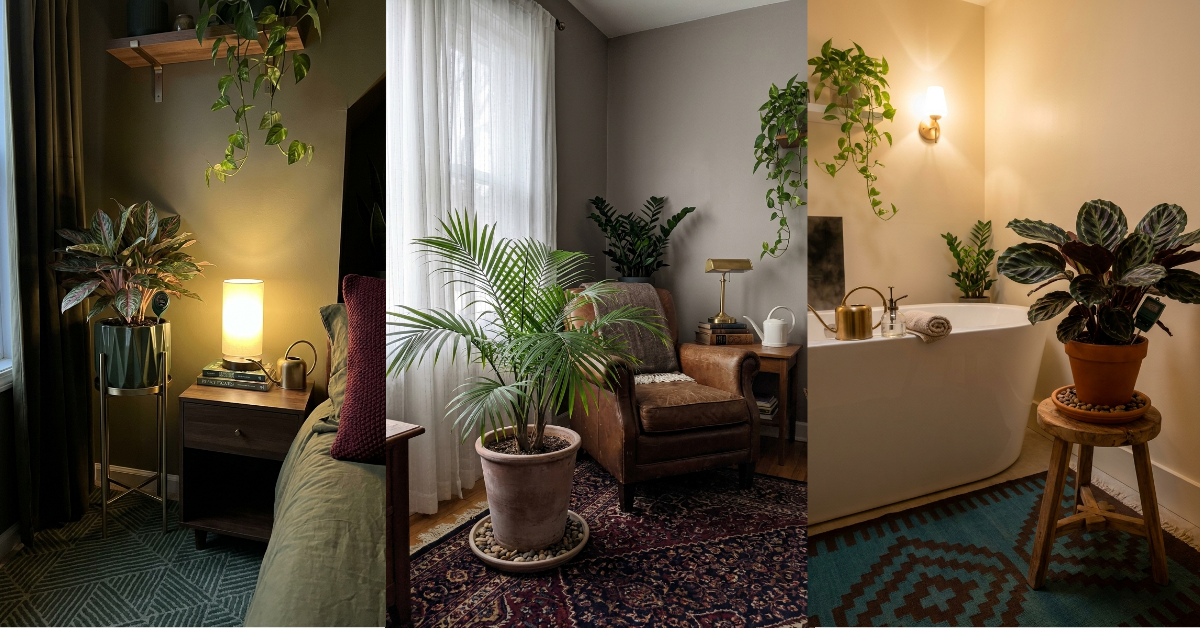
You know that corner in your living room where the sun never quite reaches? Or that bathroom with the tiny window that barely lets in any light? I used to think those spaces were doomed to stay empty and sad-looking. But here’s the thing: some plants actually prefer the shade. They thrive in low light and laugh in the face of neglect. I’m talking about the kind of plants that forgive you for forgetting to water them, don’t pitch a fit when they’re far from a window, and still manage to look absolutely gorgeous while doing it. If you’ve killed a succulent (guilty!) or think you don’t have enough light for greenery, these 24 beauties are about to change your mind. They’re practically indestructible, they love dim corners, and they’ll make your home feel alive without demanding much in return. Let’s get into it.
1. Snake Plant (Sansevieria): The Immortal Beauty
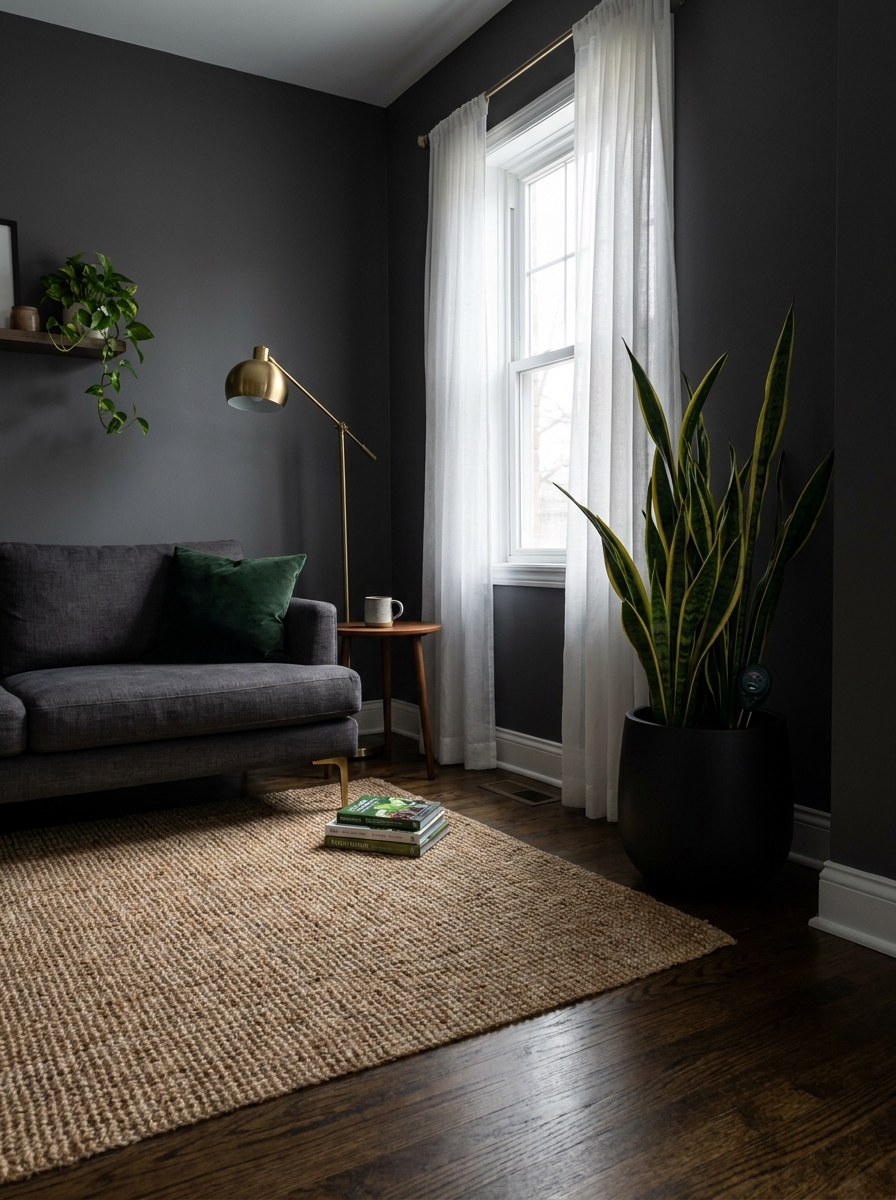
This plant is basically the superhero of the plant world. It can handle almost total neglect, needs watering maybe once a month, and actually prefers to be ignored. I have one in my bathroom that gets zero natural light and it’s thriving like it owns the place.
The tall, sword-like leaves grow straight up and add this gorgeous architectural element to any room. You can find them with dark green leaves, variegated yellow edges, or even silvery-blue tones. They’re stunning in modern spaces but somehow work in traditional rooms too.
What I love most is that snake plants are nearly impossible to kill. Forget to water for three weeks? They’re fine. Shove them in a dark corner? They actually don’t mind. They’re also air-purifying champions, so they’re doing double duty while looking effortlessly chic. Just don’t overwater them—that’s literally the only way to mess this up. Let the soil dry out completely between waterings and you’ll have a plant friend for life.
2. Pothos (Devil’s Ivy): The Trailing Sweetheart
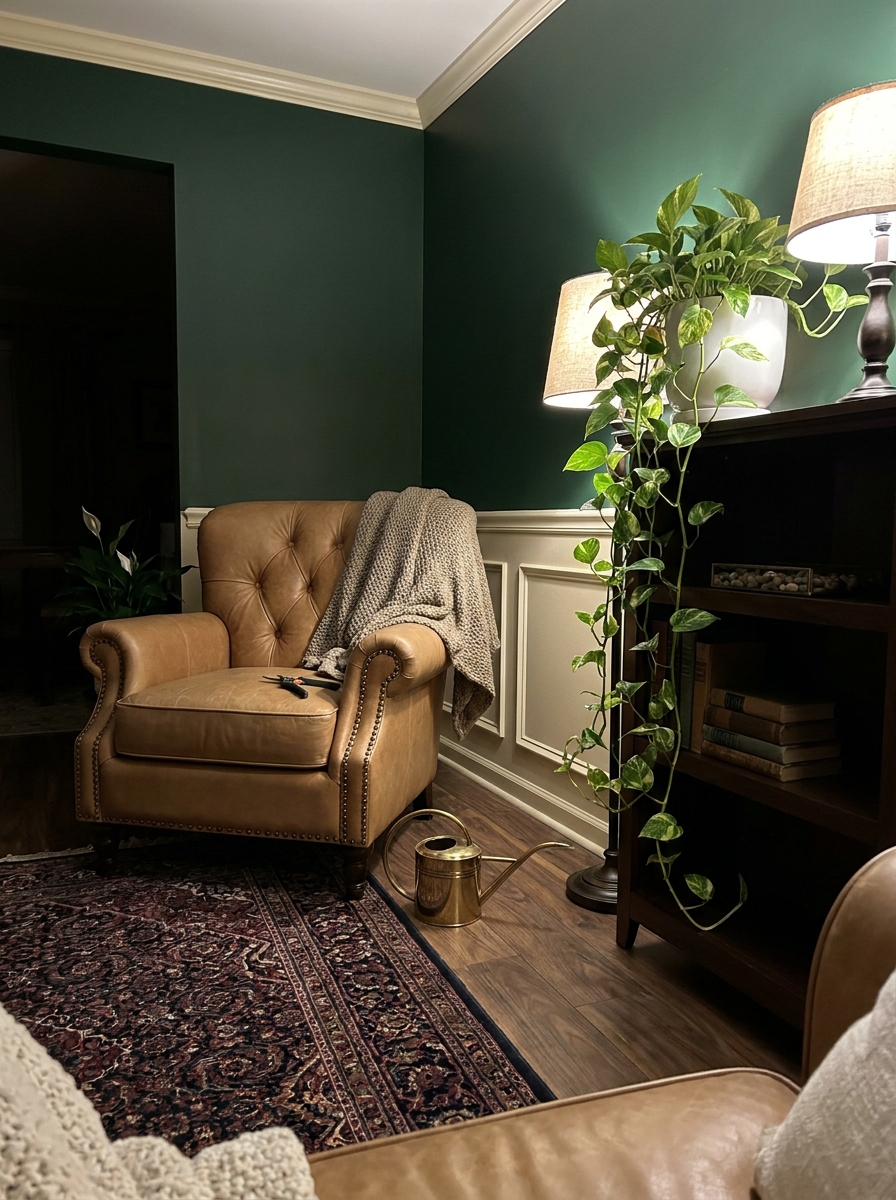
If you want drama and romance in plant form, pothos is your girl. Those cascading vines can grow ridiculously long—like, trailing-down-from-a-bookshelf-all-the-way-to-the-floor long. And they do it in practically no light at all.
Pothos comes in so many varieties. Golden pothos has those gorgeous yellow and green marbled leaves. Marble Queen is more white and cream. Jade pothos is deep, solid green. Each one brings a different vibe but they’re all equally forgiving.
I have pothos in my entryway where there’s barely any natural light and it just keeps growing. The vines get longer, new leaves keep sprouting, and I honestly forget it’s there half the time. It’s one of those plants that makes you look like you have your life together when really you’re just winging it. Water when the soil feels dry and watch it flourish. That’s it. That’s the whole care routine.
3. ZZ Plant (Zamioculcas Zamiifolia): The Glossy Showstopper
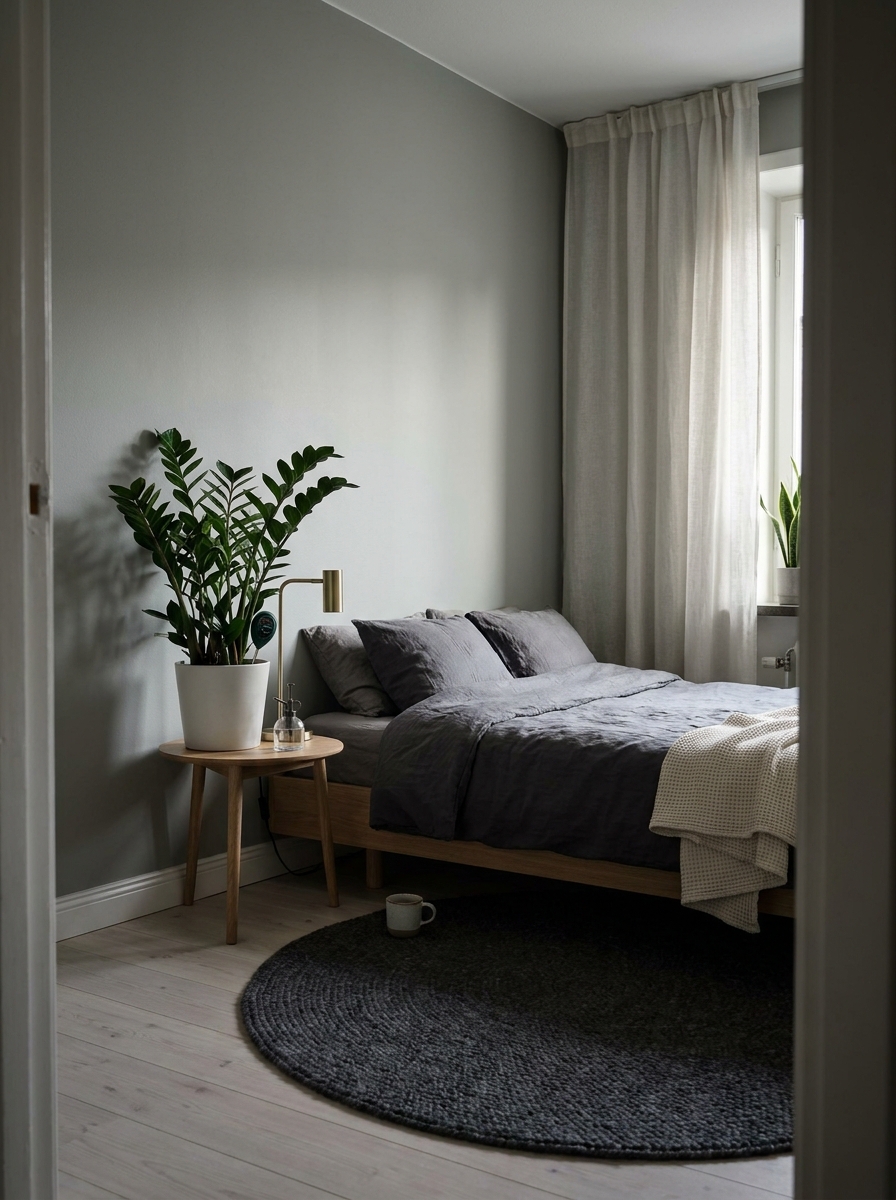
The ZZ plant looks expensive. Those thick, waxy leaves are so shiny they almost look fake, but in the best possible way. It’s like the plant equivalent of a little black dress—classic, elegant, and works everywhere.
This one is ridiculously drought-tolerant. It has rhizomes under the soil that store water, so it can go weeks without a drink. Perfect for forgetful plant parents or anyone who travels a lot. It grows slowly but steadily, sending up new stems that unfurl with fresh glossy leaves.
I love putting ZZ plants in spots where I want a polished, put-together look without any effort. They work beautifully in modern spaces with clean lines, but they also add a sophisticated touch to more eclectic rooms. They tolerate low light like absolute champs and don’t get bothered by dry air. Honestly, the hardest part about owning a ZZ plant is resisting the urge to touch those shiny leaves all the time.
4. Cast Iron Plant (Aspidistra Elatior): The Unbreakable Classic
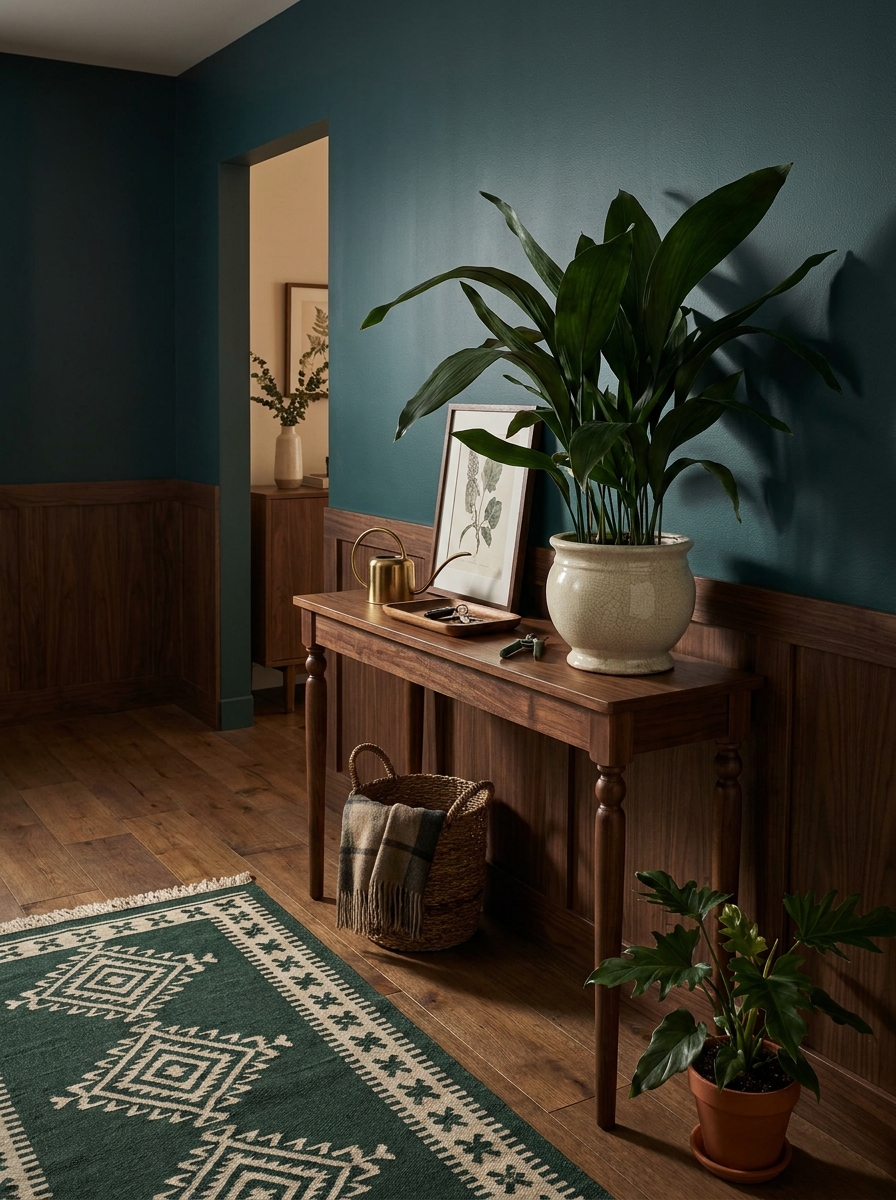
They named this plant “cast iron” for a reason. It can handle neglect, low light, temperature swings, and just about anything else you throw at it. If you’ve killed every plant you’ve ever owned, start here. This one wants you to succeed.
The broad, dark green leaves grow in elegant arching clumps that have this timeless, old-world charm. It’s the kind of plant your grandma probably had, and it’s having a major comeback because people are realizing how beautiful and reliable it is.
Cast iron plants grow slowly, which actually makes them perfect for small spaces—they won’t suddenly take over your room. They’re happy in deep shade, they don’t need much water, and they genuinely don’t care if you forget about them for a while. I have one in my hallway that gets almost no natural light and it just sits there looking gorgeous and unbothered. It’s the plant equivalent of a loyal friend who never complains.
5. Philodendron Heartleaf: The Climbing Charmer
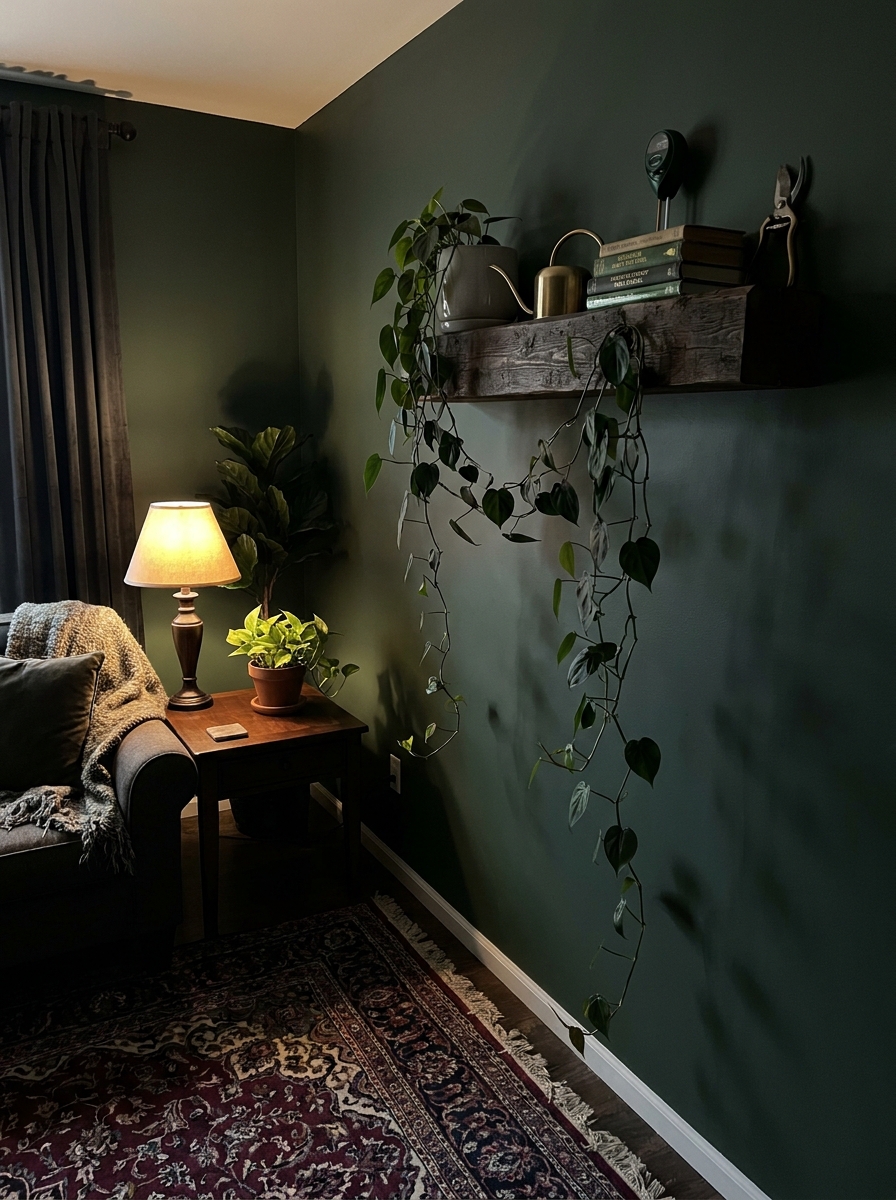
If you love plants with personality, the heartleaf philodendron will steal your heart. Those glossy, heart-shaped leaves cascade down shelves or climb up poles with zero fuss. Mine lives in my hallway where there’s basically no window, just ambient light from other rooms, and it’s thriving like nobody’s business.
What I love most? This plant literally tells you what it needs. Leaves drooping? Give it a drink. Growing slower? Totally normal in low light. It’s not being dramatic, just honest. The vines can grow ridiculously long, so you can train them around frames, let them dangle from shelves, or trim them back to keep things tidy.
They’re also crazy easy to propagate. Snip a stem, stick it in water, and you’ll have roots in two weeks. I’ve given away so many baby philodendrons to friends. It’s the plant that keeps on giving, even in the dimmest corners of your home.
6. Peace Lily (Spathiphyllum): The Drama Queen with Benefits
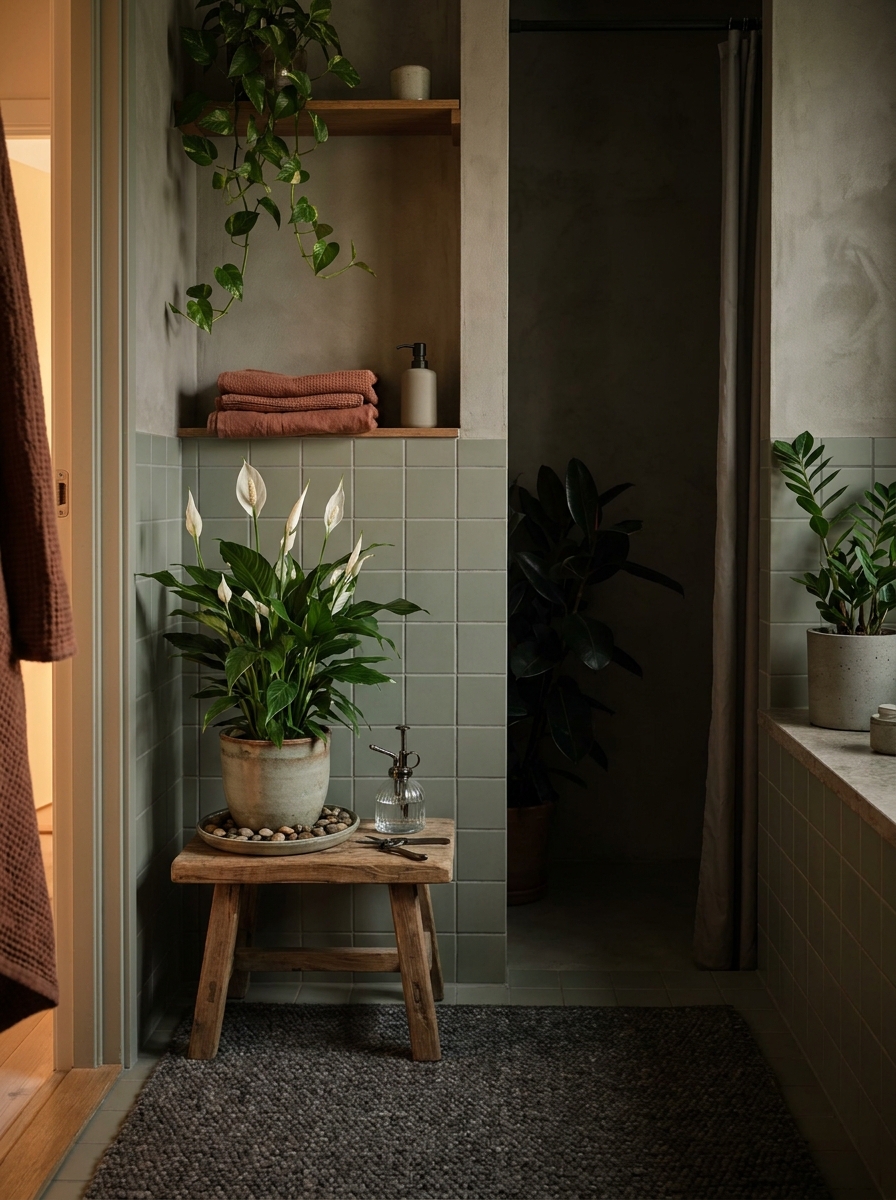
Okay, peace lilies are a tiny bit dramatic, but in the best way possible. When they need water, they flop over like they’re auditioning for a soap opera. But here’s the magic: give them a drink and within hours, they perk right back up. It’s honestly the most satisfying plant relationship you’ll ever have.
They’re perfect for low light and actually prefer it over bright spots. Those gorgeous white blooms? They’ll appear even in darker rooms, which feels like a little miracle every time. Plus, peace lilies are amazing air purifiers. NASA literally studied them for space stations. Your bedroom or bathroom just became a wellness sanctuary.
I keep mine in my windowless bathroom where it gets zero direct light, just whatever bounces in from the hallway. It’s been blooming for months. The only real rule? They hate tap water chemicals, so let your water sit overnight or use filtered water. Small effort, huge payoff.
7. Chinese Evergreen (Aglaonema): The Color-Splashed Survivor
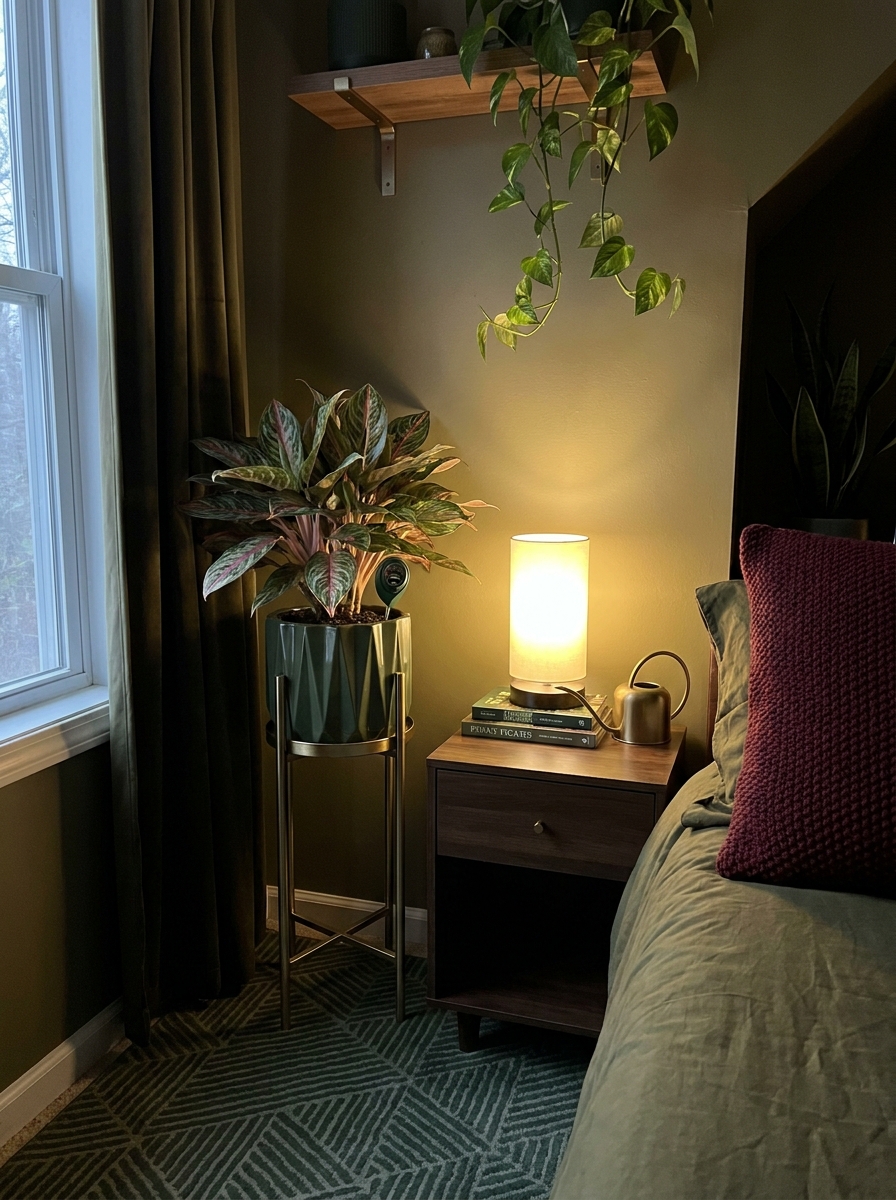
Most low-light plants are just green, green, and more green. Not the Chinese evergreen. This beauty comes in the coolest patterns – silvery leaves with dark green edges, pink splashes, red veins. It’s like someone painted each leaf by hand. And somehow, it still thrives in terrible lighting.
I was skeptical at first because colorful plants usually need tons of light to maintain their patterns. But my pink aglaonema has been sitting in my bedroom corner for a year, nowhere near a window, and those pink markings are still stunning. It grows slowly in low light, but that’s actually perfect because it stays manageable and cute.
The best part? Chinese evergreens tolerate seriously inconsistent watering. Forgot to water for two weeks? They’ll forgive you. They’re basically the chill friend who never holds grudges. Just keep them away from cold drafts and they’ll love you forever.
8. Dracaena (Dragon Tree): The Architectural Statement Maker
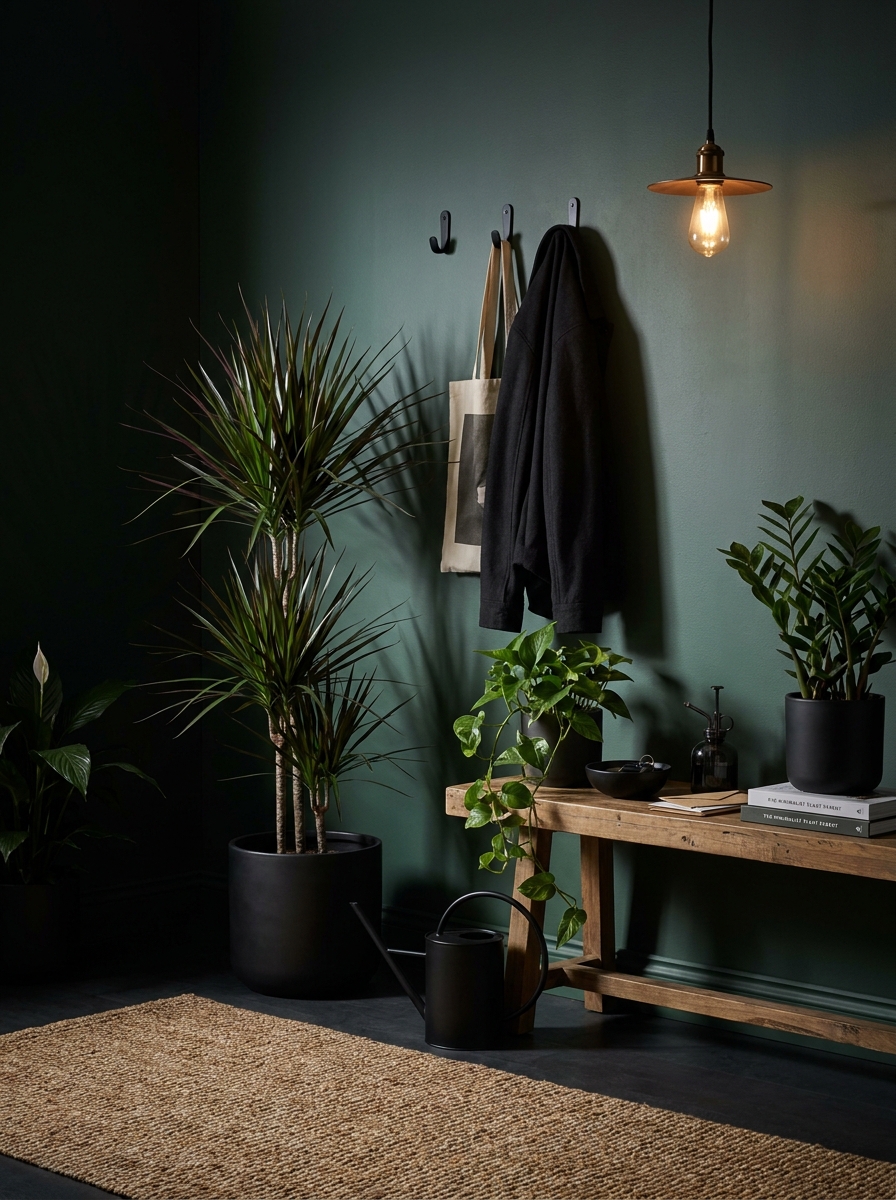
If you want a plant that looks expensive and exotic but requires basically zero effort, dracaena is your answer. These tall, spiky beauties add serious architectural drama to any room. The leaves grow in clusters at the top of woody stems, creating this gorgeous sculptural silhouette that makes your space feel professionally designed.
There are tons of varieties – some with thin green leaves, others with red edges or yellow stripes. I have the marginata variety with those cool red-edged leaves, and it’s been living in my dim entryway for two years. It’s literally the first thing people comment on when they walk in. Nobody believes me when I say it barely gets any natural light.
Dracaenas are slow growers in low light, which means less maintenance for you. They don’t need frequent repotting, they’re not fussy about humidity, and they actually prefer to dry out between waterings. It’s the plant for people who want maximum impact with minimum babysitting.
9. Spider Plant (Chlorophytum): The Baby-Making Machine
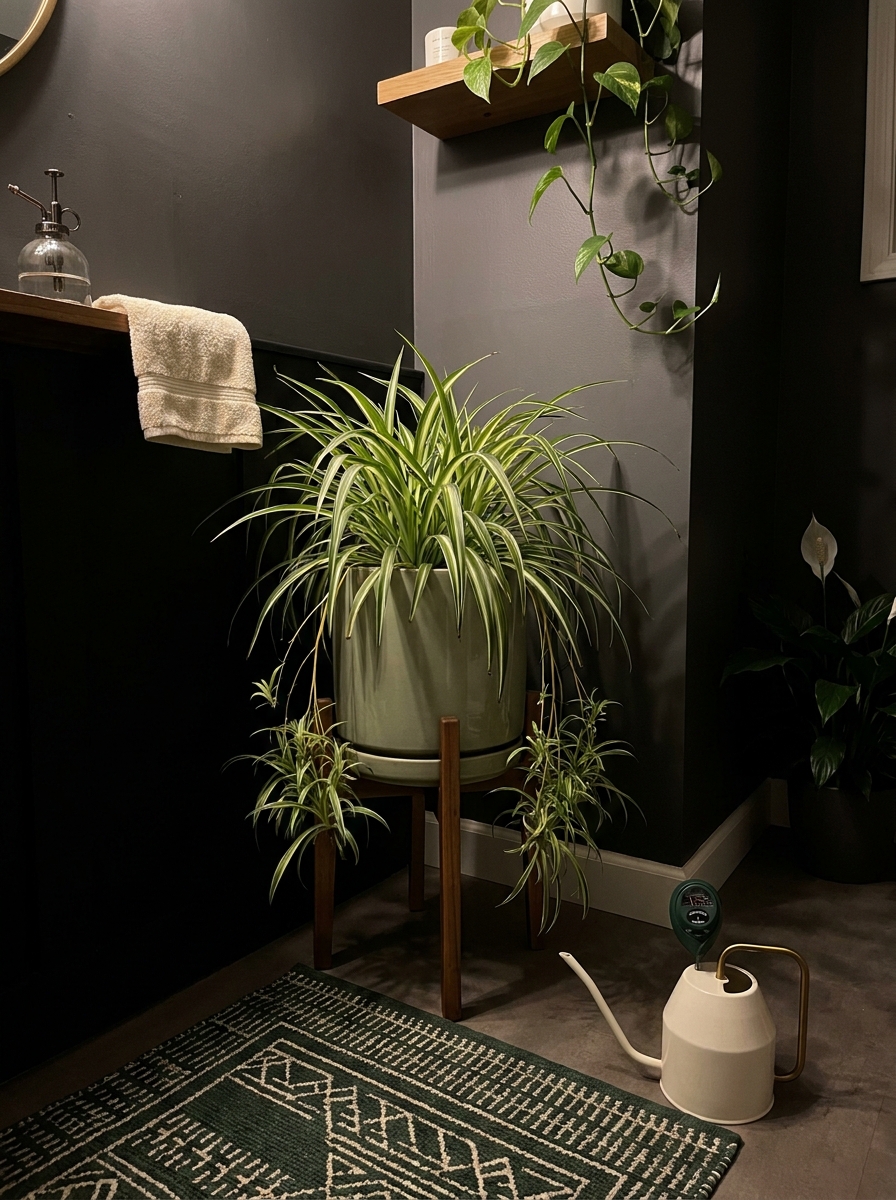
Okay, this one is literally impossible to kill. I’ve tried ignoring mine for weeks, and it just keeps making babies like it’s mocking me. Those adorable little plantlets dangling off long arching stems? They’re spider plant offspring, and they root in basically anything.
The striped green and white leaves fountain out from the center, creating this gorgeous cascading effect that’s perfect for hanging baskets or high shelves. And here’s the crazy part—it actually thrives on neglect. Forget to water it? No problem. Barely any light? It’s fine. Want to propagate twenty more plants for free? Just snip off those babies and stick them in water.
I have spider plants in my darkest bathroom and my barely-lit hallway, and they’re both churning out babies like there’s no tomorrow. They clean the air too, which is a nice bonus when you’re basically hoarding plants in every corner.
10. Lucky Bamboo (Dracaena Sanderiana): The Water-Living Wonder
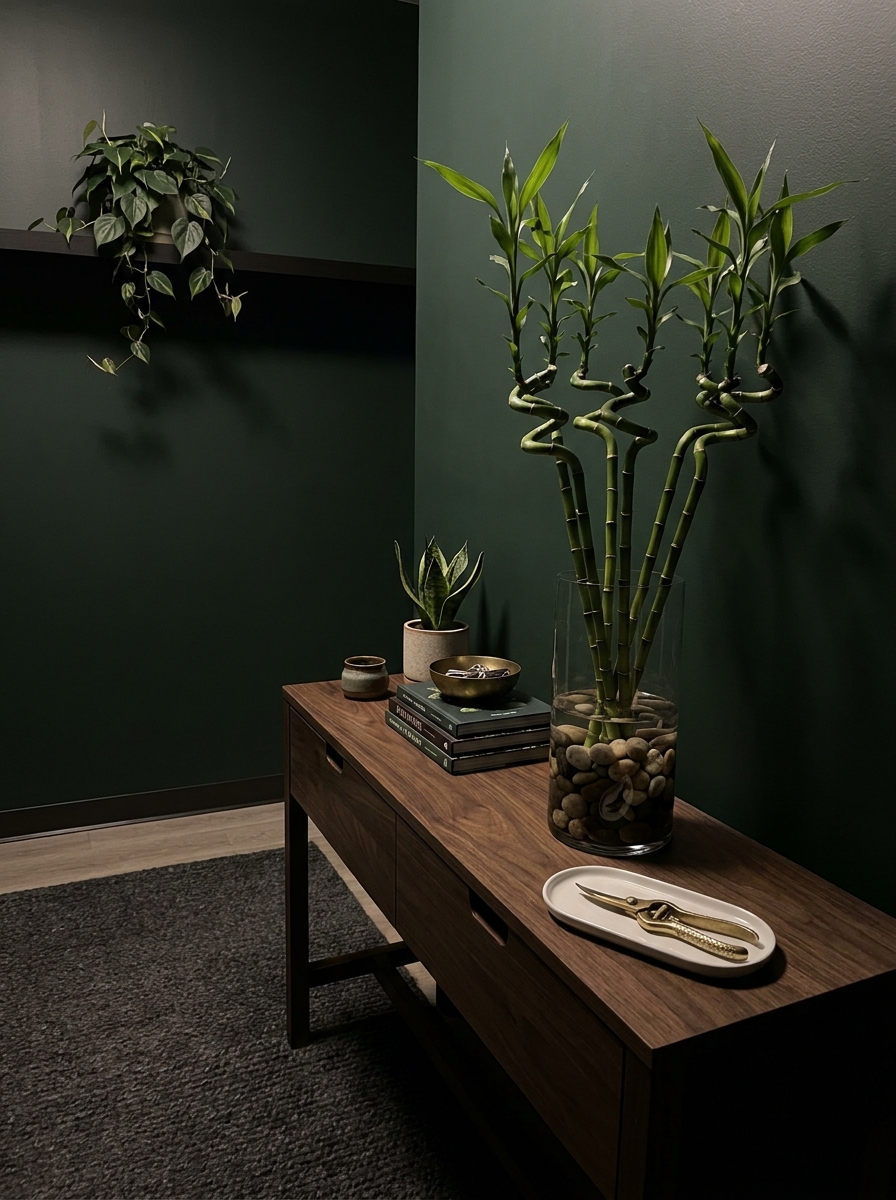
Plot twist—lucky bamboo isn’t even bamboo. It’s actually a type of dracaena that happens to look like bamboo and lives in straight-up water. No soil required. How wild is that?
I love this plant for tiny dark spaces because you can literally just plop it in a vase with some pebbles and water, and it’s happy. Bathroom counter? Perfect. Dark entryway console? Great. Office desk with fluorescent lights? Absolutely. Those twisted or braided stems you see? Totally natural (okay, they’re trained, but still cool).
The best part is how clean and modern it looks. While other plants need dirt and drainage and all that fuss, lucky bamboo just chills in water looking effortlessly elegant. Change the water every couple weeks, keep it out of direct sun, and you’re basically done. It’s the ultimate starter plant for people who think they can’t keep anything alive.
Mine has lived on my windowless bathroom counter for three years. Three years! In just water!
11. Parlor Palm (Chamaedorea Elegans): The Victorian Comeback Kid
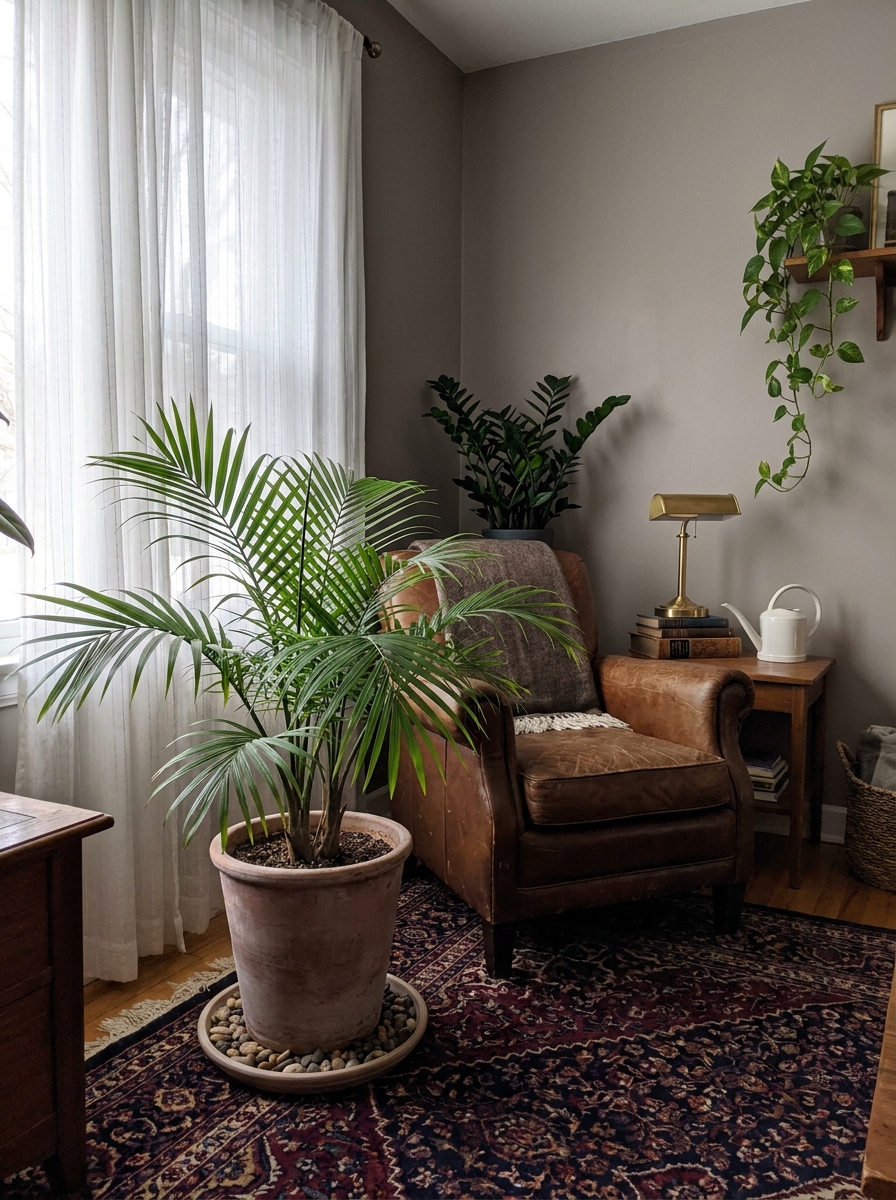
There’s a reason Victorian parlors were stuffed with these palms—they actually love dim, stuffy indoor air. While most palms throw tantrums without humidity and bright light, parlor palms are like “nah, I’m good” in basically any corner you put them.
Those delicate, feathery fronds bring instant tropical vibes without any of the drama. I have one in my north-facing living room that barely gets any direct light, and it just keeps pushing out new growth like it’s living its best life. The thin, arching stems create this soft, elegant silhouette that feels way fancier than the effort required.
What I really love is how it fills vertical space without taking over. It grows slowly and stays pretty compact, making it perfect for apartment corners or beside furniture. And unlike those big statement plants that cost a fortune, parlor palms are usually super affordable. You get that lush, tropical look for like fifteen bucks.
12. Monstera Deliciosa: The Split-Leaf Stunner
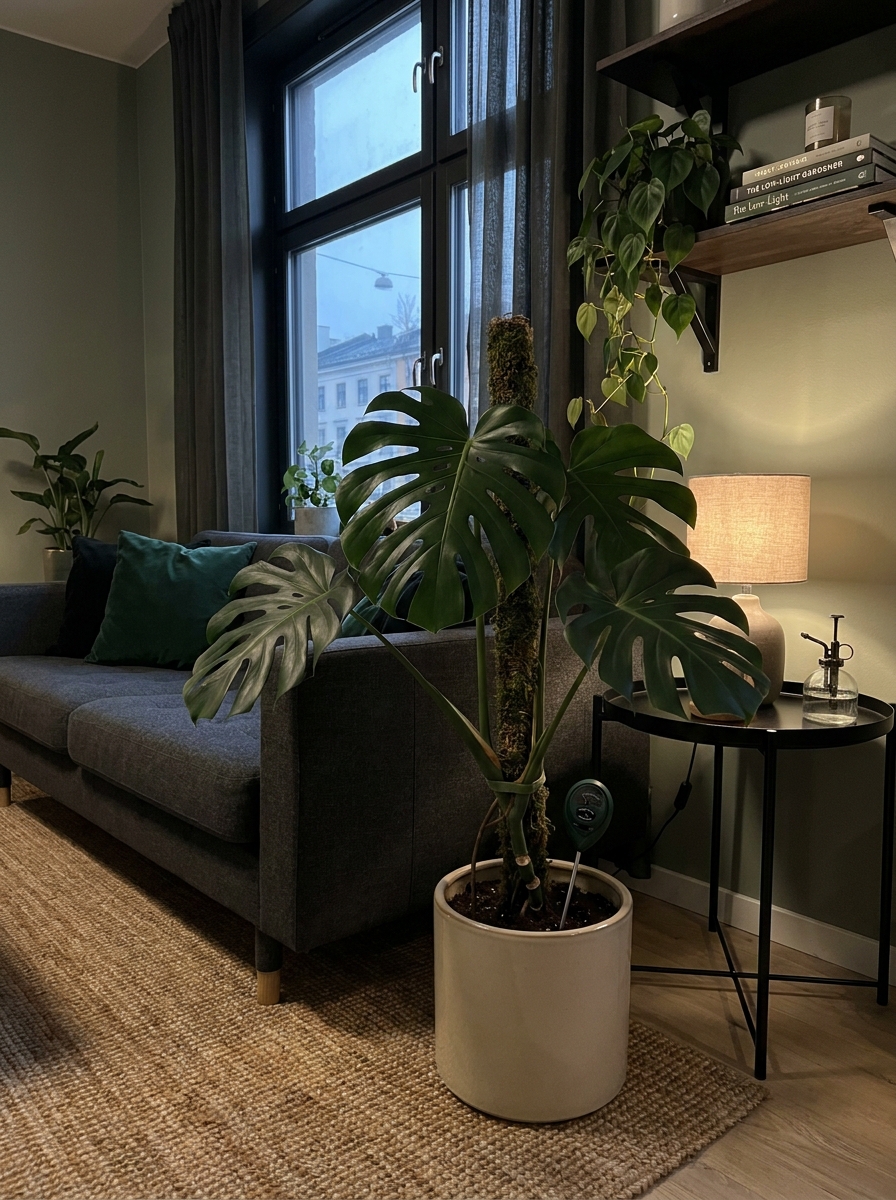
Everyone’s obsessed with those iconic split leaves, and honestly? The hype is real. But here’s what people don’t tell you—monsteras actually prefer bright indirect light, not the dark dungeon treatment. That said, they’re surprisingly tolerant of lower light; they just grow slower and make smaller leaves.
I keep mine about eight feet from a north-facing window, and while it’s not pumping out those massive fenestrated leaves like an Instagram star, it’s absolutely thriving with nice splits and steady growth. The thing climbs like crazy if you give it a moss pole, or it’ll trail dramatically if you let it do its thing.
What makes monstera special is that sculptural, jungle vibe it brings to any room. Even smaller leaves look architectural and interesting. And once it’s established, it’s pretty forgiving—missing a watering here and there won’t kill it. Just don’t expect it to grow as fast in low light as it would in brighter spots.
13. Dieffenbachia (Dumb Cane): The Bold Statement Plant
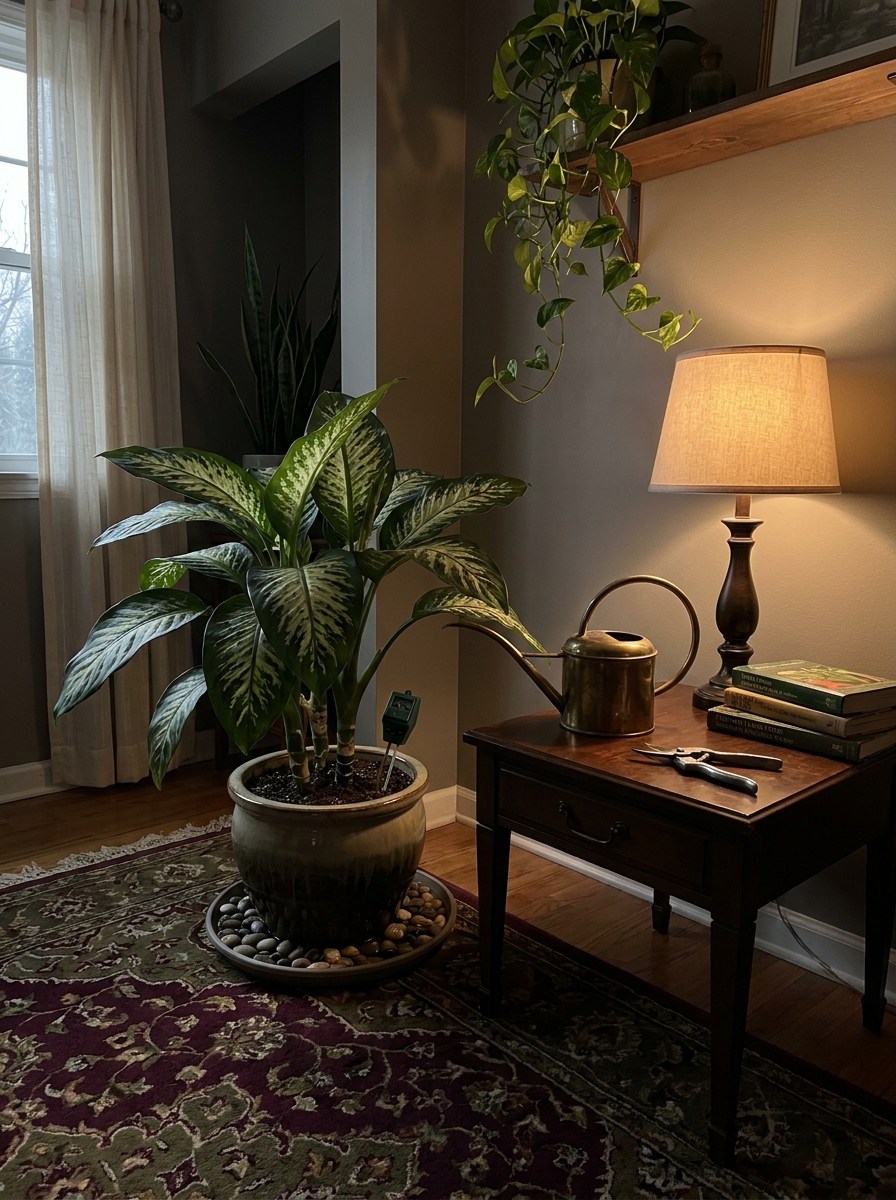
Okay, this one’s for anyone who wants BIG impact without big effort. Dieffenbachia brings those gorgeous cream-and-green patterned leaves that look like someone hand-painted each one. They’re seriously eye-catching.
Here’s what I love: they grow fast and full, so even if you’re starting with a smallish plant, it’ll fill out your space within a season. They’re happiest in low to medium light, which makes them perfect for those rooms that never quite get enough sun. Water when the top two inches of soil feel dry, and don’t stress if you forget occasionally.
Fair warning though—the sap can be irritating, so keep it away from curious pets and kids. But if you’ve got a safe spot? This plant delivers that lush, tropical vibe without demanding much in return. It’s one of those plants that makes people ask “what IS that?” because it just looks more expensive and high-maintenance than it actually is.
14. Peperomia: The Compact Windowsill Alternative
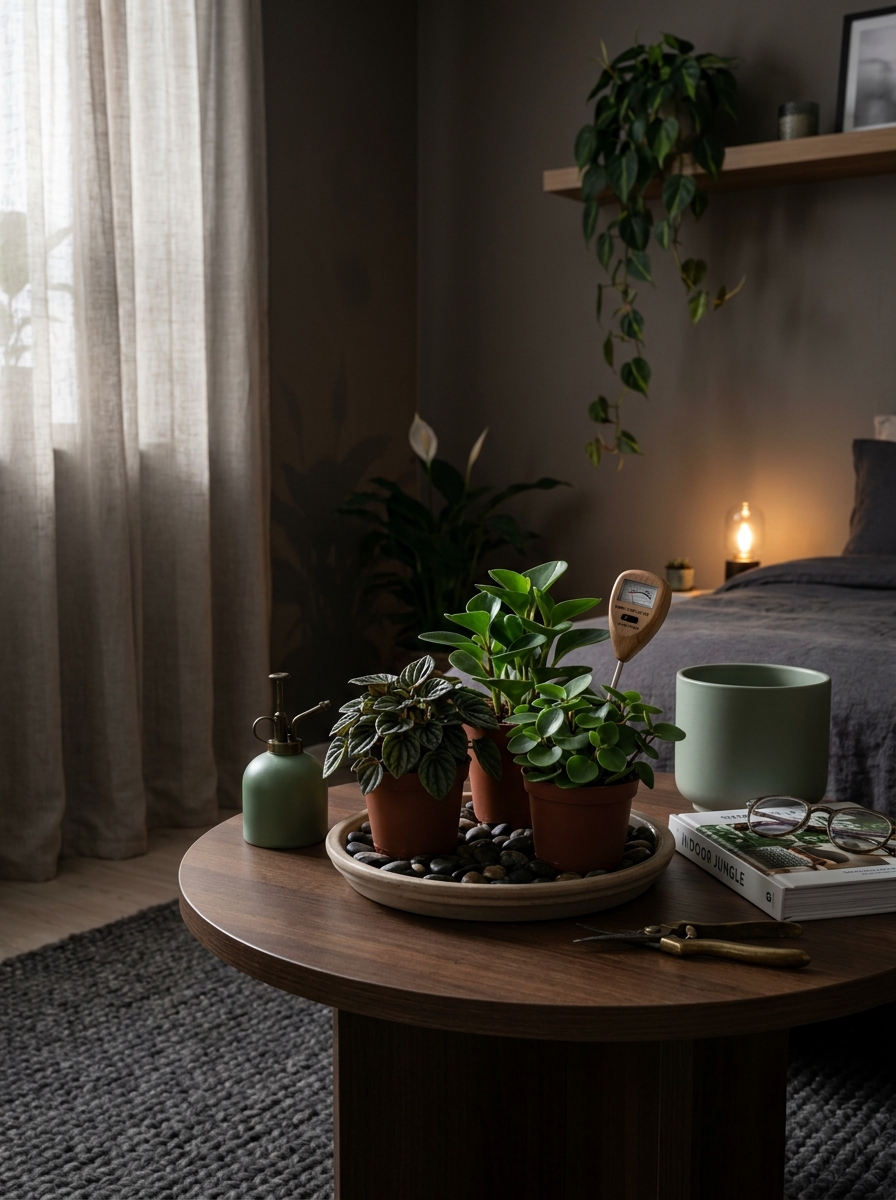
If you’re short on space but big on plant love, peperomia is about to become your best friend. These little cuties come in SO many varieties—rippled leaves, watermelon stripes, red undersides—but they all share that compact, tidy growth habit.
What makes them perfect for low light? They’re naturally understory plants, meaning they evolved growing beneath bigger plants in forests. Translation: they’re built for shade. They stay small, rarely needing repotting, and they’re not fussy about watering. Actually, they prefer to dry out a bit between drinks, so overachievers can relax.
I keep several varieties grouped together on a tray, and it creates this adorable little plant family without taking up half my table. They’re ideal for bathrooms, bedroom nightstands, or that bookshelf that never gets direct sun. Plus, those thick, slightly succulent leaves mean they store water well, so missing a watering session won’t send them into a dramatic spiral.
15. Calathea: The Living Art Piece (For the Slightly Ambitious)
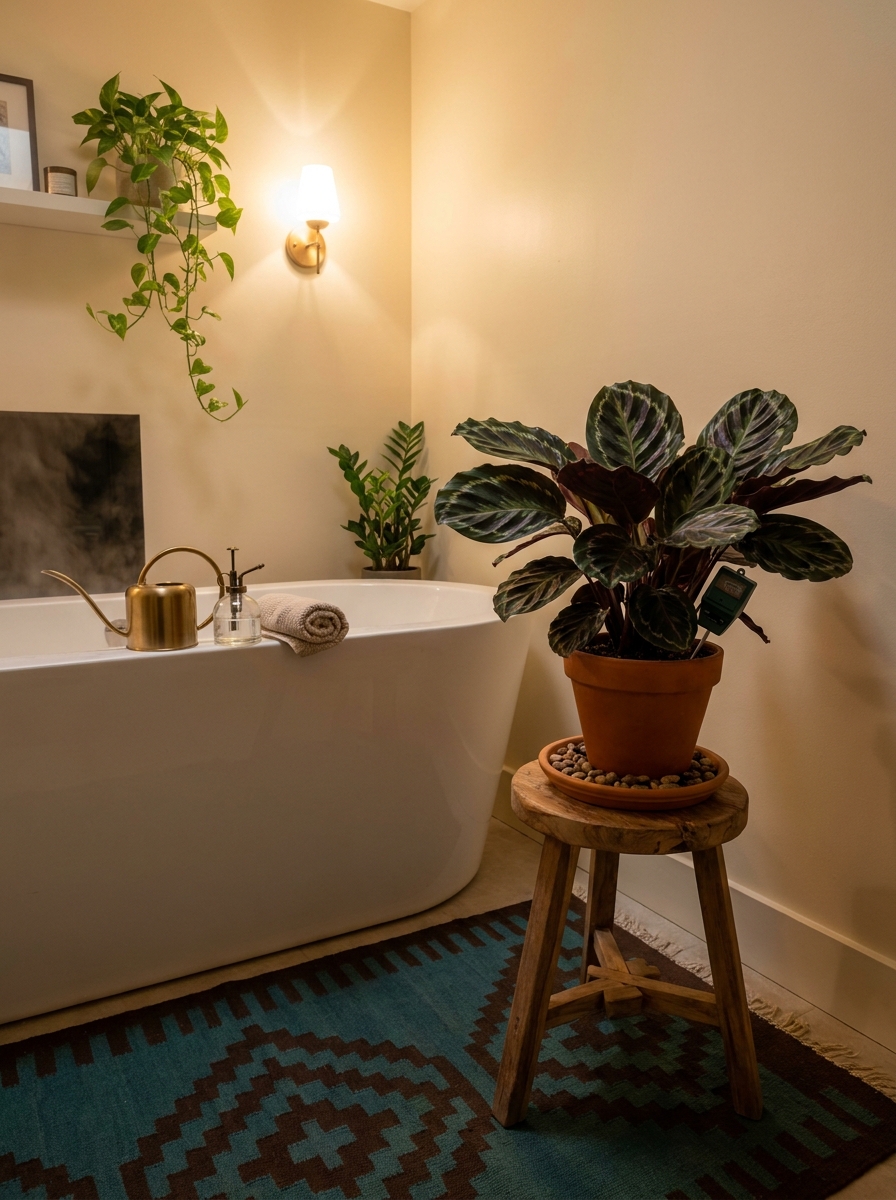
Alright, full transparency—calatheas are a TINY bit higher maintenance than everything else on this list. But hear me out: if you want a plant that’s basically living artwork, they’re worth the slight extra effort.
Those leaves! Stripes, patterns, purple undersides that peek out when the leaves fold up at night (yes, they actually move). It’s mesmerizing. They love low to medium light, making them perfect for rooms without much sun. The catch? They like humidity and consistent moisture. Not soggy, just evenly moist.
If you’ve got a bathroom with ambient light or you don’t mind misting occasionally, calatheas will reward you with the most stunning foliage display. They’re conversation starters, mood boosters, and honestly just fun to watch. Some people find them fussy, but I think they’re just clear about their needs. Give them what they want, and they’ll give you a show.
16. Nerve Plant (Fittonia): The Tiny Drama Queen
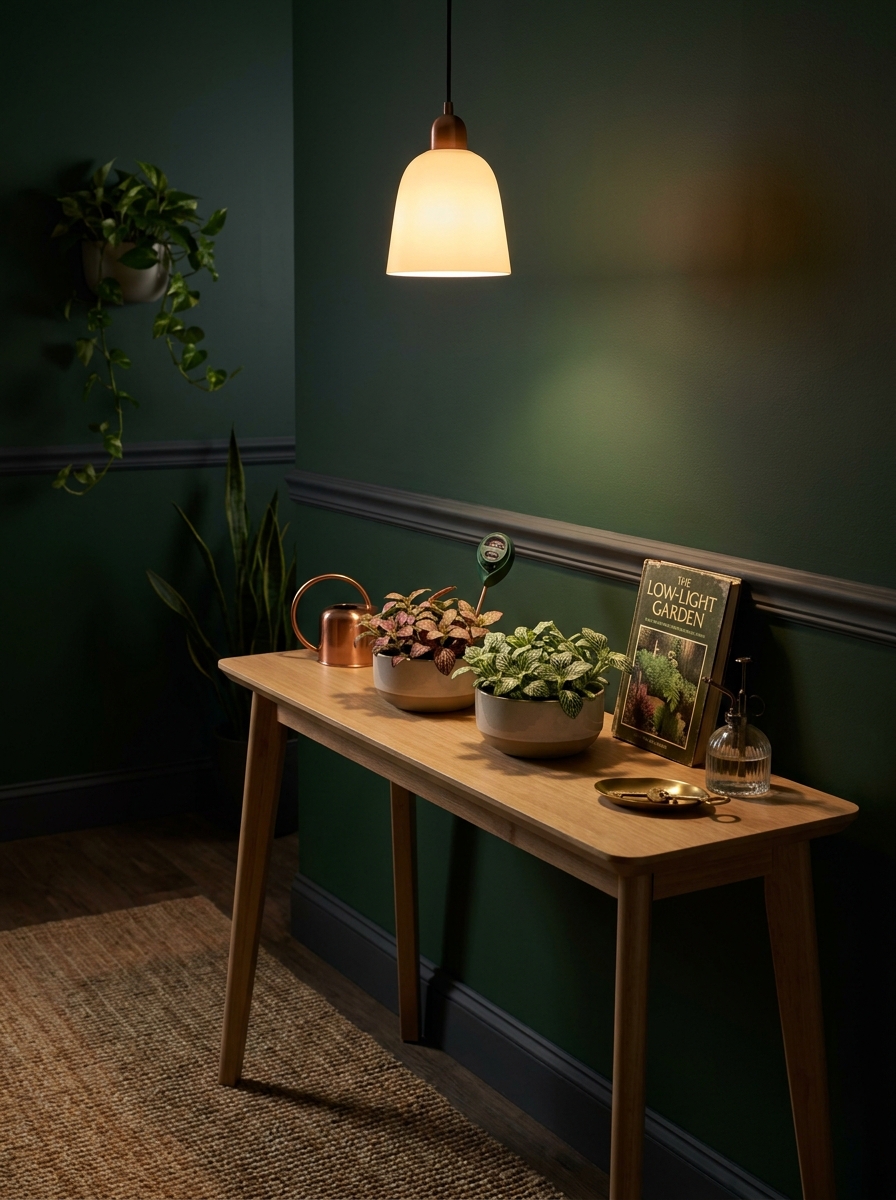
Let me introduce you to the plant that will absolutely throw a tantrum if it gets thirsty—and then forgive you completely ten minutes after you water it. Nerve plants are the tiny drama queens of the plant world, and I mean that with complete affection.
They’re called nerve plants because of those gorgeous veined leaves in pink, white, or red against deep green. They stay small and spread wide, making them perfect for shallow pots or terrariums. Low light? They actually prefer it. These little guys naturally grow on forest floors, so bright light just stresses them out.
Here’s the thing: they’ll go completely limp when they’re thirsty. It looks like they’re dying. But water them, and within an hour, they perk right back up like nothing happened. Once you learn their watering rhythm (they like consistent moisture), they’re actually pretty easy. Plus, that immediate feedback is kind of helpful for forgetful plant parents who need visual reminders.
17. Arrowhead Plant (Syngonium): The Shape-Shifting Sweetheart
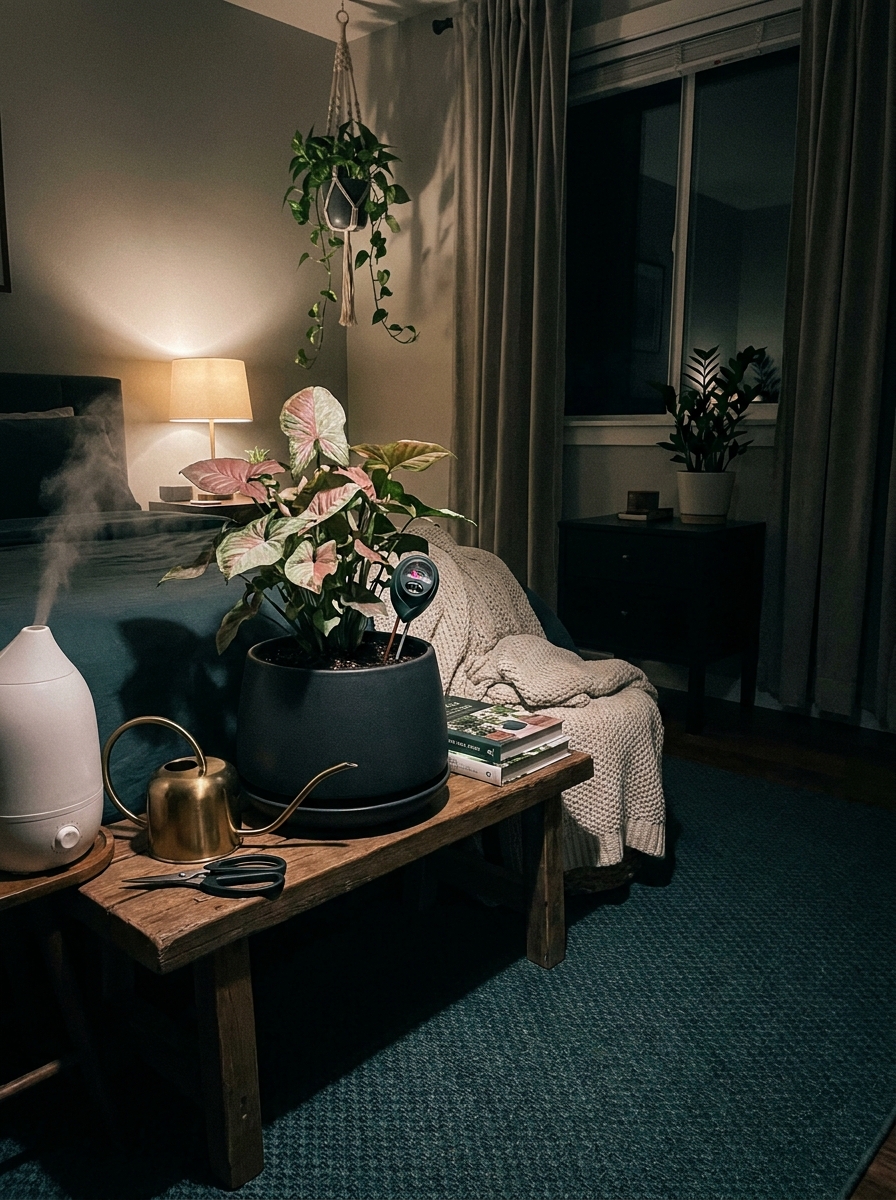
Can we talk about how this plant literally changes its personality as it grows? Baby arrowhead plants have those adorable compact arrow-shaped leaves, then suddenly decide to become wild vining teenagers. It’s like watching your plant go through puberty, and honestly? I’m here for both phases.
The syngonium comes in the most gorgeous color variations. We’re talking creamy whites with green veins, peachy pinks, deep burgundies. They’re like the mood rings of the plant world, except they actually stay alive. And in low light? They just keep doing their thing, maybe growing a bit slower, but never complaining.
I love how forgiving these are about watering. Forget for a week? They’ll bounce back. The leaves might get a little crispy at the edges if you really neglect them, but a good drink and they’re your best friend again. They’re also fantastic at telling you what they need—droopy means thirsty, yellowing means too much water. Easy peasy.
18. Rubber Plant (Ficus Elastica): The Bold Burgundy Statement
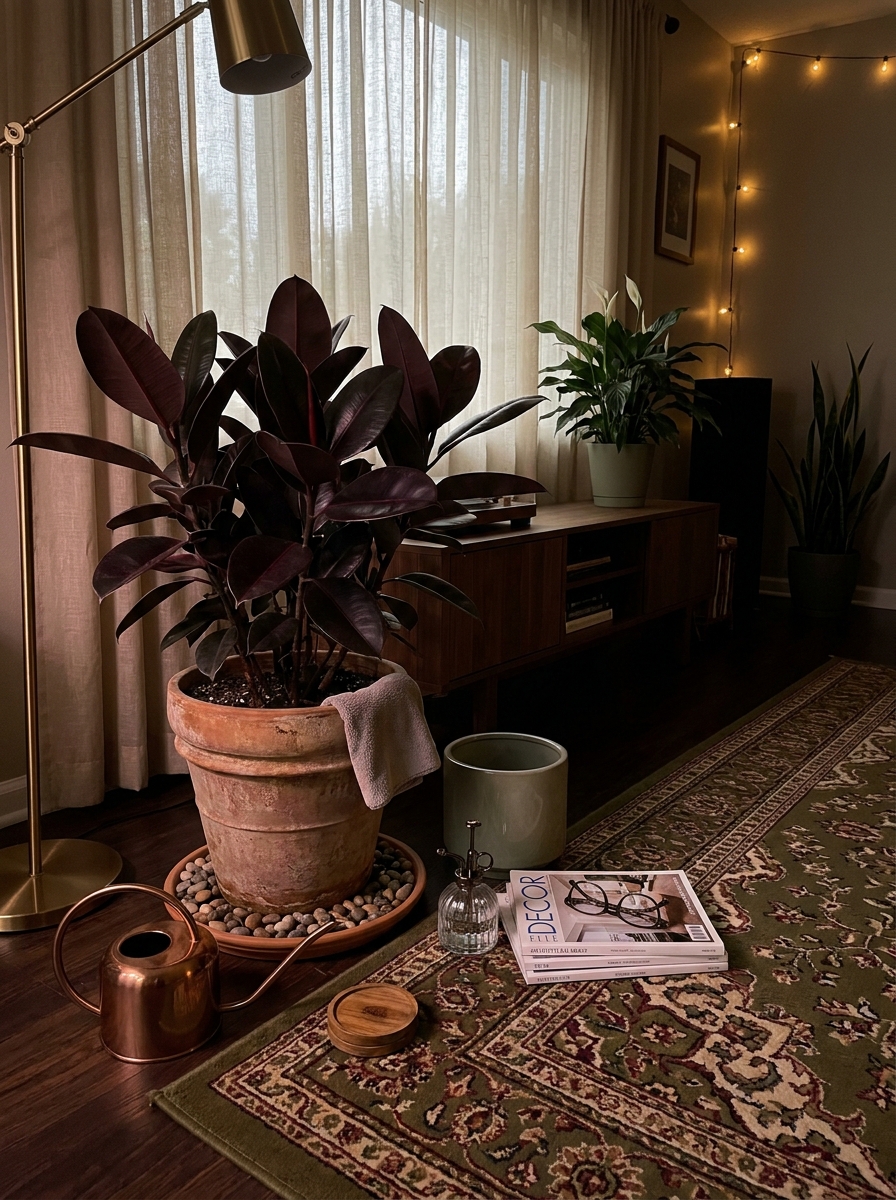
If plants had personalities, the rubber plant would be that effortlessly cool friend who always looks put together. Those big, glossy leaves—especially the burgundy varieties—are like having living sculpture in your dim corner. They command attention without being high maintenance, which is basically my entire life philosophy.
Rubber plants are tougher than they look. Sure, they prefer bright indirect light, but they adapt to lower light situations like absolute champs. They’ll grow slower, maybe stretch a bit toward whatever light exists, but they won’t throw a fit about it. I’ve had mine in a shadowy living room corner for two years and it’s still thriving.
The best part? They’re ridiculously easy to keep clean. Those big leaves collect dust like nobody’s business, but a quick wipe with a damp cloth and they’re back to being glossy showstoppers. It’s like the plant version of washing your face—simple maintenance that makes everything look better.
19. Kangaroo Paw Fern (Microsorum Diversifolium): The Fuzzy-Footed Charmer
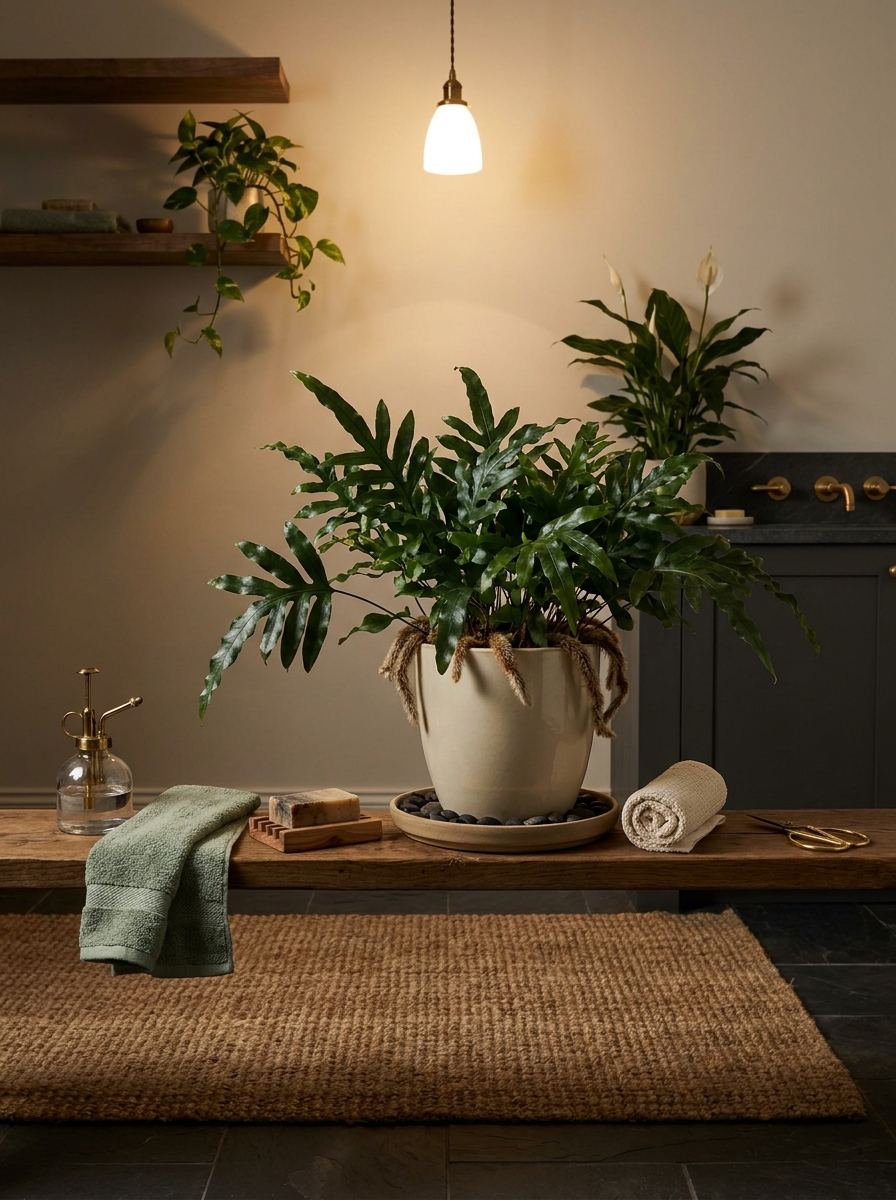
Okay, confession time: I only bought this fern because it has fuzzy little rhizomes that look like tiny kangaroo feet, and I have zero regrets. It’s one of the few ferns that won’t immediately crisp up and die in lower light, which makes it my favorite fern by default.
Unlike those drama queen maidenhair ferns that need a rainforest environment, kangaroo paw ferns are surprisingly chill. They like humidity, sure, but they won’t stage a protest if your bathroom isn’t a tropical spa. Their glossy, leathery fronds are way more forgiving than the delicate lacy types. They’re basically the fern for people who’ve killed every other fern.
I keep mine in my bathroom where it gets zero direct light, just whatever bounces around from the hallway. It’s happy as a clam, sending out new fuzzy-footed runners like it’s living its best life. Those furry rhizomes creep along the soil surface, and honestly, it’s the cutest thing my plants have ever done.
20. Corn Plant (Dracaena Fragrans): The Tropical Faker That Actually Delivers
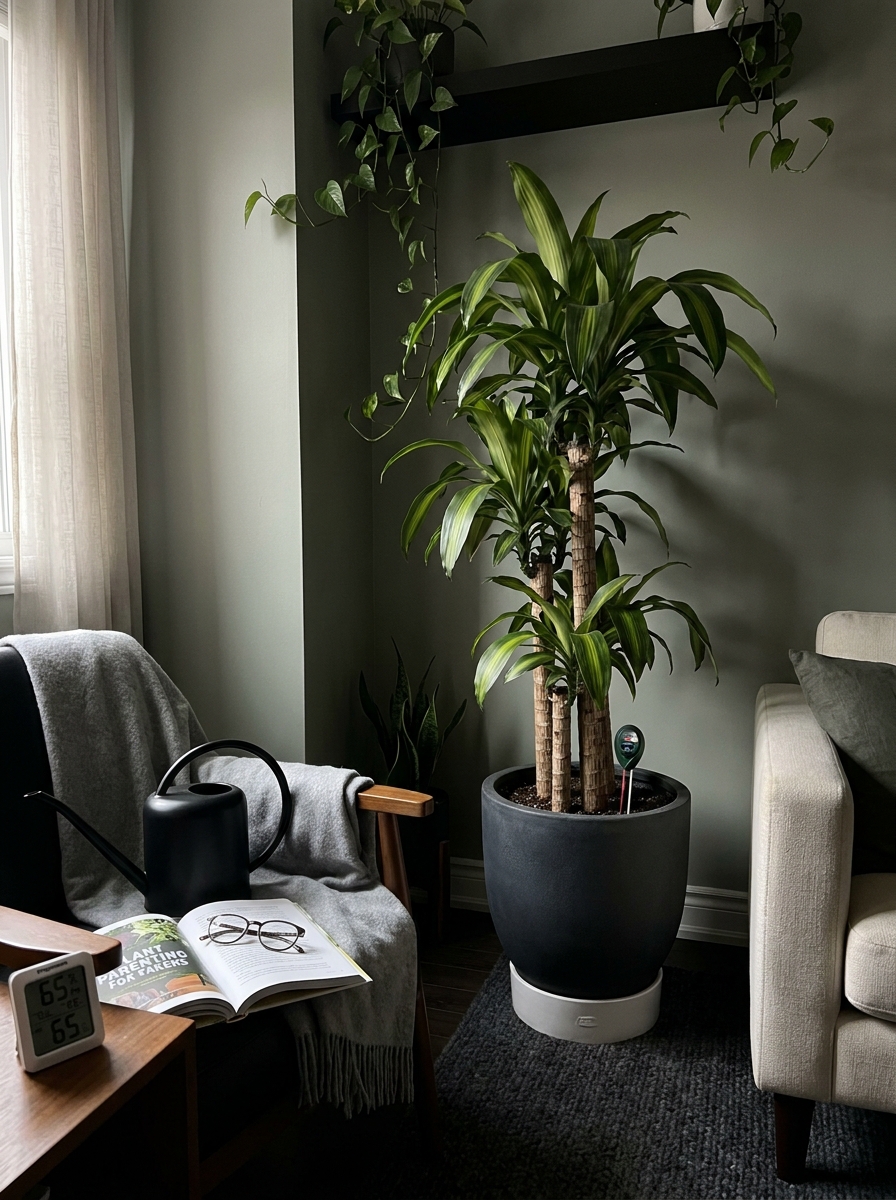
This plant has serious fake plant energy—like, people will 100% think it’s plastic until they touch it. Those striped, arching leaves on woody stems look almost too perfect to be real, but surprise! It’s legit and basically indestructible in low light.
Corn plants are part of the dracaena family, so you know they’re built to survive neglect. They tolerate dim corners, irregular watering, and general forgetfulness with grace. They’ll slowly grow into these gorgeous multi-stemmed floor plants that look expensive and intentional, even though you’re just winging it.
The best surprise? Mature corn plants occasionally bloom with these intensely fragrant white flowers. It doesn’t happen often, and usually only on older, happy plants, but when it does? Your whole room smells like heaven. It’s like your plant is saying “thanks for not killing me” in the sweetest way possible. Even without blooms, though, this plant earns its floor space by looking perpetually put-together.
21. Asplenium Nidus (Bird’s Nest Fern): The Wavy-Edged Wonder
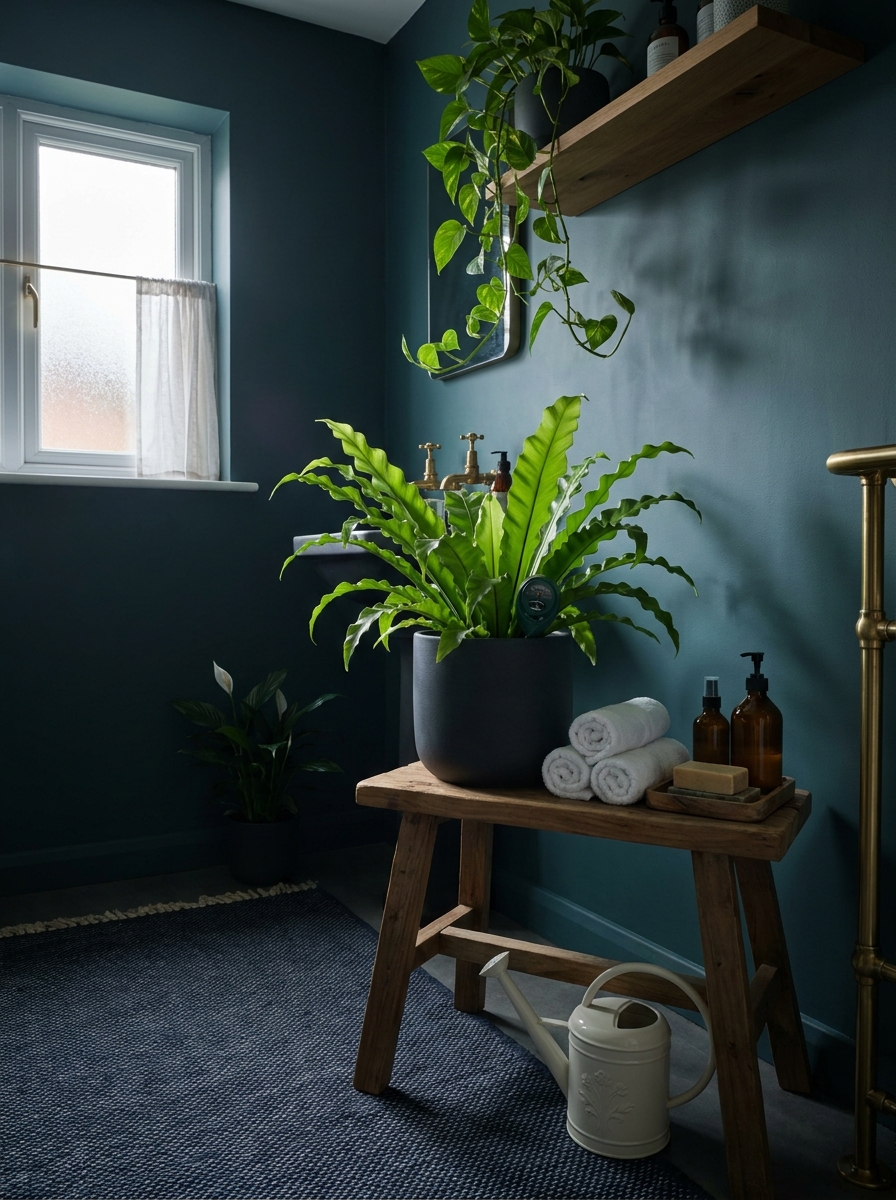
This fern is nothing like those crispy brown nightmares you remember from your grandmother’s porch. The Bird’s Nest Fern has these gorgeous apple-green fronds that unfurl from the center like a rosette, creating the most satisfying natural sculpture. It loves low light and actually prefers it to bright spots.
What makes this plant so ridiculously easy? It doesn’t need misting like other ferns, and it won’t throw a fit if you forget to water for a week. The fronds have this beautiful rippled edge that catches light in the most interesting way, even in dim corners. I keep mine in my bathroom where there’s basically zero natural light, and it’s thriving.
The key is keeping the center dry. Water around the edges, not into that nest-like center where the new fronds emerge. This plant brings serious tropical vibes without the tropical plant drama. It’s like having a permanent arrangement of fresh greenery that never needs replacing.
22. Tradescantia Zebrina (Wandering Jew): The Purple Trailing Drama
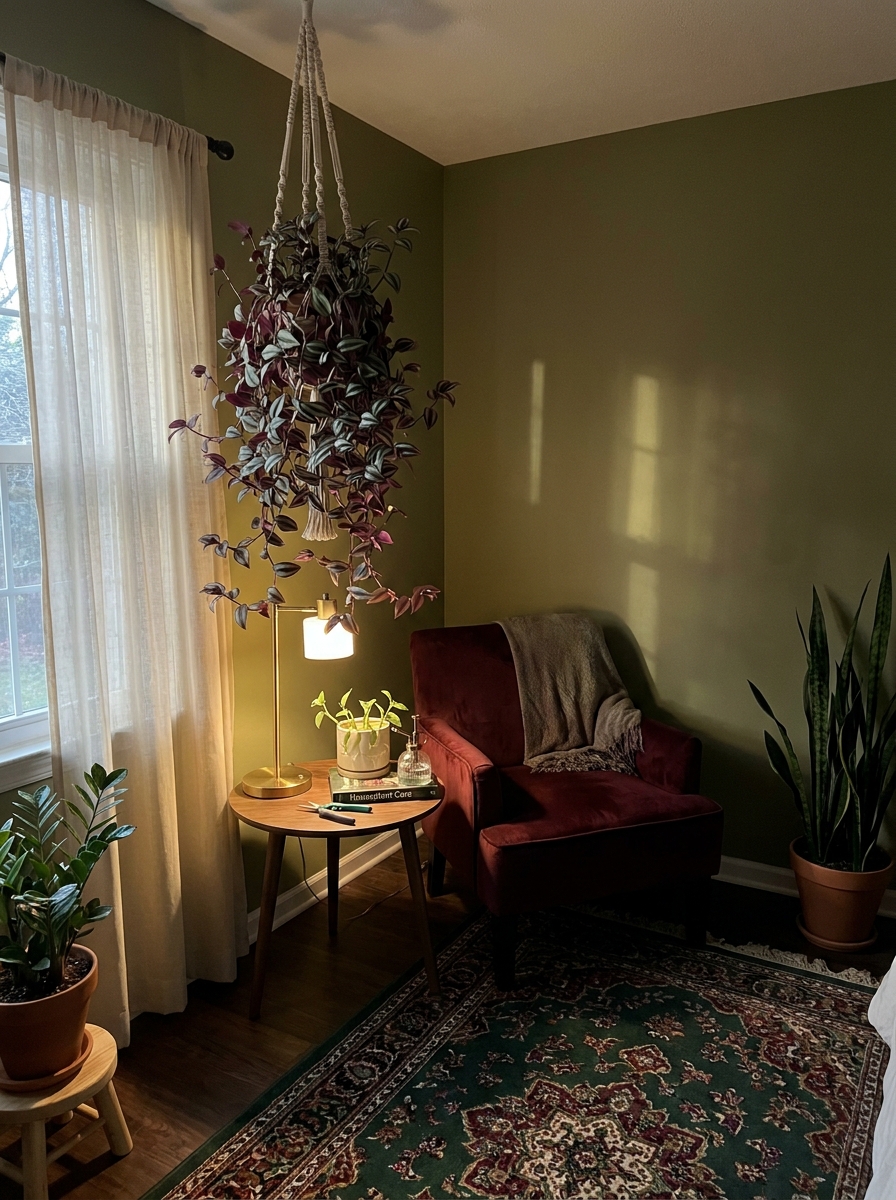
If you want color in a dark corner, this is your plant. Tradescantia Zebrina has the most stunning purple and silver striped leaves that trail like crazy. I’m talking fast growth that makes you feel like an actual plant expert when you’ve done absolutely nothing special.
This plant is ridiculously forgiving. Forgot to water? It’ll bounce back. Accidentally overwatered? It recovers. The vines grow so quickly you’ll be trimming and propagating within weeks, which means free plants for every room or gifts for friends who think they have black thumbs. The purple undersides of the leaves create this gorgeous depth that photographs beautifully.
Here’s the thing about Tradescantia: it gets leggy in super low light, but that’s actually part of its charm. Those long, trailing stems draped over a shelf or hanging basket look intentionally wild and bohemian. Pinch back the tips occasionally and stick them right back in the same pot for a fuller look. It roots in water so easily it’s almost laughable.
23. Maranta Leuconeura (Prayer Plant): The Nighttime Performer
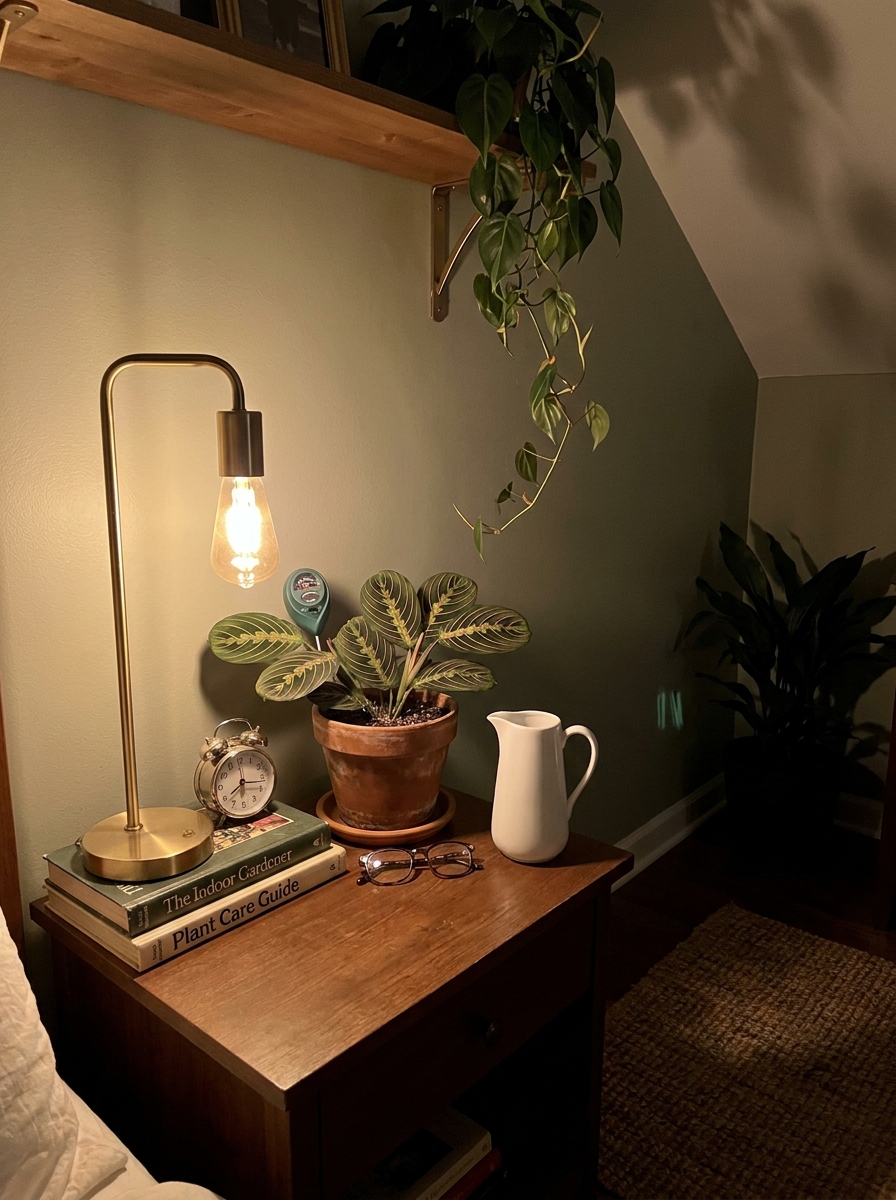
This plant literally moves, and watching it never gets old. During the day, the leaves lie flat showing off their incredible patterns—deep green with pink or red veins and dark spots. At night, they fold upward like hands in prayer. It’s the kind of thing that makes you stop and stare like you’re seeing magic.
Prayer Plants love low light and actually prefer it to bright spots that can fade their stunning leaf patterns. The movement happens because of a joint at the base of each leaf that responds to light changes. I keep mine on my nightstand where I can watch the evening show, and it’s thriving in that dim corner with just a small lamp.
They like consistent moisture but aren’t fussy if you miss a watering. The biggest bonus? They stay compact and bushy, perfect for small spaces where you want maximum visual interest without taking up half the room. Those patterned leaves are like living art that changes throughout the day.
24. Hoya Carnosa (Wax Plant): The Slow-Growing Sculpture
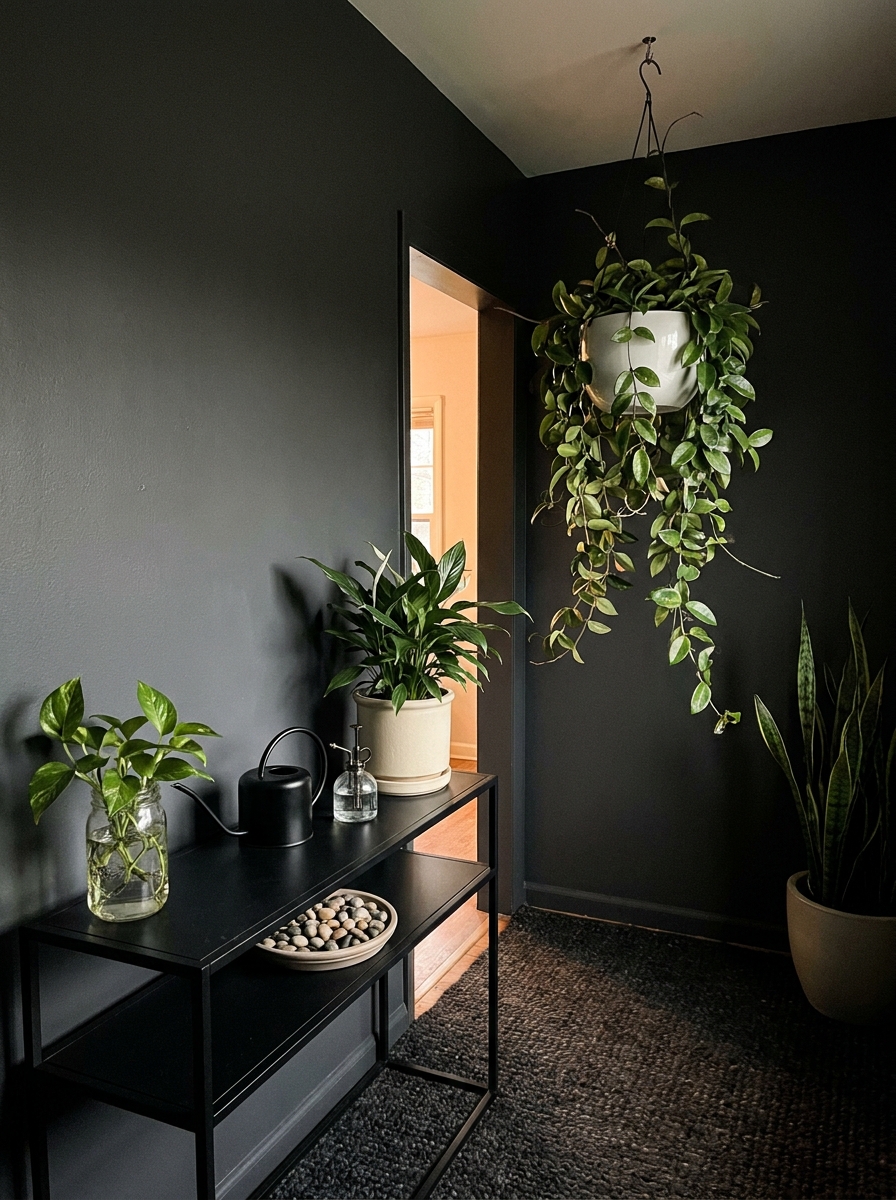
If patience is your superpower, the Hoya will reward you with thick, waxy leaves that look almost fake and the most incredible star-shaped flower clusters that smell like heaven. This plant grows slowly, but that’s actually perfect for low-light situations where you don’t want something taking over your space.
Hoyas are practically indestructible. Those thick leaves store water like a camel, so you can forget about it for weeks without guilt. Mine sits in a shadowy hallway where most plants would give up, and it just keeps putting out new leaves with zero complaints. The vines trail beautifully or can be trained up a small trellis for a different look.
Here’s the exciting part: once it’s mature enough to bloom (usually after a couple years), those flower clusters appear on the same stems year after year. Never cut off the weird-looking stems after flowers fade—that’s where next year’s blooms come from. The flowers smell like chocolate and butterscotch, and your whole room will smell amazing.
Quick Guide
Quick Guide: Matching Plants to Your Lighting Situation
Basically No Natural Light (hallways, windowless bathrooms): Snake plant, cast iron plant, ZZ plant, pothos
Some Indirect Light (north-facing windows, rooms far from windows): Pothos, philodendron, peace lily, Chinese evergreen
Bright Indirect Light (east-facing windows, sheer-curtained south windows): Most low-light plants will thrive here too—they’re just extra happy
How to Tell If Your Plant Needs More Light: Leaves turning pale or yellow, leggy growth with big gaps between leaves, or new growth that’s smaller than old growth. If you see these signs, move your plant slightly closer to a window.
The One-Month Test: Put your plant in a spot and watch it for a month. If it’s growing new leaves and looks healthy, you found its perfect home.
Your Dim Corners Are About to Get a Whole Lot Prettier
Here’s what I want you to know: you don’t need a sun-drenched loft with floor-to-ceiling windows to have a home full of beautiful plants. These 24 low-light champions prove that even the shadiest corners can come alive with greenery. They’re forgiving, they’re gorgeous, and they genuinely want to survive in your space. The truth is, most of us don’t have perfect lighting. We have real homes with weird layouts and north-facing windows and bathrooms with no windows at all. And that’s exactly where these plants shine. Pick one or two that speak to you and just start. Put them in that dark corner you’ve been ignoring. Water them when you remember. Watch them grow anyway. You might just surprise yourself and discover you’ve had a green thumb hiding in there all along. Your home is already beautiful—adding some unkillable greenery is just the finishing touch it’s been waiting for.
Frequently Asked Questions
Can low-light plants survive in rooms with no windows at all?
Some can, but they’ll need occasional access to indirect light or you can use a grow light for a few hours a day. Snake plants, ZZ plants, and pothos are your best bets for nearly windowless spaces. Rotate them to a brighter spot every few weeks if possible to keep them thriving long-term.
How often should I water low-light plants compared to plants in bright light?
Low-light plants need way less water because they’re growing slower and not photosynthesizing as actively. Most low-light plants do best when you let the soil dry out almost completely between waterings—usually every 2-3 weeks. Overwatering is the number one killer, so when in doubt, wait another few days.
Why are my low-light plant’s leaves turning yellow?
Yellow leaves usually mean overwatering, not a light issue. Check the soil—if it’s soggy or stays wet for days, you’re watering too much. Let the soil dry out completely before watering again. If only the bottom leaves are yellowing and the plant is otherwise healthy, that’s often just natural aging.
Do low-light plants need fertilizer?
They do, but way less than plants in bright light. Fertilize low-light plants only during spring and summer, maybe once every 6-8 weeks with a diluted liquid fertilizer. They’re slow growers, so they don’t need much. Overfertilizing can actually harm them more than help.
What’s the actual difference between low light and no light for plants?
Low light means indirect natural light—like a north-facing window, a spot several feet from a window, or a room that gets ambient daylight but no direct sun. No light means truly dark spaces with zero natural light, which no plant can survive in long-term. If you can comfortably read a book in the space during the day without a lamp, that’s low light and most of these plants will be happy.