23 Quiet Luxury Home Decor Ideas That Whisper Wealth
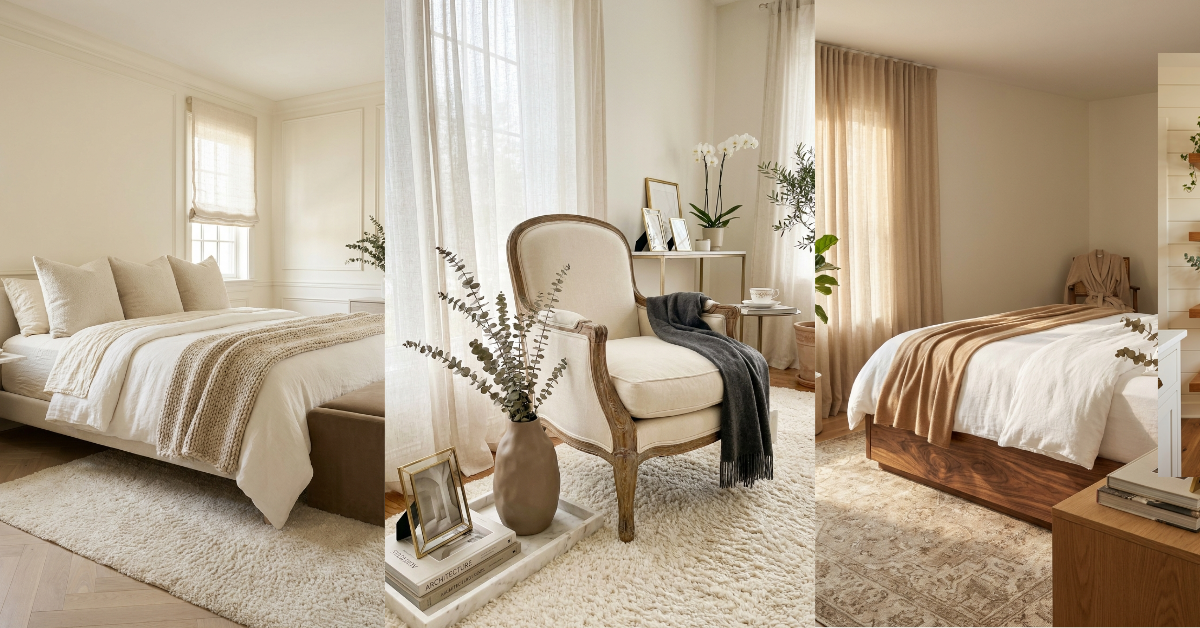
You know that feeling when you walk into a beautifully designed space and can’t quite put your finger on why it feels so expensive? That’s quiet luxury at work. It’s not about logos or trends or showing off. It’s about the weight of real linen curtains, the smooth coolness of marble under your fingertips, the way natural light catches on a brass lamp base. This is the aesthetic of people who have nothing to prove — the kind of restraint that only comes from genuine confidence. And here’s the best part: you don’t need an unlimited budget to capture this vibe. You just need to know what to look for. Quiet luxury is all about choosing fewer, better things. It’s about materials that age beautifully, silhouettes that never go out of style, and a color palette that makes you feel calm the second you step through the door. Let’s get into the 23 ideas that actually create this understated, effortlessly elegant look.
1. Invest in a Sculptural Sofa with Perfect Proportions
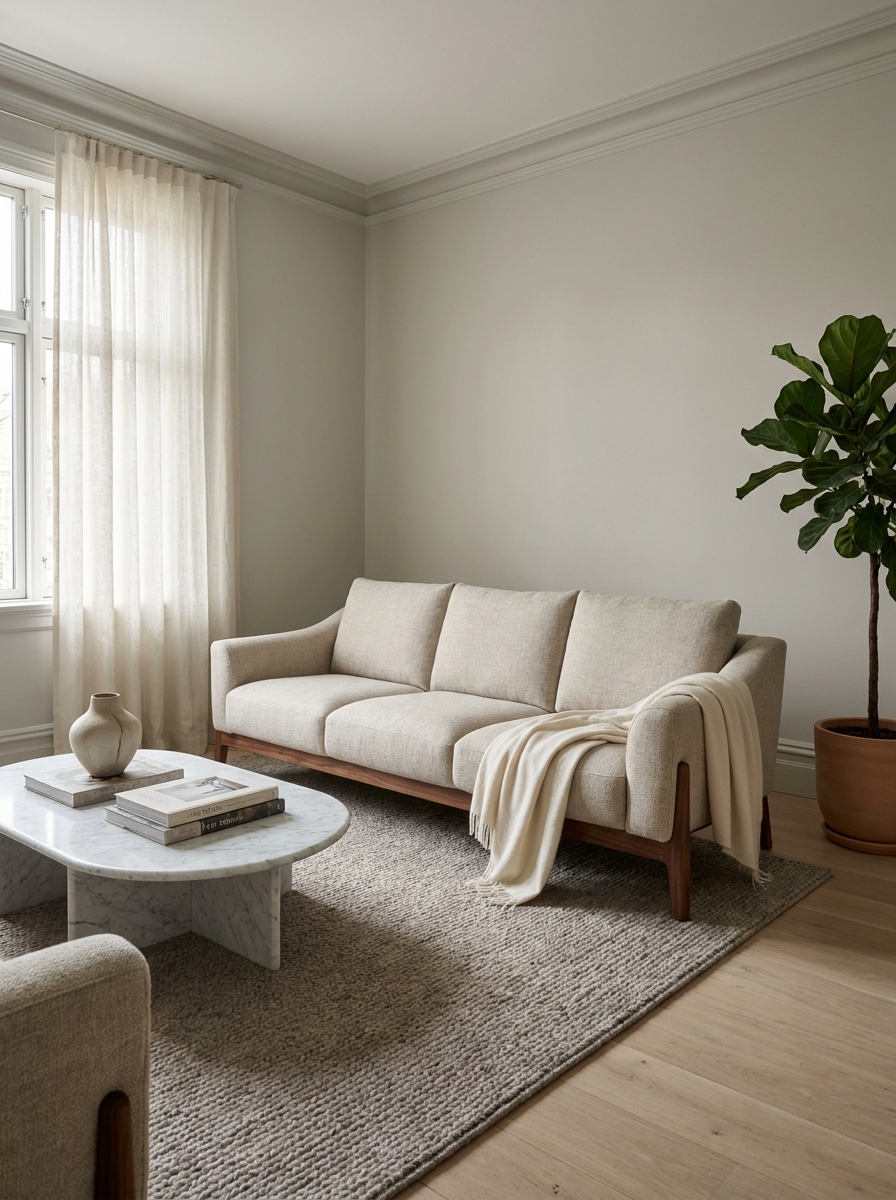
The sofa is where quiet luxury really announces itself — or rather, whispers. Forget overstuffed sectionals with too many cushions. What you want is clean lines, beautiful proportions, and a silhouette that looks like it could’ve been designed fifty years ago or yesterday.
Look for pieces upholstered in natural linen, bouclé, or high-quality leather that’ll develop a gorgeous patina over time. The frame should be solid wood, not particle board. You want something substantial enough that when you sit down, it feels grounded and well-made. Neutral tones work best here — think warm oatmeal, soft greige, or that perfect shade of camel that goes with absolutely everything.
And here’s what makes it truly luxurious: it’s a piece you’ll keep for twenty years. Not because you have to, but because you genuinely love it. That’s the whole point of this aesthetic. You’re building a home with things that matter, that last, that get better with age instead of looking tired after one season.
2. Layer Textures in a Tonal Palette
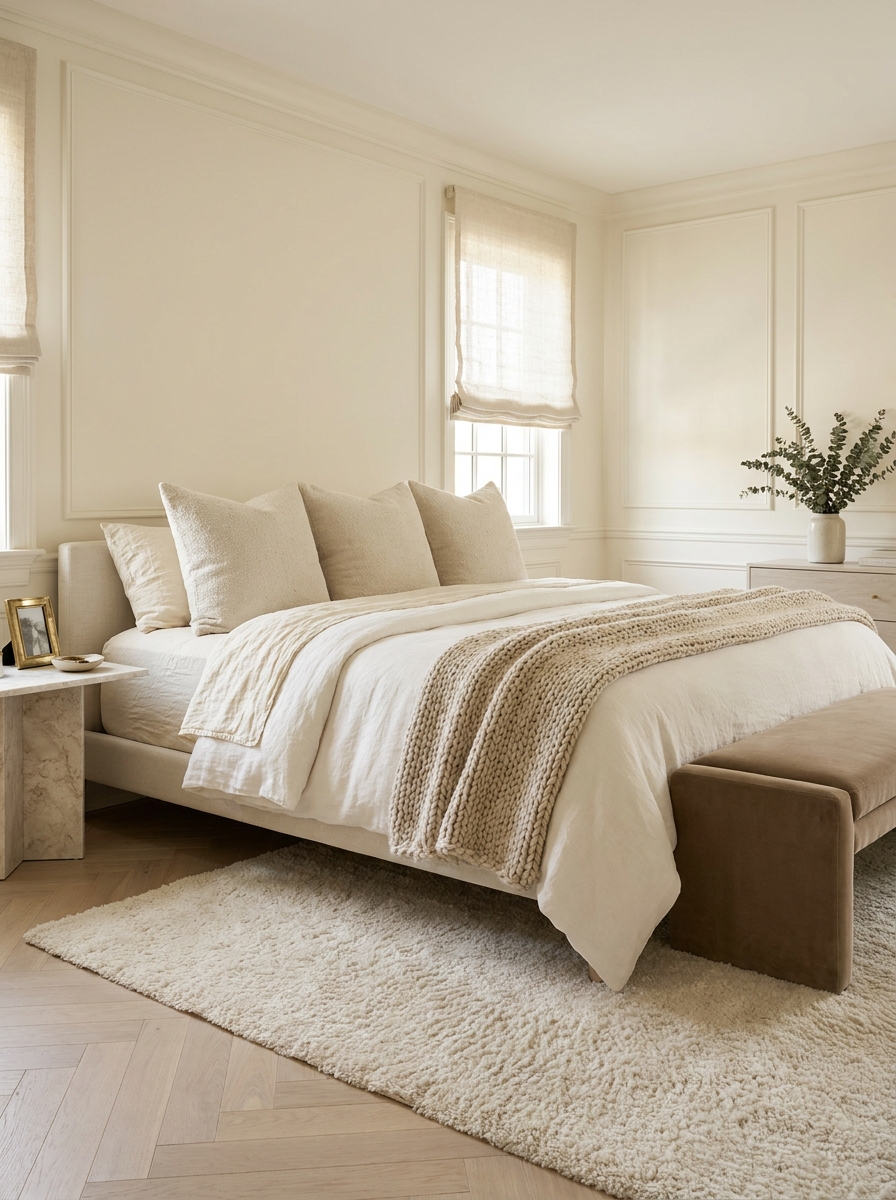
This is the secret that makes quiet luxury spaces feel so rich without any color at all. When you stick to one neutral color family — say, shades of cream and ivory — you need texture to create visual interest. Otherwise it all falls flat.
Think about combining smooth with nubby, soft with hard, matte with subtle sheen. A linen duvet cover against cotton percale sheets. A chunky knit throw on a velvet accent chair. A jute rug under a sleek glass table. Each material catches the light differently, and that’s what creates depth. Your eye moves around the room discovering new details instead of skating over a flat beige surface.
The beauty of working within one tonal range is that it forces you to really pay attention to quality. You can’t hide behind pattern or bright pops of color. Every piece has to earn its place based on how it feels and how well it’s made. And when you get it right? The room feels expensive in that quiet, confident way that never goes out of style.
3. Choose Architectural Lighting Over Trendy Fixtures
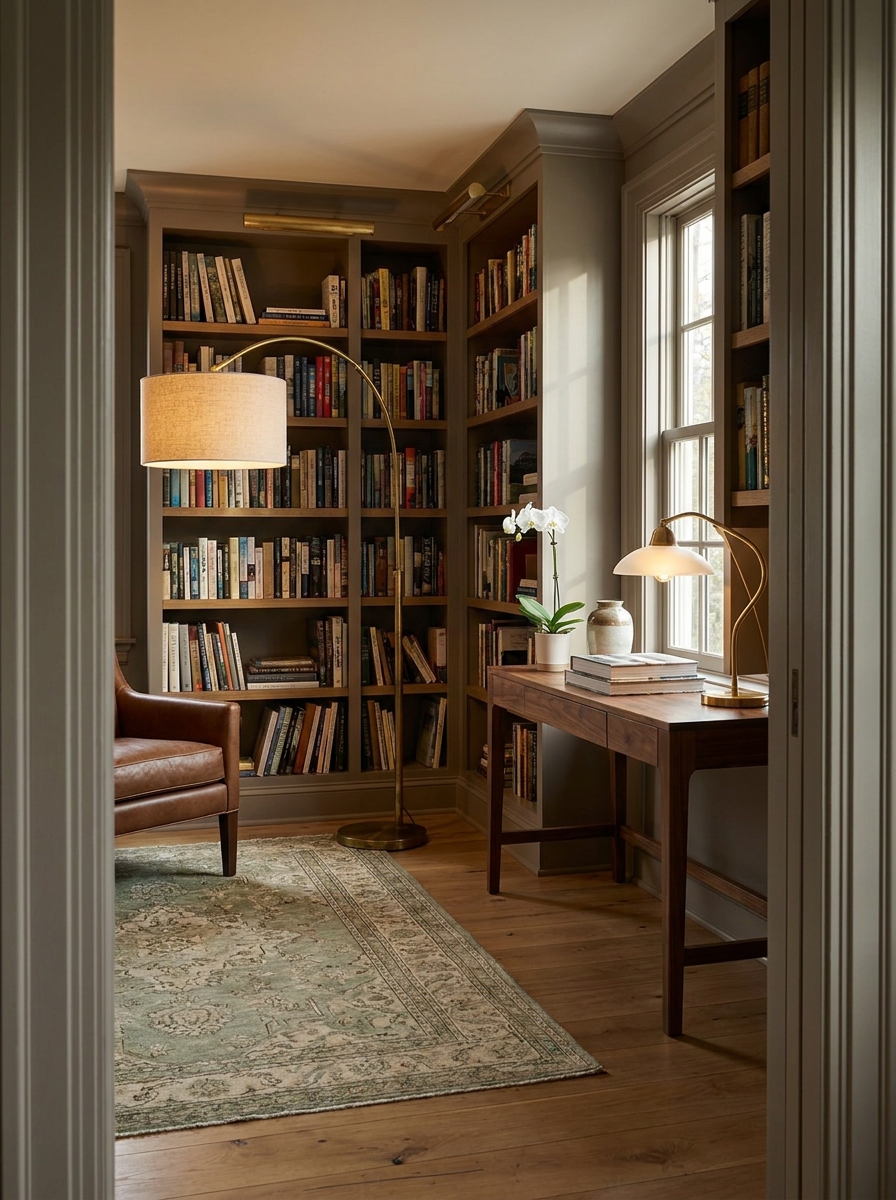
Lighting can make or break the quiet luxury vibe. What you’re going for is sculptural, timeless pieces that feel like they belong in the architecture of the room — not something that screams “I’m from 2024!”
Arched floor lamps with linen shades, oversized globe pendants in milk glass, sleek brass sconces that cast a warm glow on the walls. These are investment pieces that work in any decade. Avoid anything too ornate or obviously trendy. If it has geometric cutouts, exposed Edison bulbs, or a farmhouse-industrial hybrid vibe, it’s not quiet luxury.
What matters most is the quality of light these fixtures create. You want warm, diffused illumination that makes the room feel like it’s glowing from within. Dimmers are essential. Harsh overhead lighting is the enemy of this aesthetic. Instead, layer your lighting with table lamps, floor lamps, and sconces so you can adjust the mood throughout the day. The goal is to never walk into a room and think about the lighting — you should just feel good in the space.
4. Display Books as Curated Objects, Not Clutter
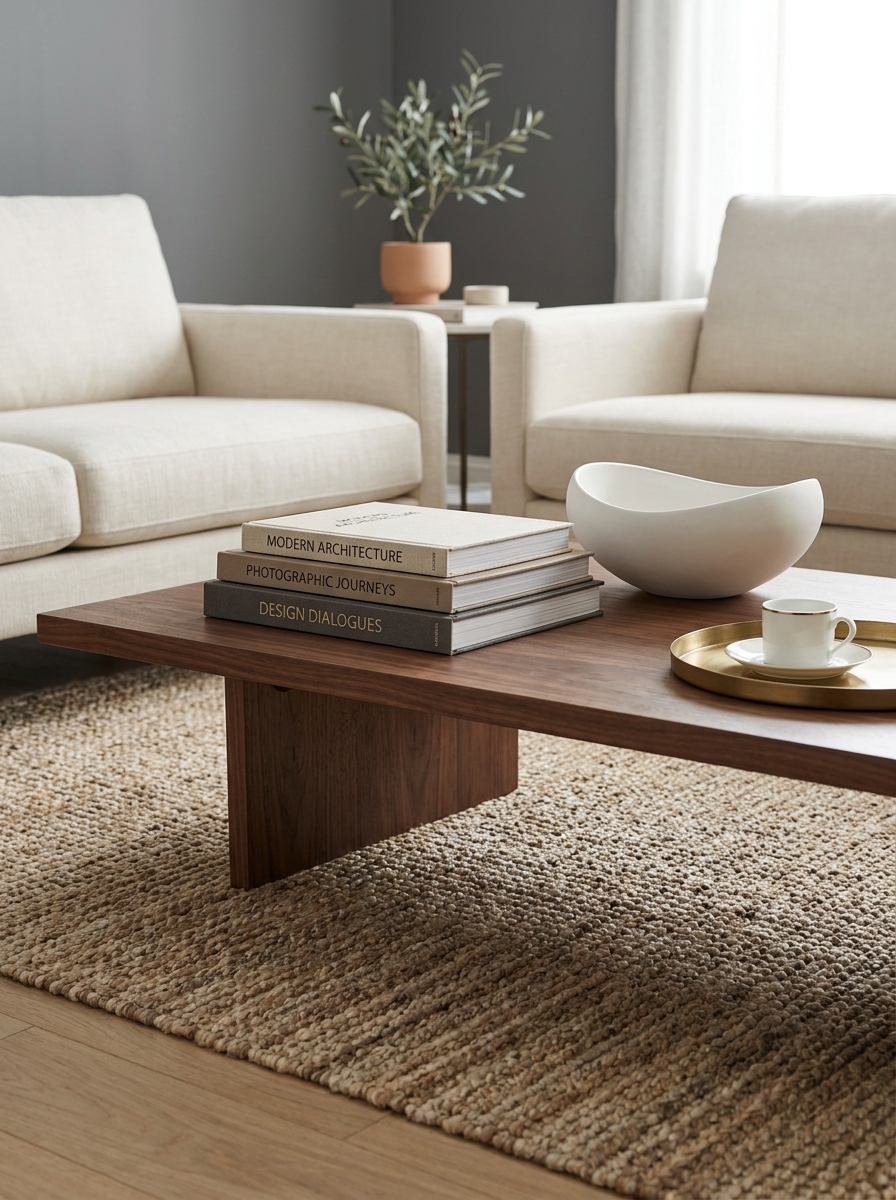
In quiet luxury spaces, books aren’t just something you read — they’re part of the design language. But there’s a difference between a thoughtfully styled bookshelf and a chaotic pile that looks like you’re hoarding paperbacks from the airport.
The key is curation. Keep only the books that are truly beautiful or meaningful. Oversized art and photography books, classic literature with elegant spines, monographs on architecture or design. Arrange them by color if you want that cohesive look, or mix horizontal stacks with vertical rows to create visual rhythm. Leave plenty of breathing room between groupings.
And here’s the thing — it’s okay to have some books just for display. Those gorgeous coffee table books with linen covers and gilded edges? They’re doing double duty as decor. Place a small stack on your nightstand, a few on the coffee table, a curated collection on open shelving. The room should feel like someone who values ideas and beauty lives there, not like you’re running a used bookstore. Less is always more when you’re going for that understated elegance.
5. Replace Hardware with Unlacquered Brass or Aged Bronze
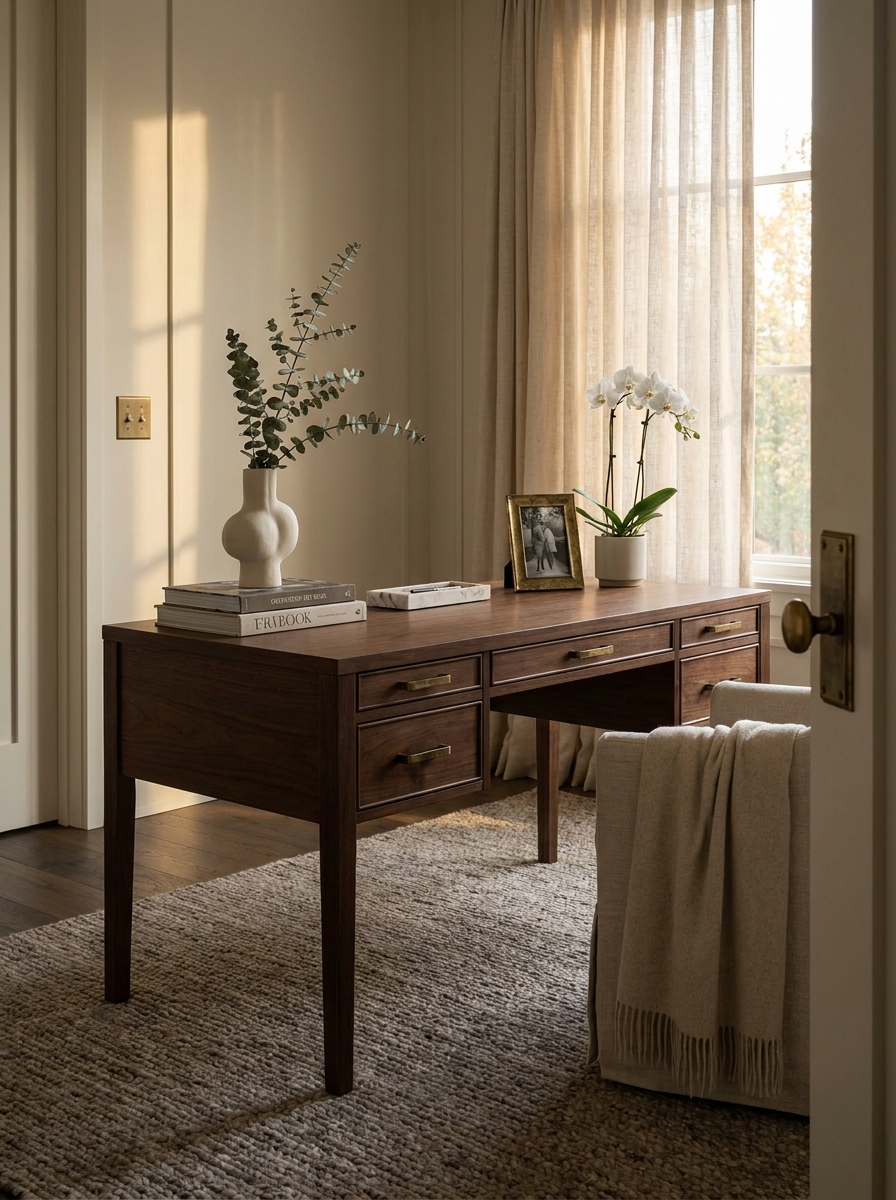
You know what instantly ages a room? Shiny chrome door handles and builder-grade cabinet pulls. I started swapping mine for unlacquered brass about three years ago, and honestly, I can’t believe I waited so long.
Unlacquered brass develops a patina over time. It darkens and shifts, creating this gorgeous lived-in quality that screams old money. Same with aged bronze or blackened steel. These finishes have depth and character that polished metals just don’t.
Start small if the whole house feels overwhelming. Switch out your bedroom door handles first, or just the cabinet pulls in your powder room. You’ll notice the difference immediately. The metal feels substantial in your hand. It catches light differently. And unlike trendy matte black that screams 2019, these classic finishes have been around for centuries.
The beauty is in how they age with you. Every fingerprint, every opening and closing adds to their story. That’s quiet luxury right there.
6. Incorporate One Statement Antique or Vintage Piece
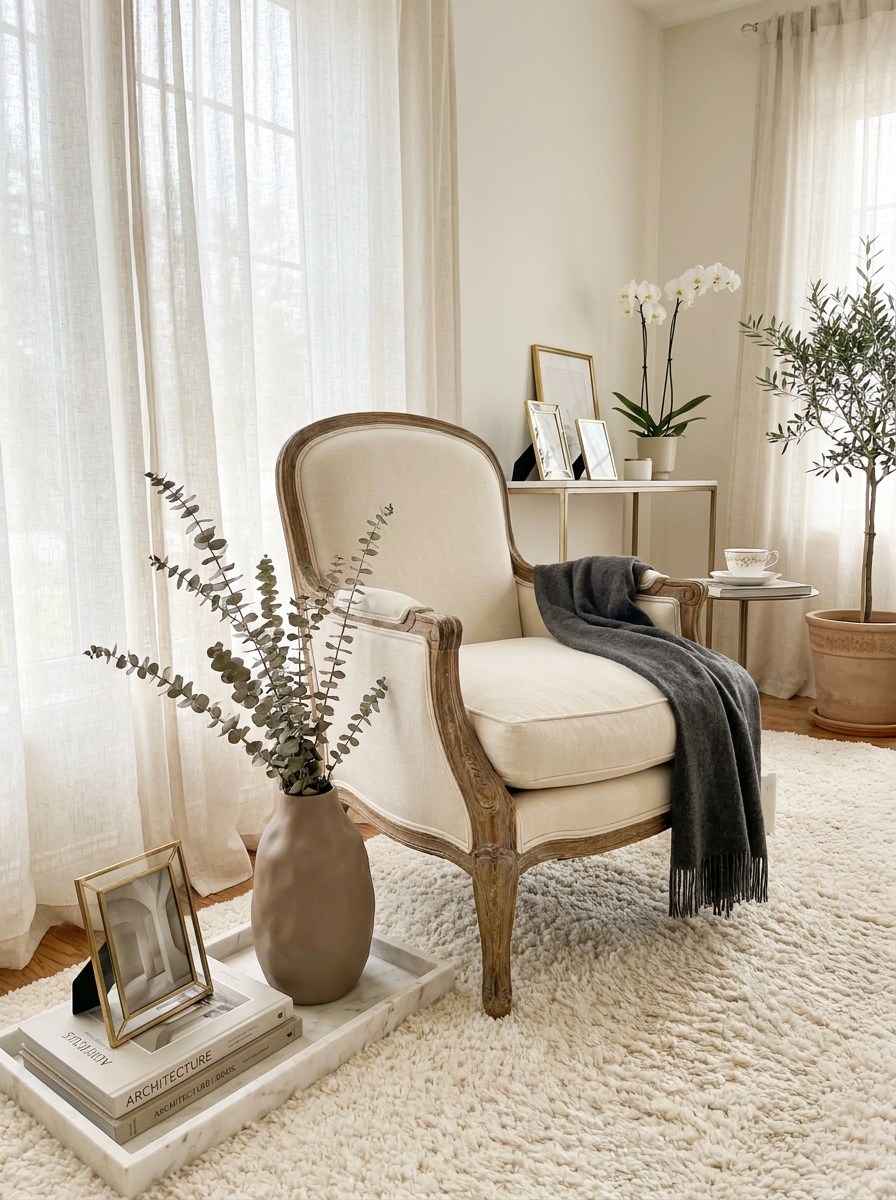
Here’s the thing about rooms that feel expensive: they have history. Not Pinterest-board history, but actual time embedded in them. One carefully chosen vintage piece does more for a space than a dozen new items ever could.
I’m not talking about filling your house with grandma’s entire estate. I mean one really good piece. A French bergère chair reupholstered in Belgian linen. An antique oak dining table with the kind of patina you can’t fake. A vintage Persian runner in those faded, sun-washed tones that only decades can create.
These pieces ground a room. They add weight and soul. And honestly? They’re often better made than anything you can buy new today. The joinery, the wood quality, the craftsmanship—it’s just different.
Mix it with your modern pieces and suddenly everything feels more collected, less catalog. It tells people you value provenance over trends. You’re building a home, not staging one.
7. Frame Art with Wide Mats and Minimal Frames
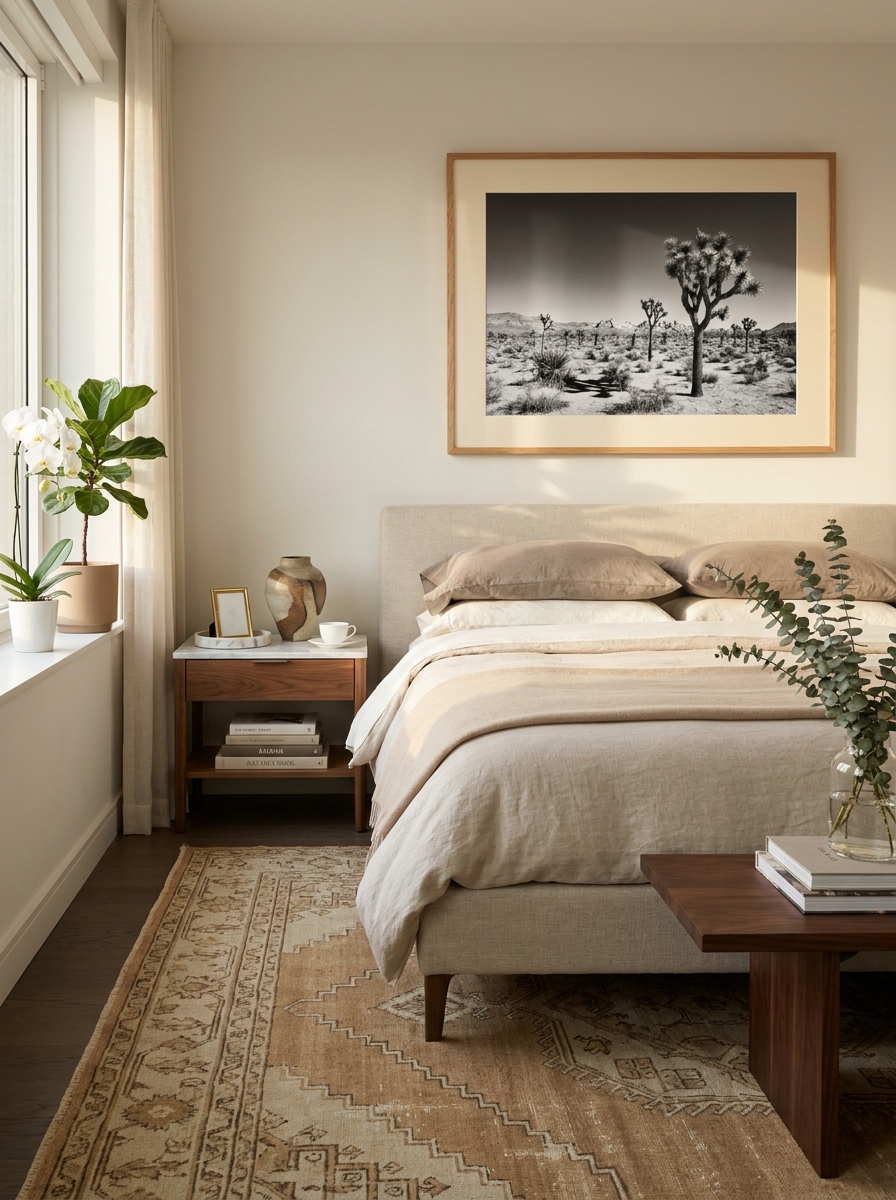
I see so many people buy beautiful art and then frame it like they’re trying to save money. Thin mats, bargain frames, no breathing room. It completely kills the impact.
Quiet luxury is all about giving things space. Wide mats—like really wide, three to four inches minimum—create breathing room around your art. They make even a small print feel important and considered. And the frame? Keep it simple. Thin profile wood in natural oak or walnut, or a slim brass frame if you’re feeling a bit more dressed up.
The mat color matters too. Bright white can feel harsh. Go for warm whites, soft creams, or even a subtle greige. These tones feel richer and more sophisticated.
This approach works for photographs, prints, even your kids’ drawings if you want to display them. The generous matting elevates everything. It’s the difference between looking like you grabbed something at HomeGoods versus having it custom framed at a gallery.
8. Install Floor-to-Ceiling Sheer Linen Curtains
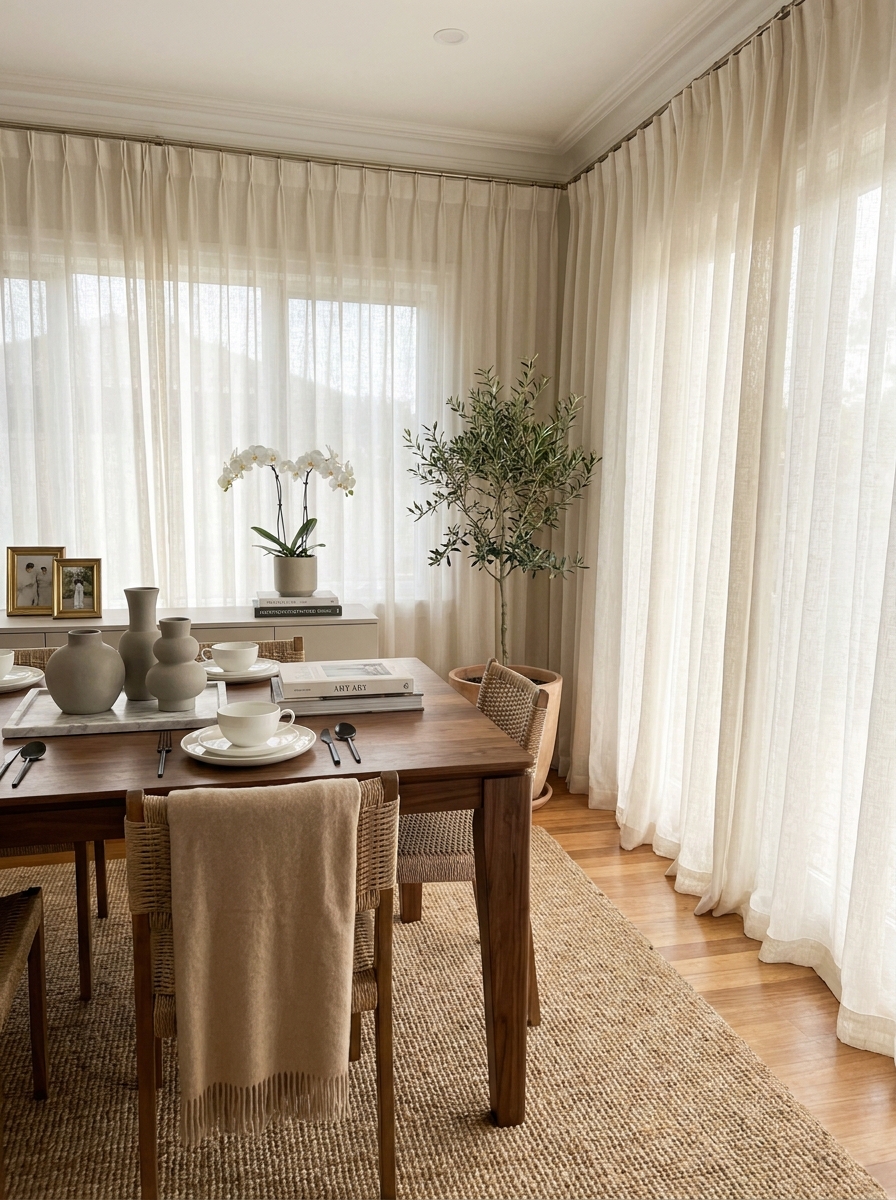
Nothing—and I mean nothing—transforms a room faster than proper curtains. Not the kind that hang halfway down the wall or puddle on the floor like a prom dress. I’m talking about floor-to-ceiling sheer linen panels that skim the ground with just a whisper of fabric.
Mount your rod as close to the ceiling as possible, even if your windows are standard height. This draws the eye up and makes your ceilings feel taller. The sheers filter light beautifully without blocking it completely, creating this soft, expensive glow all day long.
Linen is key here. It has texture and weight that polyester “linen-look” fabric will never match. It wrinkles naturally, and that’s the point. Those gentle creases add movement and authenticity. They prove you chose quality over convenience.
I installed mine in my bedroom last year and now I wake up to this dreamy filtered light instead of harsh morning sun. It completely changed the mood of the space.
9. Opt for Solid Wood Furniture with Visible Grain
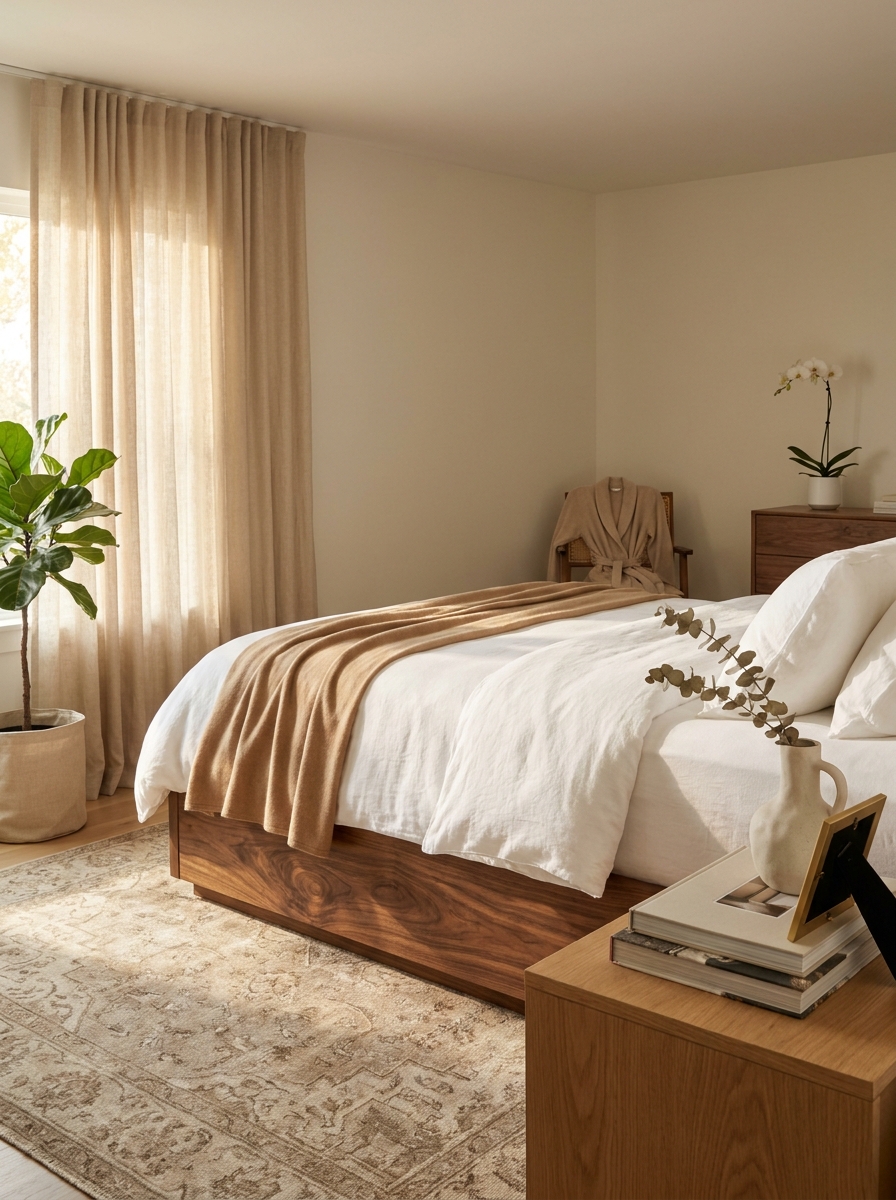
There’s something about real wood that just feels rich. Not veneer, not laminate—actual solid wood with grain you can see and feel.
I switched out my pressed-wood nightstand for a simple oak one last year, and honestly? The room feels completely different. The weight of it, the way light catches those natural lines—it’s the kind of thing you notice every single day. Walnut, oak, teak, maple. These woods age beautifully and they carry this quiet confidence that screams quality without saying a word.
Quiet luxury is all about materials that get better with time. A solid wood dresser might cost more upfront, but it’s the kind of piece your grandkids will fight over someday. Look for minimal design—let the wood itself be the star. Simple lines, honest construction, beautiful grain. That’s it. No fancy details needed when the material is this good.
10. Create Symmetry in Your Room Layout
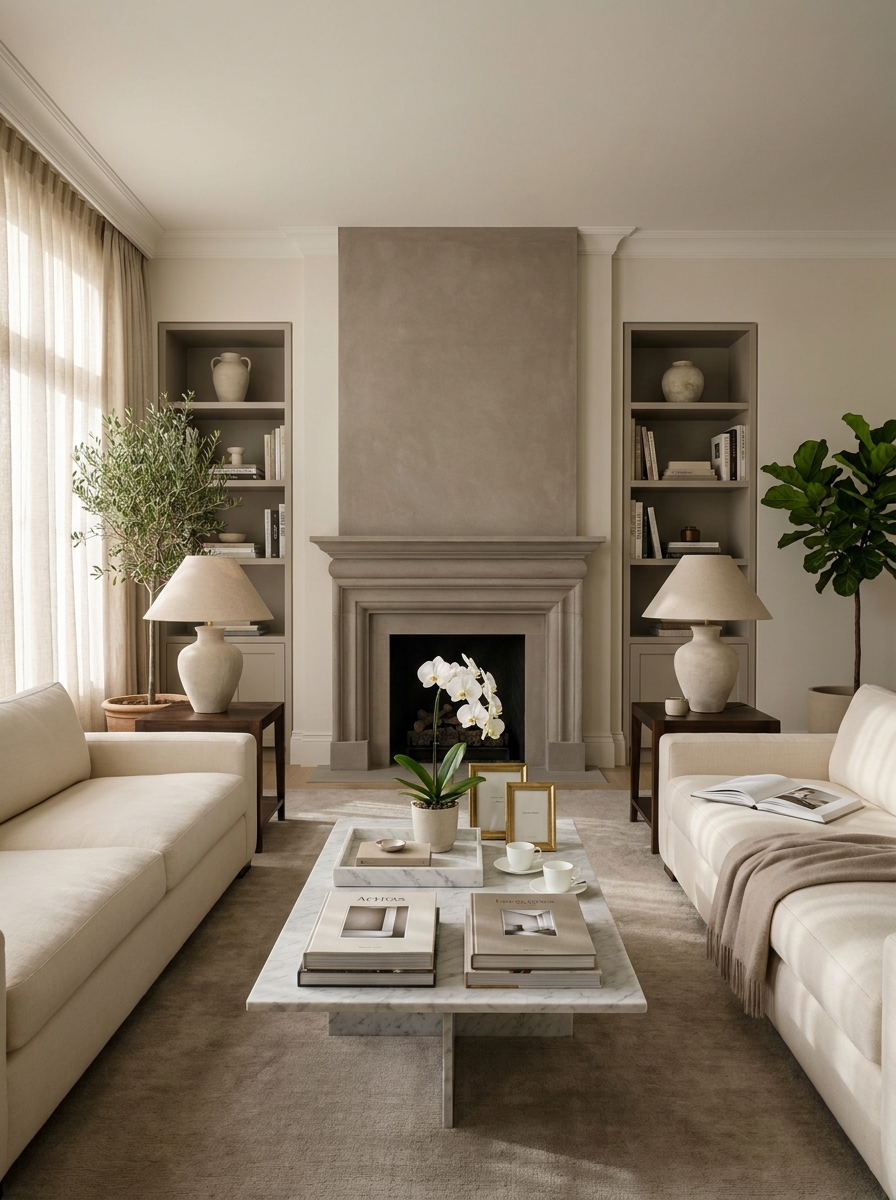
Symmetry is one of those design secrets that makes spaces feel instantly more expensive. It’s orderly without being boring. Calm without being cold.
Think about fancy hotels or those gorgeous European apartments—there’s almost always a symmetrical moment happening. Two matching lamps flanking a sofa. A centered bed with identical nightstands. A pair of chairs facing each other. It creates this really pleasing visual balance that feels intentional and thought-out.
You don’t need to make everything matchy-matchy (that can feel stuffy), but introducing symmetry in one key area grounds the whole room. I did this in my living room with two simple ceramic table lamps on either side of the sofa, and suddenly the space felt so much more pulled-together. It’s like the room exhales. Symmetry whispers good breeding and thoughtful design—very quiet luxury.
11. Invest in One Really Good Rug
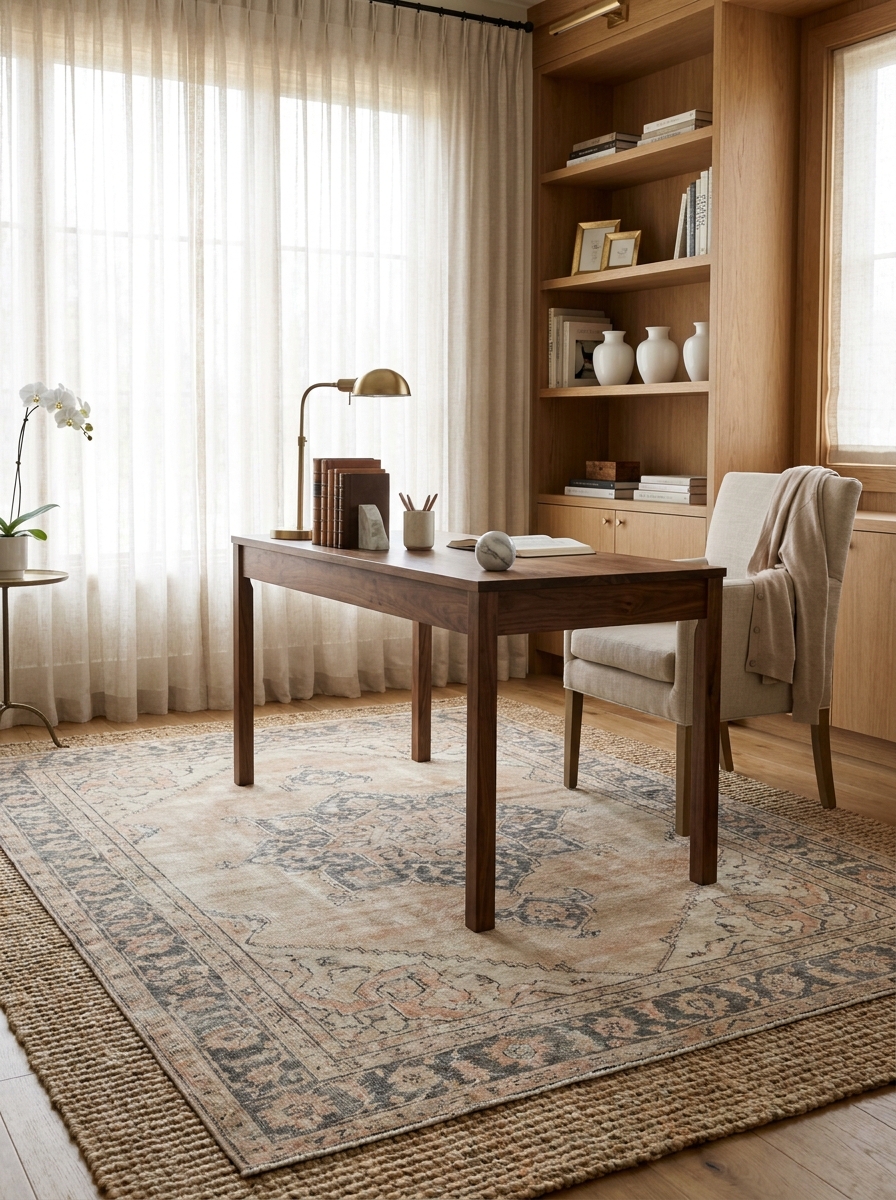
A cheap rug will cheapen your entire room. A beautiful rug? It makes everything else look more expensive.
I’m talking hand-knotted, natural fibers, something with actual weight and presence. Whether it’s a vintage Persian in those gorgeous faded tones or a thick wool rug in solid cream, a quality rug anchors everything. It’s the foundation—literally—of your whole design.
Here’s what I’ve learned: a good rug feels substantial underfoot. It doesn’t slip around or bunch up. The colors are rich and complex, not flat. And honestly? It’s one of those things guests notice, even if they don’t realize they’re noticing. I saved up for a beautiful wool rug two years ago and I still get compliments on it. It set the tone for the entire room and made all my other furniture look better by association.
12. Embrace Negative Space as a Design Element
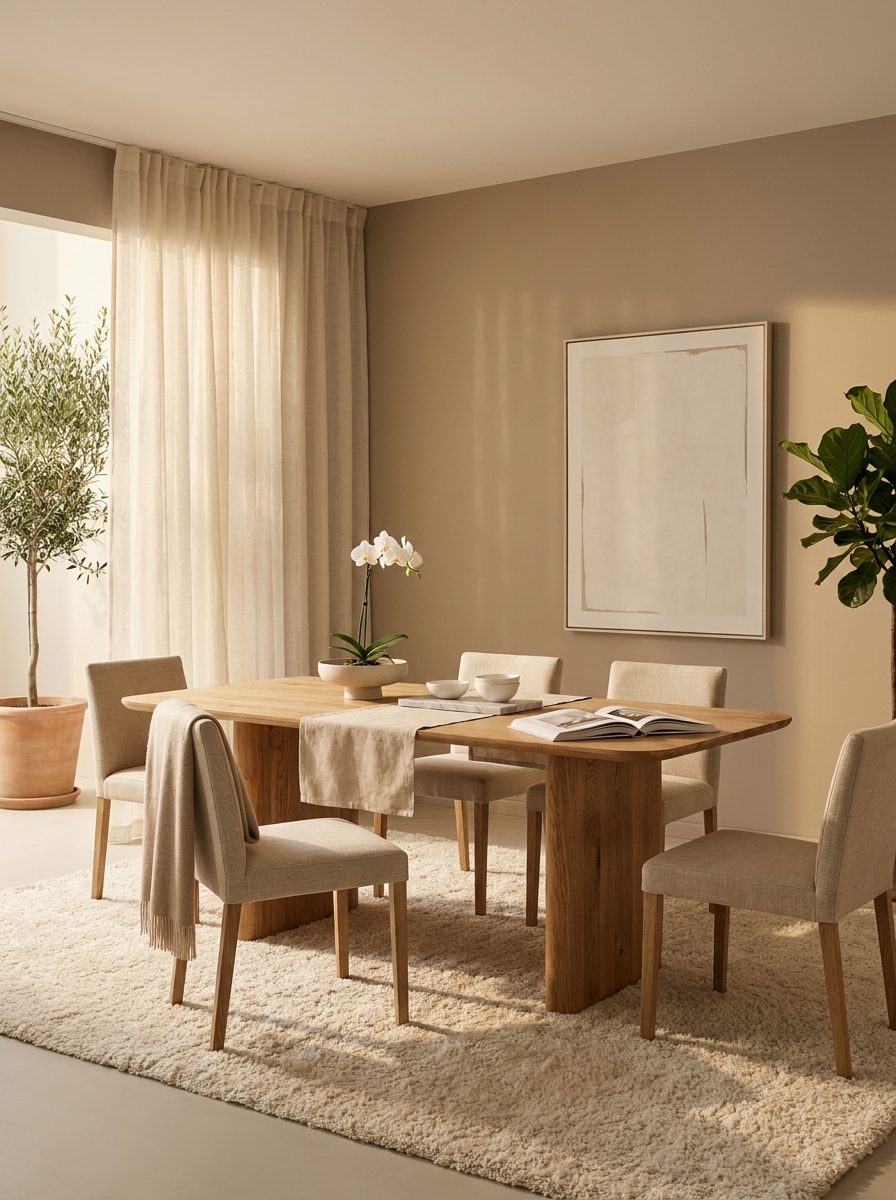
This one’s hard for a lot of us. We want to fill every corner, style every surface. But real luxury? It breathes.
Negative space—the empty areas in a room—is what makes expensive design feel expensive. It’s the pause between beautiful objects. The unmarked wall. The clear countertop. It lets your eye rest and makes each piece you DO have feel more important.
I used to crowd my shelves with everything I owned. Now I leave whole sections empty, and suddenly the few things I display look like museum pieces. One beautiful vase gets more attention than five okay ones crammed together. Quiet luxury is about curation and restraint. It’s having the confidence to leave space unfilled because you don’t need to prove anything. Less really is more when what remains is truly special.
13. Use Plaster or Lime-Washed Walls Instead of Flat Paint
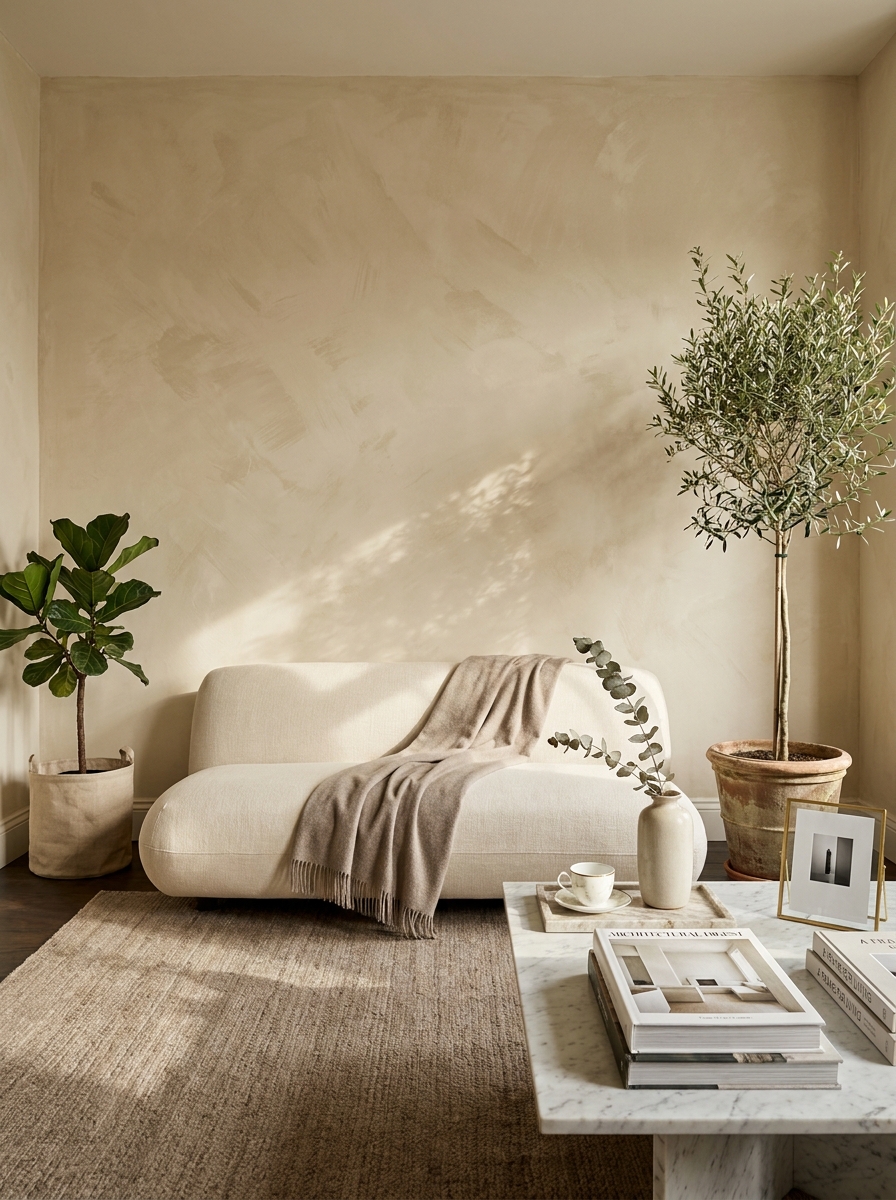
Flat paint is fine. But plaster walls? They whisper old-world elegance.
There’s something about the subtle texture and depth of a lime-washed or Venetian plaster wall that just can’t be replicated with regular paint. It catches light differently throughout the day, creating this living, breathing quality that feels collected over time. The slight variations in tone and the gentle texture add warmth without pattern or color. It’s the kind of finish you see in centuries-old European estates and impossibly chic Parisian apartments.
You don’t need to plaster every wall in your home. Even one accent wall or a single room makes a stunning impact. The beauty is in the imperfection—those organic variations that make it feel authentic and expensive. It’s quiet, it’s sophisticated, and it never goes out of style. Plus, it makes everything you place against it look better. Your furniture, your art, even your lighting takes on a richer quality against that textured backdrop.
14. Switch to Linen or Cotton Bedding in Neutral Tones
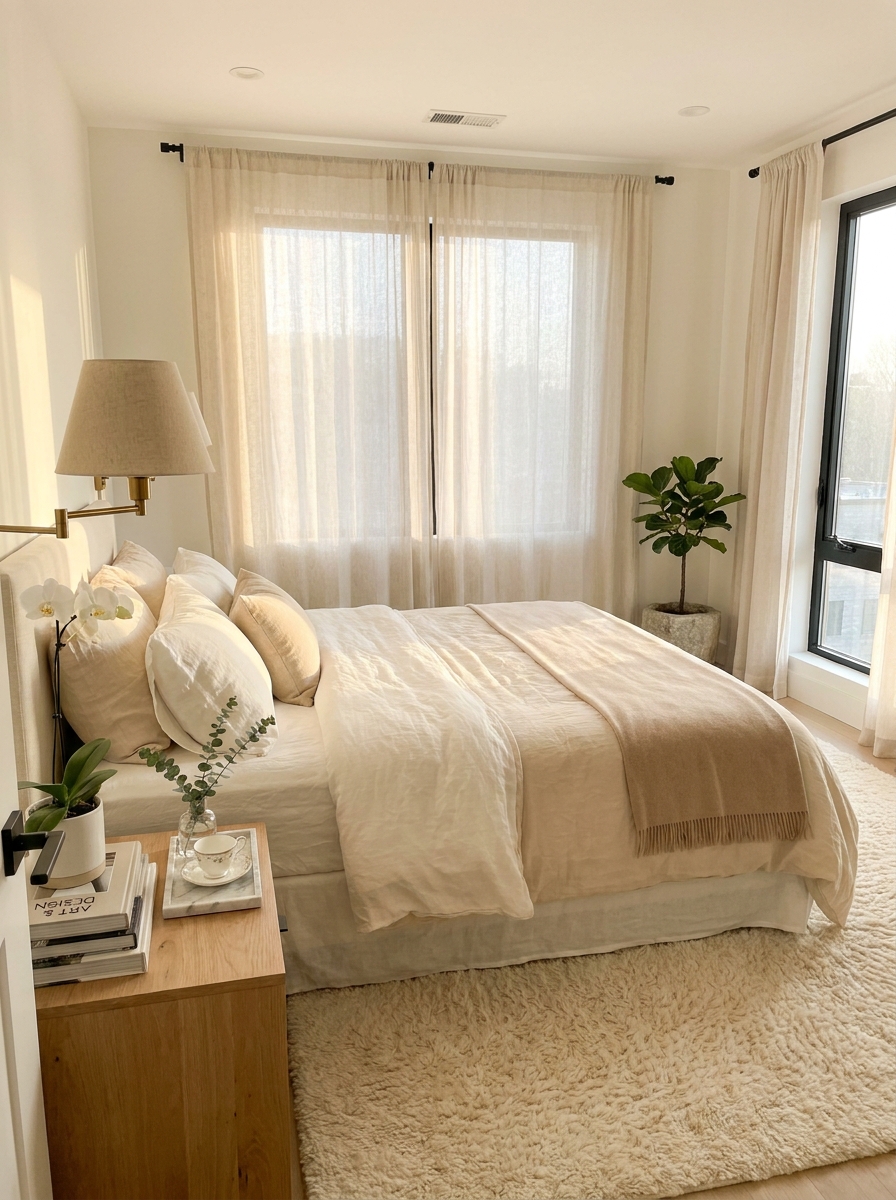
If you’re still sleeping on polyester-blend sheets, we need to talk.
Linen and high-quality cotton bedding is one of those upgrades that changes your entire bedroom vibe instantly. It’s not about thread count wars or fancy labels. It’s about that lived-in, perfectly rumpled, expensive-hotel look that feels effortless. Natural fibers breathe, they age beautifully, and they have this relaxed elegance that synthetic fabrics just can’t touch.
Stick with neutral tones—ivory, warm white, oatmeal, soft gray. These shades feel timeless and sophisticated, and they make your bed look like it belongs in a design magazine without trying too hard. The beauty of quality linen is how it wrinkles in that enviably casual way. Don’t iron it to death. Let it be imperfect. That’s the whole point. Layer different textures—a linen duvet, cotton sheets, maybe a cashmere throw at the foot. It’s sensory luxury that you interact with every single day.
15. Display Fresh Flowers or Greenery in Simple Vessels
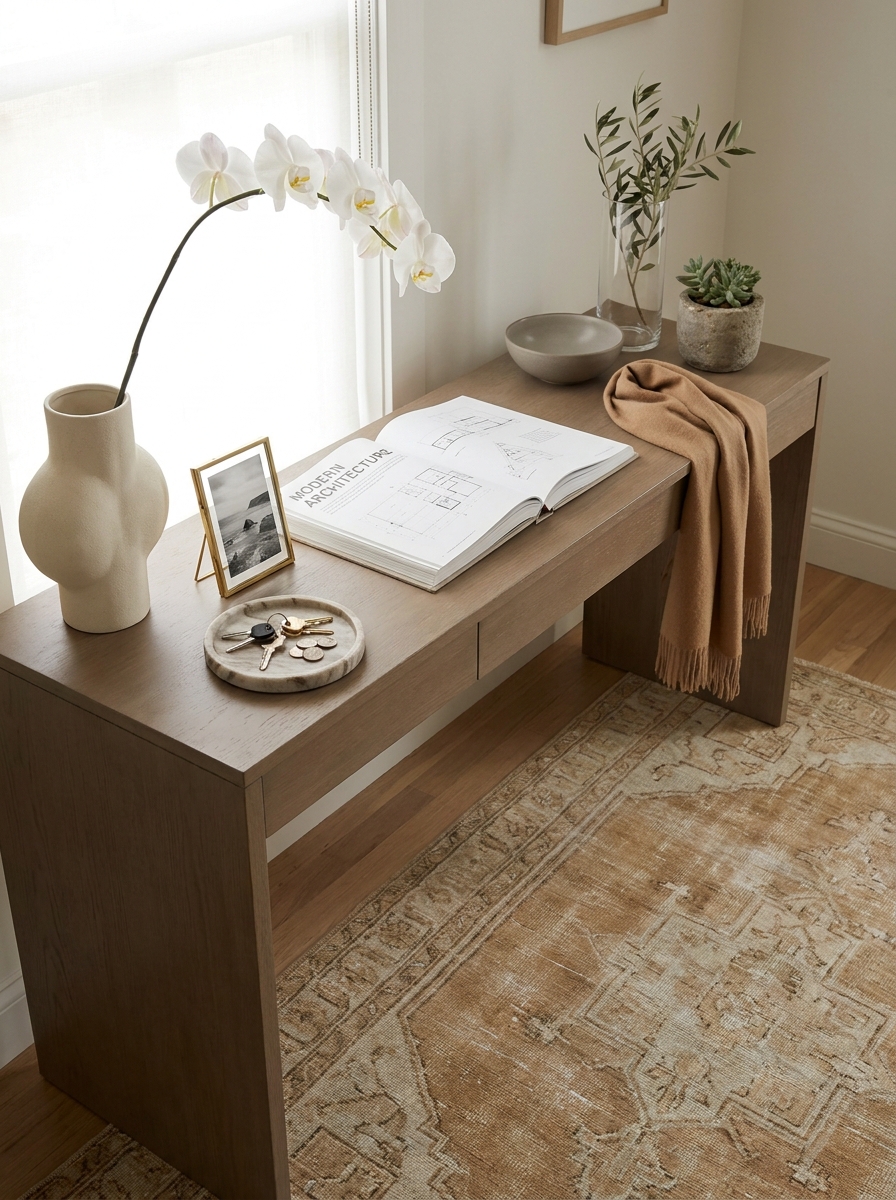
Forget the fussy floral arrangements. Quiet luxury is about restraint, even with flowers.
A single stem in a beautiful ceramic vase says more than a crowded bouquet ever could. Think white orchids, olive branches, eucalyptus stems, or even one perfect garden rose. The vessel matters as much as what’s in it—look for sculptural ceramics, vintage glass, or simple stoneware in neutral tones. Nothing overly decorative or colorful. The arrangement should feel like you casually clipped something from your garden, not like you’re hosting a wedding.
Greenery works even better if you’re not a fresh-flower person. A potted olive tree, a fiddle leaf fig, or preserved eucalyptus adds life and softness without the maintenance. It’s that organic element that keeps a minimalist space from feeling cold. Place it thoughtfully—on a console table, a kitchen island, your nightstand. Just one or two well-chosen spots. The key is to keep it simple and let the natural beauty speak for itself.
16. Choose Oversized Art in Simple Frames
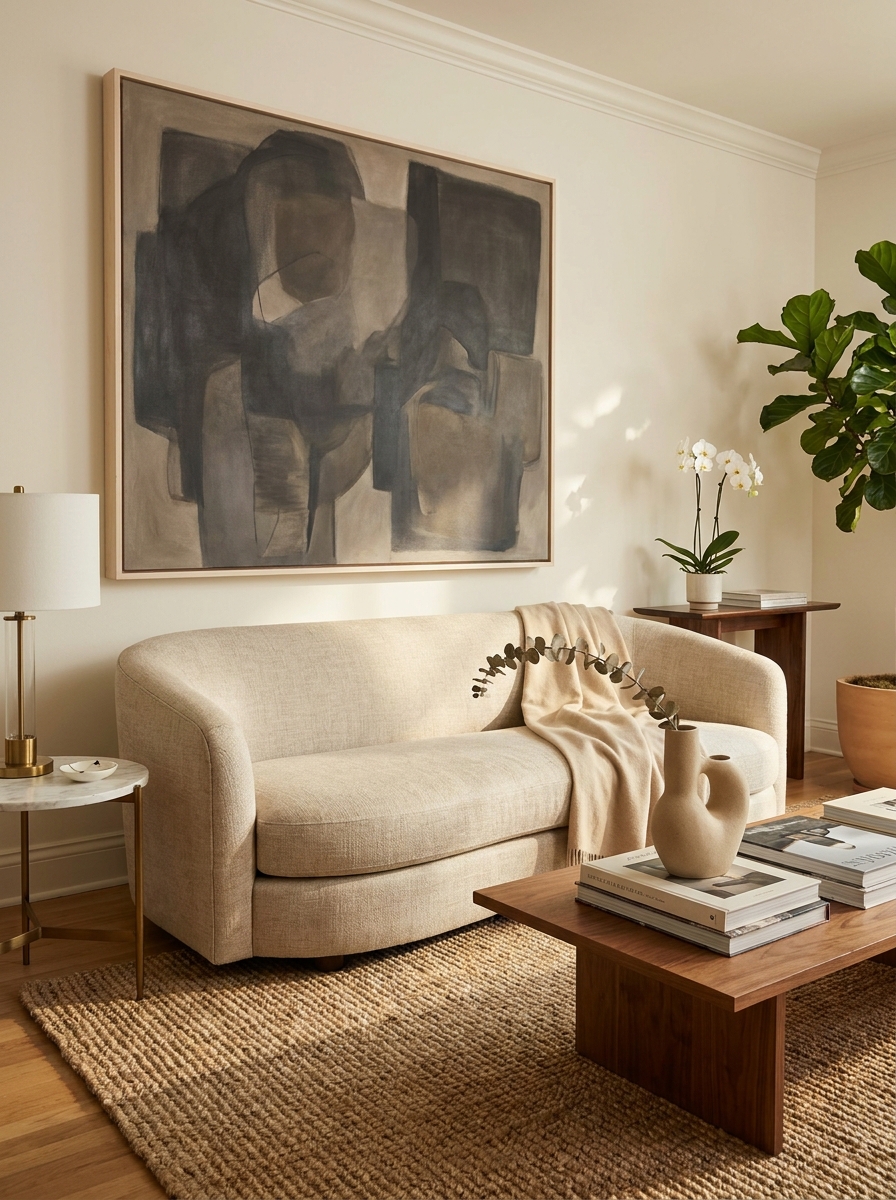
Small, scattered art makes a room feel cluttered. One large, beautiful piece makes it feel intentional.
Quiet luxury loves scale. An oversized piece of art—whether it’s an abstract painting, a black-and-white photograph, or even a simple line drawing—commands attention without shouting. It anchors the room and gives your eye a place to rest. The key is pairing it with a simple, minimal frame. Think thin black metal, natural wood, or even no frame at all for a gallery-wrapped canvas. Nothing ornate or distracting from the art itself.
You don’t need to spend thousands on original art, though if you can, do it. But even affordable prints look expensive when they’re large, well-framed, and thoughtfully placed. Hang it at the right height (center should be at eye level), and make sure it has breathing room. Don’t crowd it with other pieces or furniture pushed right up against it. Let it be the statement. That restraint is what makes it feel luxurious.
17. Replace Overhead Lighting with Multiple Lamps at Different Heights
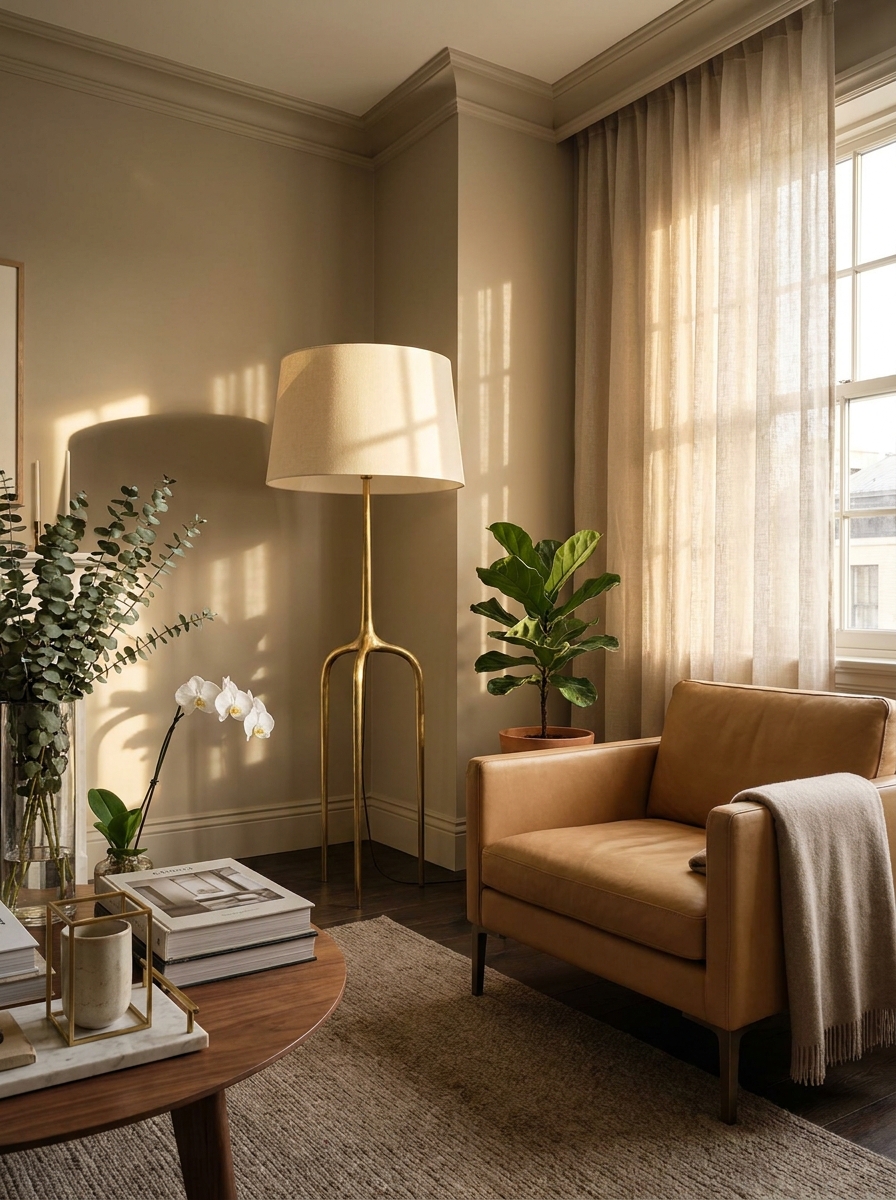
Overhead lighting screams builder-grade. Quiet luxury is all about layered, intentional light that creates warmth and dimension.
Instead of relying on one harsh ceiling fixture, think like a lighting designer. Place lamps at different heights throughout the room—a tall floor lamp near your reading chair, a sculptural table lamp on your console, a pair of bedside lamps with linen shades. This creates pools of light that feel inviting and considered.
The key is choosing lamps that look like furniture, not accessories. Look for solid brass bases, sculptural ceramic forms, or architectural designs in natural materials. The shades should be linen or cotton, never shiny or trendy. When you turn them on in the evening, your room should glow from multiple sources, not blast from above. It’s the difference between a hotel lobby and a luxury suite.
18. Select Furniture with Exposed Legs, Not Skirted Pieces
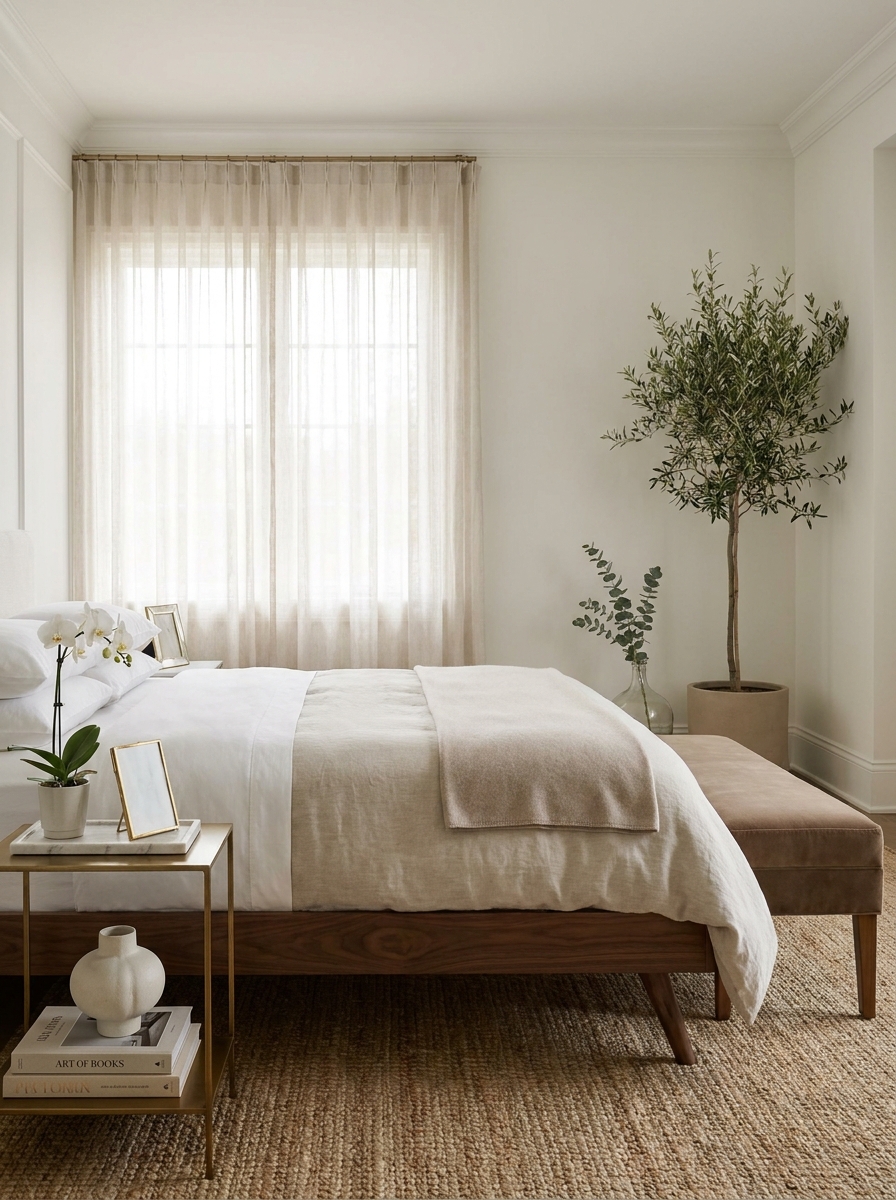
Skirted furniture hides what makes a piece beautiful—the craftsmanship, the proportions, the materials. Quiet luxury is about showing, not concealing.
Choose sofas, chairs, and beds with visible legs. Whether it’s turned wood, tapered brass, or clean modern supports, exposed legs give furniture a sense of quality and intention. They also make rooms feel more spacious because you can see the floor beneath.
This goes for storage too. A credenza on slim legs looks infinitely more expensive than a blocky cabinet sitting flat on the ground. Even your bed—opt for a frame with a visible base rather than one that drops to the floor. It’s a small shift that makes everything feel lighter, more curated, and decidedly more luxurious. Furniture should look like it’s floating just slightly, not planted heavily.
19. Use Trays to Contain and Elevate Everyday Items
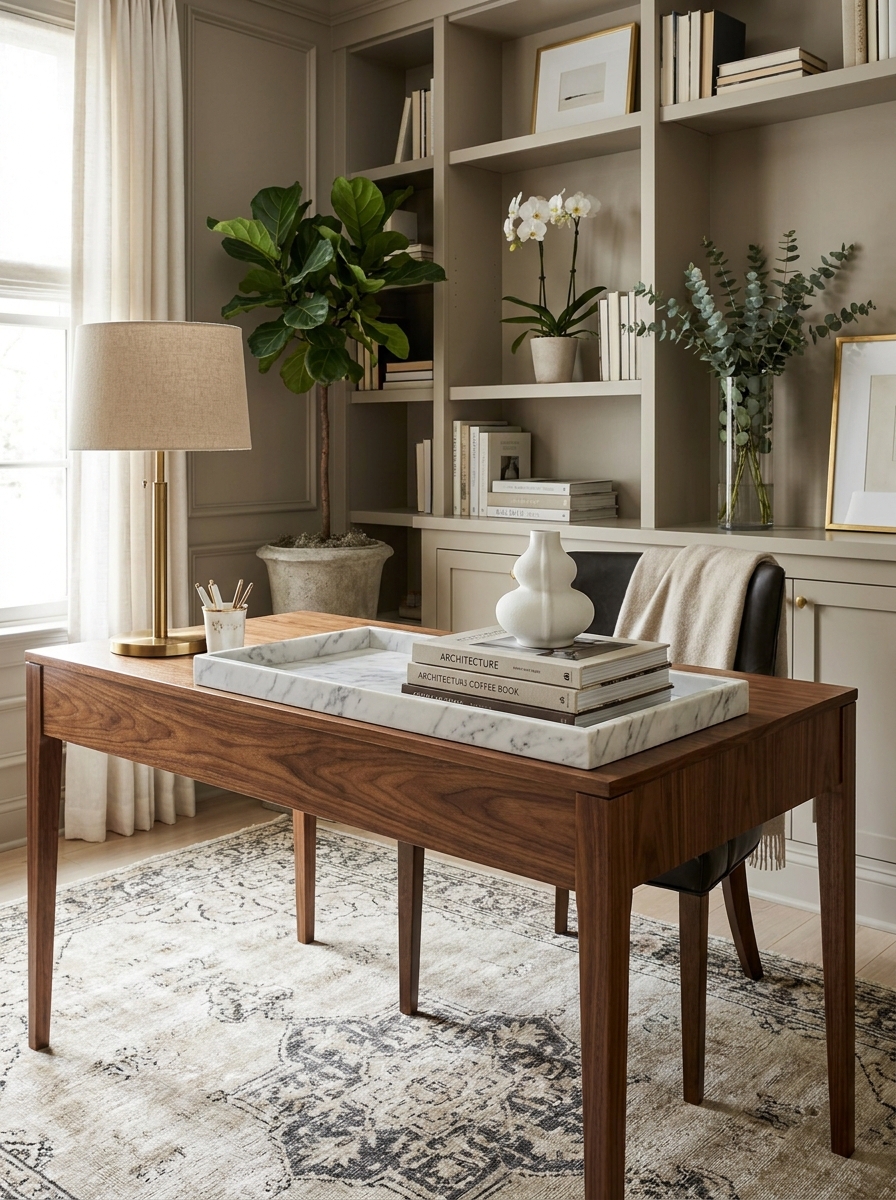
Here’s the thing about luxury—it’s not about having fewer things. It’s about making everything look intentional. And trays are your secret weapon.
A beautiful tray instantly transforms random items into a curated moment. Your coffee table remotes? Corralled on a marble tray. Your bathroom countertop essentials? Elevated on a brass tray. Even your nightstand—a small tray turns your book, glass of water, and hand cream into a styled vignette.
Choose trays in natural materials like marble, wood with visible grain, brass, or ceramic. The tray itself should be beautiful enough to display empty. Then use it to group items by purpose or look. Suddenly your everyday stuff doesn’t look like clutter—it looks expensive and considered. It’s the kind of detail that separates a room that looks decorated from one that looks designed.
20. Invest in Custom or Semi-Custom Window Treatments
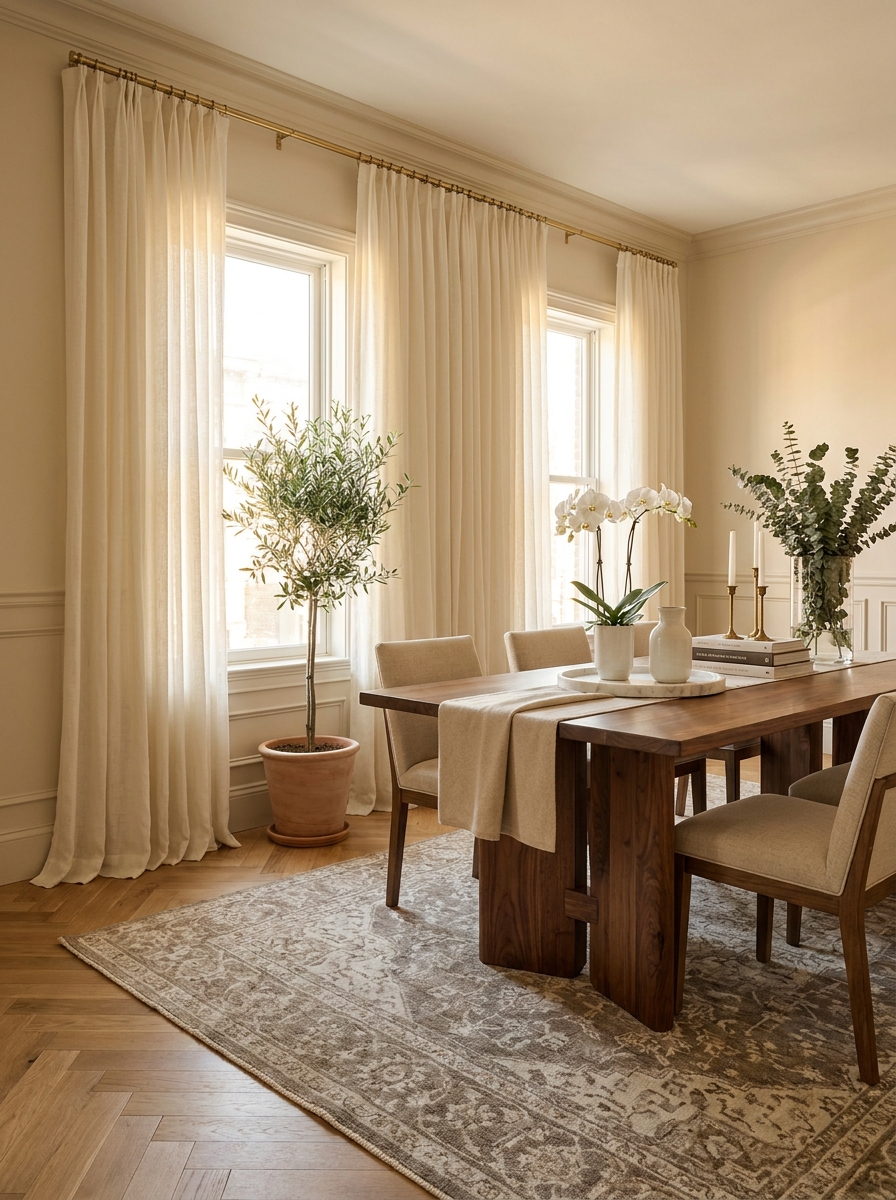
Nothing says budget decorating quite like off-the-rack curtains that don’t reach the floor. Custom window treatments are one of the biggest luxury signals in a room.
You don’t need wildly expensive fabric—simple linen or cotton works beautifully. What matters is the fit and the installation. Your curtains should be hung high (almost to the ceiling) and wide (extending well beyond the window frame). They should puddle slightly on the floor or just kiss it. The fabric should have enough fullness to create soft folds, not stretched-tight panels.
If full custom feels out of reach, many companies now offer semi-custom options where you choose fabric and they make them to your measurements. It’s worth every penny. Proper window treatments frame your view, soften hard architecture, and make ceilings feel taller. They’re the difference between a room that looks finished and one that looks expensive.
21. Replace Trendy Mirrors with Architectural Ones
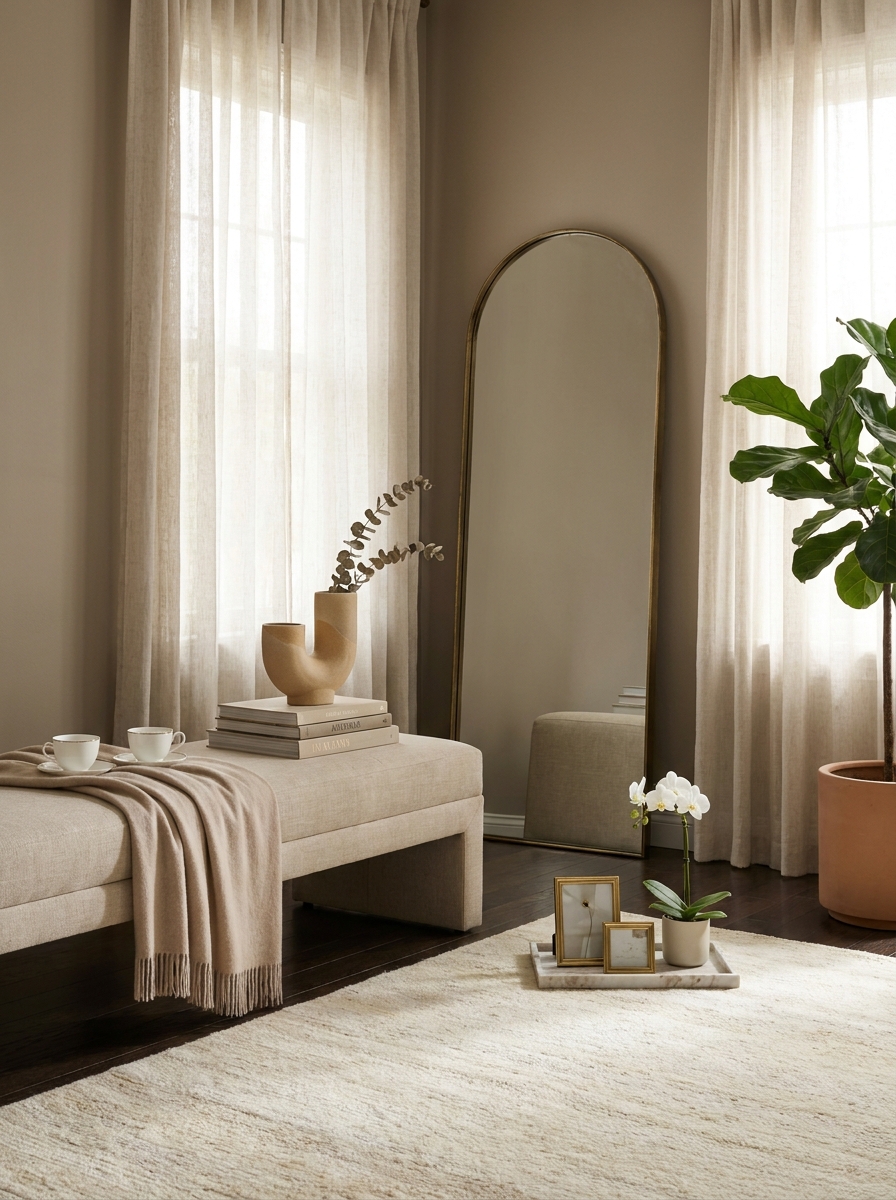
You know what screams quiet luxury? A mirror that looks like it’s been there for decades. I’m talking about architectural mirrors with simple frames in aged brass, natural wood, or even no frame at all—just a beautiful beveled edge.
Forget those trendy sunburst mirrors or anything that feels too moment-specific. Instead, look for oversized rectangles, arched shapes that echo old European windows, or circular mirrors with minimal frames. The key is proportion and placement. A really good mirror should feel like part of the architecture, not a decorative afterthought.
I love leaning a large floor mirror against a wall in the bedroom or hanging an arched one above a console table. The reflection adds light and space without screaming for attention. And here’s the thing—when you invest in a timeless mirror, it works in every room you’ll ever live in. That’s the kind of longevity quiet luxury is all about.
22. Choose Upholstery in Natural, Undyed Fabrics
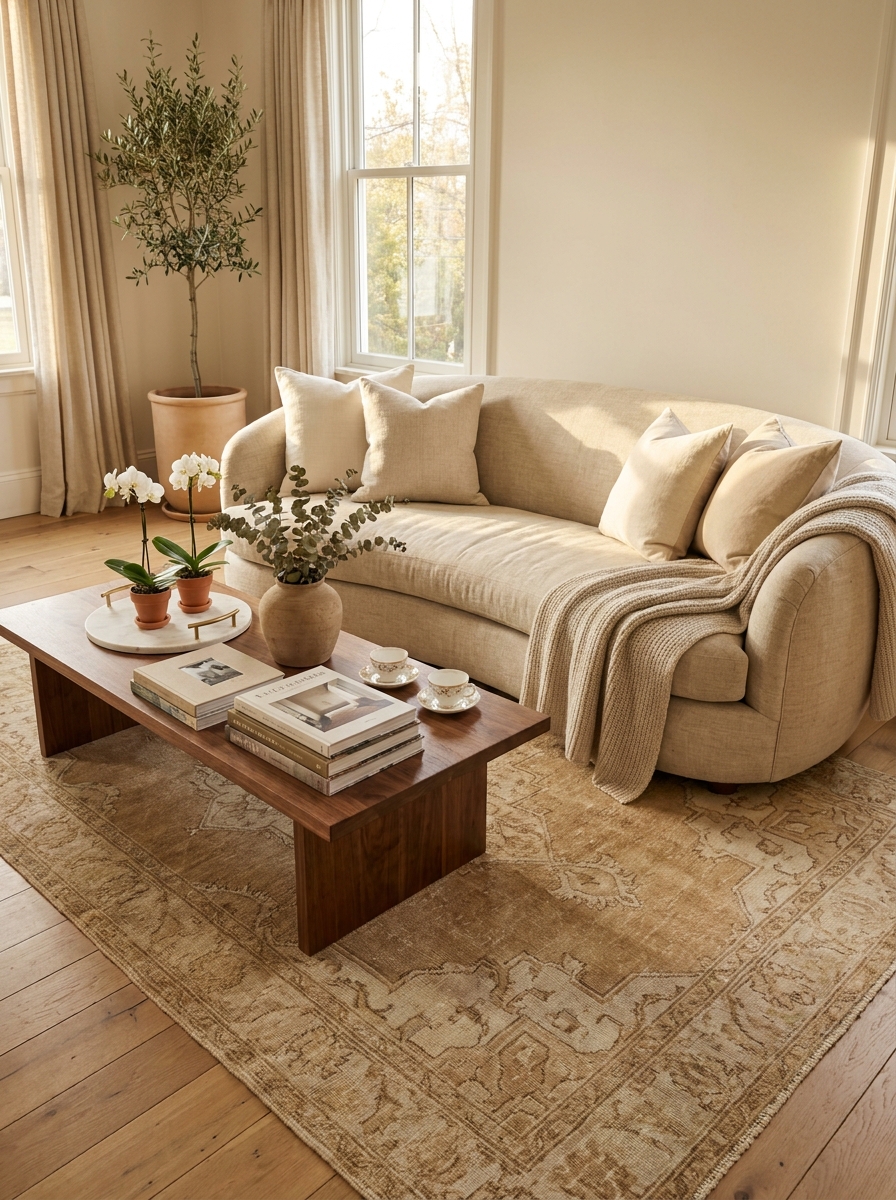
There’s something so quietly powerful about furniture in its natural state. I’m talking about linen, cotton, and wool in their undyed, unbleached glory—those beautiful oatmeal, flax, and warm ivory tones that feel organic and incredibly luxe.
These fabrics age beautifully instead of looking worn out. A natural linen sofa develops character over time, softening and becoming more beautiful with use. And because the colors are inherent to the material rather than dyed on, they have this depth and richness that flat paint-colored fabrics just can’t match.
The bonus? Natural fabrics work with literally everything. They’re the ultimate neutral that makes your vintage finds, art, and architectural details shine. Plus, there’s something inherently expensive about the simplicity of undyed fabric. It says you’re confident enough not to need bold colors to make a statement. You’re letting the quality of the material speak for itself, which is exactly what quiet luxury is about.
23. Install Solid Stone or Marble Surfaces Where It Counts
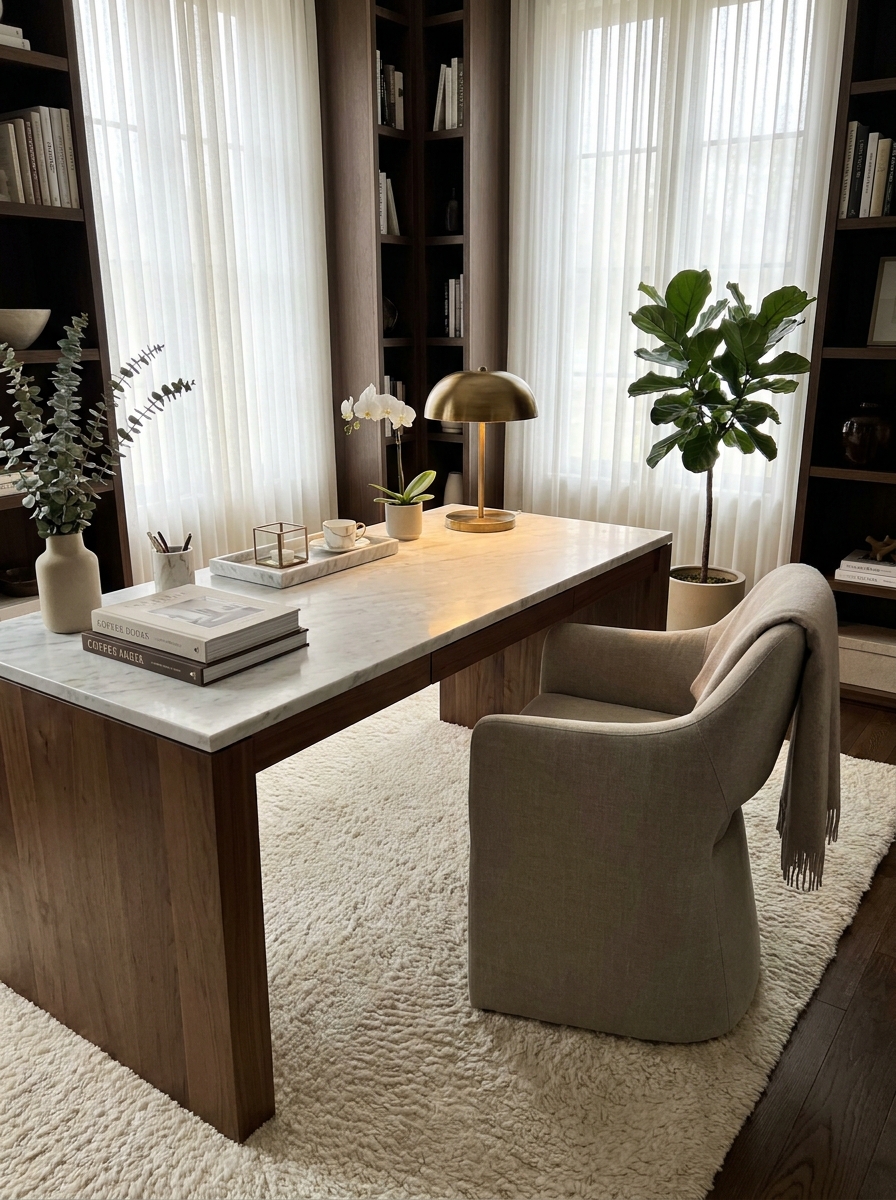
Okay, this is an investment, but hear me out. Real stone—especially in places you touch and see every day—is worth every penny. I’m talking about marble bathroom vanities, stone kitchen counters, or even a simple marble side table. The cool touch, the natural veining, the way light plays across the surface—you just can’t fake that.
The thing about real stone is that it instantly elevates everything around it. Even if the rest of your space is simple, that one marble element brings a level of sophistication that composite materials never will. And contrary to what people think, natural stone is actually quite forgiving. It patinas beautifully, developing character that adds to its charm rather than detracting from it.
Start small if a full renovation isn’t in the cards. A marble tray for your dresser, a stone cutting board displayed on your counter, or a small marble side table can bring that same sense of permanence and quality. It’s about incorporating materials that feel substantial and timeless, the kind of things that could outlive us all.
Quick Guide
Quiet Luxury on Any Budget: Where to Invest vs. Save
Invest in these: Your sofa and primary seating — this is where quality shows up every single day. Lighting fixtures that you’ll keep for decades. Real wood furniture with solid construction. Bedding in natural fibers like linen and long-staple cotton. A few statement pieces like a marble table or handwoven rug.
Save on these: Decorative accessories and vessels — you can find beautiful ceramic pieces at accessible price points. Throw pillows and blankets, which you might rotate seasonally. Wall art and frames, where vintage and affordable options abound. Side tables and occasional furniture that don’t get heavy daily use. Books for styling, which you can find secondhand.
The rule: spend on anything you touch or use daily, and on pieces that anchor the room. Everything else can be more budget-friendly as long as it looks and feels quality.
Your Home, But Make It Timeless
Here’s what I love most about quiet luxury — it’s not about following rules or copying someone else’s aesthetic. It’s about building a home that feels deeply personal and completely timeless at the same time. Every piece you choose should make you feel something, whether that’s the satisfaction of running your hand over smooth marble or the comfort of sinking into a well-made sofa at the end of a long day.
You don’t need to gut your entire home and start over. Start with one room, or even one corner. Maybe it’s finally investing in that beautiful linen duvet you’ve been eyeing, or swapping out your mismatched furniture for one really great piece. These 23 ideas are just a starting point — a way to train your eye to recognize quality, restraint, and that effortless elegance that never shouts for attention.
The beauty of this aesthetic is that it gets better with time. Your home becomes a reflection of thoughtful choices, not impulse buys. So take your time, choose carefully, and create spaces that feel like the most expensive version of comfort. You deserve to live somewhere that feels this good.
Frequently Asked Questions
What exactly is quiet luxury in home decor?
Quiet luxury is an aesthetic focused on understated elegance, quality materials, and timeless design rather than trends or flashy displays. It’s about investing in fewer, better pieces that feel expensive without shouting for attention — think natural linens, solid wood furniture, neutral tones, and beautifully made objects that age gracefully. The vibe is effortless sophistication, like old-money homes where nothing tries too hard.
Can you achieve quiet luxury decor on a budget?
Absolutely, but it requires strategic choices. Focus your budget on a few investment pieces like a quality sofa or solid wood dining table, then fill in with more affordable accessories. Shop vintage for unique finds, choose timeless neutral paint colors, and prioritize natural materials even in budget-friendly options. The key is restraint — a few beautiful things always look more expensive than a room full of cheap stuff.
What colors work best for quiet luxury interiors?
Stick to sophisticated neutrals: creamy ivory, warm taupe, soft greige, camel, charcoal, and various shades of white and beige. These colors create a calm, cohesive backdrop that lets quality materials and textures shine. The palette should feel warm and inviting, never cold or sterile. You can layer different tones within the same color family for depth without introducing bold colors that might feel trendy.
What’s the difference between quiet luxury and minimalism?
Minimalism is about having less and embracing simplicity for its own sake. Quiet luxury is about having fewer things, but those things are notably high-quality, beautifully made, and often quite comfortable. Quiet luxury spaces feel warm, layered with texture, and lived-in, while minimalist spaces can sometimes feel sparse or austere. Both value restraint, but quiet luxury emphasizes material richness and understated opulence.
How do I make my home look more expensive without spending a lot?
Start by decluttering and removing anything that looks cheap or trendy. Paint walls in sophisticated neutral tones. Swap plastic or metal hardware for brass or matte black. Invest in one or two quality pieces like linen curtains or a beautiful rug. Style with restraint — less is genuinely more. Pay attention to lighting, add fresh greenery, and display only your most beautiful objects. These small shifts create a much more refined, expensive-looking space.