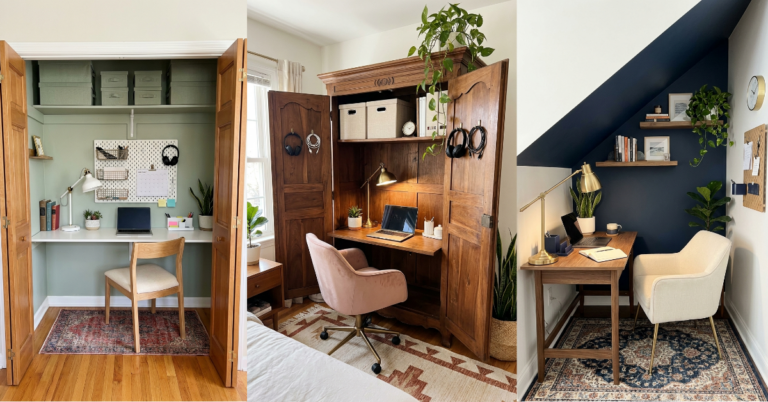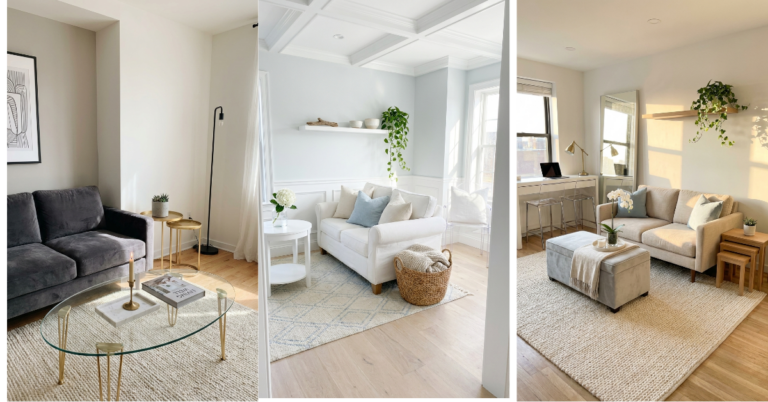
19 Dreamy Studio Apartment Living Room Ideas That Maximize Every Inch
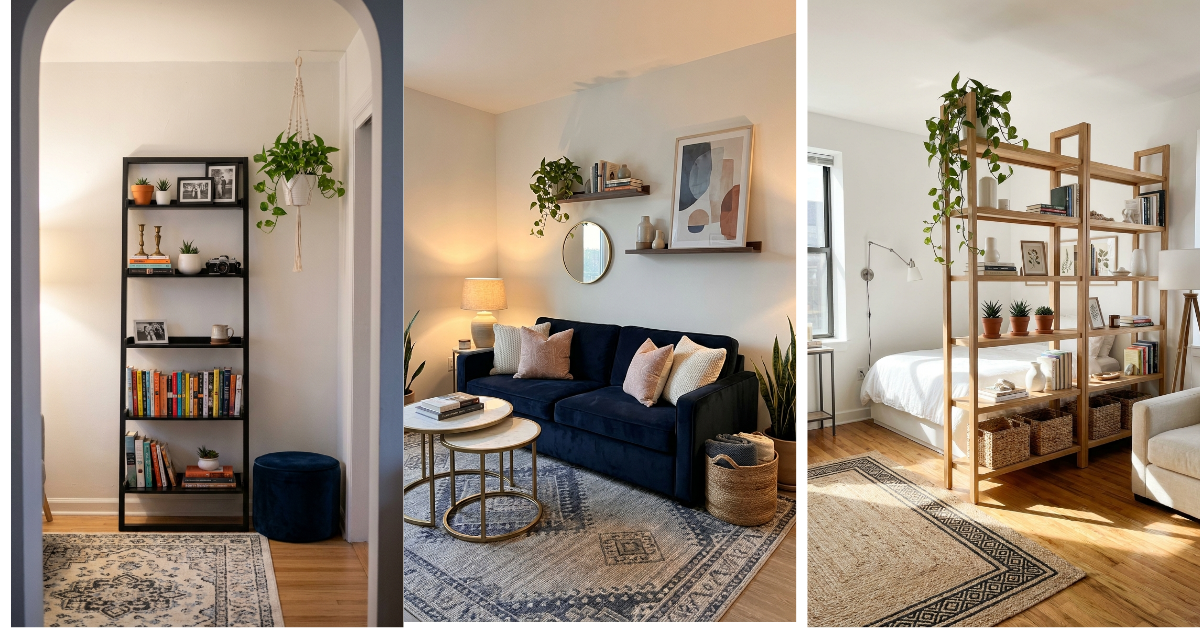
You walk into your studio apartment and there it is — that one room that has to do everything. Living room, dining room, bedroom, home office, sometimes even your yoga studio on Sunday mornings. It’s a lot to ask from maybe 400 square feet, right? But here’s the thing: small spaces aren’t the enemy of great style. Actually, they force you to get creative in ways that make your home feel more intentional, more you. I’ve spent years obsessing over studio apartment transformations, and the best ones never try to hide their size. Instead, they work with it. They use mirrors like magic, furniture that pulls double duty, and colors that open everything up. These 19 ideas aren’t about cramming stuff in or making your space look like a sparse minimalist cell. They’re about creating a living room that actually feels like home, even when your bed’s just ten feet away. Let’s get into it.
1. The Floating Furniture Trick That Opens Up Everything
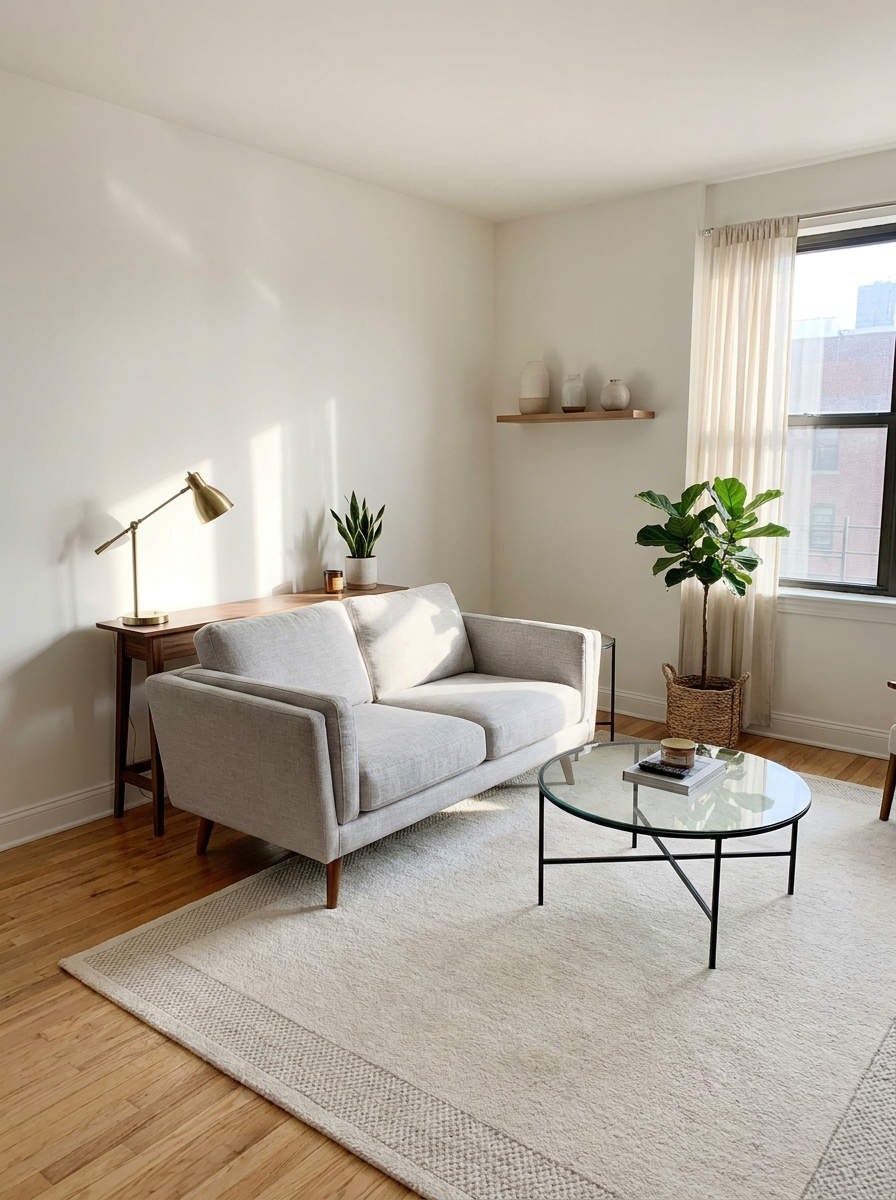
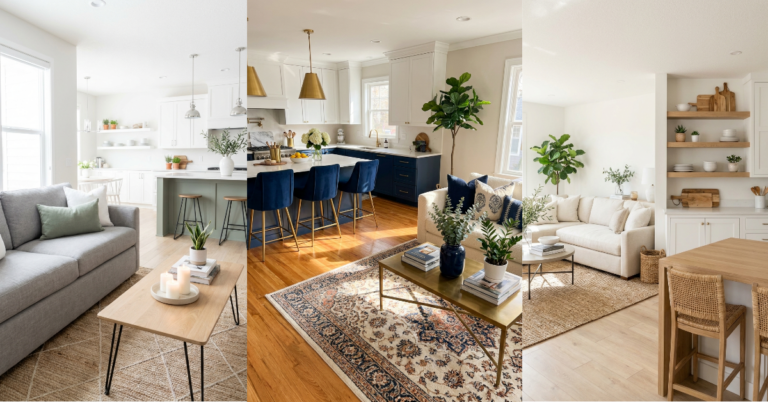
Stop pushing all your furniture against the walls. I know it seems counterintuitive in a small space, but hear me out. When you pull your sofa away from the wall — even just 12 inches — you create this visual breathing room that makes the whole studio feel less cramped. It defines your living zone without needing a physical divider.
The key is choosing a slim-profile sofa or loveseat that doesn’t eat up all your square footage. Something with exposed legs, not a bulky skirted base. Behind the sofa, you can tuck a narrow console table for your keys, a lamp, maybe some books. This little buffer zone tricks your eye into thinking there are distinct rooms.
Pair this with a compact coffee table — glass or acrylic works beautifully because you can see right through it — and suddenly your living area has definition. You’ve created a proper seating arrangement that says “this is the living room” even though your bed’s visible just beyond it. The space between furniture matters just as much as the furniture itself.
2. Floor-to-Ceiling Curtains That Aren’t Just About the Windows
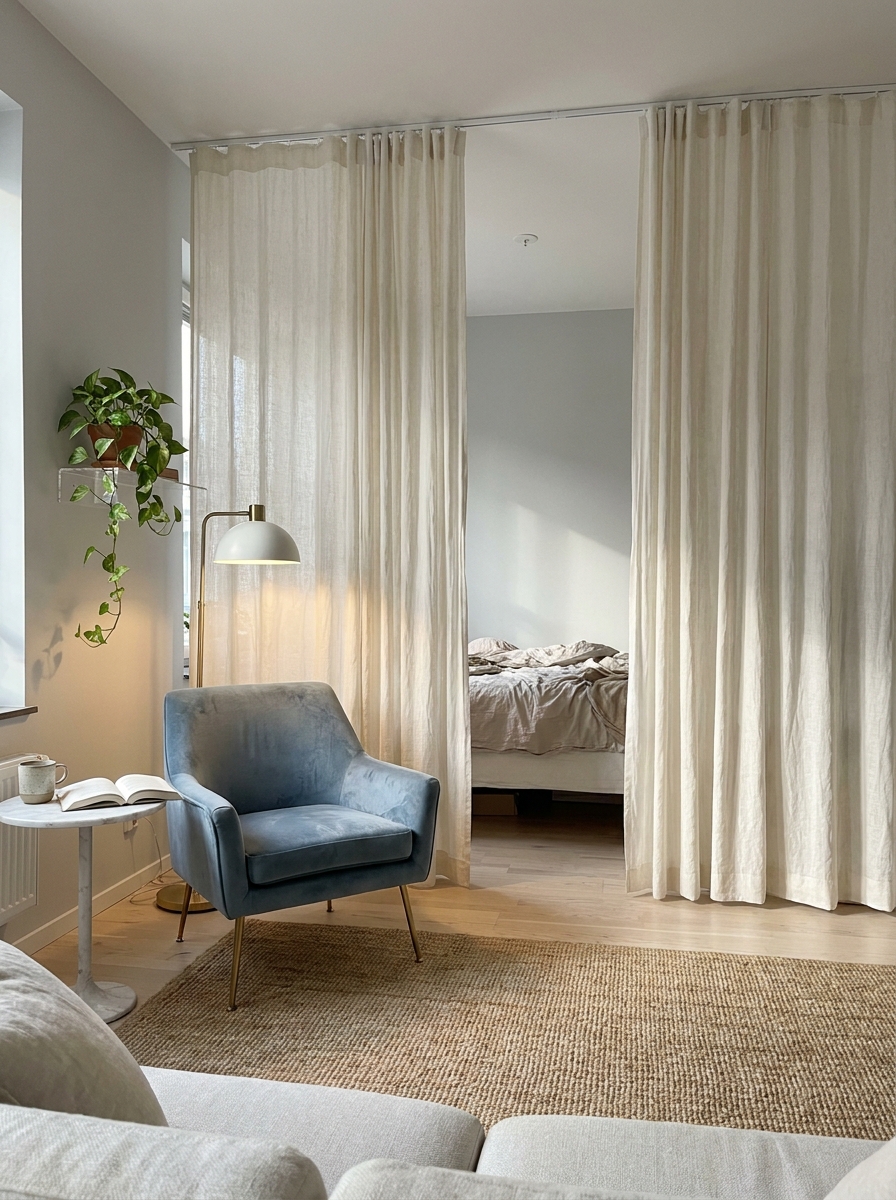
Here’s a secret weapon: curtains don’t only belong on windows. In a studio apartment, a ceiling-mounted curtain track or tension rod can create an instant bedroom when you need it and disappear when you don’t. I’m talking about those beautiful linen drapes in a soft neutral that pool just slightly on the floor.
During the day, sweep them open and your studio feels airy and cohesive. At night or when you need privacy from guests, close them and you’ve got a cozy sleeping nook separated from your living space. The floor-to-ceiling length makes your ceilings look taller too, which is a bonus when you’re working with limited square footage.
Choose a fabric that complements your living room aesthetic — gauzy white linen for Scandinavian vibes, charcoal cotton blend for industrial chic, or even a soft blush for something warmer. The curtain becomes part of your decor, not just a functional divider. And because it’s fabric, it adds texture and softness that studios desperately need to avoid feeling cold and minimal.
3. Vertical Storage That Doubles as Living Room Art
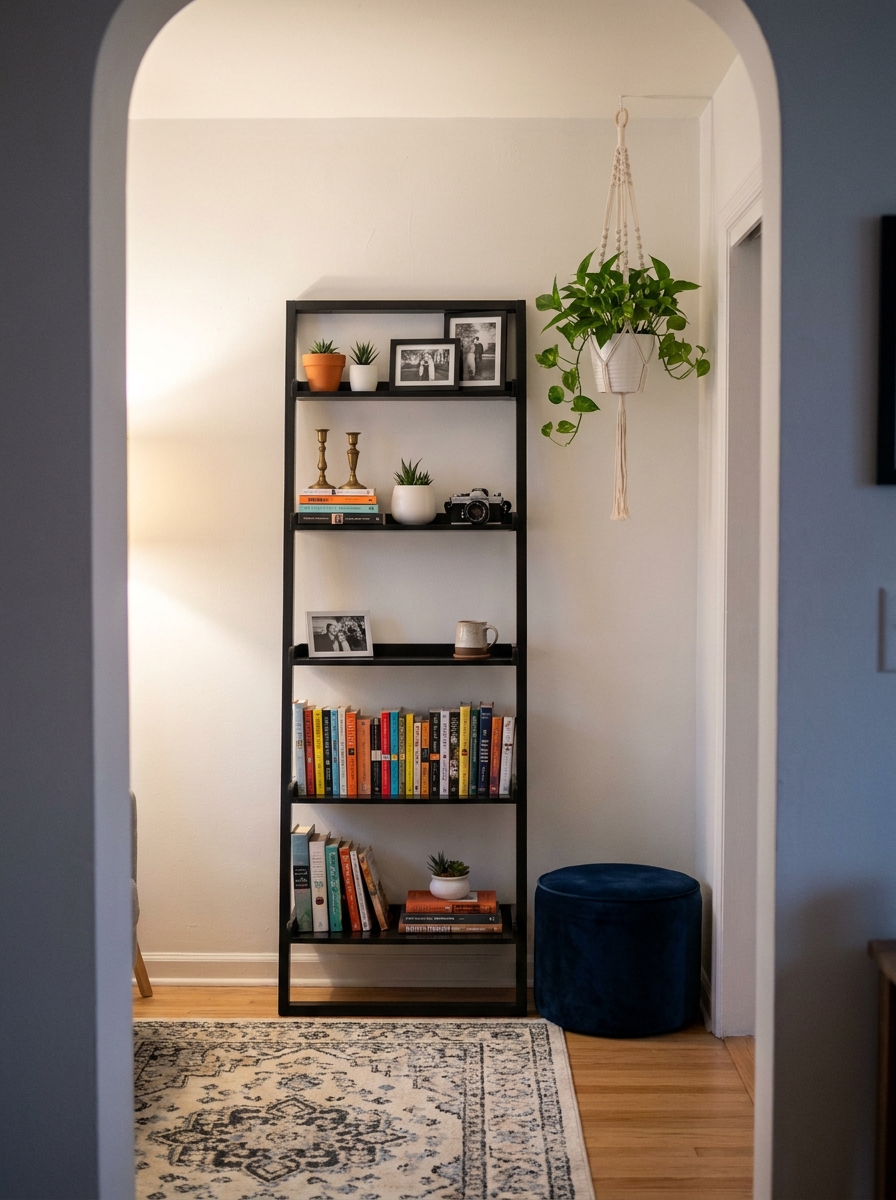
When you’re tight on floor space, you’ve got to think up. But vertical storage doesn’t mean boring floating shelves with matching baskets. Think ladder-style bookcases, tall narrow cabinets with glass doors, or even a pegboard wall that’s styled so well it becomes a focal point.
I love the look of a floor-to-ceiling bookshelf that holds more than just books. Mix in your favorite ceramics, a few framed photos, some plants, and suddenly it’s a gallery wall with function. The vertical lines draw your eye up, making the room feel taller. And you’re using wall space that would otherwise just sit there empty.
The trick is curating what goes on those shelves. Don’t cram every inch full or it starts looking cluttered. Leave some breathing room. Group objects in odd numbers. Vary heights and textures. Your storage should feel intentional, like you carefully selected each piece, because in a studio apartment, everything’s on display. There’s nowhere to hide the mess, so make the storage beautiful enough that it doesn’t matter.
4. The Oversized Mirror Positioned Where It Matters Most
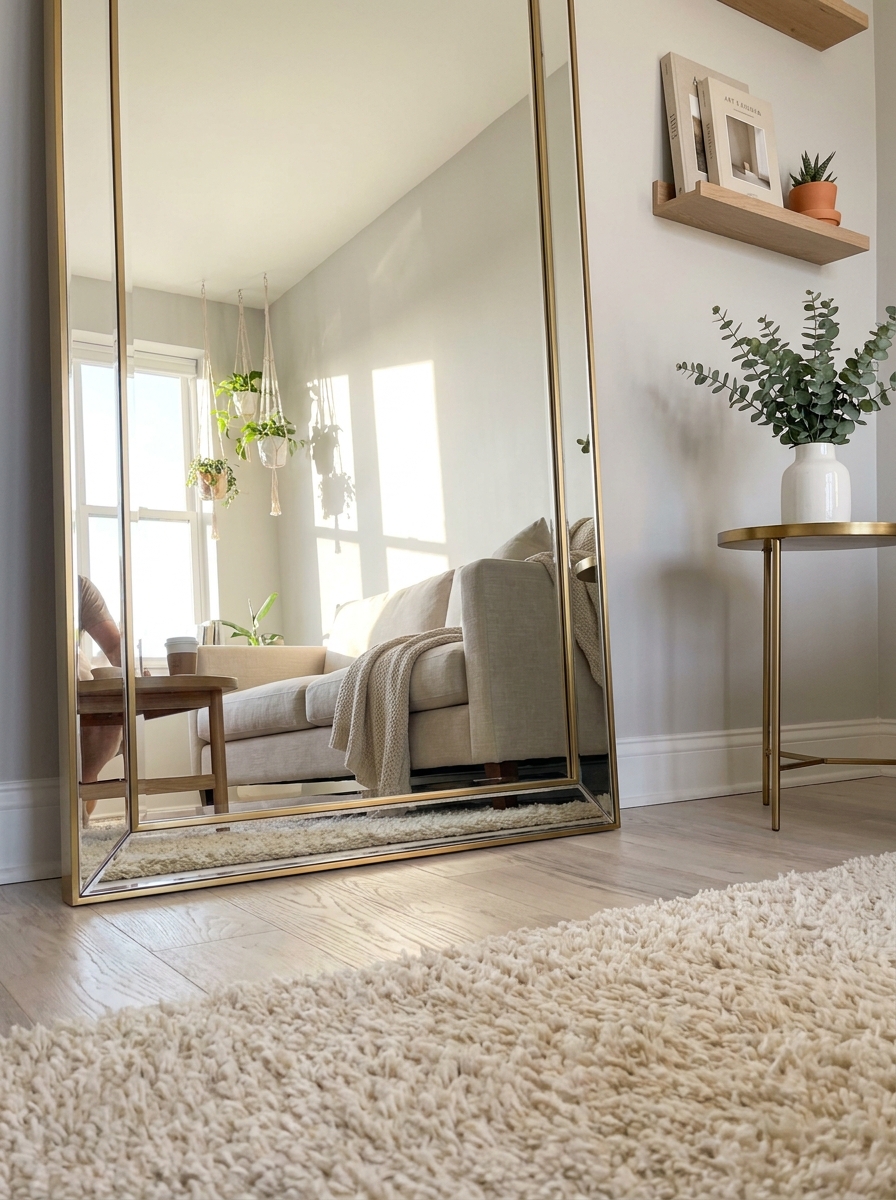
Everyone tells you to use mirrors in small spaces, but where you put that mirror makes all the difference. Don’t just hang it randomly on a wall and call it done. Position it directly across from your window or biggest light source, and watch what happens. The light bounces around, the room feels twice as bright, and suddenly your studio apartment doesn’t feel like a cave.
I’m talking about a substantial mirror — not a tiny decorative one. Think floor-length leaning against the wall, or a large framed piece that commands attention. It reflects not just light but your entire living space, visually doubling your square footage. Your brain sees that reflection and perceives more room, even though nothing’s actually changed.
The frame matters too. A thin gold frame adds warmth and a bit of glam. Chunky wood feels rustic and grounding. Frameless and beveled keeps things modern and clean. Whatever you choose, make sure it complements your existing furniture because this mirror’s going to be a major player in your living room design. It’s functional and decorative, which is exactly what studio apartment living demands.
5. The Sofa Bed That Doesn’t Scream ‘I’m Sleeping Here’
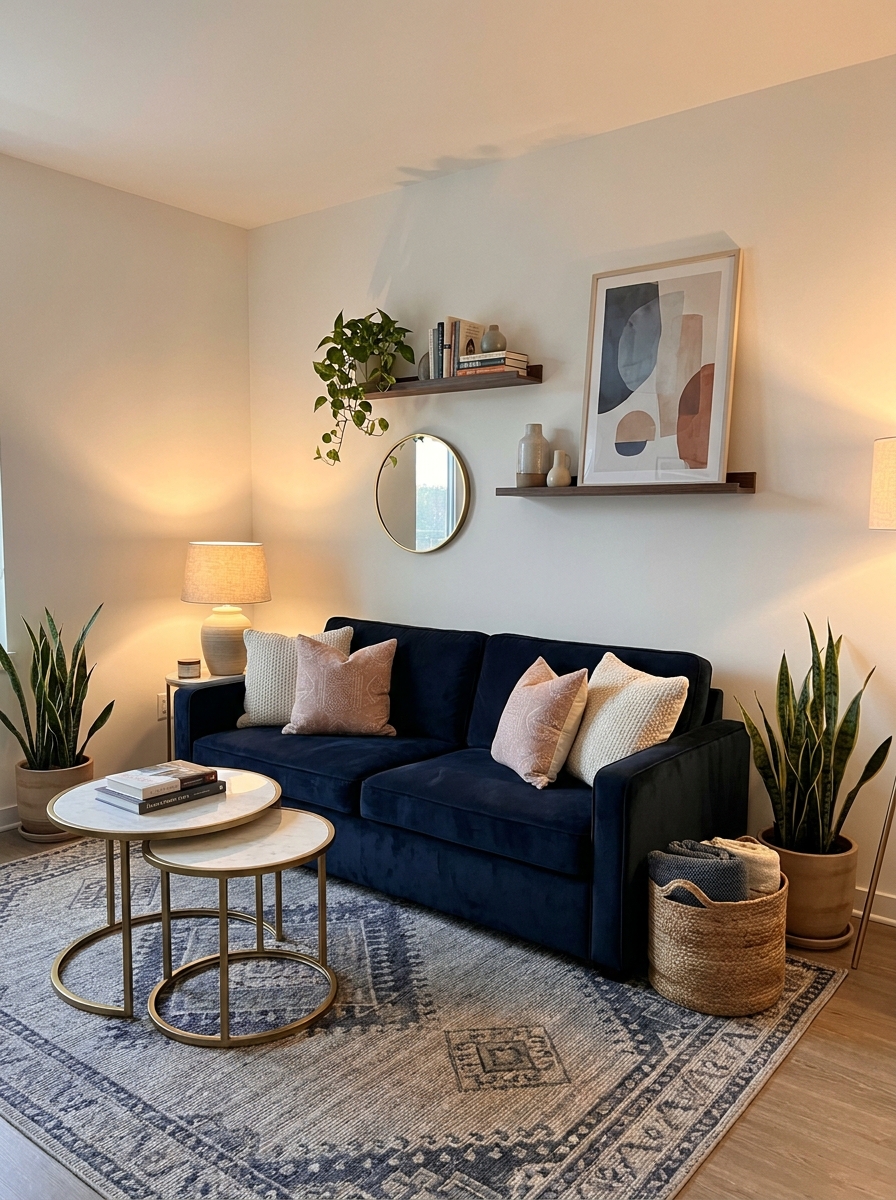
Here’s the thing about studio living: your living room IS your bedroom. But it doesn’t have to look like one during the day. I’m obsessed with modern sleeper sofas that actually look like regular furniture. No clunky metal bars, no weird lumpy cushions that give away the secret.
The best ones have clean lines, low profiles, and come in gorgeous fabrics that feel intentional, not temporary. I love a velvet or linen finish in a rich color that anchors the whole space. Position it against your longest wall, add some oversized throw pillows during the day, and literally no one knows you’re hiding a full mattress underneath.
The magic happens when you style around it like it’s permanent furniture. A side table, a floor lamp, maybe a console table behind it if you have the room. Make it the anchor of your living zone, not an afterthought. When guests come over, they see a gorgeous living room. When you’re ready for bed, it transforms in seconds.
6. The Room Divider That Adds Function Without Blocking Light
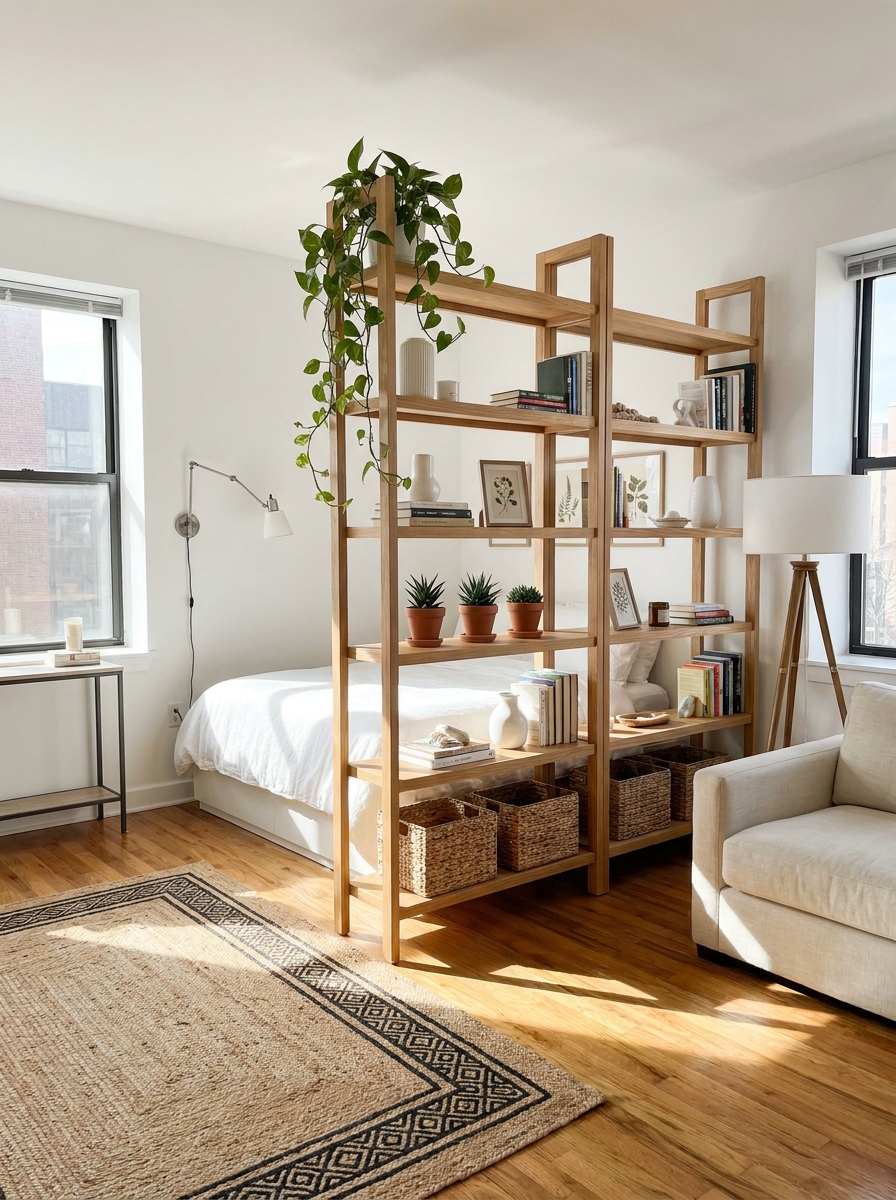
You need separation in a studio without creating a dark cave situation. Open shelving units are absolute game-changers here. I’m talking about those gorgeous ladder-style bookcases or cube storage systems that sit perpendicular to the wall, creating zones without walls.
What I love is how they define your living room from your sleeping area while still letting light flow through. You can see through them, but psychologically, you’ve created two distinct spaces. Fill the shelves with a mix of books, plants, and pretty storage boxes. It becomes functional storage AND a visual boundary.
The key is keeping it organized but not too precious. This isn’t a museum display. Stack a few books horizontally, add a small plant, tuck in a basket for random stuff. It should feel lived-in and useful. From the living room side, you see a styled bookshelf. From the bedroom side, you get privacy without losing that crucial natural light that makes studios feel bigger.
7. The Coffee Table With Secret Storage Superpowers
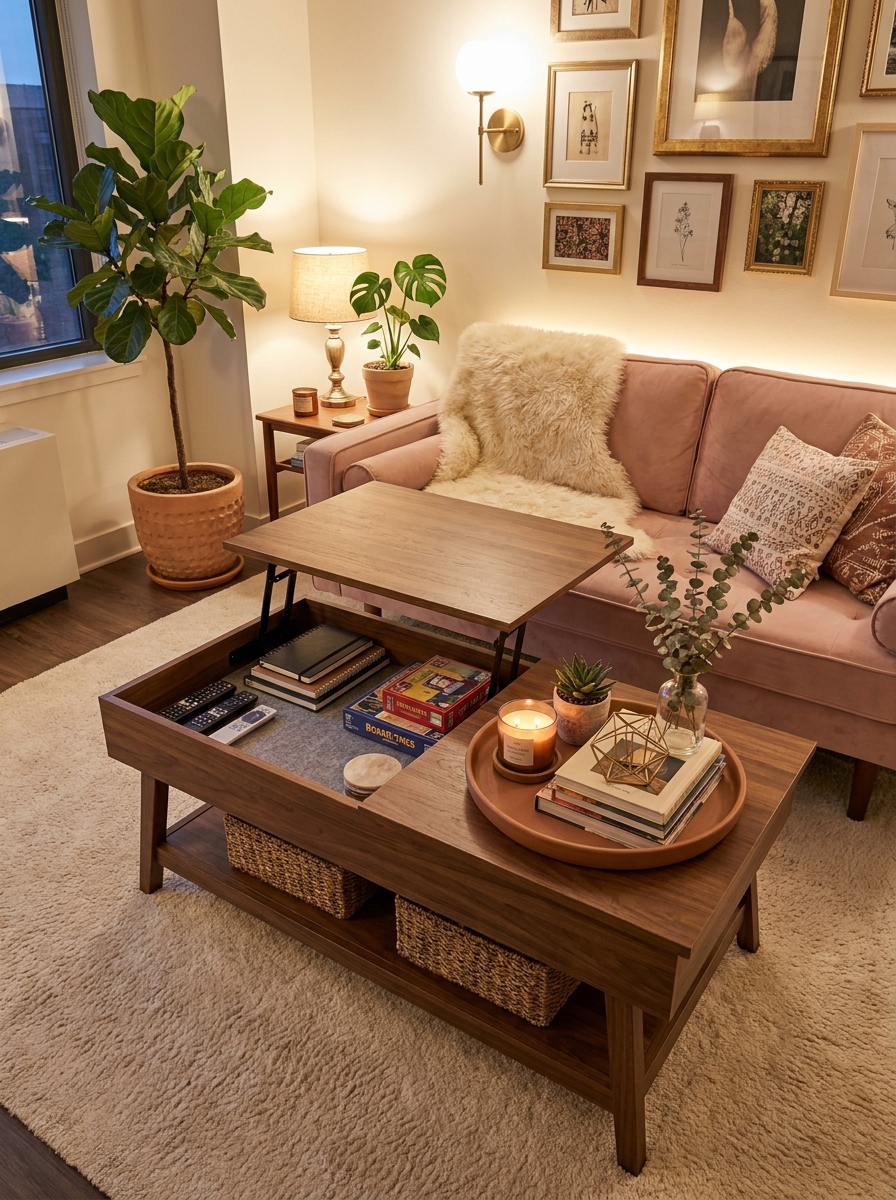
Every single piece of furniture in a studio needs to work overtime, and your coffee table is prime real estate. Lift-top coffee tables are having a major moment, and honestly, they deserve it. The top lifts up to create a mini desk or dining surface, and underneath? Storage for days.
I keep extra throw blankets, books, remotes, even my laptop in there. It’s like a magic trick where everything disappears but stays accessible. Some even have shelves underneath for baskets or magazines. You get a beautiful centerpiece that doesn’t eat up your precious floor space, plus hidden storage that keeps your studio from looking cluttered.
Style the top like you would any coffee table. A small tray, a candle, maybe a little plant. Stack a couple coffee table books. But knowing you’ve got all that secret storage underneath makes the whole space feel calmer. It’s one of those purchases that pays off every single day because you’re constantly using both the surface and the storage.
8. The Narrow Console That Creates a Fake Entryway
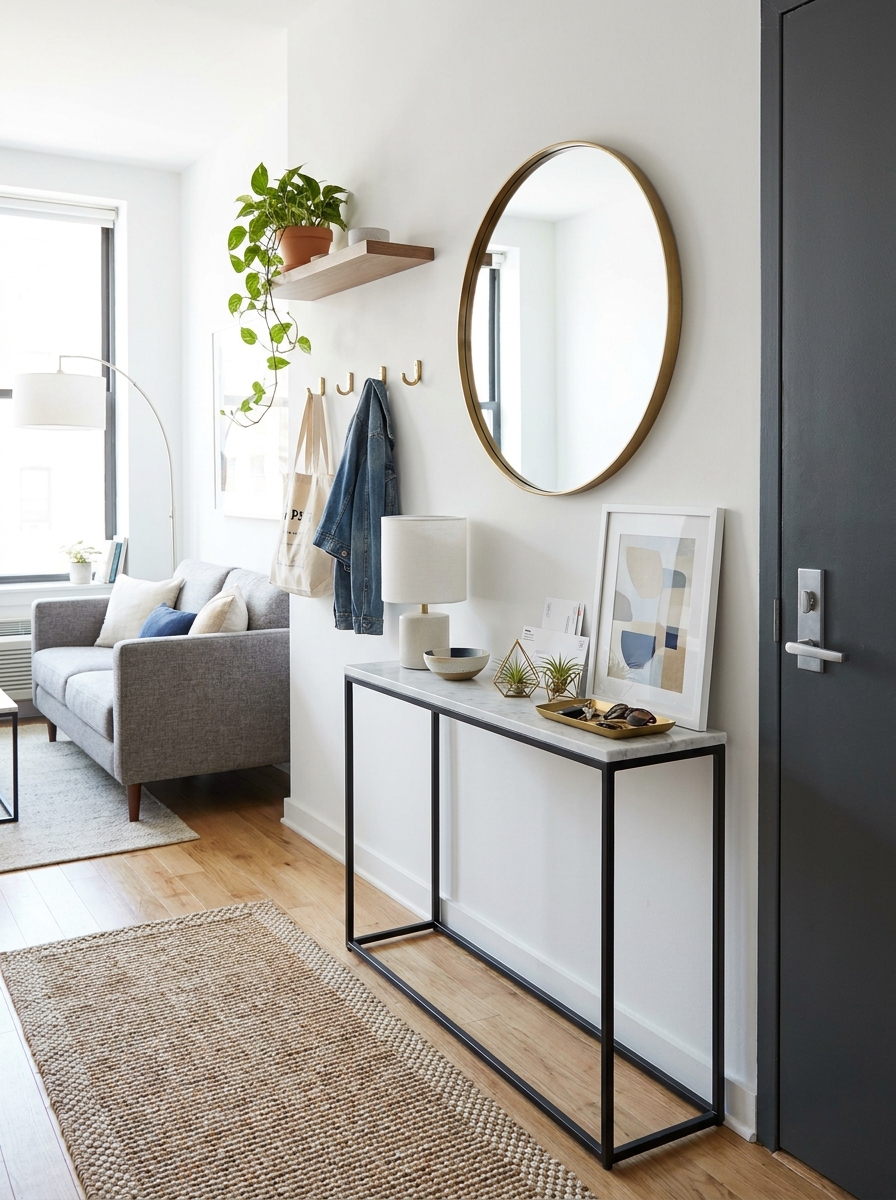
Studios don’t have entryways, but you can absolutely fake one. A slim console table right inside your door — we’re talking 10 to 12 inches deep max — creates that landing zone you desperately need. It’s where keys go, where mail lands, where you set down your coffee while you kick off shoes.
What makes this work is keeping it intentionally styled but functional. A small tray for everyday items, a table lamp for ambiance, maybe a small mirror hung above it. Suddenly you have a proper entry moment instead of walking straight into your living room chaos. It visually separates the door area from the rest of your space.
I love adding a hook rack or floating shelf above the console for bags and jackets. The combo creates a mini mudroom vibe without taking up more than a foot of depth. It’s such a small addition, but it makes coming home feel more intentional. Your studio instantly feels more put-together and less like everything dumps into one big room the second you open the door.
9. The Wall-Mounted Desk That Disappears After Work Hours
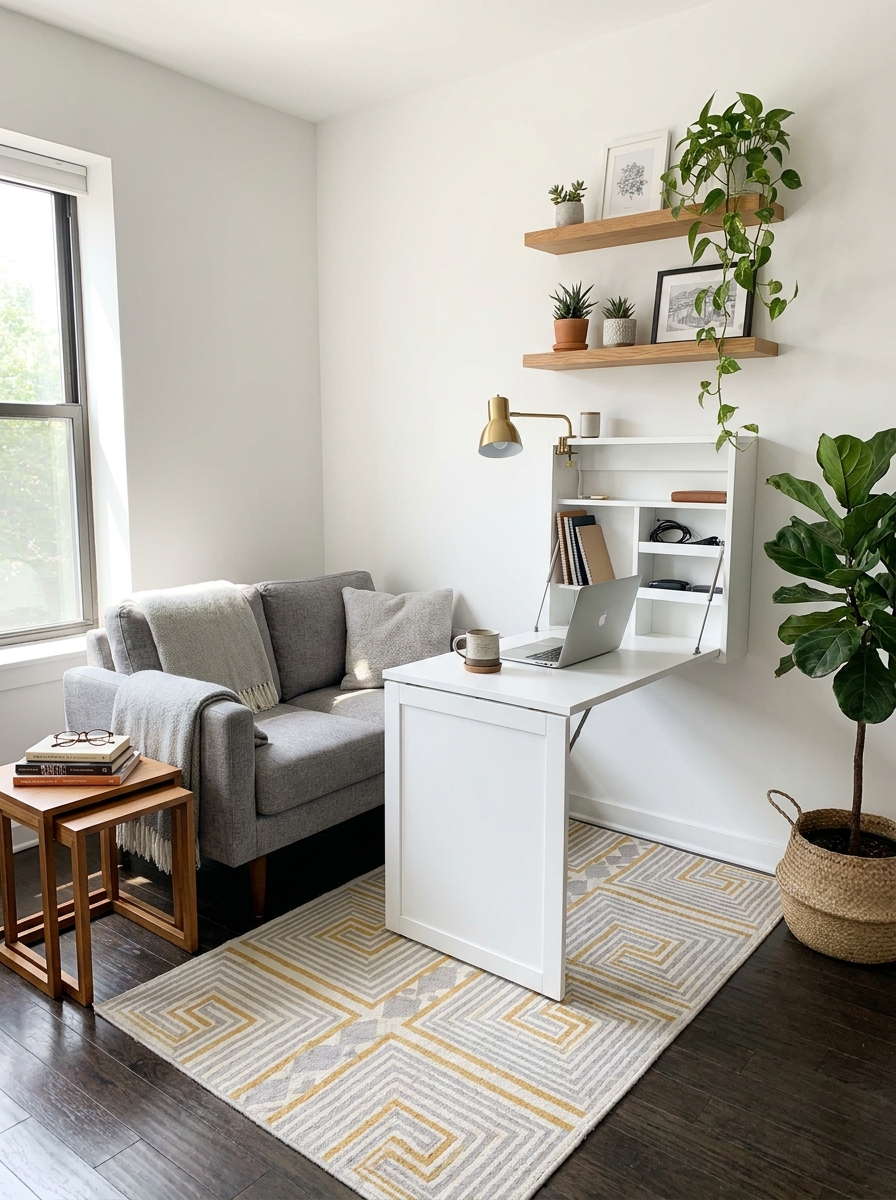
Here’s what changed everything for me: realizing my desk didn’t need to take up precious floor space all day long. A fold-down wall-mounted desk gives you a proper workspace when you need it, then vanishes completely when you’re done.
I mounted mine on the wall beside my sofa, and suddenly I had a legitimate home office that doesn’t exist during dinner or movie nights. The key is choosing one with built-in storage—little cubbies or shelves that hold your laptop, notebooks, and pens so everything has a home even when the desk is up.
What I love most? It completely eliminates that “my living room is also my office” feeling that makes relaxing so hard in a studio. When the desk folds up, that whole section of wall becomes neutral space again. Add a piece of art above it or a floating shelf with plants, and nobody would ever guess there’s a full desk hiding there. It’s like having a secret productivity zone that only appears when summoned.
10. The Low-Profile TV Stand That’s Actually Extra Seating
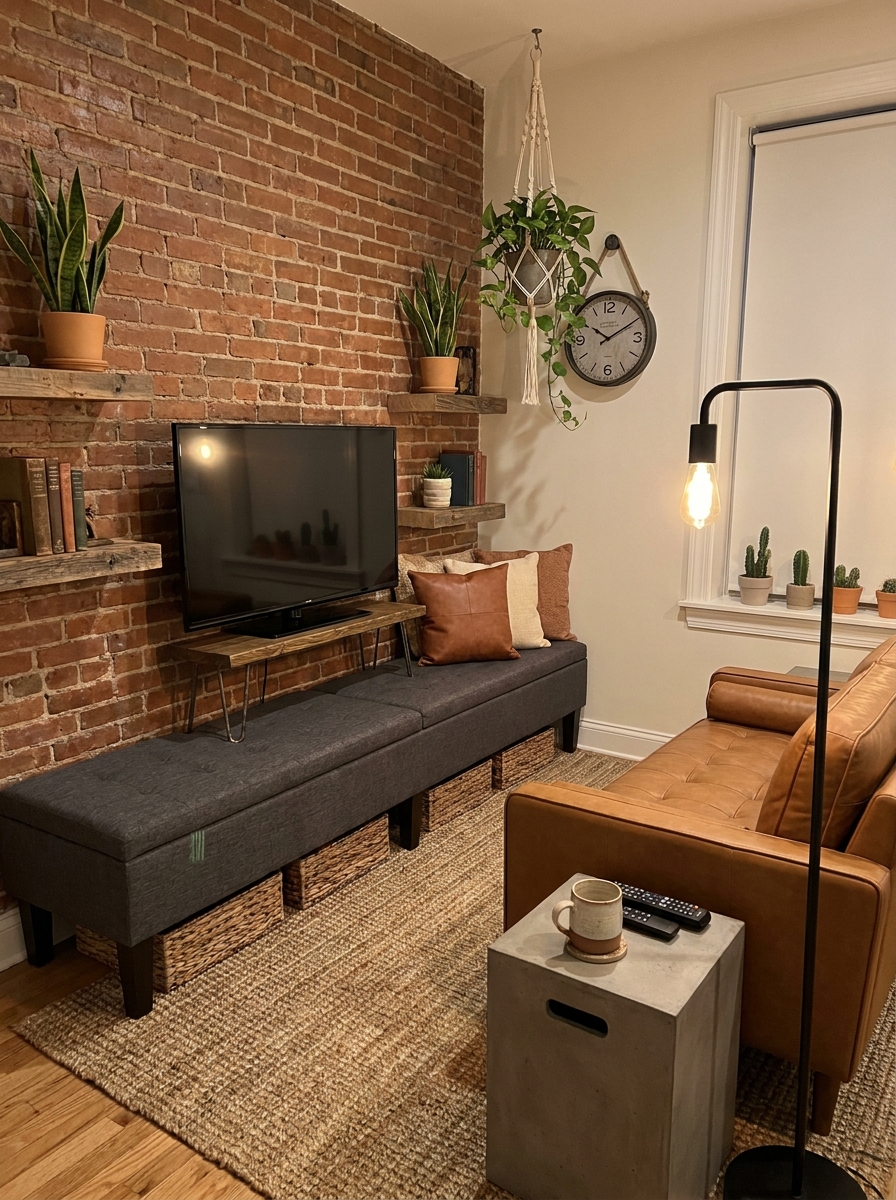
Okay, this one’s genius and I wish I’d thought of it sooner. Instead of a traditional TV stand, use a long upholstered bench or storage ottoman. It holds your TV perfectly, gives you hidden storage inside, and doubles as extra seating when friends come over.
I found a 48-inch linen storage bench that’s the exact right height for TV viewing, and the top lifts up to store everything from throw blankets to board games. When I have people over, I toss a couple throw pillows on it and suddenly I’ve got seating for two more people. It’s that simple.
The low profile is key here—it doesn’t block sightlines across your studio like a chunky entertainment center would. Your space feels more open because you’re keeping furniture heights varied and nothing’s creating a visual wall. Plus, the soft upholstery makes the whole room feel cozier than cold wood or metal ever could. It’s functional furniture that doesn’t look like it’s trying too hard.
11. The Corner That Became a Reading Nook With Just Two Pieces
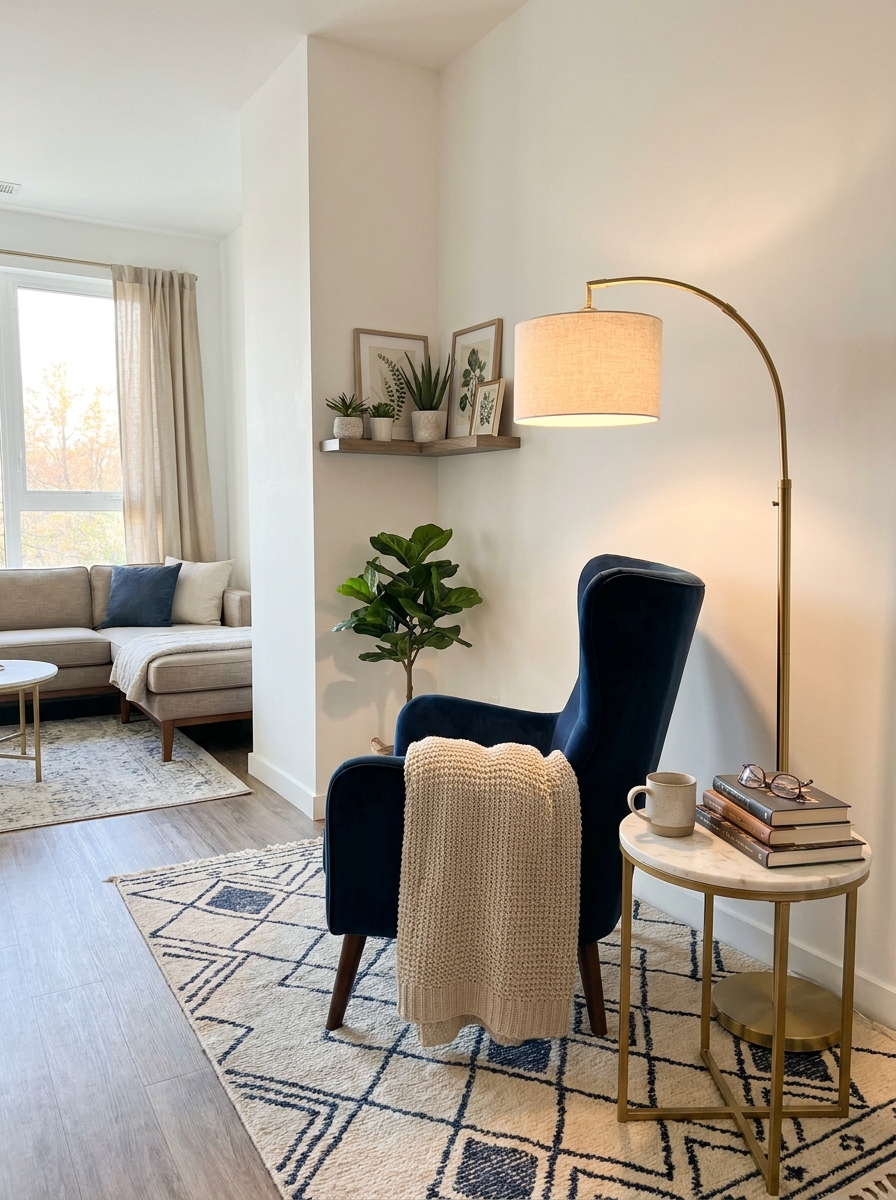
You know that awkward corner in your studio that’s too small for regular furniture but too visible to ignore? Turn it into the coziest reading nook with just a small armchair and a floor lamp. That’s it. Two pieces and suddenly you’ve got a whole separate zone.
The magic is in claiming that corner deliberately instead of letting it become dead space or a dumping ground for stuff you don’t know where to put. A compact armchair—something with a tall back for support but narrow arms to save space—creates an instant retreat. Add a good reading lamp and you’ve defined a purpose for that corner.
What I love about this is how it gives your studio another dimension. It’s not just sleeping area and living area anymore—there’s also this third spot that’s just for you, for quiet moments. Toss a small side table next to the chair for your coffee and book, add a throw blanket, and you’ve created a destination within your own home.
12. The Rug Layering Method That Zones Without Walls
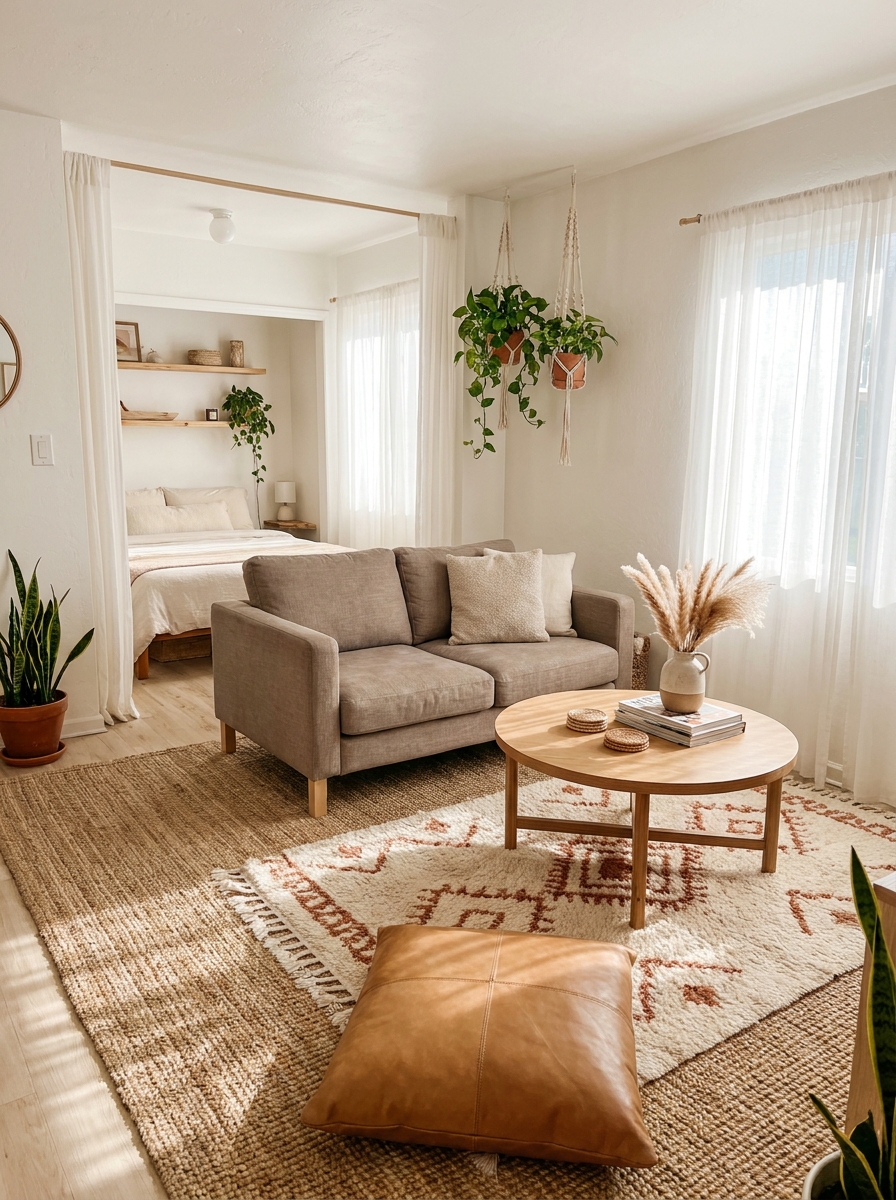
Want to separate your living area from your sleeping area without installing anything permanent? Layer two rugs. Sounds almost too simple, but this trick visually divides your studio while keeping everything feeling connected and flowing.
I put a large neutral jute rug as my base layer—it covers most of the main living area. Then I layered a smaller, patterned rug on top to anchor just my sofa and coffee table. The layering creates clear zones: this is where I live during the day, that’s where I sleep at night, even though it’s all one room.
The technique works because rugs naturally tell our brains “this is a distinct area” without blocking light or making the space feel chopped up. You get definition without division. And here’s the bonus: layering adds so much texture and visual interest that your floor becomes part of the design story. Plus, if you ever want to change up your layout, you just rearrange rugs instead of moving furniture. So much easier.
13. The Murphy Bed Hack With Built-In Living Room Seating
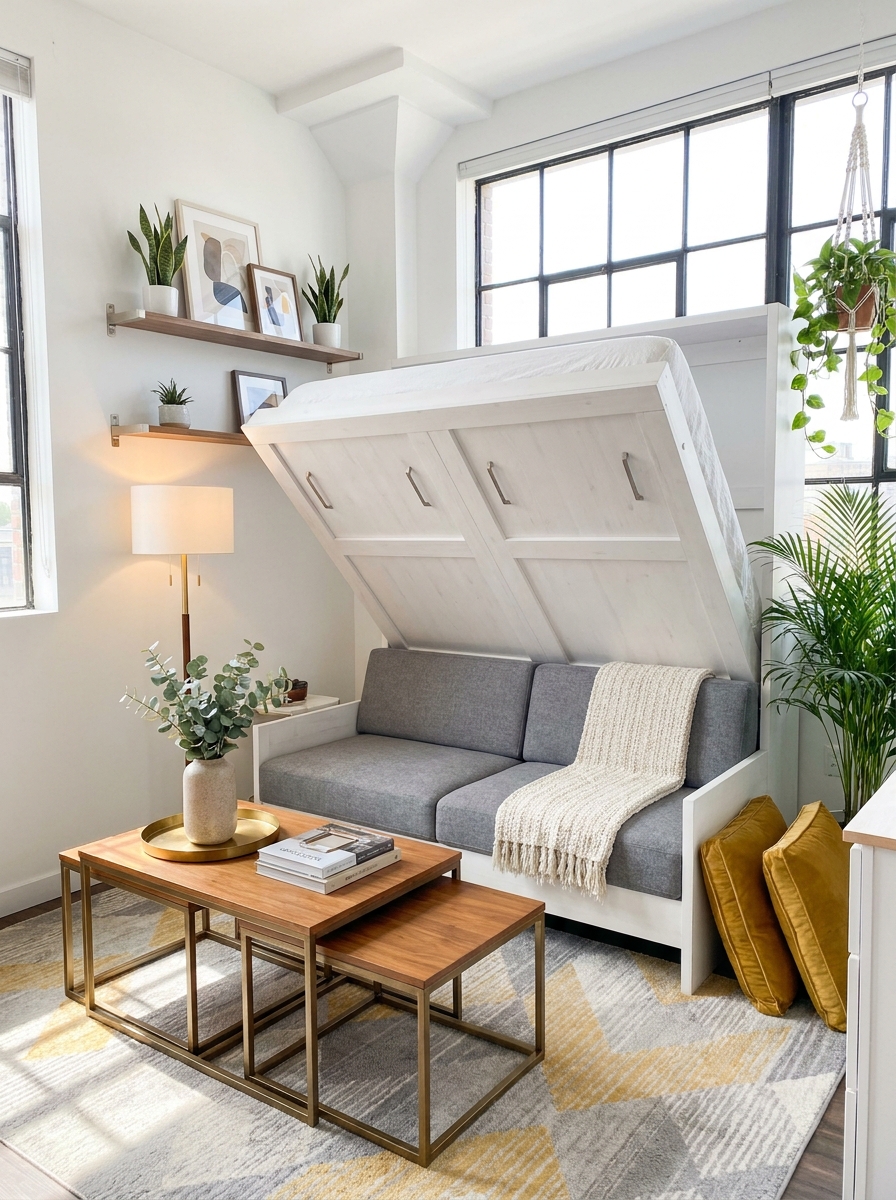
Okay, here’s where things get seriously smart. A Murphy bed doesn’t have to look like a Murphy bed. The newer designs come with attached sofas or daybeds that stay put when the bed lifts up. During the day, you’ve got a legit seating area. At night, you pull the bed down right over it.
What I love about this setup is how it completely erases that awkward “where do I put my couch AND my bed” problem. You’re not shuffling furniture around or living with a daybed that never looks quite right as a sofa. The whole thing is designed to work both ways, and it actually looks intentional.
The attached sofa piece usually has storage underneath too, which is chef’s kiss for studio living. Throw pillows, extra bedding, seasonal clothes—it all tucks away right there. And because the bed mechanism is built into a wall unit, you often get shelving on either side for books, plants, or whatever makes the space feel like yours.
14. The Open Shelving Unit That Separates Bed From Living Space
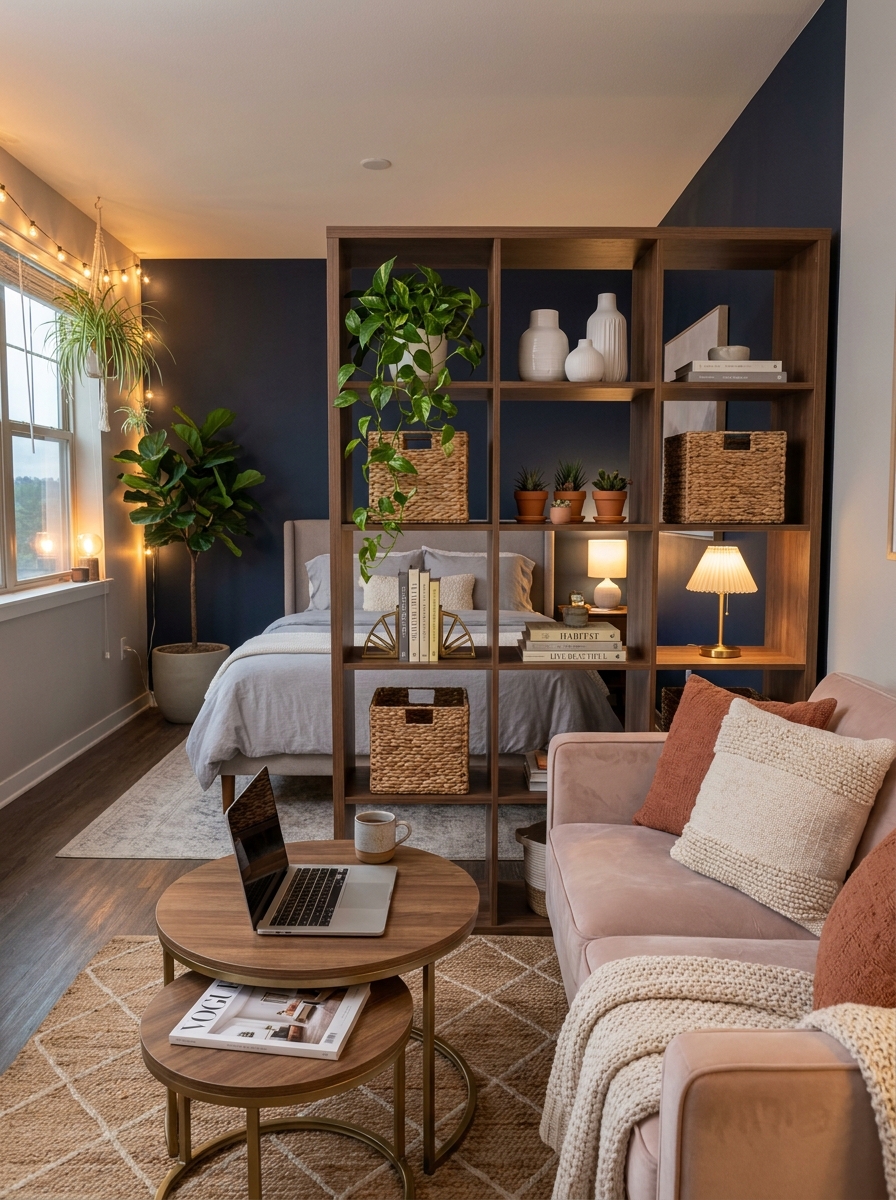
Sometimes you need a divider that doesn’t feel like a wall closing in on you. An open shelving unit does exactly that—it creates two distinct zones while letting light and sight lines flow through. Position it perpendicular to the wall between your bed and your living area, and suddenly you’ve got privacy without that boxed-in feeling.
The genius part is how hard this piece works. One side faces your bed and holds nighttime essentials like books, a small lamp, maybe a little plant. The other side faces your living room and displays all your pretty things—ceramics, more plants, baskets that hide clutter. It’s doing double decorating duty.
I’m talking about those cube-style units or ladder shelves that are specifically open rather than solid backed. You want to see through to the other side, even if just partially. That transparency tricks your eye into thinking the space is bigger than it is, while your brain still registers two separate rooms. It’s spatial magic without any actual construction.
15. The Pegboard Wall That Holds Everything But Takes Up Nothing
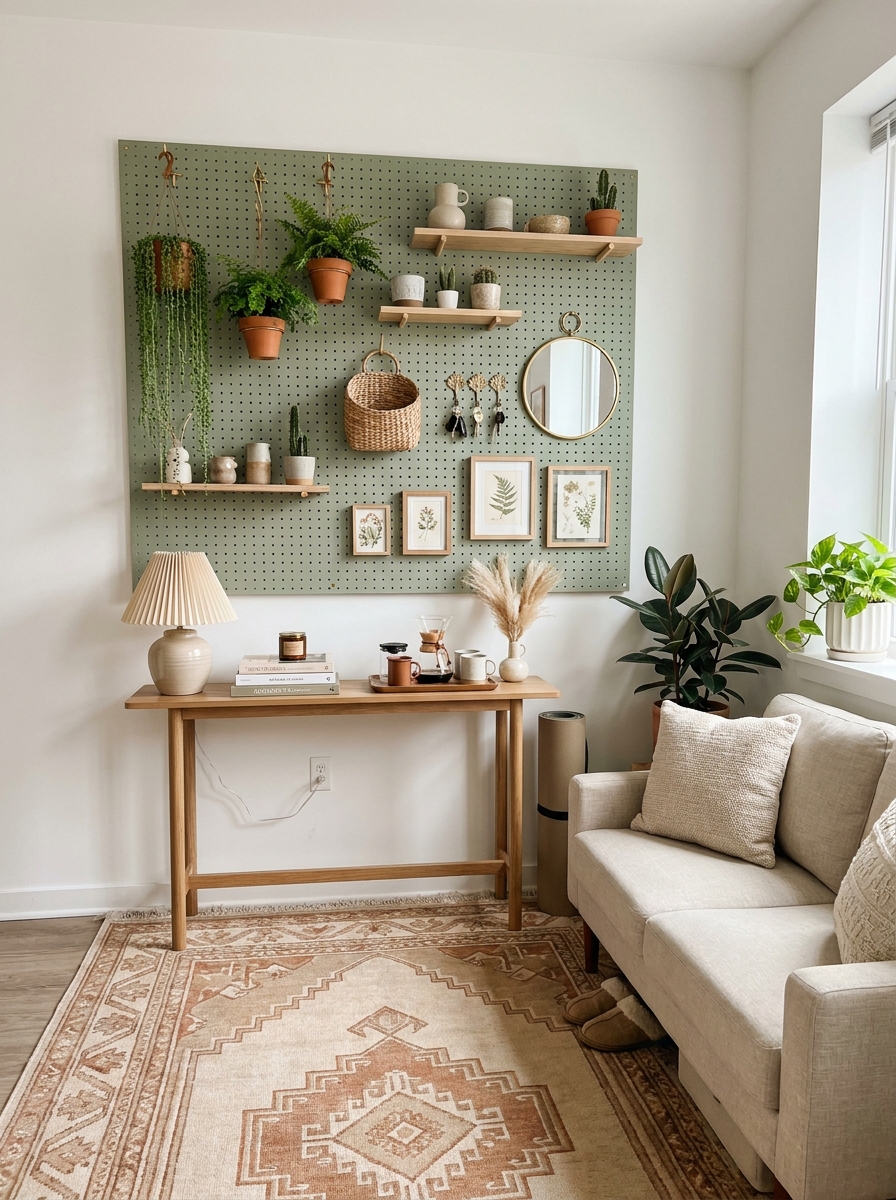
Pegboard isn’t just for garages anymore, and honestly, it might be the most underrated studio apartment hack out there. Mount a large painted pegboard on your living room wall and suddenly you’ve got endlessly configurable storage that doesn’t eat up a single inch of floor space. Hooks, shelves, baskets—you can rearrange them whenever you want.
I’ve seen people use pegboard to hold everything from plants to kitchen tools to actual artwork. The beauty is in how customizable it is. Need more space for mugs this month? Move some hooks. Want to display a new print? Swap out a basket for a shelf. It’s like Tetris but for your entire life, and it actually looks cool if you paint it a fun color.
The key is treating it like an art installation rather than utility storage. Choose hooks and accessories in matching finishes—all brass or all black—and arrange things with intention. Mix functional items with pretty ones. A hanging plant next to your keys next to a small mirror creates visual interest while keeping everything you need within arm’s reach.
16. The Behind-the-Sofa Bar Cart That Creates a Dining Zone
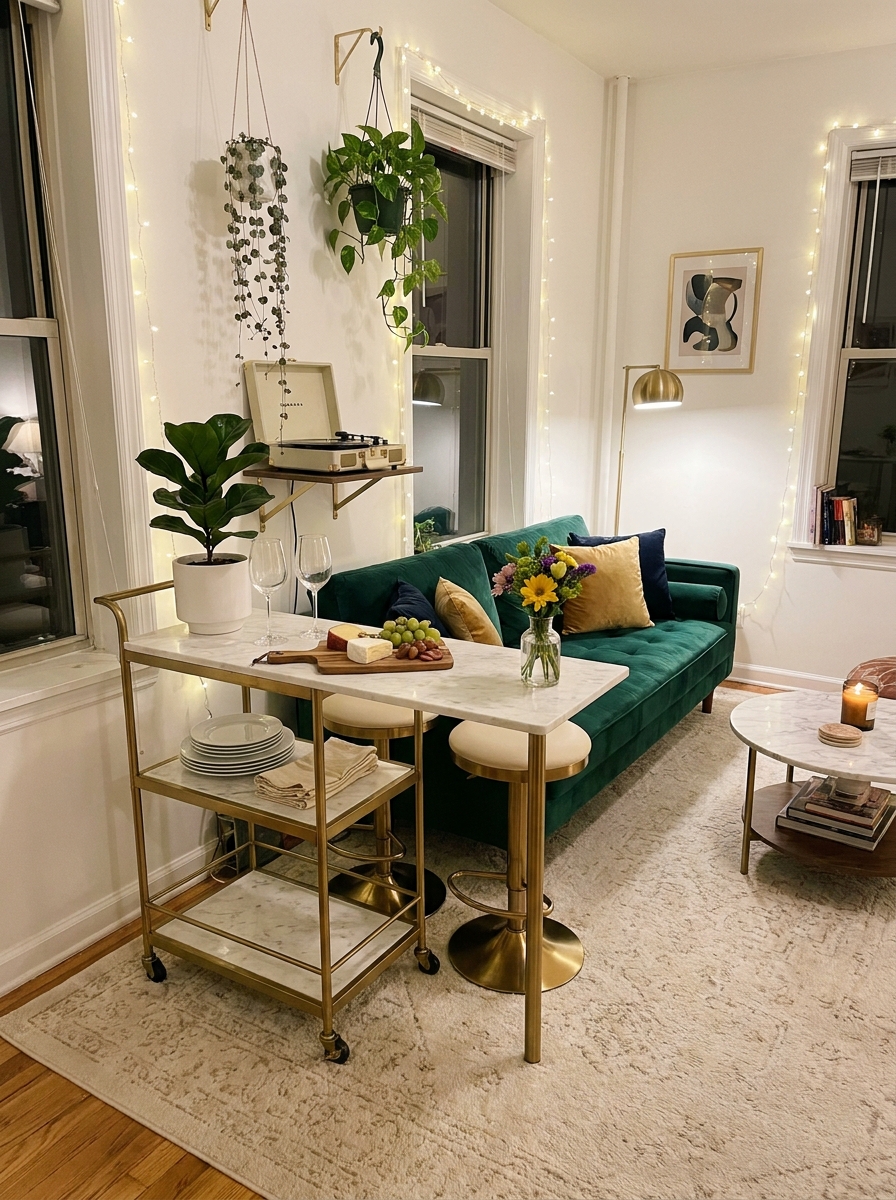
Here’s a move that feels a little fancy but solves a huge studio problem: where do you eat that isn’t your coffee table or your bed? A bar cart positioned behind your sofa becomes an instant dining surface when you pull up a couple of stools. During the day, it’s just pretty storage holding books, plants, or actual bar supplies.
The behind-the-sofa placement is key because it uses that awkward dead space that usually just collects dust and forgotten phone chargers. Now that space has a job. The cart adds visual weight and intention to the back of your sofa, which makes your seating area feel more anchored and designed rather than floating randomly in the room.
I love how flexible this setup is. Some nights you’re having wine and cheese with a friend at your “dining table.” Other times you’re using it as a laptop desk for a change of scenery. The cart wheels mean you can move it wherever you need it, but having a dedicated home base behind the sofa keeps your floor plan consistent and your space feeling organized.
17. The Nesting Tables That Multiply Your Surface Space on Demand
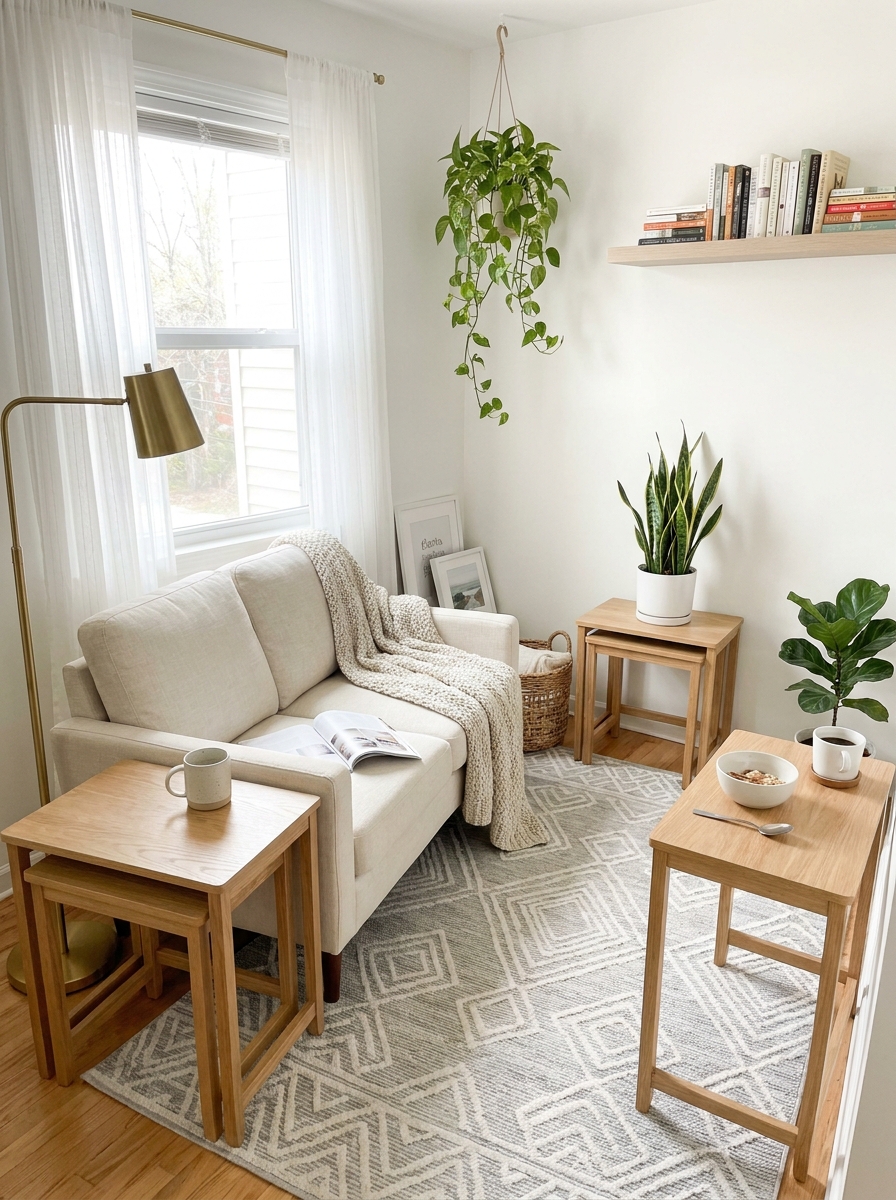
I used to think nesting tables were just cute. Then I actually lived with them in my studio and realized they’re genius. You get three tables that stack together when you don’t need them, taking up barely more space than one side table. But the second you have friends over or need somewhere to put your laptop while you’re eating on the couch? Pull them out and suddenly you have surface space everywhere.
What I love most is how flexible they are. Some nights all three are scattered around my living area holding drinks, books, and my never-ending mug collection. Other times they’re stacked neatly beside the sofa looking intentional and minimal. They move wherever you need them, which in a studio means they’re basically doing the work of a coffee table, side table, and laptop desk all at once.
The trick is choosing a set that looks good both together and apart. I went with different heights but the same finish so they feel cohesive even when they’re spread across the room.
18. The Ottoman That’s Actually Your Dining Table and Extra Seating
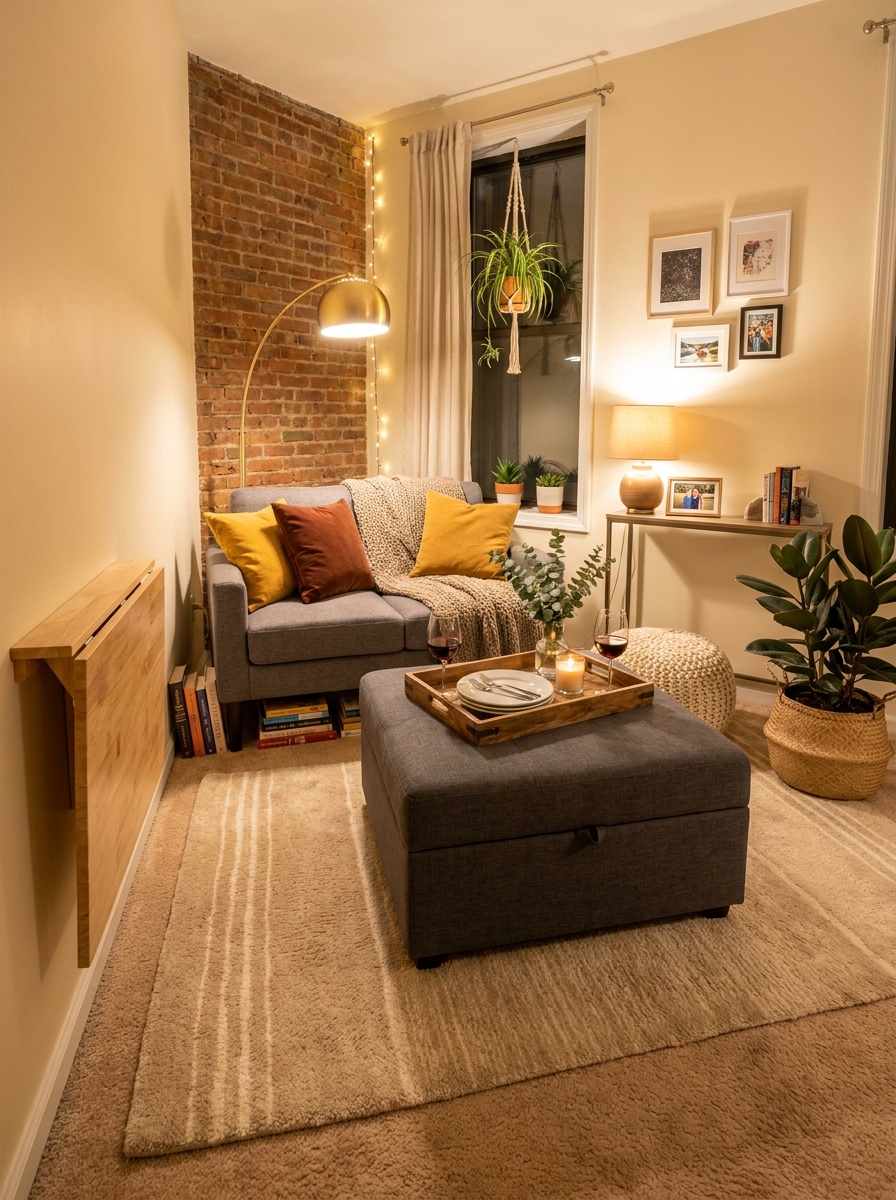
Hear me out on this one. A large upholstered ottoman with a tray on top is the most hardworking piece of furniture you can put in a studio. It’s your coffee table most days. Add the tray and suddenly it’s stable enough for dinner. Kick the tray off and you’ve got extra seating when people come over. And if you choose one with storage inside? Well, now you’re just showing off.
I was skeptical until I saw my friend eating pasta off hers like it was a totally normal dining table. The tray keeps everything stable and level, and when she was done, she just lifted it off and had a footrest again. In a studio where you literally can’t fit a separate coffee table AND dining table AND extra seating, this one piece does everything.
The storage ottoman version is even better. I keep my extra throw blankets, off-season stuff, and all my charger cables in mine. It’s like furniture that doubles as a closet, which in studio living is basically magic.
19. The Curtain Room Divider That Creates a Bedroom Without Shrinking Your Space
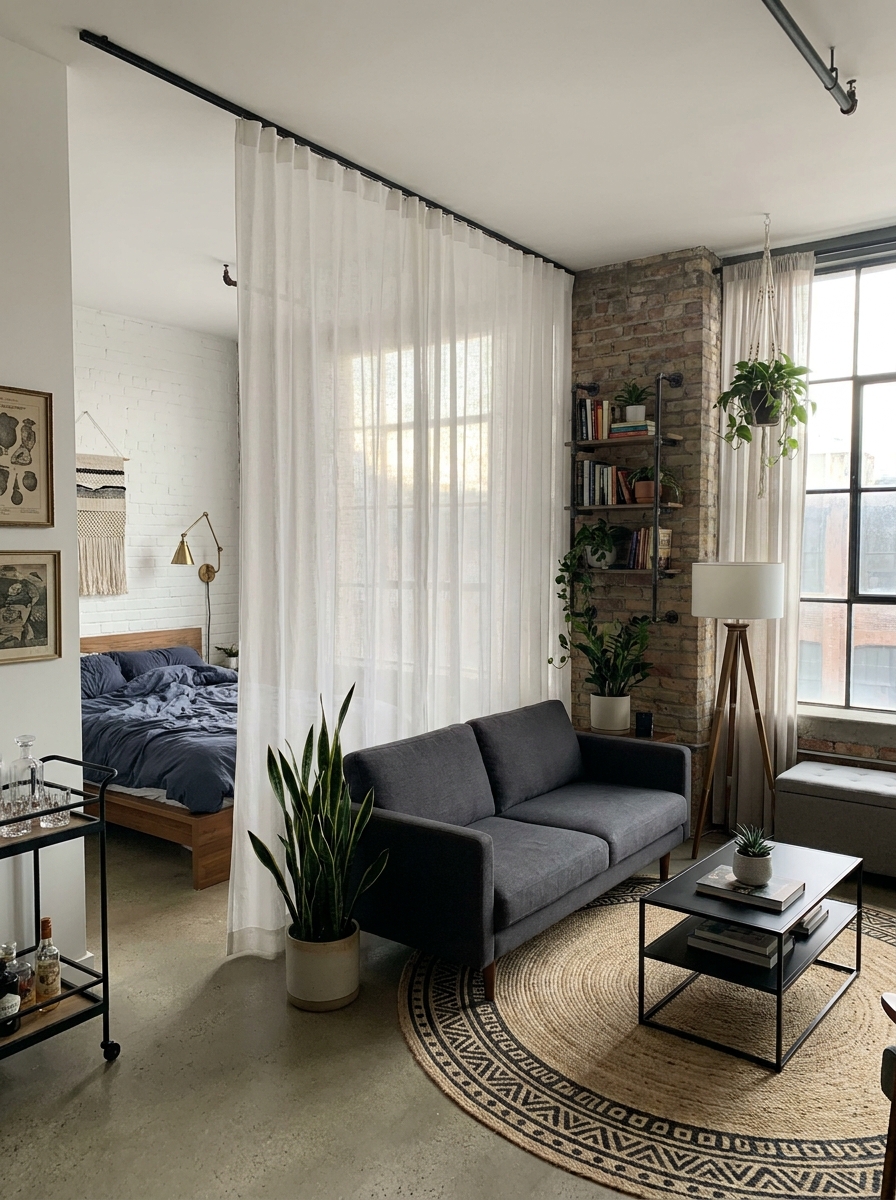
This is the oldest studio apartment trick in the book, but it works so well that it’s basically required knowledge. A ceiling-mounted curtain that separates your bed from your living area gives you the privacy of a bedroom without the permanent commitment of a wall. And unlike a bookshelf divider, you can pull it back during the day to keep your whole studio feeling open and airy.
The secret is mounting it properly. It needs to go all the way to the ceiling, not halfway up the wall where it looks like an afterthought. Ceiling-mounted track systems are your best friend here. They make the curtain glide smoothly and look intentional, like it’s actually part of your architecture. I use mine every single night and then pull it open each morning so my space doesn’t feel like a cave.
Fabric choice matters too. Sheer linen gives you separation without blocking all the light, which is crucial if your only window is in the sleeping area. Heavier cotton or velvet works if you need actual darkness or soundproofing from your living area.
Quick Guide
Quick Guide: Studio Furniture Multi-Tasking Essentials
| Furniture Piece | Primary Function | Hidden Bonus | Price Range |
|—————-|——————|————–|————-|
| Storage Ottoman | Coffee table/footrest | Hides blankets, books | $80–$250 |
| Sleeper Sofa | Daytime seating | Guest bed when needed | $400–$1200 |
| Nesting Tables | Side table/laptop desk | Tuck away when unused | $60–$180 |
| Console Behind Sofa | Visual room divider | Desk/dining surface | $150–$400 |
| Wall-Mounted Drop-Leaf Table | Dining for 2–4 | Folds flat against wall | $100–$300 |
Every piece in a studio should earn its spot by doing at least two jobs. This isn’t about compromise — it’s about being smart with what you bring home.
Your Studio Is Small, But Your Style Doesn’t Have To Be
Living in a studio apartment doesn’t mean sacrificing the living room of your dreams. It just means getting a little more creative about how you make it happen. The floating furniture, the strategic mirrors, the curtains that create rooms out of thin air — these aren’t just tricks. They’re design solutions that make your space work harder so you don’t have to compromise on style or comfort. And honestly? Some of the most beautiful, thoughtfully designed homes I’ve seen have been tiny studios where every single choice mattered. Where there was no room for filler furniture or decorations that didn’t spark something. Your studio apartment living room can be just as gorgeous, cozy, and functional as any sprawling great room. It just takes a little intention and maybe one really great multi-functional coffee table. Start with one idea that speaks to you — maybe it’s that oversized mirror or the vertical bookshelf gallery wall. Try it out. See how it transforms not just your space but how you feel in it. You’ve got this, and your studio’s about to look amazing.
Frequently Asked Questions
How do you separate a living room from a bedroom in a studio apartment without walls?
Use floor-to-ceiling curtains on a ceiling track, open bookcases positioned perpendicular to the wall, or even a large plant in a decorative planter. The goal is to create visual separation without blocking light or making the space feel choppy. Furniture placement — like floating your sofa to define the living zone — also works beautifully without any physical dividers.
What size sofa works best in a studio apartment living room?
A loveseat (around 58–72 inches) or apartment-size sofa (76–80 inches) works best for most studios. Choose one with exposed legs and a slim profile rather than bulky arms or a skirted base. If your studio is under 400 square feet, consider a settee or even a daybed that can double as seating and sleeping.
How can I make my studio apartment living room feel less cluttered?
Embrace vertical storage so you’re not spreading stuff across every surface. Use furniture with hidden storage like ottomans and benches. Keep your color palette cohesive — too many competing colors make small spaces feel chaotic. And honestly, edit ruthlessly. In a studio, less really is more because everything’s visible all the time.
What colors make a small studio apartment living room look bigger?
Light neutrals like soft whites, warm beiges, and pale grays reflect light and create an airy feel. But you don’t have to go all-white. Monochromatic color schemes in any light shade work beautifully. You can also use one accent wall in a deeper tone to add depth without overwhelming the space. The key is keeping the ceiling and main walls light.
Should I use an area rug in a studio apartment or will it make the space look smaller?
Absolutely use a rug — it actually helps define your living zone and makes the space feel more intentional. Choose one that’s large enough to fit under your main seating pieces, ideally 8×10 for most studios. Light or neutral rugs keep things open, but don’t be afraid of pattern. Just keep the scale appropriate and avoid super dark colors that visually shrink the floor.