15 Warm Minimalist Decor Ideas That Feel Like Home
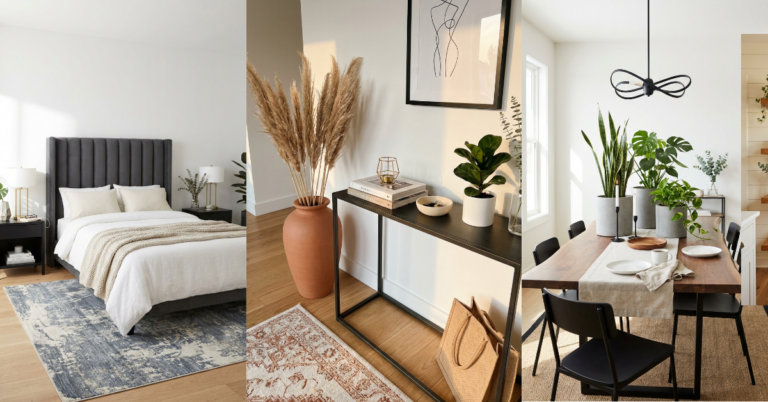
You’ve probably seen those pristine minimalist rooms online and thought they looked beautiful but also… a little cold? Like you couldn’t actually curl up with a book there without disturbing the perfection? That’s the thing about traditional minimalism. It can feel more museum than home. But what if you could have the clean lines and breathing room without sacrificing warmth? That’s where warm minimalism comes in. It’s the sweet spot between clutter-free spaces and genuine coziness. Think fewer things, but better things. Cream linen sofas instead of stark white leather. A chunky knit throw instead of nothing at all. Natural wood instead of chrome. These spaces feel edited and intentional, but they also feel like someone actually lives there. And honestly? That’s the whole point. You want a home that looks good but also wraps around you like your favorite sweater. Here’s what actually works.
1. Layer Textures in Neutral Tones
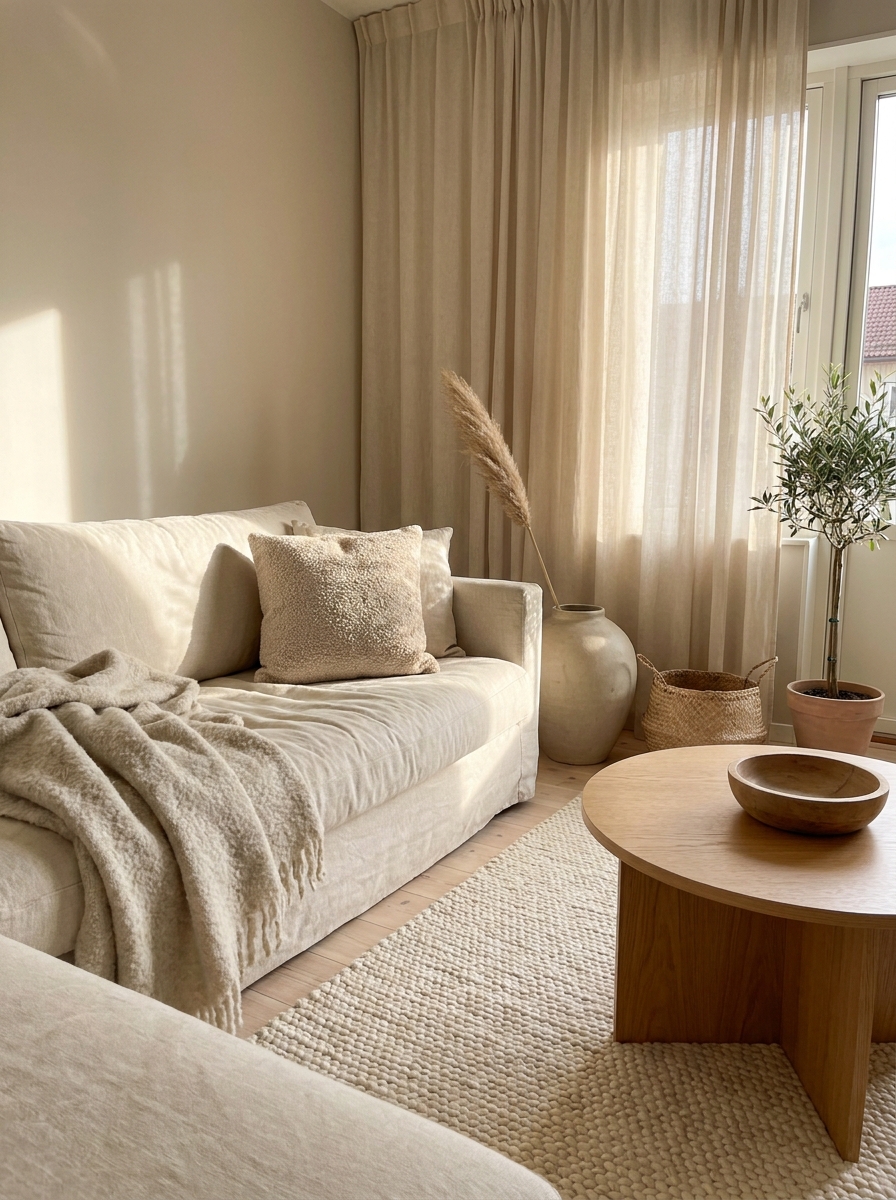
The secret to warm minimalism isn’t about adding more stuff. It’s about choosing pieces with soul. Start with a neutral base, then layer in different textures that beg to be touched. A chunky wool throw draped over linen cushions. A boucle chair next to a smooth wooden side table. The contrast creates visual interest without any color chaos.
I love mixing rough with smooth. A nubby jute rug under a sleek ceramic vase. Soft cotton curtains next to a woven basket. Each texture catches light differently, and that’s what makes a room feel alive instead of flat. You’re not piling on decorative objects. You’re just being intentional about the surfaces you choose.
And here’s the thing: when everything lives in the same warm neutral family, you can go wild with texture without it looking busy. Cream on cream on cream, but one’s matte linen, one’s glossy ceramic, and one’s rough-hewn wood. That’s the magic right there.
2. Choose Light Wood Over Dark
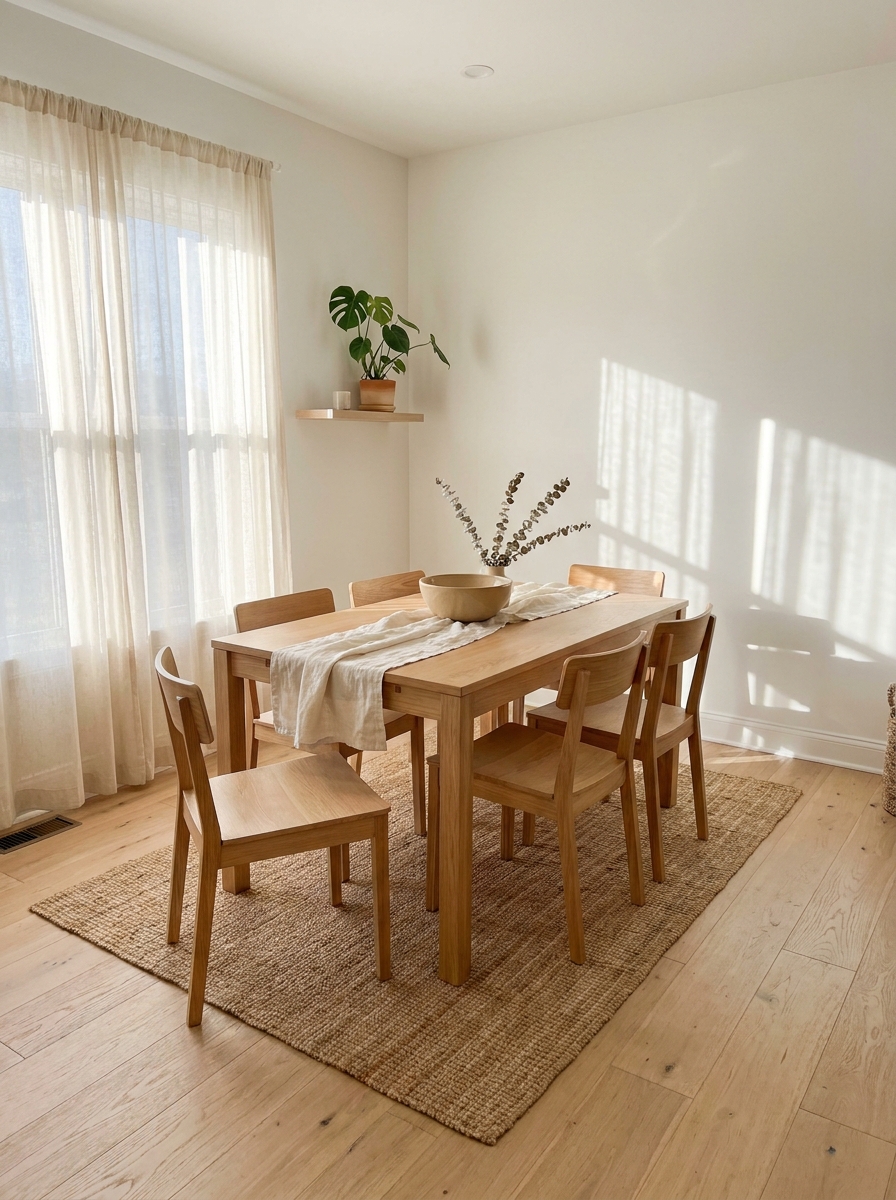
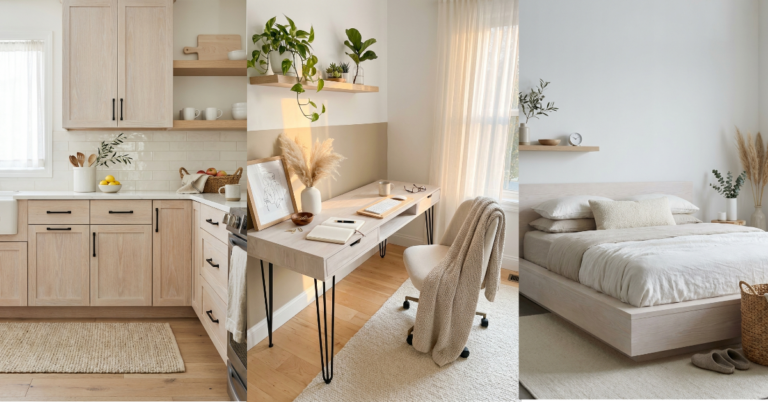
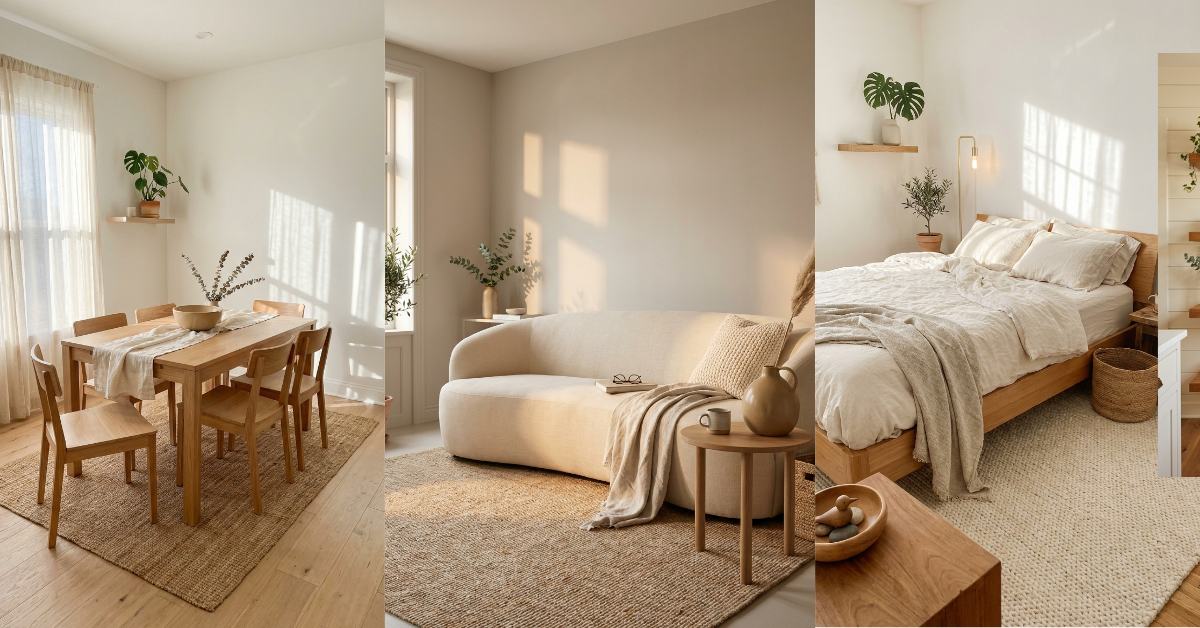
Dark woods can feel heavy and formal. Light woods? They’re the key to that breezy, welcoming vibe. Think blonde oak, light maple, or even pale ash. These warm-toned woods bring organic texture without weighing down your space.
I’m obsessed with how light wood plays with natural sunlight. It almost glows. A simple oak dining table becomes the hero of your room without demanding attention. A light wood bed frame keeps your bedroom feeling airy even with the door closed. The grain shows through beautifully, giving you visual interest that dark finishes often hide.
But here’s what really matters: light wood feels approachable. It doesn’t look precious or untouchable. You can set your coffee mug down without worrying about rings. Your kids can do homework at that table. It’s minimalism that actually works for daily life, not just photo shoots. And it pairs perfectly with those soft neutral textiles we all love.
3. Keep Walls Soft and Warm
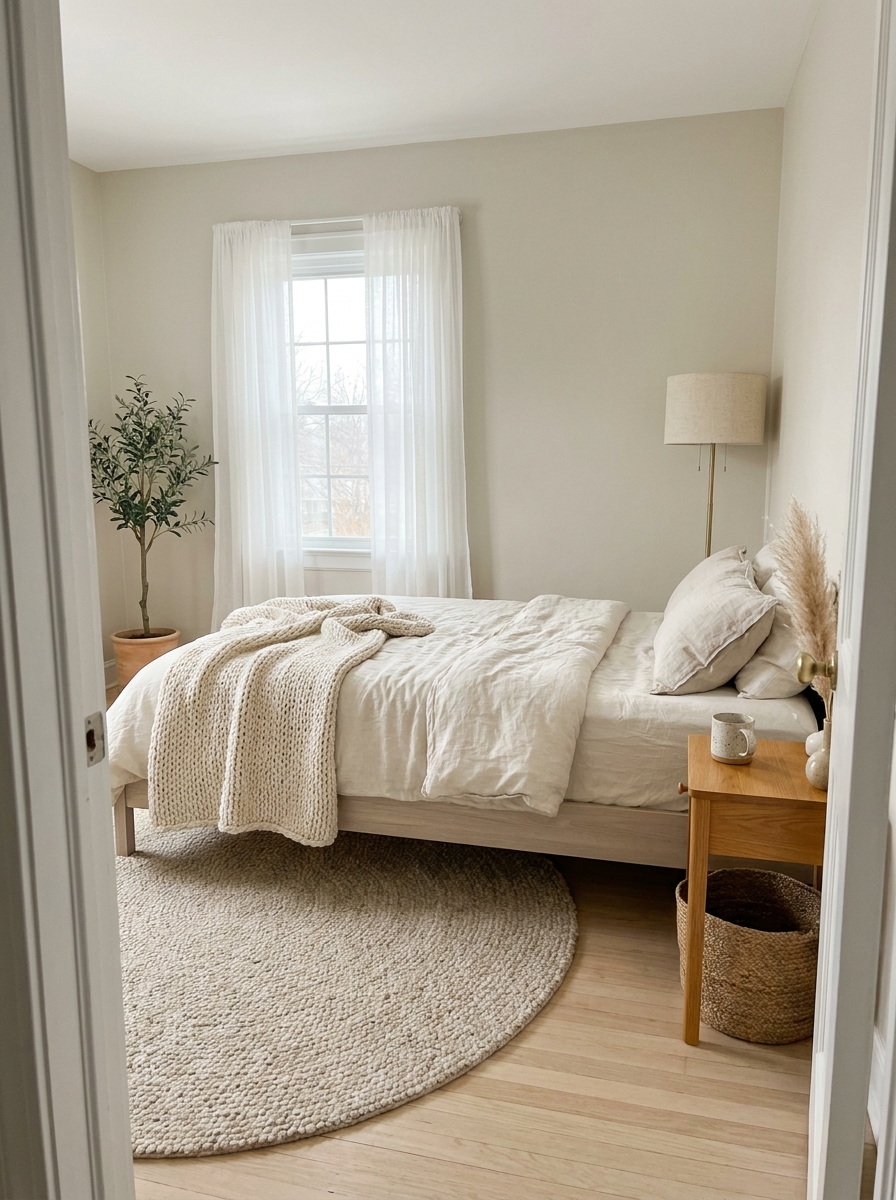
Forget stark white walls. The warmest minimalist spaces use soft, creamy neutrals that change throughout the day. Think warm white with a hint of beige, pale greige, or the softest ivory. These colors wrap your room in gentle warmth without any harshness.
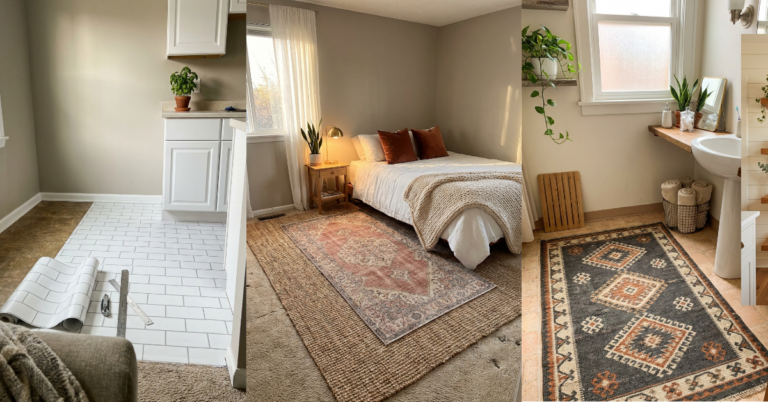
I’ve painted walls bright white before and immediately regretted it. The room felt cold and clinical, like a dentist’s office. But switch to a warm white or pale beige? Suddenly the same space feels like a hug. Morning light makes it glow golden. Evening light turns it peachy and soft. Your wall color is doing half the work of making a room feel inviting.
The beauty of these warm neutrals is how they make everything else look better. Your light wood furniture pops. Your cream textiles feel intentional instead of washed out. And you can still keep that clean, minimal aesthetic because you’re not adding color. You’re just choosing a warmer version of neutral.
4. Display Only What You Love
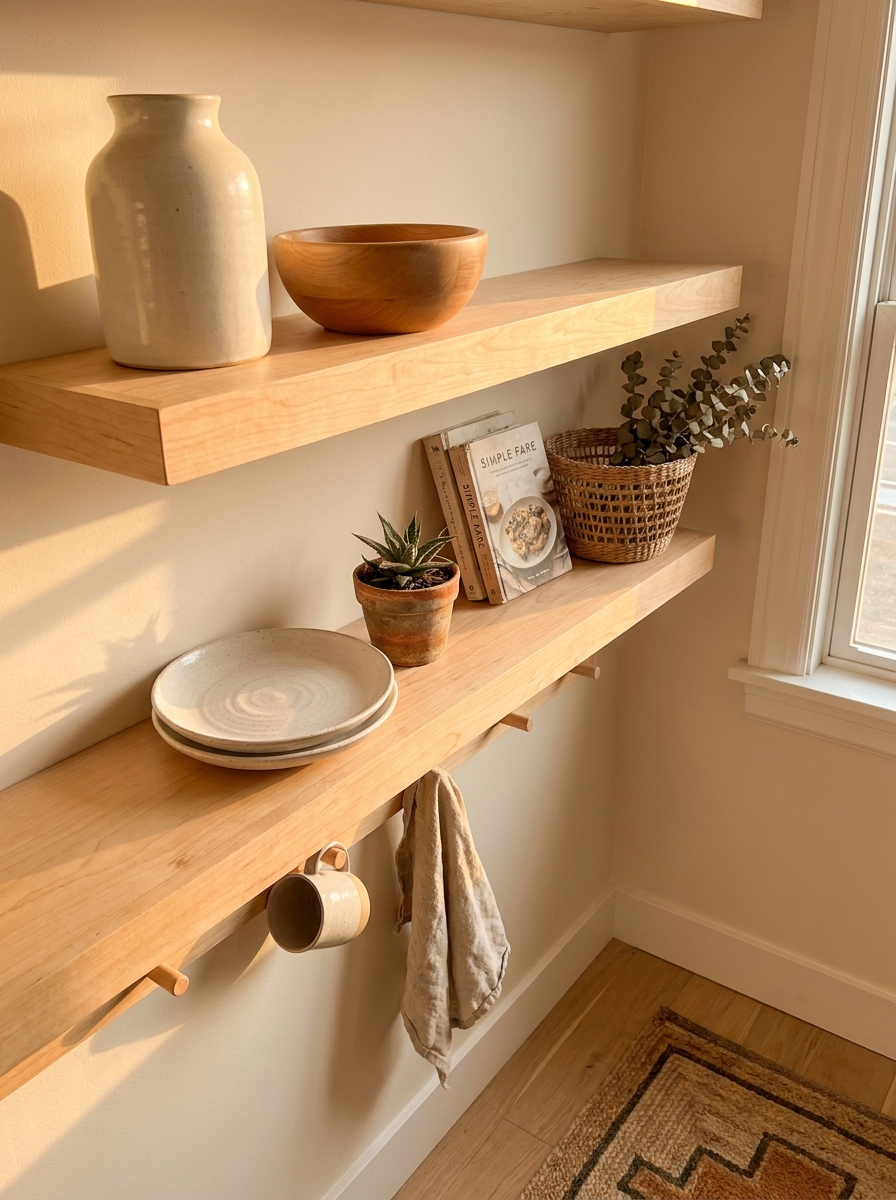
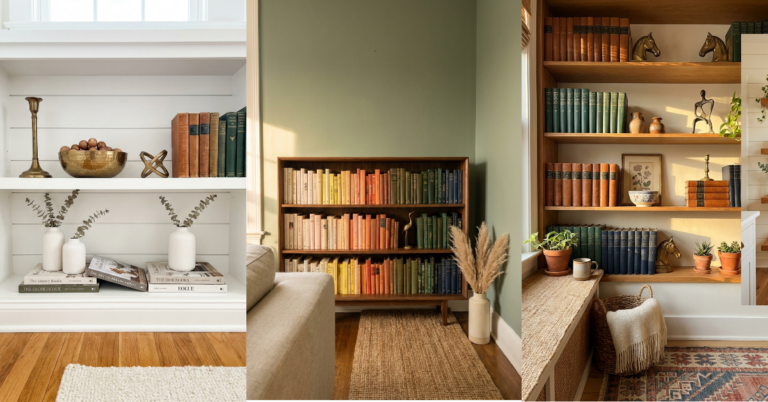
Warm minimalism doesn’t mean your shelves have to be empty. It means they should only hold things that make you genuinely happy. That handmade ceramic vase your friend made. The wooden bowl you found at a flea market. Three favorite books, not thirty.
The difference between clutter and curation is emotional connection. When every item on display means something to you, your space feels personal and warm. It tells your story without shouting. I keep a small collection of pottery on my open shelving. Each piece has a memory attached. They’re not there to fill space or look trendy. They’re there because I love them.
And here’s what’s freeing: once you commit to this rule, shopping becomes easier. You’re not buying things to fill gaps. You’re waiting for pieces that genuinely speak to you. Your home becomes a reflection of what matters, not what you think should be there. That’s warm minimalism at its best.
5. Add One Statement Piece Per Room
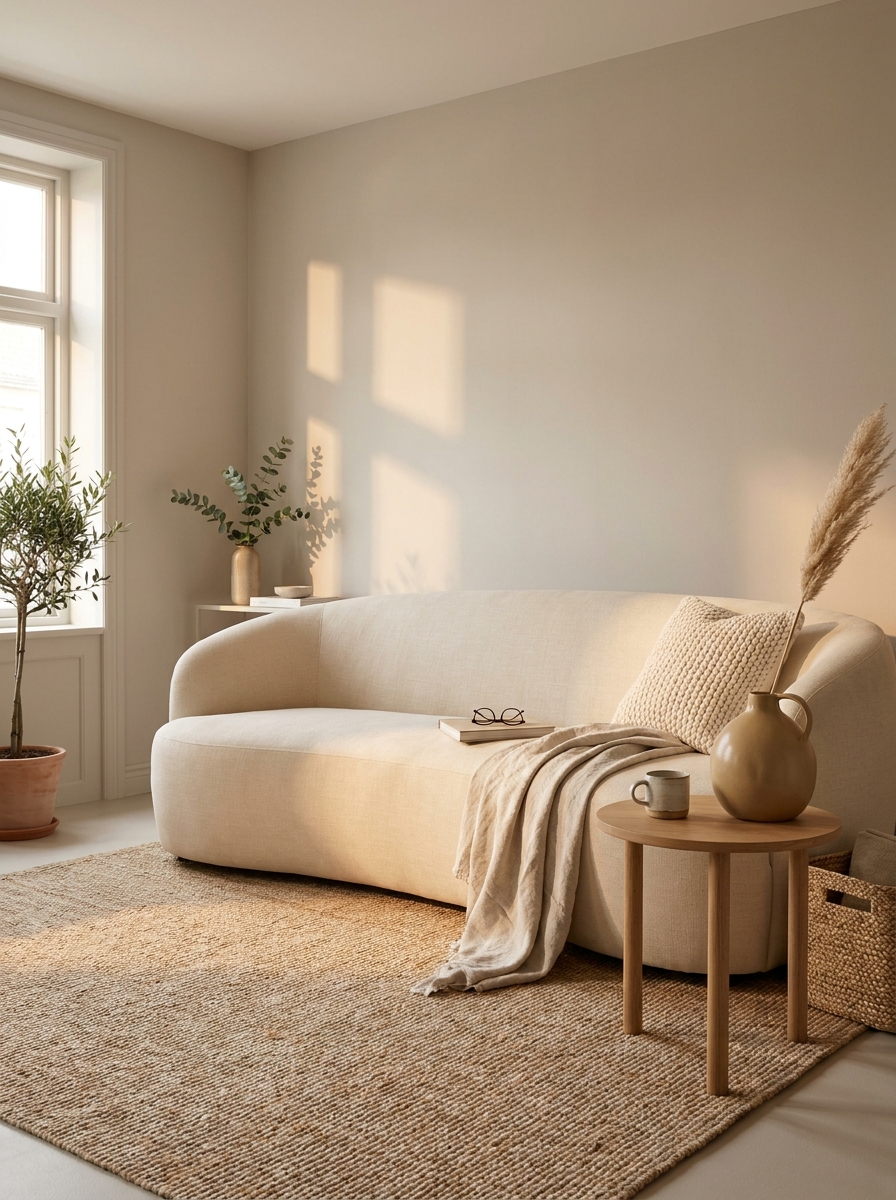
Here’s the thing about warm minimalism—it’s not about bare rooms that feel empty. It’s about editing down so one beautiful thing gets to shine.
I learned this when I removed half my living room furniture and suddenly my vintage leather chair became the star. It didn’t just look better—the whole room felt calmer and more intentional. One gorgeous piece beats five okay ones every single time.
Choose something with warmth and character. A sculptural floor lamp. A curved linen sofa. A chunky wooden coffee table with visible grain. Let it be the thing people notice first when they walk in. Everything else becomes supporting cast.
The beauty is how much easier decorating becomes. You’re not trying to balance ten different things. You’re building a quiet backdrop that makes your favorite piece look even more stunning. Less stress, more impact, and rooms that feel both spacious and deeply personal.
6. Let Natural Light Do the Work
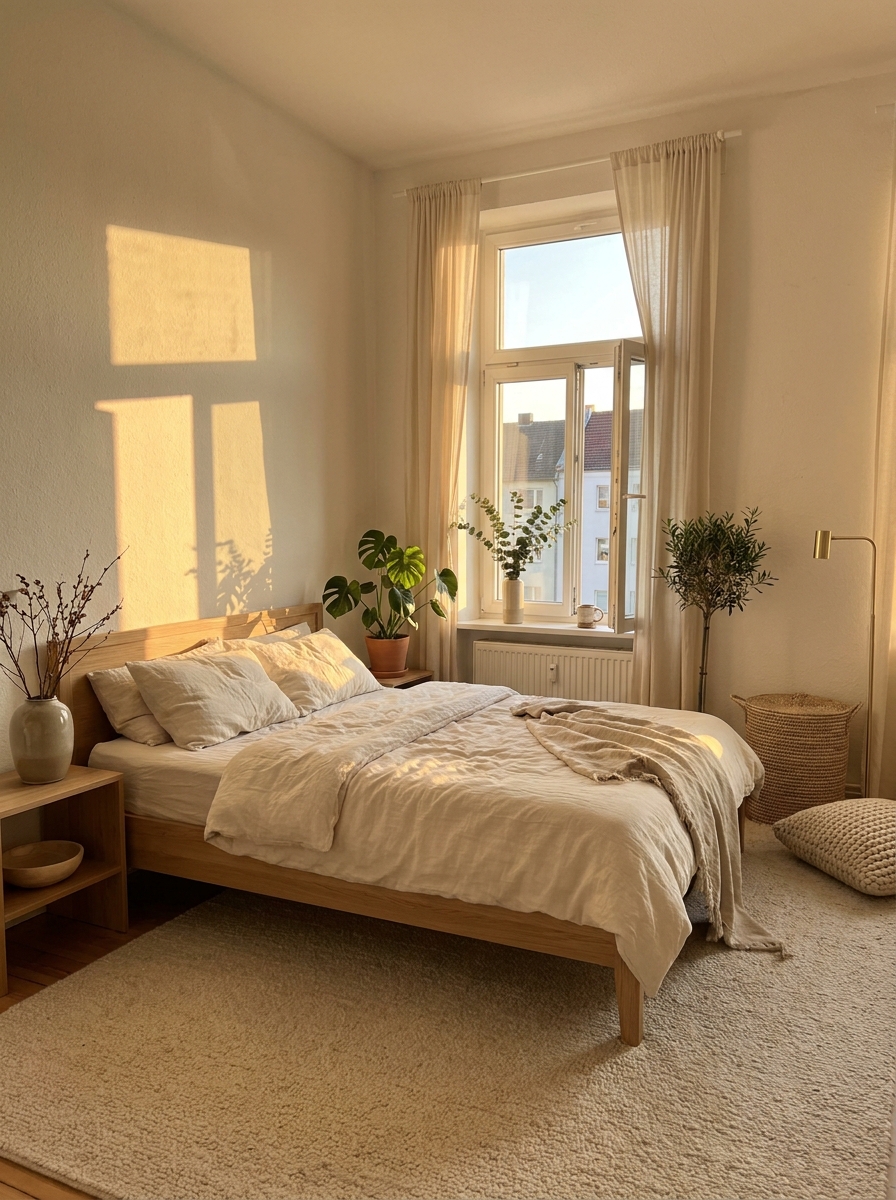
Warm minimalism lives and breathes with natural light. I’m talking about those big, unobstructed windows that flood your space with sunshine and make everything feel alive.
Ditch the heavy curtains. I switched to unbleached linen panels that I can pull back completely during the day, and wow—game changer. The room feels twice as big and infinitely more inviting. Natural light shows off the grain in your wood furniture, makes your cream sofa glow, and creates these gorgeous shadows that shift throughout the day.
If privacy’s an issue, try sheer curtains that diffuse light instead of blocking it. Or install simple woven shades you can raise completely when you’re home. The goal is maximum daylight with minimal fuss.
Light is free decoration. It changes the mood from morning to evening, highlights your textures, and makes even the simplest room feel warm and welcoming. Work with your windows, not against them.
7. Embrace Open Shelving Mindfully
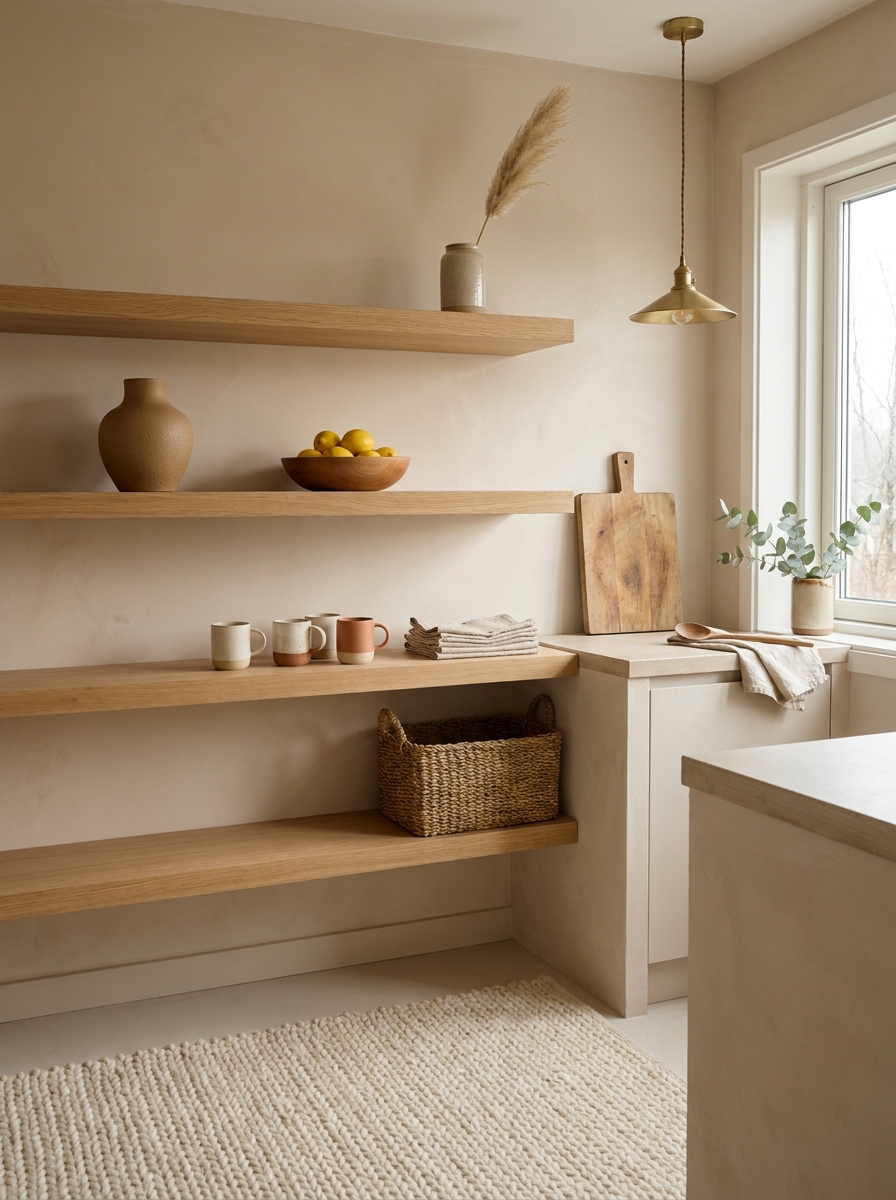
Open shelving gets a bad rap for looking messy, but done right? It’s the perfect warm minimalist move. The trick is radical editing and beautiful everyday items.
I replaced my upper kitchen cabinets with two simple wooden shelves, and suddenly my space felt open and breathable. But here’s what makes it work—I only display things I actually use and genuinely love. Handmade ceramic bowls. A small collection of wooden spoons in a simple vessel. Linen napkins stacked neatly.
Think of open shelves as curated displays, not storage dumps. Group items by color and material. Leave plenty of empty space between groupings. If it doesn’t serve you or make you smile when you see it, it doesn’t belong on display.
The warmth comes from seeing beautiful, touchable things that tell your story. Real dishes you eat from. Bowls that hold your morning oatmeal. It’s minimalism that feels alive and personal, not staged.
8. Choose Furniture with Visible Legs
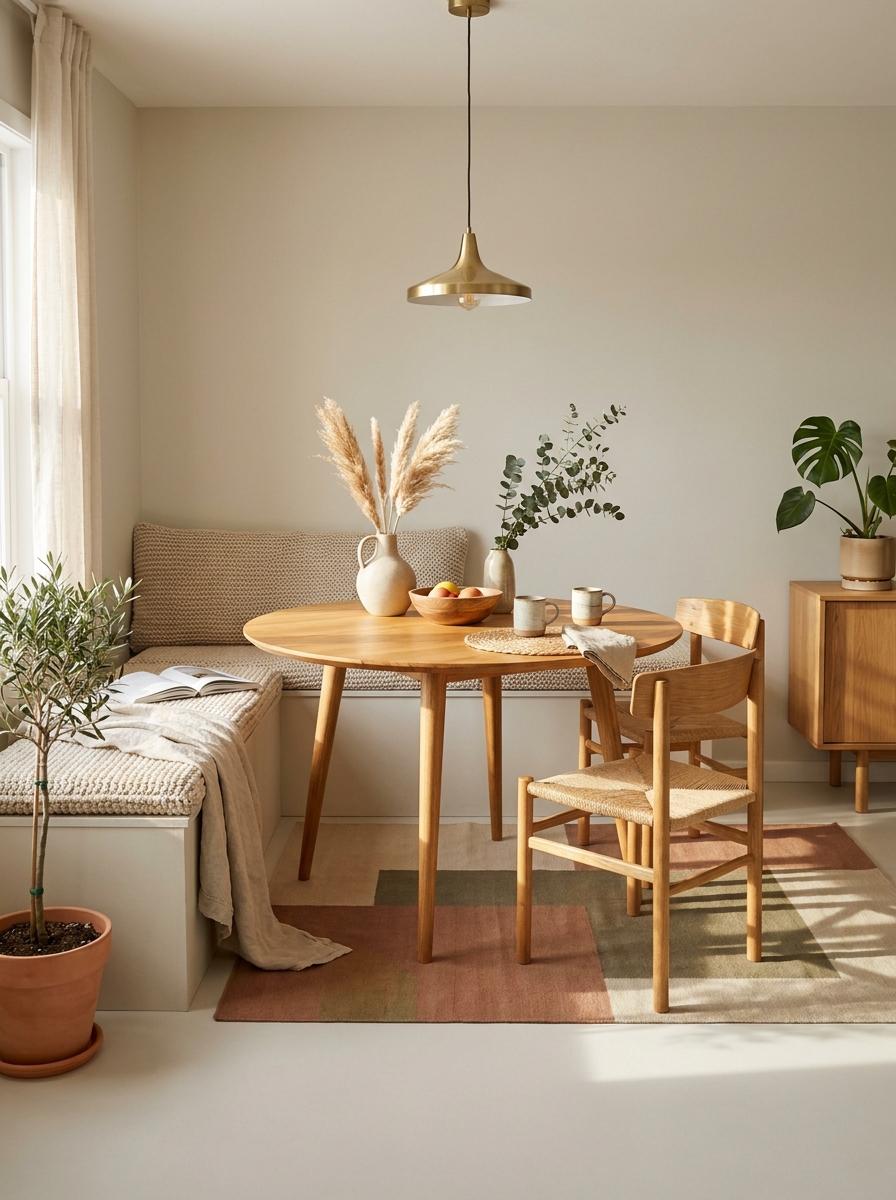
This tiny detail changes everything. Furniture that sits directly on the floor makes rooms feel heavier and more closed in. But pieces with visible legs? They create airiness while keeping all that cozy warmth.
I swapped my big skirted sofa for one with simple wooden legs, and the room literally felt like it exhaled. You can see more floor, light flows underneath, and somehow everything looks less cluttered even though nothing else changed. It’s visual magic.
Look for sofas, chairs, nightstands, and beds with exposed legs in light wood or simple metal. Even just six inches of clearance makes a massive difference. The floor space showing through creates breathing room that’s essential to minimalism, while the warm wood or brass keeps things from feeling cold.
This works especially well in small spaces. When you can see under and around furniture, your eye travels further and rooms feel more spacious. Simple change, big impact.
9. Use Round Shapes to Soften the Space
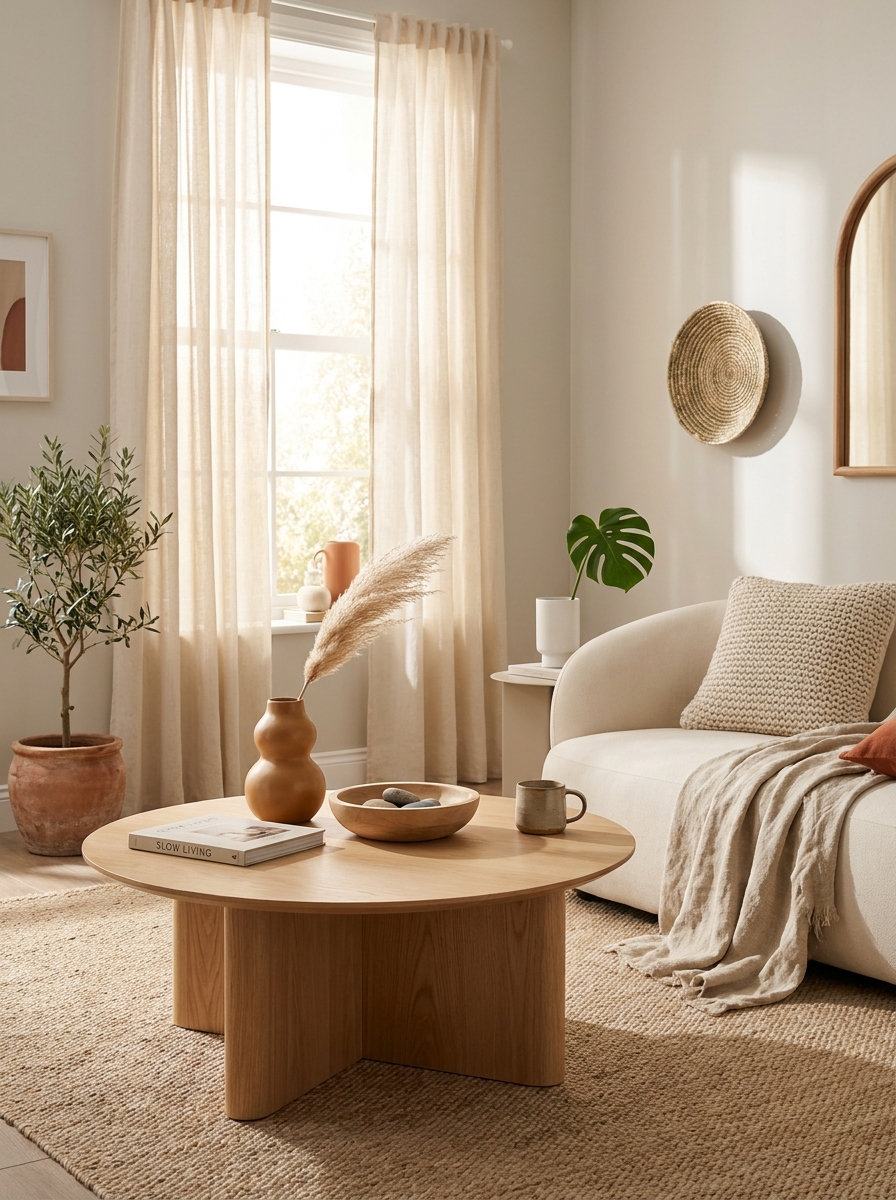
Sharp corners everywhere can make minimalism feel a little too serious. That’s where curves come in—and they’re total game-changers.
I’m talking round coffee tables, curved pendant lights, circular mirrors, arched doorways if you’re lucky. Even a round ceramic bowl on your counter changes the whole vibe. Curves feel gentle. They soften hard edges and make a room feel more welcoming without adding visual clutter.
You don’t need to go overboard. One or two rounded pieces per room is plenty. A round dining table instantly makes your space feel more intimate. An arched floor mirror? So elegant. Even swapping out square cushions for round ones adds that soft, approachable touch.
What I love most is how curves guide your eye in a flowing way. There’s no harsh stopping point—just smooth, calming movement. It’s minimalism that actually breathes. And honestly? It just feels nicer to live with. Warm minimalism isn’t about perfection—it’s about spaces that make you exhale.
10. Bring in Handmade or Artisan Pieces
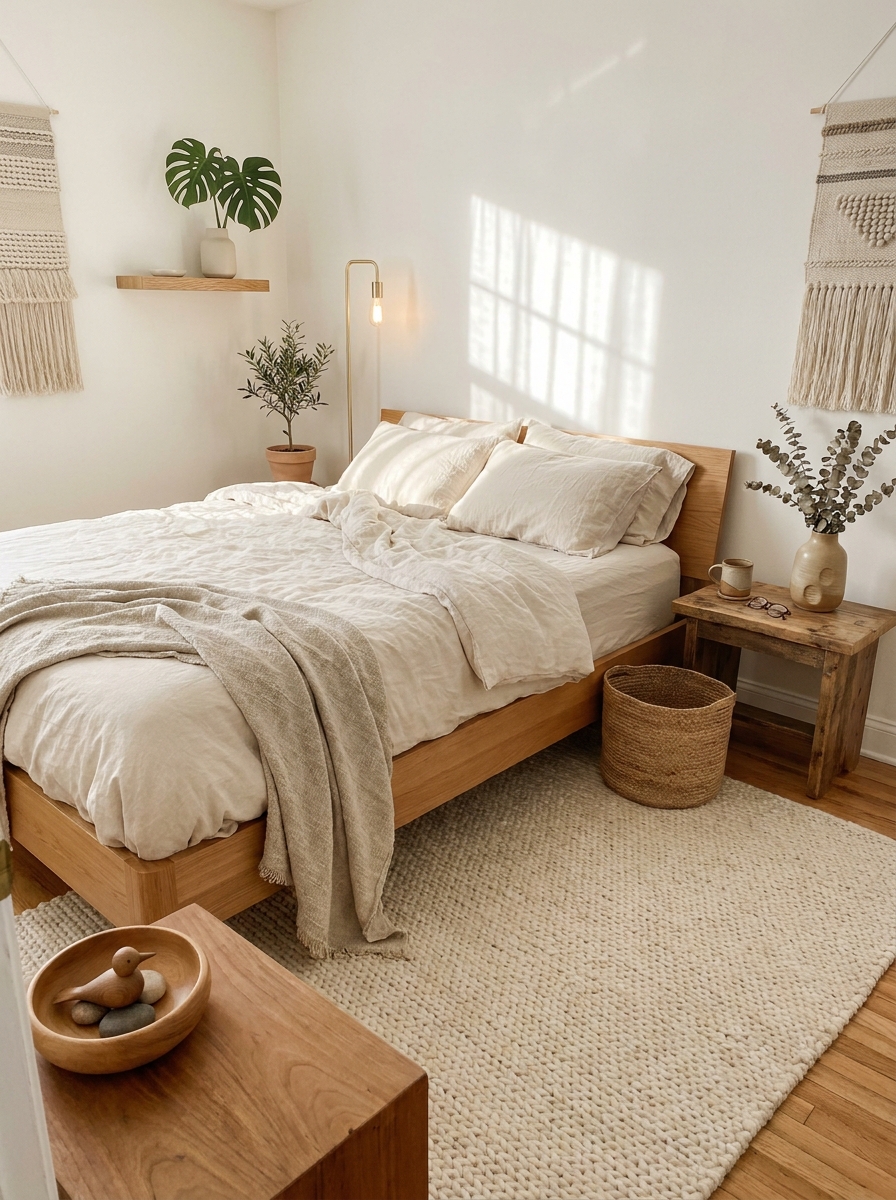
Here’s the thing about warm minimalism—it can’t feel mass-produced. You need a few things with soul, with a story, with someone’s actual hands behind them.
I’m obsessed with handmade ceramics. A wonky vase, a textured bowl, a mug that’s slightly imperfect—these pieces instantly add warmth because they feel human. Same with woven baskets, hand-knotted throws, or a simple wooden cutting board that shows tool marks. They bring character without creating chaos.
You don’t need a houseful of artisan goods. Even one handmade piece per room shifts the energy. It tells your space, “Someone cared here.” And that matters. It’s the difference between a room that looks styled and a room that feels lived in.
I hunt for these at local markets, small online shops, or even estate sales. The beauty is in the uniqueness—no two pieces are exactly alike. That little bit of imperfection? That’s what makes minimalism feel less like a showroom and more like home.
11. Keep Surfaces Mostly Clear
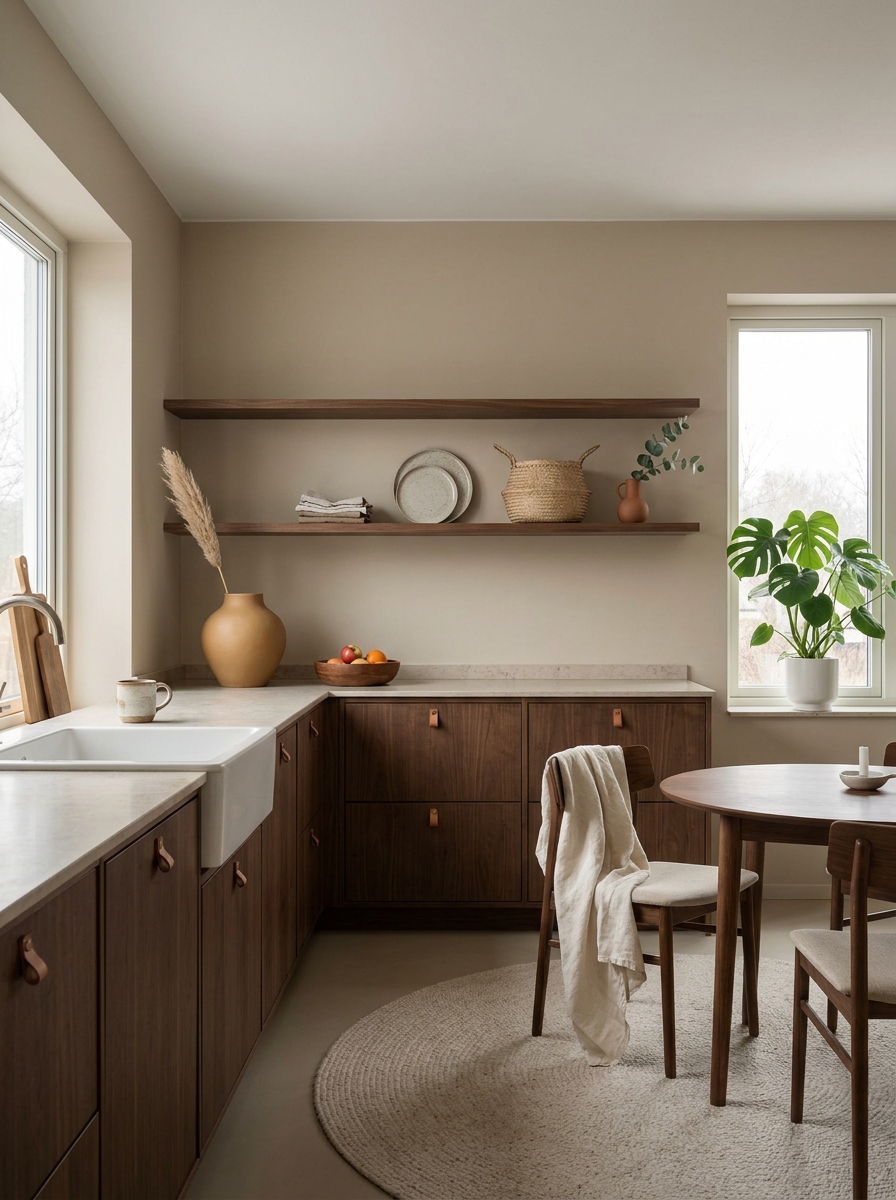
This one’s tough for a lot of us, but it’s kind of the secret sauce. Clear surfaces equal visual calm—and that’s what makes minimalism actually feel good instead of just looking good.
I’m not saying completely bare. But those countertops, coffee tables, nightstands? They should have breathing room. Maybe three things max. A vase, a candle, a small bowl. That’s it. When surfaces are crowded, your eye has nowhere to rest. Clear them off, and suddenly the whole room exhales.
What helped me was creating “homes” for everything. Mail goes in a basket. Keys have a hook. Random stuff gets tucked into drawers. Once I stopped treating surfaces like dumping grounds, keeping them clear became automatic.
And here’s the magic—when you only display a few intentional things, those things actually shine. That beautiful ceramic dish gets noticed. The texture of your linen runner stands out. Less really does become more. Your space feels calmer, cleaner, and somehow warmer all at once.
12. Mix Old and New Thoughtfully
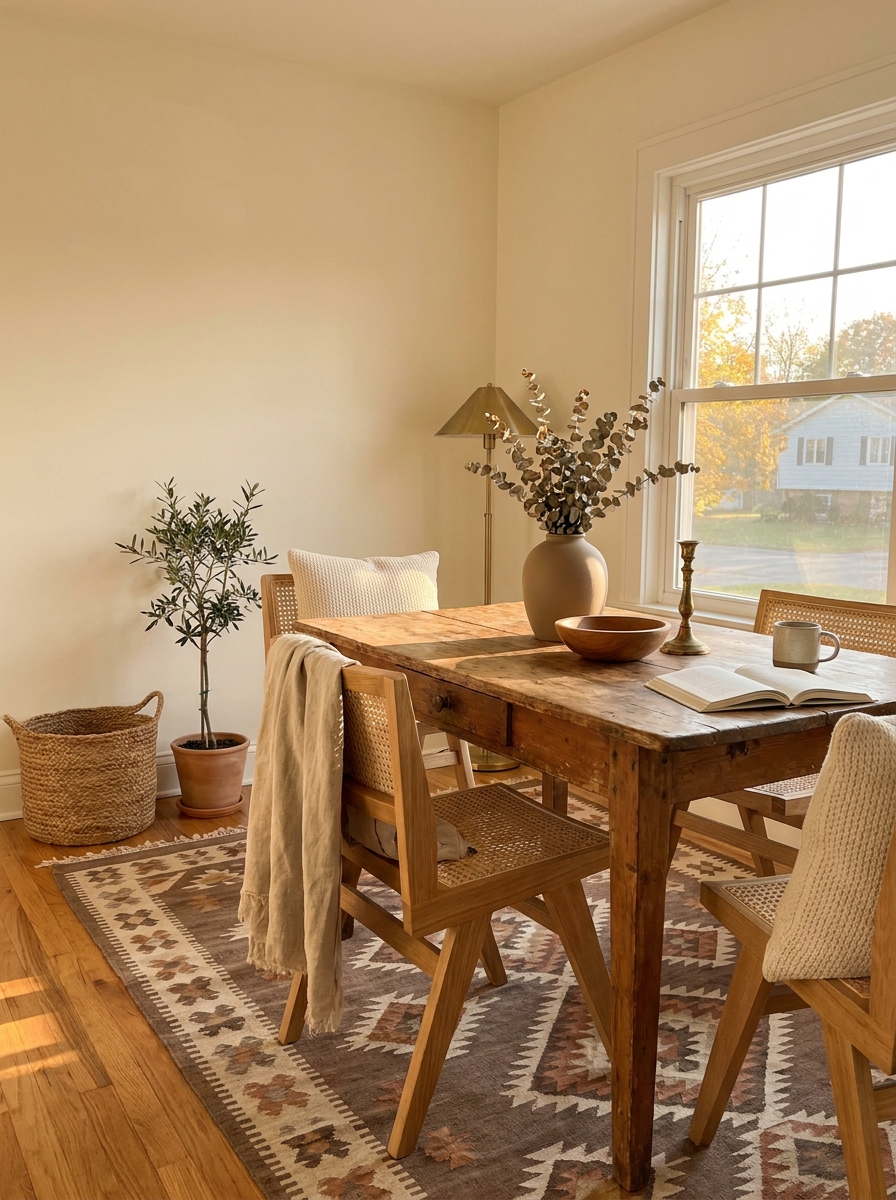
All-new furniture can look a little sterile, you know? Like a catalog page. That’s why I always mix in something with history—something that’s lived a little.
Maybe it’s a vintage wooden stool, a secondhand brass lamp, or your grandmother’s ceramic bowl. These older pieces add instant warmth because they carry stories. They feel earned, not bought. And when you pair them with clean-lined modern furniture, something magical happens—the old piece feels fresh, and the new piece feels grounded.
The trick is balance. You’re not going full vintage—that’s a different vibe. You’re adding one or two older items that feel intentional, not cluttered. A mid-century side table next to your modern sofa. An antique mirror above your sleek console. It’s that contrast that makes both pieces shine.
I love hunting for these treasures at thrift stores or online marketplaces. You don’t need expensive antiques—just something with character, something that doesn’t look like everyone else’s stuff. That’s how you make minimalism feel like yours.
13. Introduce Warmth Through Lighting Layers
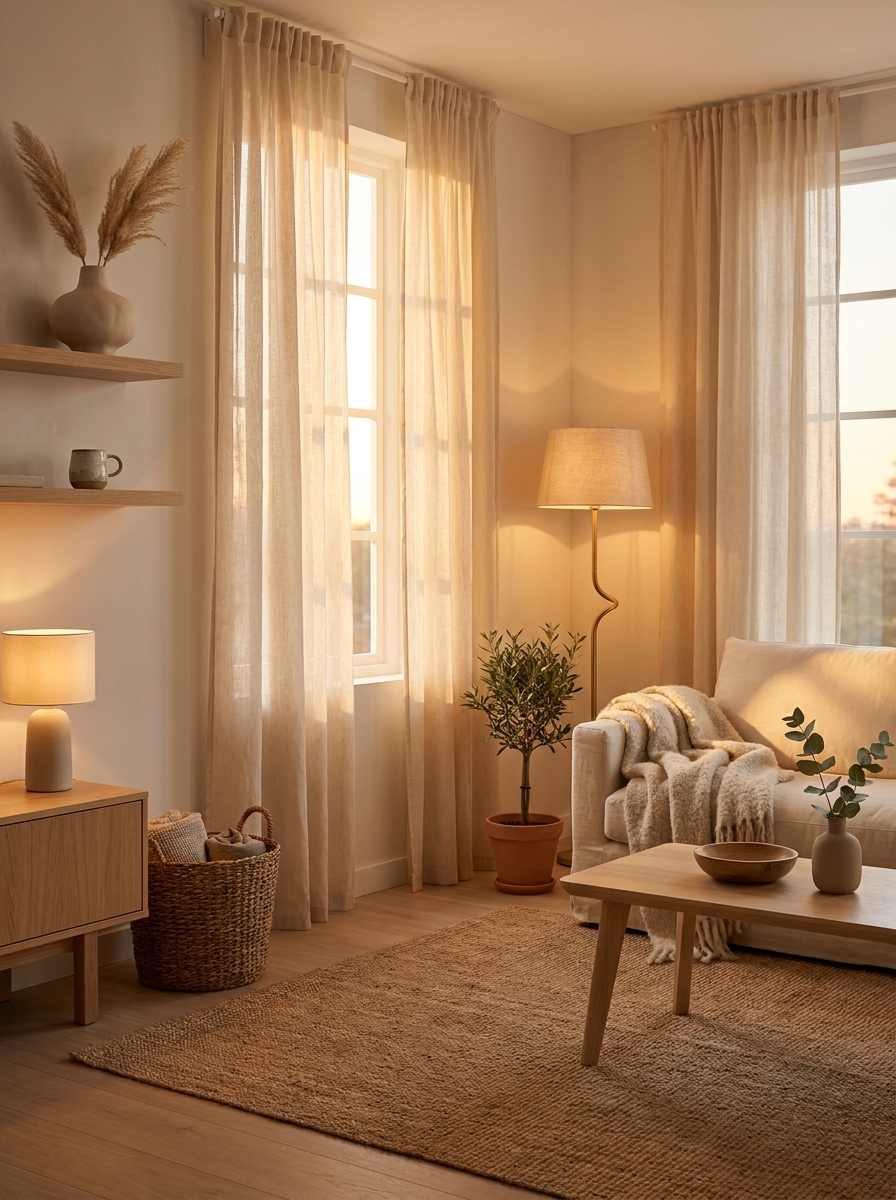
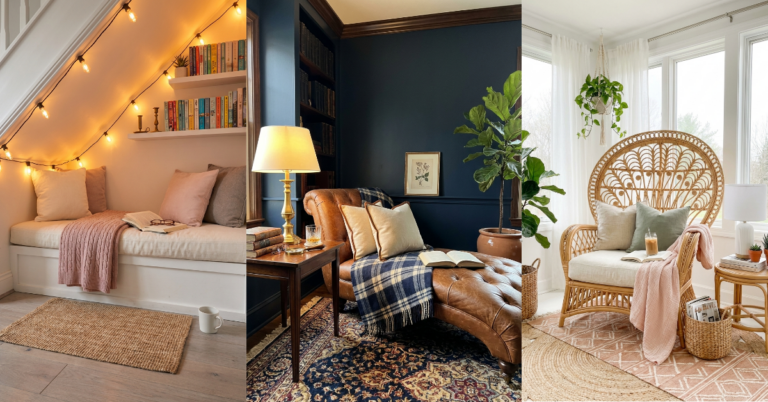
Here’s something I learned the hard way: one overhead light will never make a minimalist room feel cozy. You need layers. Multiple light sources at different heights create that warm, lived-in glow that makes you actually want to curl up and stay awhile.
I’m talking about a simple floor lamp in the corner, a small table lamp on your console, maybe a plug-in sconce by your reading chair. Nothing fancy. But when you turn them all on at dusk? Magic. The room gets this soft, enveloping warmth that overhead lighting just can’t give you.
The trick is keeping the fixtures minimal but the light itself warm. Choose bulbs around 2700K and stick with simple, sculptural lamps in natural materials. A linen shade, a wood base, a brass arm. When your lighting feels intentional but unfussy, your whole space transforms from stark to sanctuary.
14. Add Life With Plants in Simple Vessels
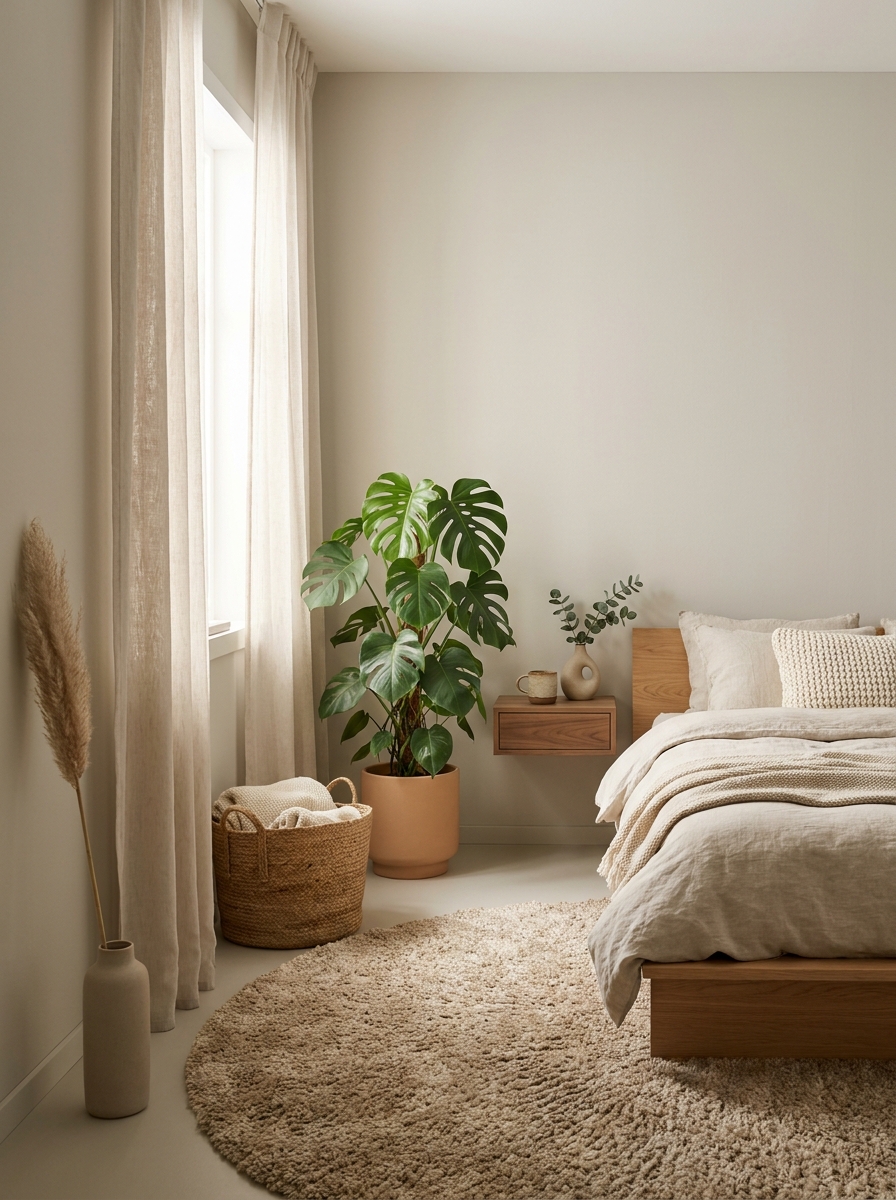
Plants are the easiest way to make minimalism feel alive instead of sterile. But here’s the thing: you don’t need a jungle. One beautiful plant in the right spot does more than five random ones scattered around.
I love a single statement plant in a simple, unfussy pot. A sculptural olive tree in terracotta. A dramatic monstera in a plain ceramic planter. Even one tall stem of pampas grass in a floor vase completely changes the energy of a room. It brings movement, texture, and that organic imperfection that keeps minimalism from feeling too precious.
Keep your planters neutral and natural. Terracotta, ceramic, woven baskets. Nothing glossy or overly decorative. The plant itself is the moment. And honestly? Don’t stress about having tons of them. Three really great plants placed intentionally beat twelve sad ones crammed on every surface.
15. Choose Warm Metals Over Cool
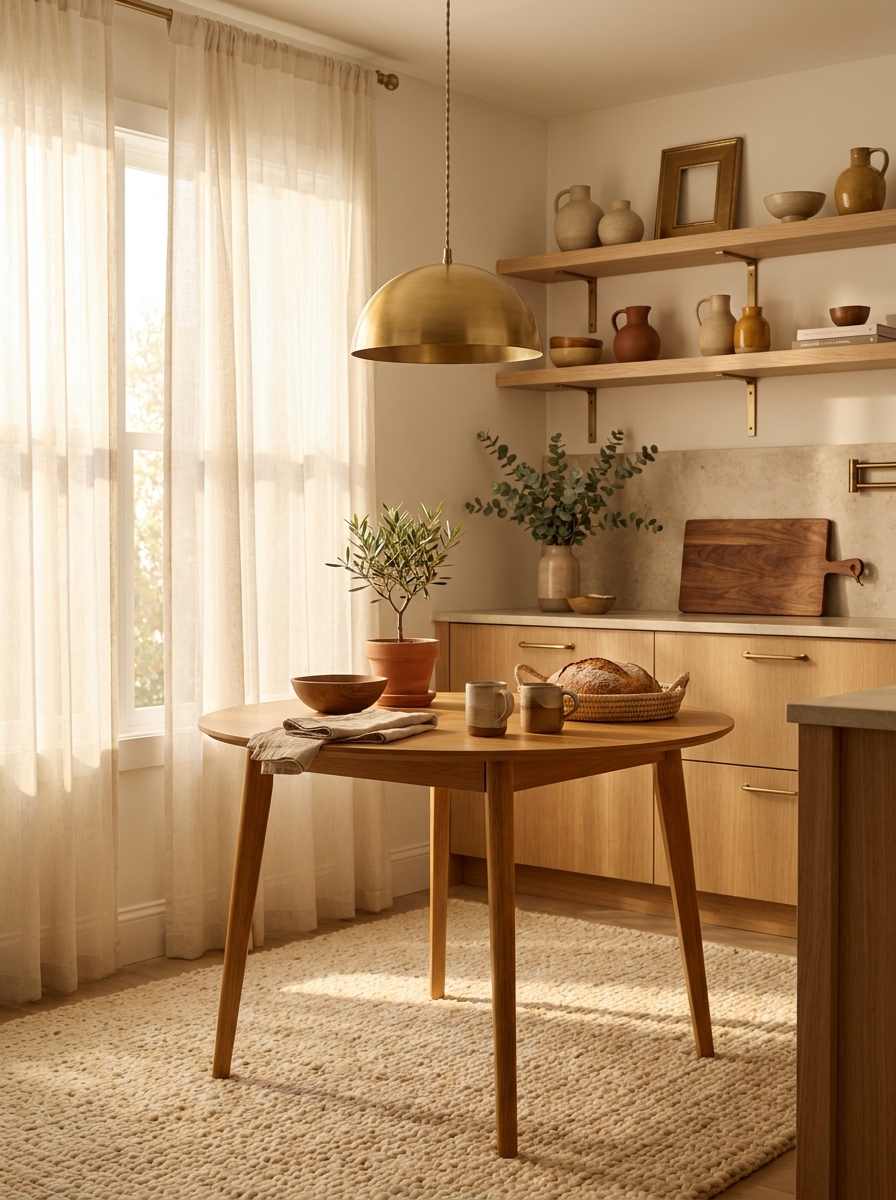
This one’s subtle but powerful. The finish on your hardware, your light fixtures, your picture frames? It completely shifts the temperature of your space. And in warm minimalism, you want those gentle, honeyed tones, not icy chrome.
I swap out anything silver or polished nickel for brass, bronze, or matte gold. Even black metal reads warmer than chrome. These finishes catch the light differently—they glow instead of glare. A simple brass curtain rod, warm gold cabinet pulls, a bronze picture frame. Small changes that add up to a completely different feeling.
You don’t need to match everything perfectly either. I actually love mixing brass and bronze together. It feels collected and natural, not matchy-matchy. Just keep it all in the warm family and your minimalist space will feel cozy and intentional instead of cold and clinical.
Quick Guide
Warm vs. Cool Minimalism: Which One Are You?
Cool Minimalism: Crisp white walls, black accents, concrete surfaces, chrome fixtures, gray textiles, marble counters. Feels: Sophisticated, museum-like, modern.
Warm Minimalism: Cream walls, wood accents, ceramic surfaces, brass fixtures, linen textiles, butcher block counters. Feels: Cozy, inviting, lived-in.
How to know: Ask yourself: Do I want my home to feel like a gallery or a hug? Do I gravitate toward metals or woods? Do I prefer crisp or soft? If you chose hug, woods, and soft, you’re warm minimalist all the way. And honestly? Warm minimalism is way easier to maintain because it embraces imperfection. That throw doesn’t have to be perfectly draped. That wooden bowl can hold your keys. It’s minimalism designed for actual living.
Your Home Should Feel Like You
Here’s what I love most about warm minimalism: it’s not about following rules. It’s about creating space for what matters. Fewer things means you actually see and appreciate what you have. That beautiful ceramic vase gets noticed instead of lost in a crowd. Your favorite throw blanket becomes a moment of daily joy instead of just another thing on the couch.
And the warmth part? That’s what makes it sustainable. You’re not living in a sterile showroom where you’re afraid to touch anything. You’re building a home that invites you to sink into the sofa, to cook in that kitchen, to actually live your life. The textures, the wood tones, the soft walls—they all work together to create spaces that feel both calm and welcoming.
Start small. Choose one corner of your home. Clear it out, keep only what you love, add one beautiful texture. See how it feels. I bet you’ll want to do the whole house. Your home is waiting to breathe.
Frequently Asked Questions
What’s the difference between regular minimalism and warm minimalism?
Regular minimalism often leans cool with stark whites, blacks, and industrial materials. Warm minimalism keeps the same clean, uncluttered approach but uses soft neutrals, natural woods, and cozy textures. It’s less ‘art gallery’ and more ‘inviting sanctuary.’ You still have breathing room and simplicity, but the space feels welcoming instead of austere.
How do I make a minimalist room feel cozy and not cold?
Layer textures and choose warm-toned neutrals. Add a chunky knit throw, a wool rug, linen curtains, and wooden furniture. Keep walls in warm whites or beiges instead of stark white. The key is tactile variety within a neutral palette. Each surface should feel different to touch, which creates warmth without visual clutter.
Can warm minimalist decor work with kids and pets?
Absolutely! Warm minimalism is actually more practical for families than traditional minimalism. Natural materials like wood and linen age beautifully and hide imperfections better than sleek surfaces. Choose washable textiles in warm neutrals that don’t show every stain. The ‘lived-in’ quality is part of the aesthetic, so a rumpled throw or toy basket fits right in.
What colors work best for warm minimalist interiors?
Stick to warm neutrals: cream, beige, warm white, greige, oatmeal, caramel, honey, sand, and soft taupe. For accents, think terracotta, rust, warm ochre, or deep clay. Avoid cool grays, bright whites, and stark blacks. The goal is a palette that feels sun-soaked and naturally warm, like morning light on linen.
How many decorative items should I display in a warm minimalist space?
Quality over quantity every time. For a shelf, three to five meaningful items with space between them. For a coffee table, one to three objects maximum. The rule: if you don’t love it or use it regularly, it shouldn’t be out. Each item should have breathing room and be something you’d genuinely miss if it disappeared.