20 Gorgeous Dining Table Centerpieces to Elevate Every Meal
You’ve got the table. You’ve got the chairs. But every time you look at your dining space, something feels… flat. Like it’s waiting for a little magic to happen. Here’s the thing: your dining table is basically the stage of your home. It’s where birthdays get celebrated, where Tuesday night tacos turn into actual family time, and where your friends linger way past dessert. So why does it often look so… blah? The truth is, styling a dining table isn’t about fancy florals or complicated arrangements. It’s about layers, personality, and a few smart tricks that make everything feel intentional. Whether you’re going for everyday casual or special-occasion stunning, there’s a centerpiece approach that’ll make your table feel like the best seat in the house. And no, you don’t need a huge budget or a design degree. Let’s get into it.
1. The Simple Candle Cluster
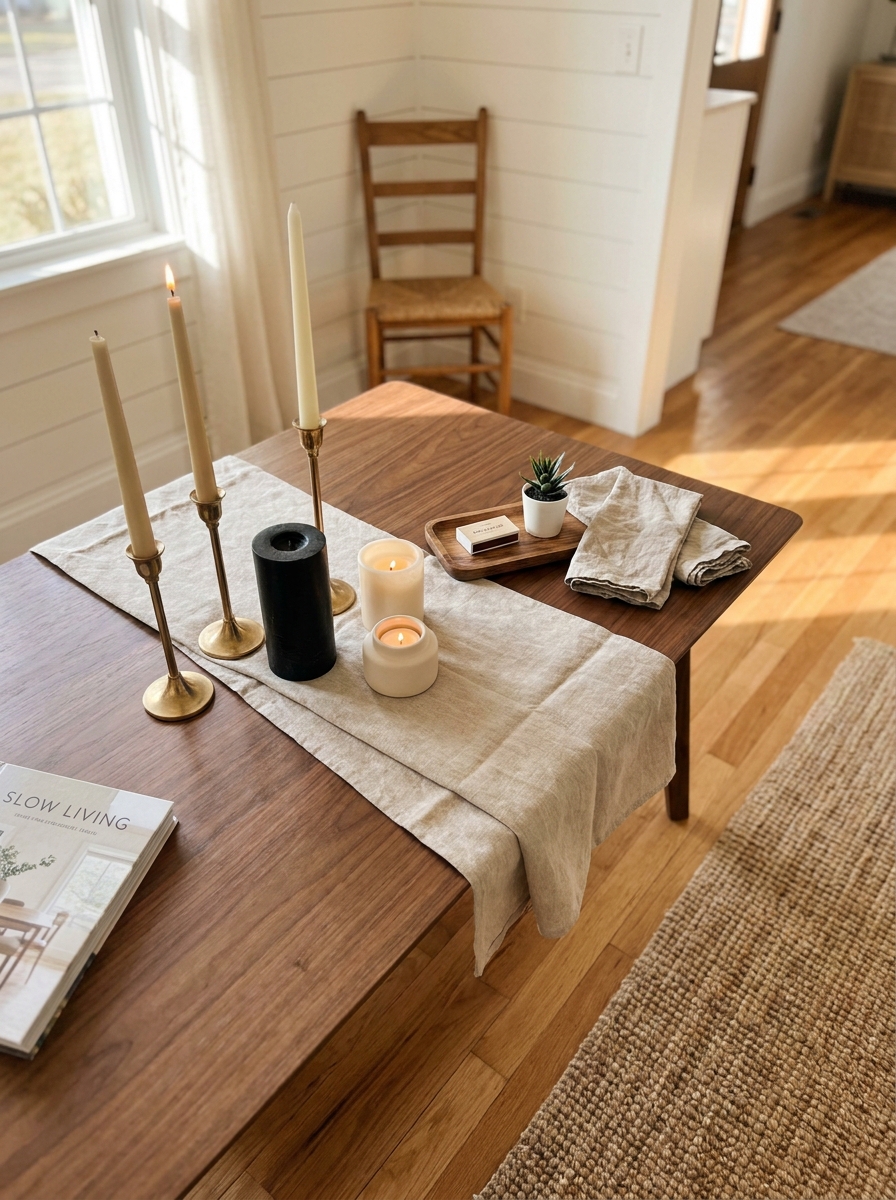
Sometimes the best centerpiece is the one that doesn’t try too hard. A grouping of candles in varying heights creates instant warmth and intimacy without blocking anyone’s view across the table. The magic is in the mix—think three to five candles in different sizes, all in complementary holders.
I love using a combination of taper candles in brass holders alongside a chunky pillar candle on a small wooden tray. It creates dimension and feels intentional without looking fussy. The key is keeping them in the same color family—all whites and creams, or all earth tones—so it feels cohesive rather than cluttered.
And here’s what nobody tells you: unlit candles still look gorgeous during the day. They add vertical interest and texture, especially when you cluster them on a simple runner or directly on the wood. When evening hits, you light them up and suddenly your Tuesday dinner feels like an event. It’s that easy.
2. Fresh Florals in Low Arrangements
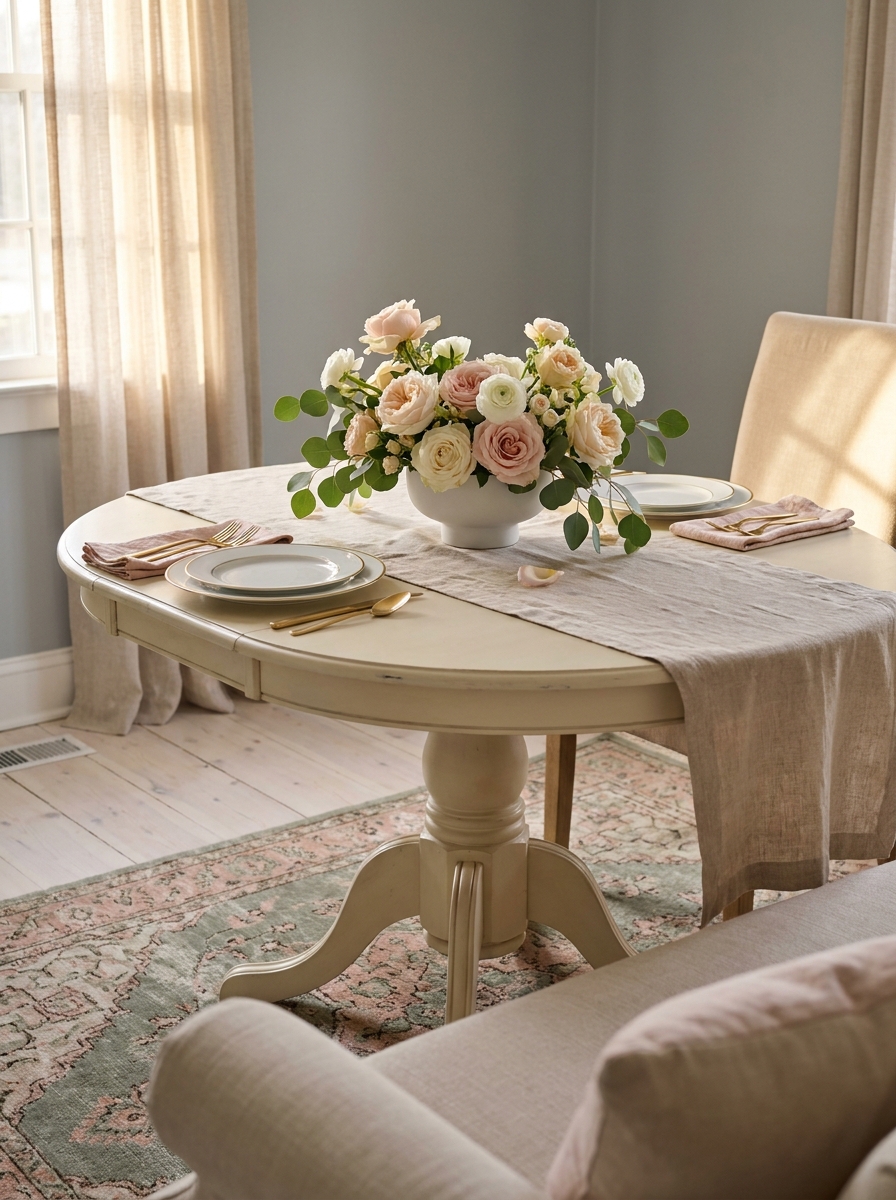
You know what instantly makes a dining table feel expensive? Fresh flowers. But not the towering arrangements that block everyone’s face. We’re talking low and lush—blooms that sit close to the table so conversation flows freely.
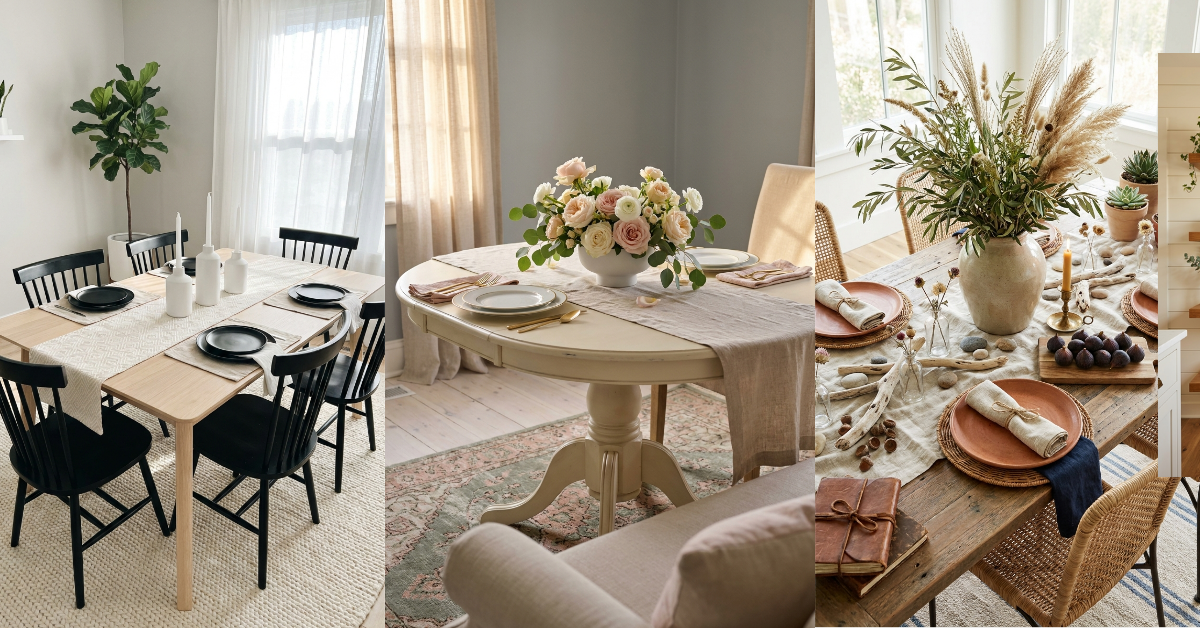
The trick is choosing a wide, shallow vase or even a ceramic bowl. Fill it with garden roses, hydrangeas, or whatever’s seasonal at the grocery store. Keep the arrangement under eight inches tall so it doesn’t become a wall between dinner guests. I’m obsessed with mixing textures—soft peonies with eucalyptus leaves, or dahlias with trailing ivy.
What makes this work for everyday? You don’t need fancy flowers. A bundle of grocery store tulips trimmed short in a simple glass vase looks just as beautiful as an expensive bouquet. Change them out weekly and your table always feels fresh. It’s the kind of small luxury that makes even scrambled eggs feel a little fancy.
3. The Layered Runner Look
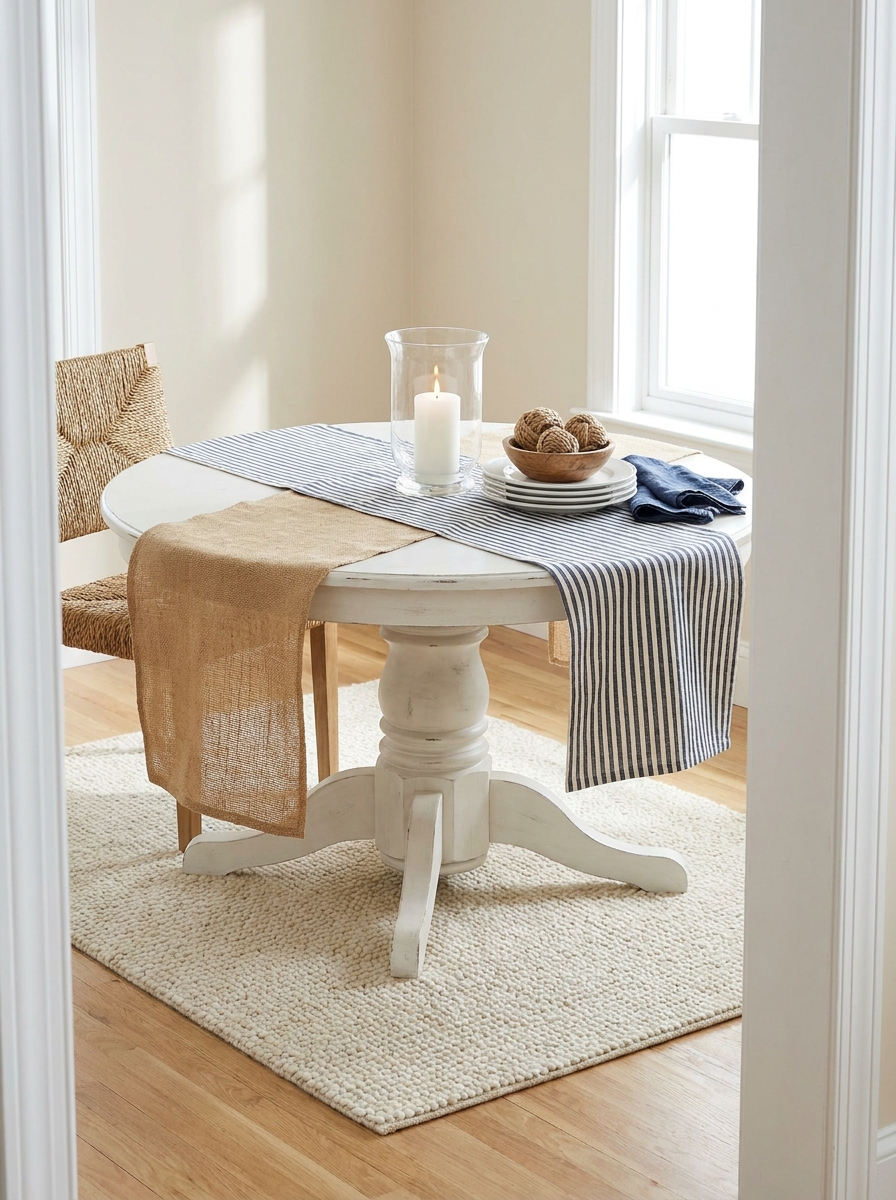
Here’s a styling secret that costs almost nothing: layer your table linens. Start with a simple table runner down the center, then add a second runner or a few placemats in a complementary texture. It creates depth and makes your table look like you really thought about it.
I’m talking linen on top of burlap, or a printed runner over a solid neutral one. The key is keeping the color palette tight—stick to two or three shades max. A cream linen runner over a gray woven base? Chef’s kiss. It gives you that designer look without the designer price tag.
The beautiful thing about this approach is that your centerpiece can be super minimal—maybe just a small vase or a wooden bowl—because the layers themselves create all the visual interest. Plus, when you inevitably spill red wine (we all do), you’re only washing a runner, not a full tablecloth. Practical and pretty? Yes, please.
4. Seasonal Produce as Decor
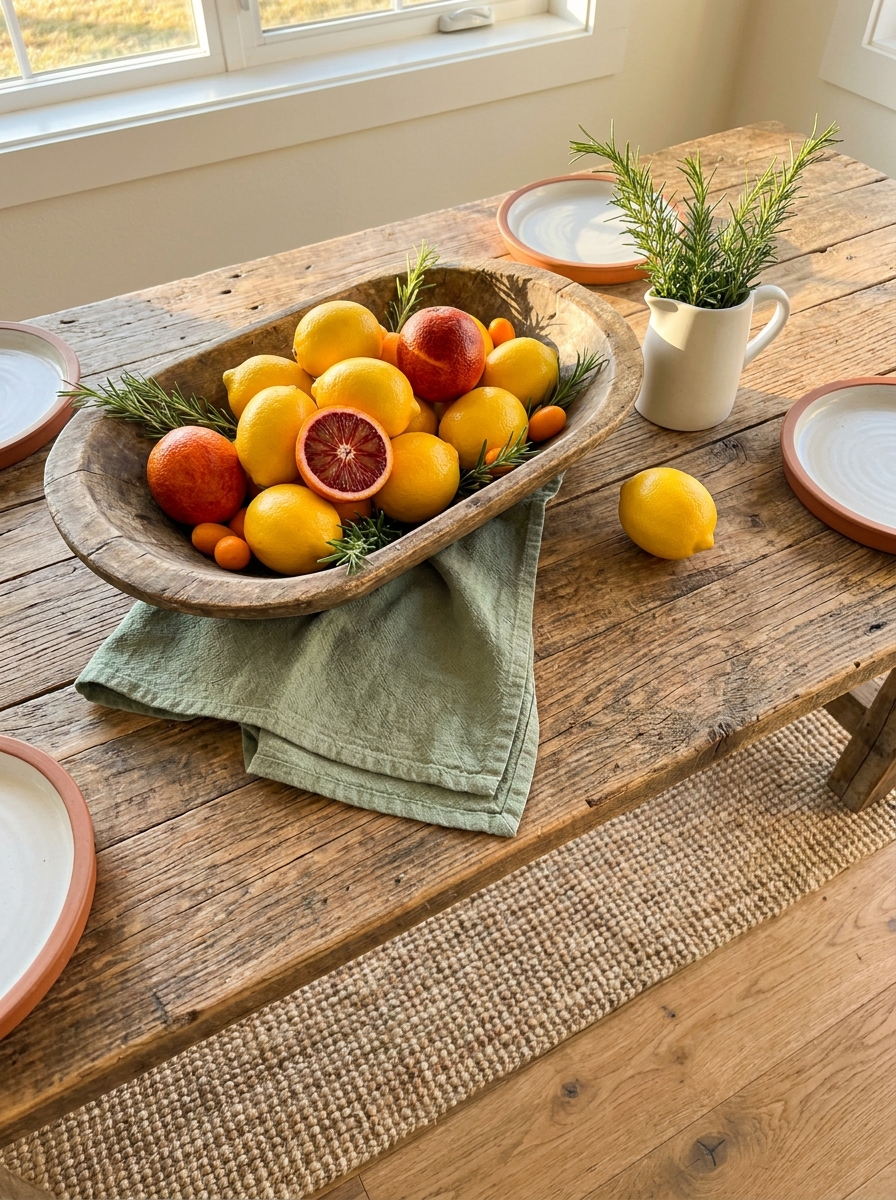
Why buy fake decorations when actual food looks this good? Seasonal fruit and vegetables make the most underrated centerpieces. Think a wooden bowl filled with lemons and limes in summer, or a collection of small pumpkins and gourds in fall. It’s functional, it’s beautiful, and it’s Instagram gold.
The trick is choosing produce that’s naturally gorgeous—deep purple eggplants, vibrant citrus, artichokes with their architectural leaves. Arrange them in a shallow wooden dough bowl or on a marble slab for that elevated farmer’s market vibe. You can eat them throughout the week, so nothing goes to waste.
I love this approach because it changes with the seasons without you having to think too hard. Spring? A bowl of speckled eggs and lemons. Winter? Pomegranates and persimmons. Your table stays fresh and current, and your grocery run doubles as your decorating trip. It’s the kind of smart styling that feels effortless but looks completely intentional.
5. The Vintage Vessel Mix
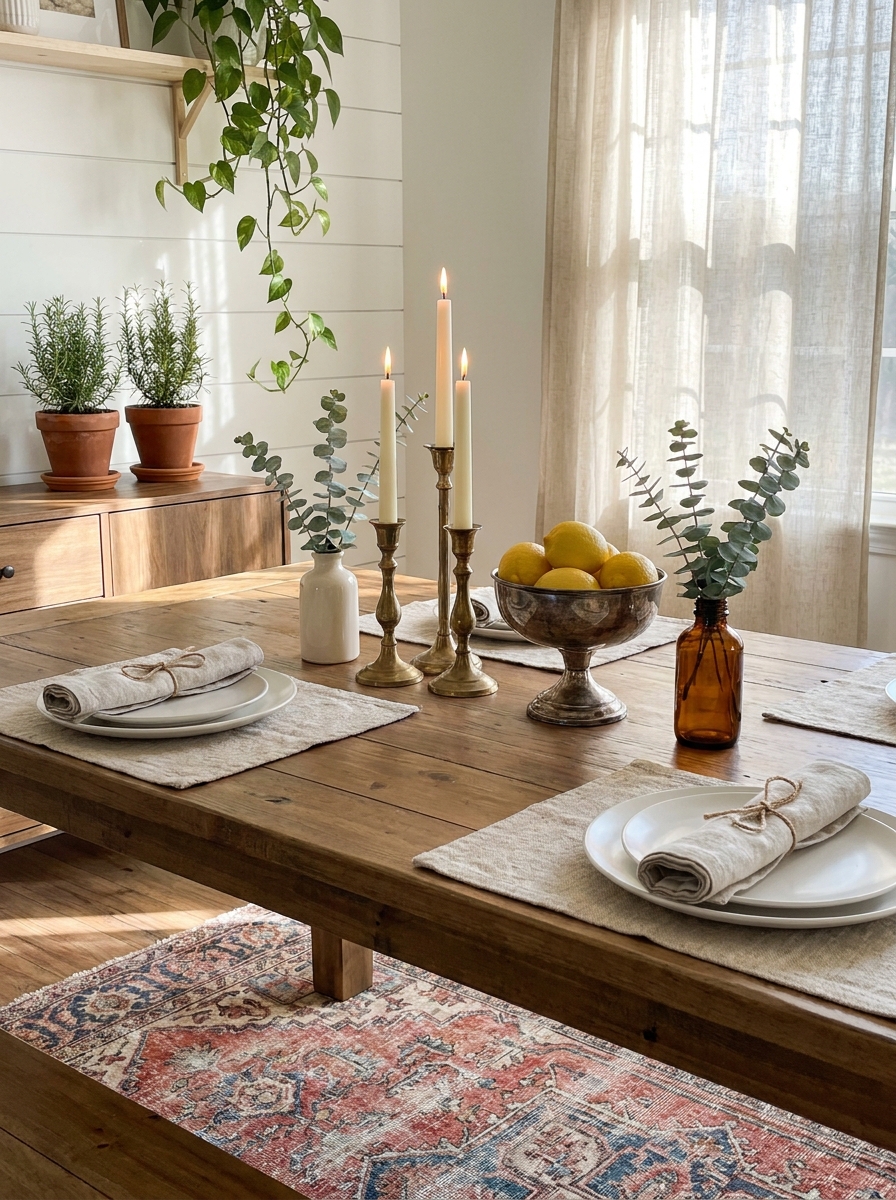
Okay, this one’s for all my thrift store lovers. I’ve been collecting mismatched vintage vessels for years, and grouping them together on a dining table creates the most gorgeous, collected-over-time vibe.
Think old brass candlesticks next to ceramic bud vases next to a tarnished silver bowl. The key is varying the heights and materials while keeping a loose color story. I love pairing warm metallics with creamy ceramics and maybe one pop of colored glass.
Fill some with single stems, leave others empty to show off their shape, tuck in a few tapered candles. The beauty here is the imperfection. Nothing matches, but somehow it all works together. It feels like you raided your grandmother’s attic in the best possible way. This look works year-round because you can swap what goes IN the vessels without changing the vessels themselves. In spring, add tulips. In fall, go with dried grasses. The vessels stay, the fillers change.
6. The Modern Minimalist Moment
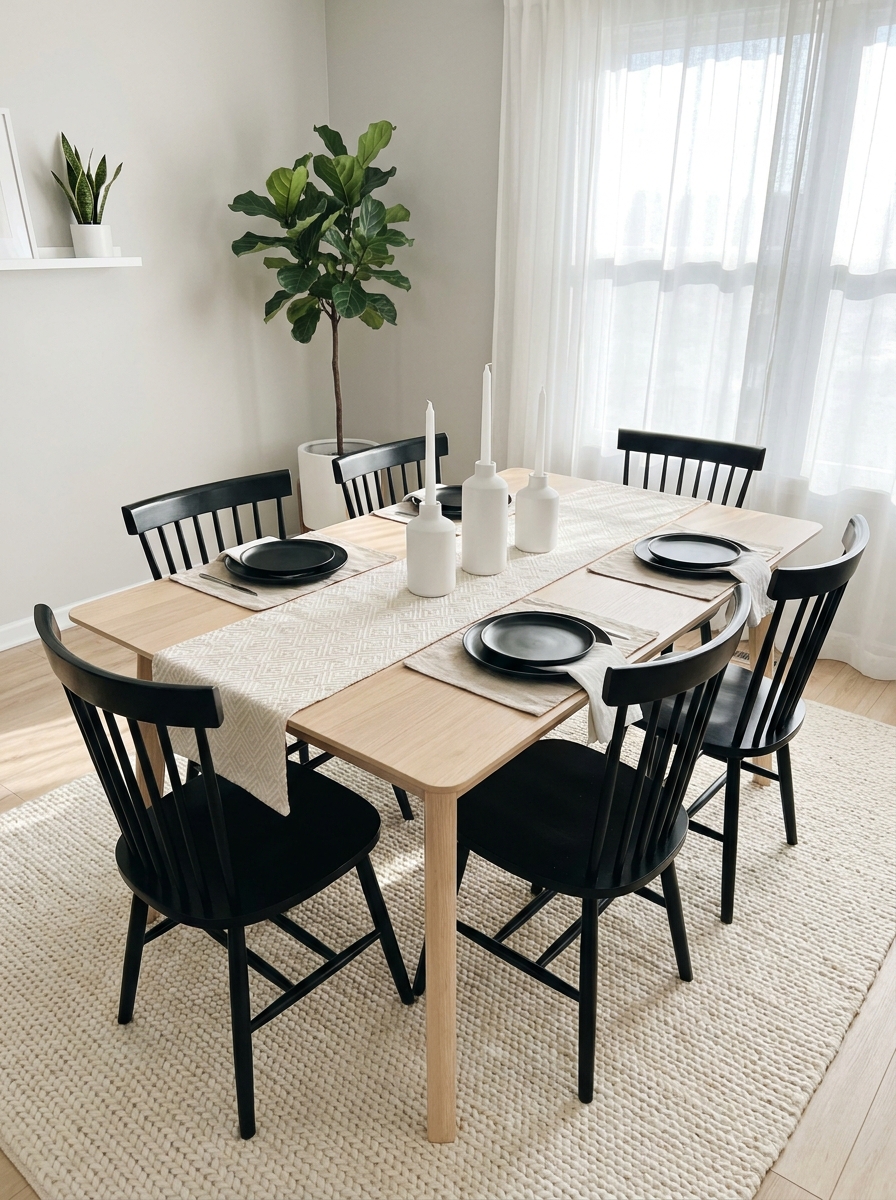
Sometimes less really is more. And nothing proves that like a stripped-back, minimal centerpiece that lets your beautiful table and dishes do the talking.
I’m talking one sculptural element. Maybe a single oversized ceramic bowl. Or three identical white taper candles in sleek black holders lined up perfectly down the center. The restraint is what makes it powerful. When you remove all the extra stuff, what’s left becomes really important.
This approach works especially well if your dining chairs or light fixture are statement pieces. You don’t want to compete. I also love this look for smaller tables where too much stuff makes the space feel cluttered. The negative space becomes part of the design. It’s breathing room for your eyes and honestly? It makes setting the table for dinner so much easier because you’re not constantly moving a million little things around.
7. The Abundant Garden Style
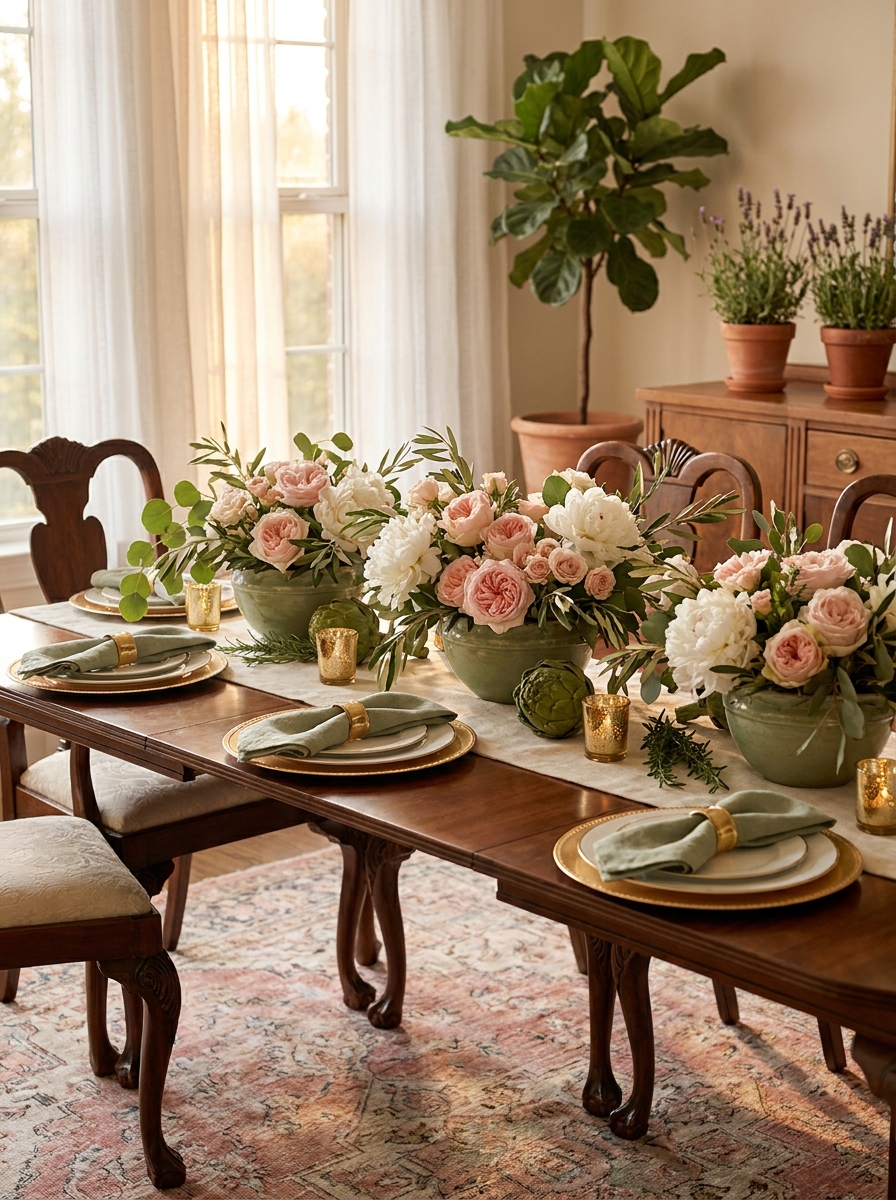
This is my go-to when I want the table to feel like a celebration. We’re going full-on garden party here, with lush greenery and blooms spilling across the center like you just came in from cutting flowers.
The secret? Go low and go wide. Use multiple smaller vessels instead of one tall arrangement so people can actually see each other across the table. I like mixing florals with tons of greenery—eucalyptus, olive branches, whatever looks good. Tuck in some herbs like rosemary or mint so it smells as good as it looks.
Layer in some natural elements too. Scattered votives, maybe some fruit, a few artichokes if you’re feeling fancy. The goal is organized abundance, not chaos. It should feel like an English garden, not a flower shop explosion. This look is perfect for spring and summer brunches, or honestly anytime you want your dining room to feel really special and alive.
8. The Textured Neutrals Approach
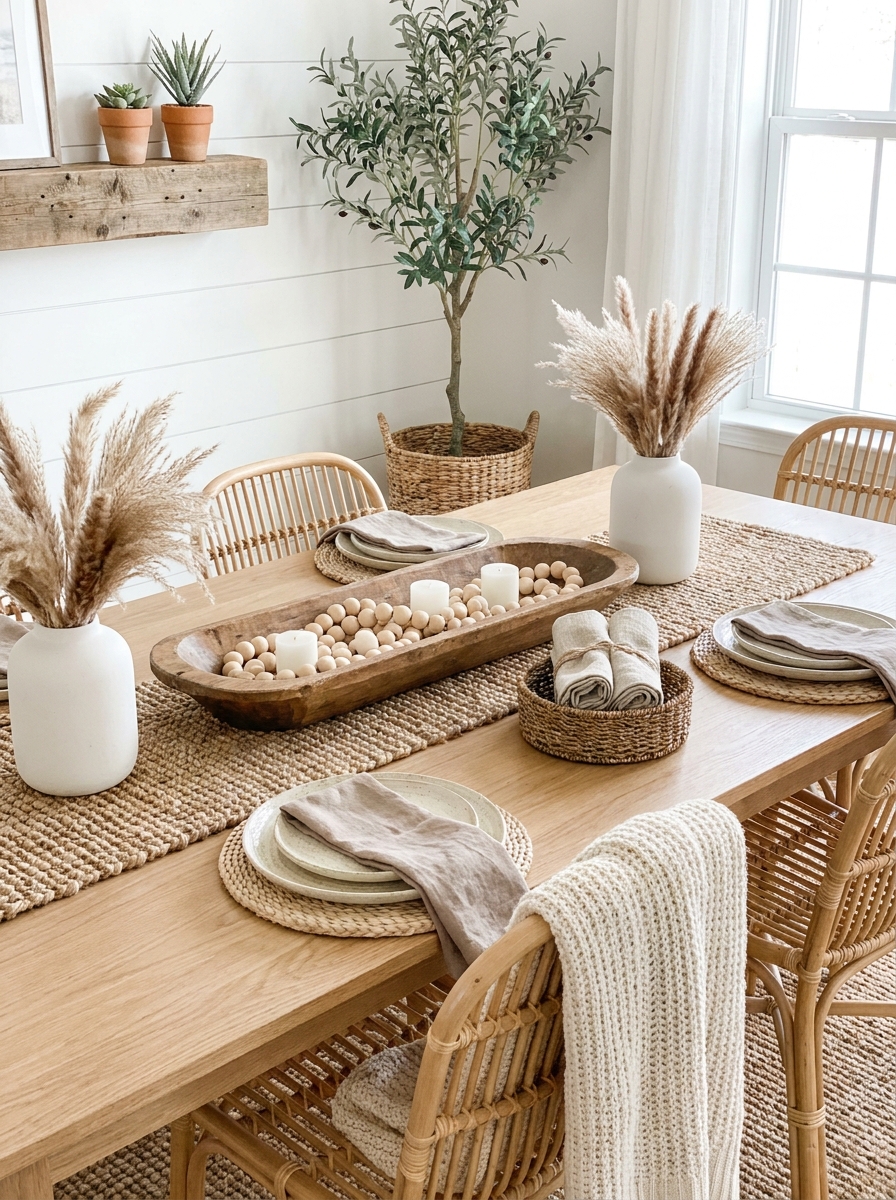
This is what I do when I want the table to look incredibly pulled together but also calming. It’s all about playing with texture in the same color family—think creams, taupes, warm whites, and natural wood all layered together.
Start with a woven or linen runner, add wooden bowls and trays, bring in some matte ceramic pieces, maybe a chunky knit throw casually draped over a chair back. The different textures create visual interest without any color competing for attention. It’s sophisticated without trying too hard.
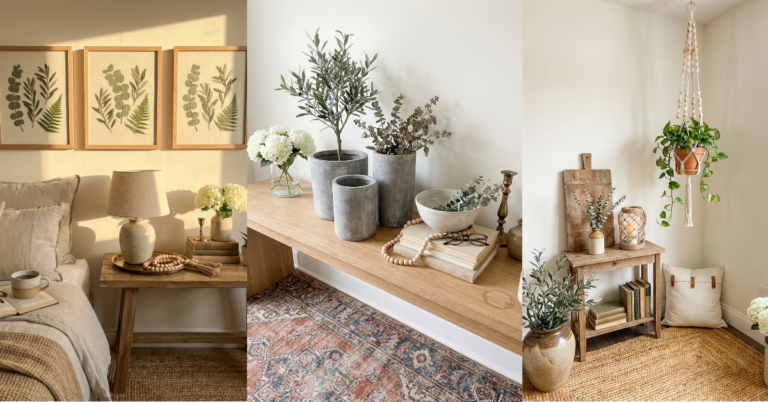
I love adding natural elements here too—a dough bowl filled with wooden beads, some dried pampas grass, woven baskets. Everything feels organic and cohesive. This look works year-round because it’s not seasonal, it’s just beautiful. And here’s the magic: it photographs like a dream but also feels really livable. You can eat dinner here every night and it still looks styled.
9. The Layered Linens Collection
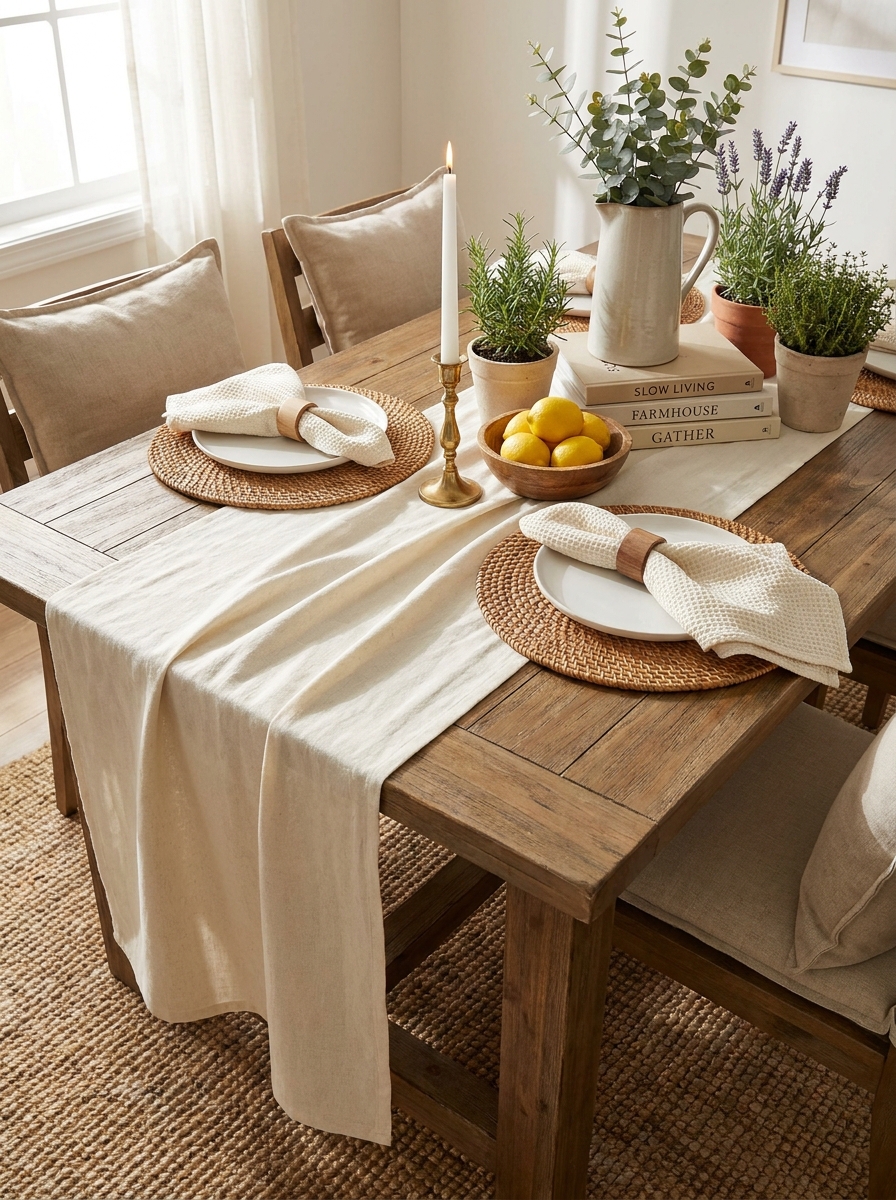
You know what makes a table feel intentional? Layers. Not just one runner or one placemat, but a beautiful collection of textures working together.
Start with a base runner in a neutral linen or cotton. Then add individual placemats in a complementary texture—maybe woven rattan or soft cotton waffle weave. Layer cloth napkins on top in a slightly different shade. The magic happens when these pieces don’t match perfectly but talk to each other in color and mood.
I love mixing linen with linen in different weights and washes. A chunky natural linen runner with softer, prewashed placemats creates depth without trying too hard. Add napkin rings in wood or brass for that extra touch. This approach works beautifully for everyday dining because you can easily remove layers when you need the table for homework or projects. The centerpiece becomes simpler too—just a low bowl with fruit or a single candlestick. The linens do all the talking.
10. The Eclectic Collected Table
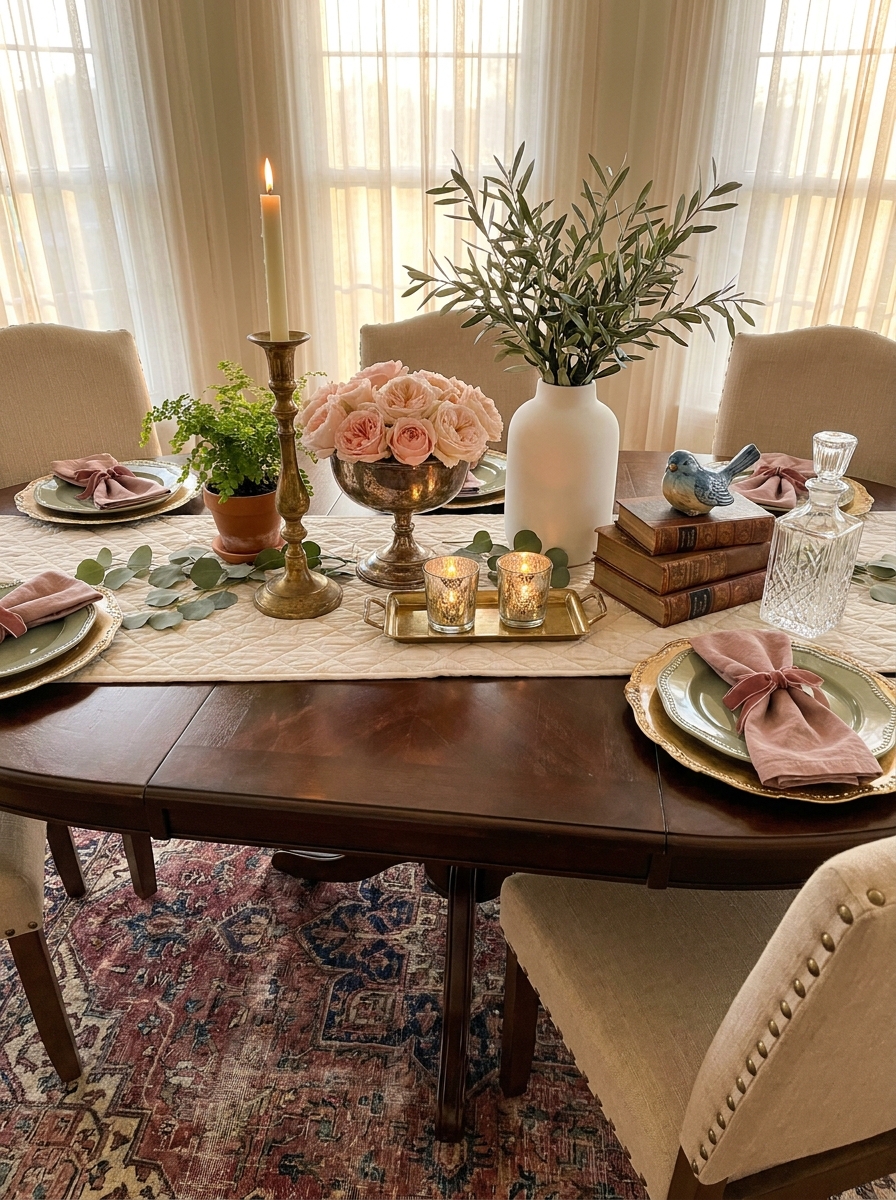
This is for everyone who can’t stick to one style. The eclectic table mixes vintage finds with modern pieces and somehow makes it all work together.
Think mismatched candleholders in different heights and finishes—brass, ceramic, glass. Add a vintage brass compote filled with fresh garden roses next to a modern ceramic vase with olive branches. Layer in a stack of old books, a small antique mirror as a tray, maybe a quirky ceramic bird. The key is repeating certain elements so it feels curated, not chaotic. If you use brass in three places, it ties everything together.
I always tell people this style requires editing. Start with more than you need, then remove pieces until it breathes. You want interesting, not cluttered. The beauty of this approach is that it tells your story. Every piece can be something you found, inherited, or fell in love with at a flea market. It’s personal and impossible to replicate, which makes it feel special every single time you sit down.
11. The Linear Gallery Display
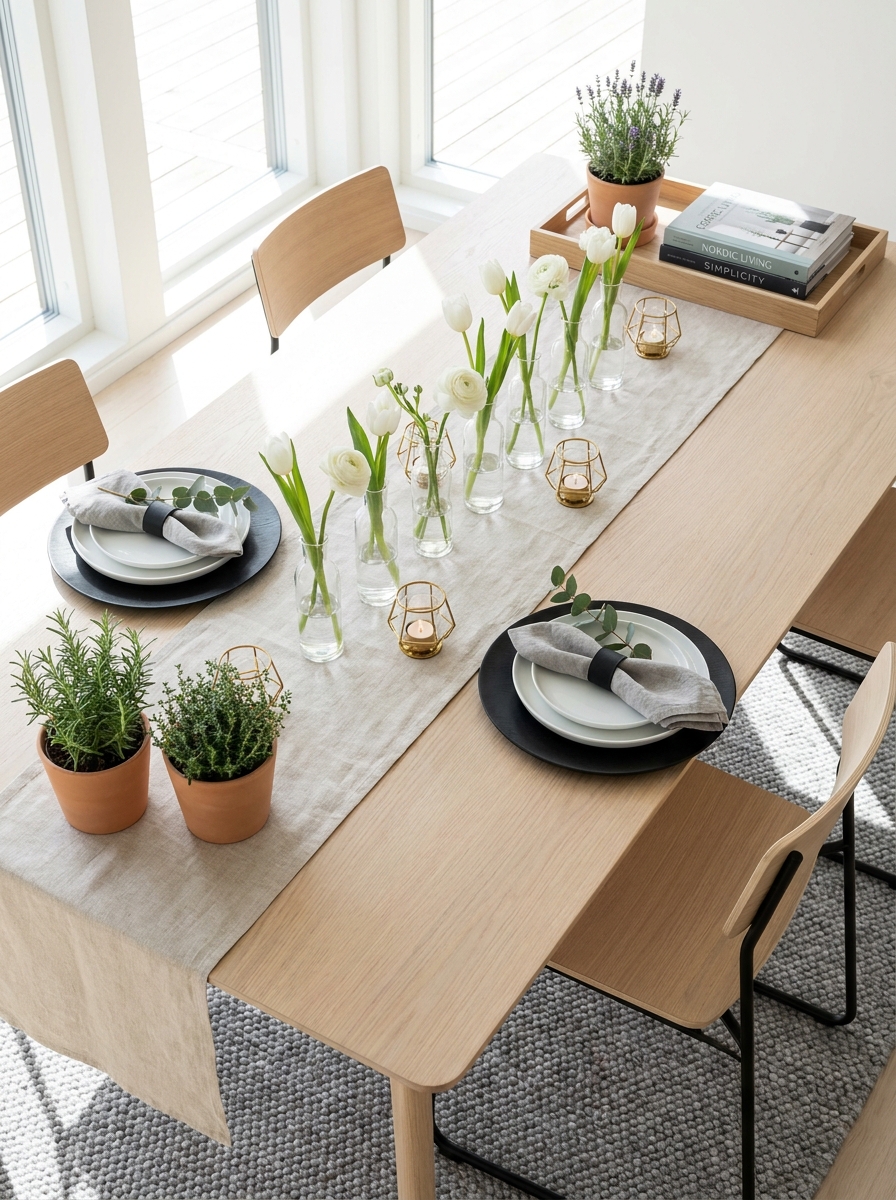
Sometimes the best centerpiece is one that runs the entire length of your table like a gallery installation. This works especially well on long rectangular tables where a single arrangement can look lost.
Create a continuous line down the center using repeated elements. I love doing this with bud vases—five to seven small vases in varying heights, each with a single stem or small cluster. Space them evenly down the runner. Add votives between each vase and maybe some scattered greenery or petals. The repetition creates rhythm and keeps the eye moving.
You can do this with almost anything: a series of small potted succulents, multiple candleholders in graduating heights, or even small bowls filled with seasonal items like pinecones or citrus. The trick is keeping individual elements simple but creating impact through repetition. This style photographs beautifully and works for everything from casual weeknight dinners to holiday gatherings. Plus, you can easily move sections aside when serving family-style meals.
12. The Foraged NaturalScape
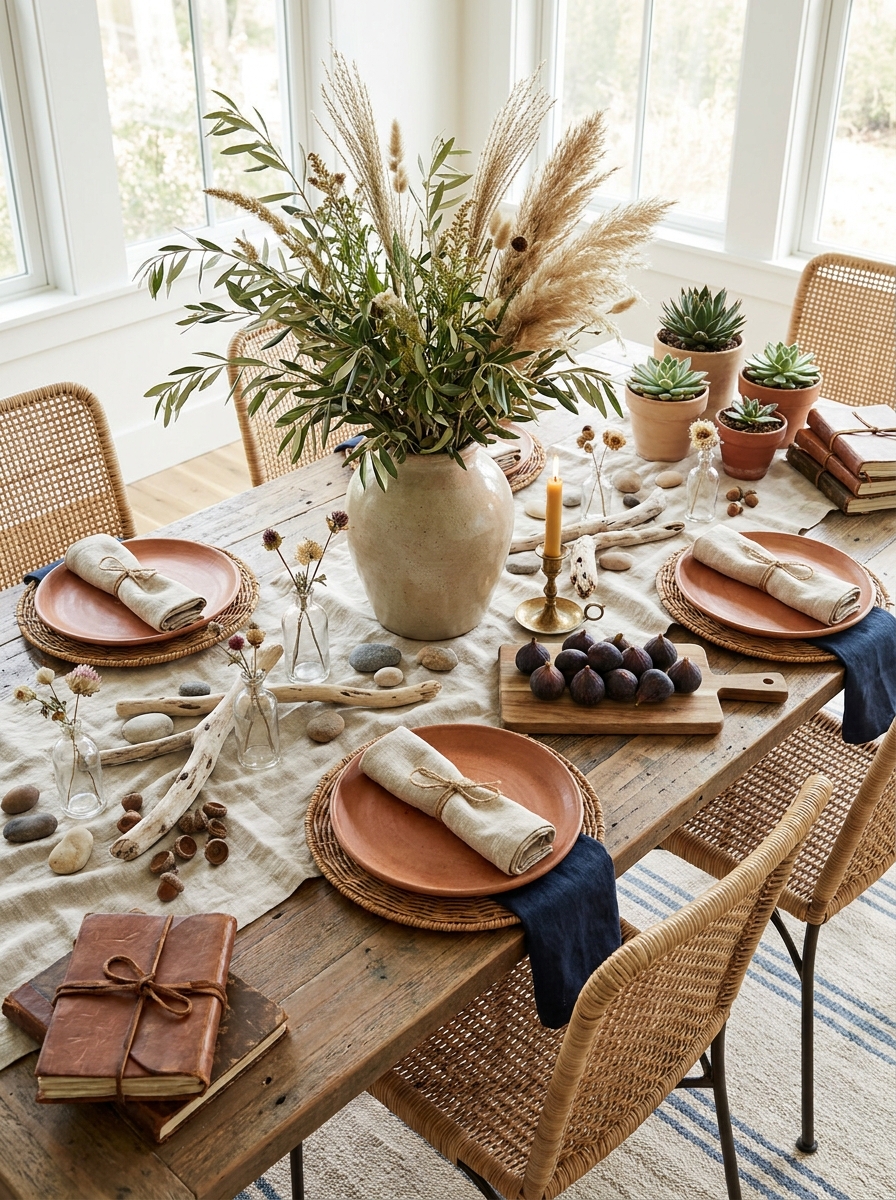
This is my favorite for autumn and spring. Instead of buying fancy florals, you bring the outdoors in—literally. Branches, leaves, wildflowers, interesting seedpods, whatever you can gather.
The beauty here is the organic, untamed quality. Arrange branches with fall leaves in a tall ceramic vase. Scatter acorns or seed pods down the center of your runner. Add in some foraged wildflowers in small glass bottles. Layer in natural elements like river rocks, pieces of driftwood, or interesting bark. It feels earthy and alive in a way that store-bought arrangements never quite achieve.
This style shifts with the seasons without any planning. Spring brings flowering branches and pussy willows. Summer offers wildflowers and fresh herbs. Fall gives you colorful leaves and berries. Winter has evergreen clippings and bare branches with character. The cost is basically zero, and every arrangement is completely unique. Just make sure everything is clean and bug-free before bringing it inside. Nobody wants surprise guests at dinner.
13. The Symmetrical Statement Piece
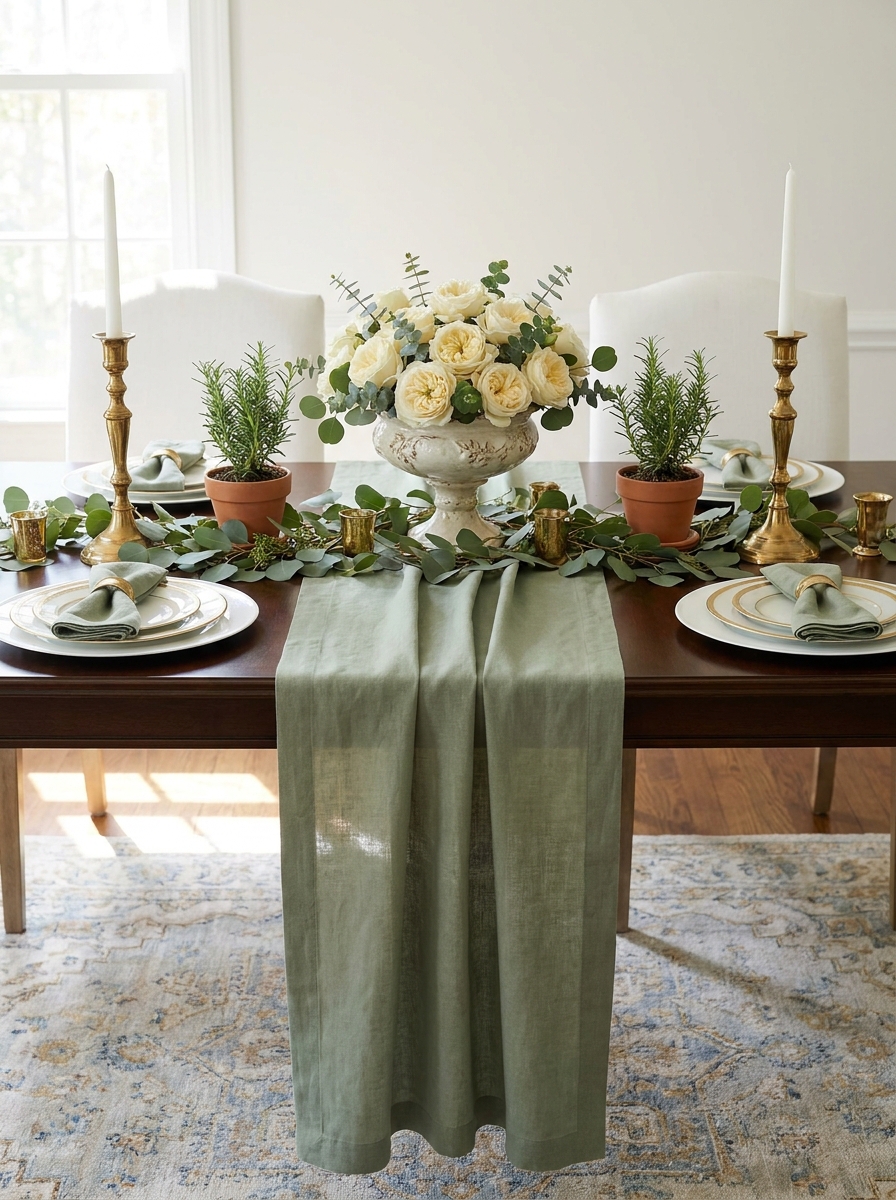
There’s something so satisfying about perfect symmetry. It just calms your brain, you know?
This approach is all about creating balance with matching elements on either side of your table. Think twin candlesticks flanking a central vase. Or identical planters bookending a decorative bowl. It’s formal without being stuffy, and honestly? It makes styling so much easier because you’re basically working with a mirror image.
I love this look for rectangular tables especially. You get that elegant centerline that draws the eye down the length of your table. And here’s the thing—symmetry doesn’t mean boring. You can totally mix heights and textures as long as you’re mirroring them. A tall candlestick on each end with matching low floral arrangements in between? Chef’s kiss.
The beauty of symmetrical styling is that it photographs like a dream and feels intentional without looking like you tried too hard. It’s that sweet spot between casual and polished that every dinner table needs.
14. The Edible Centerpiece Spread
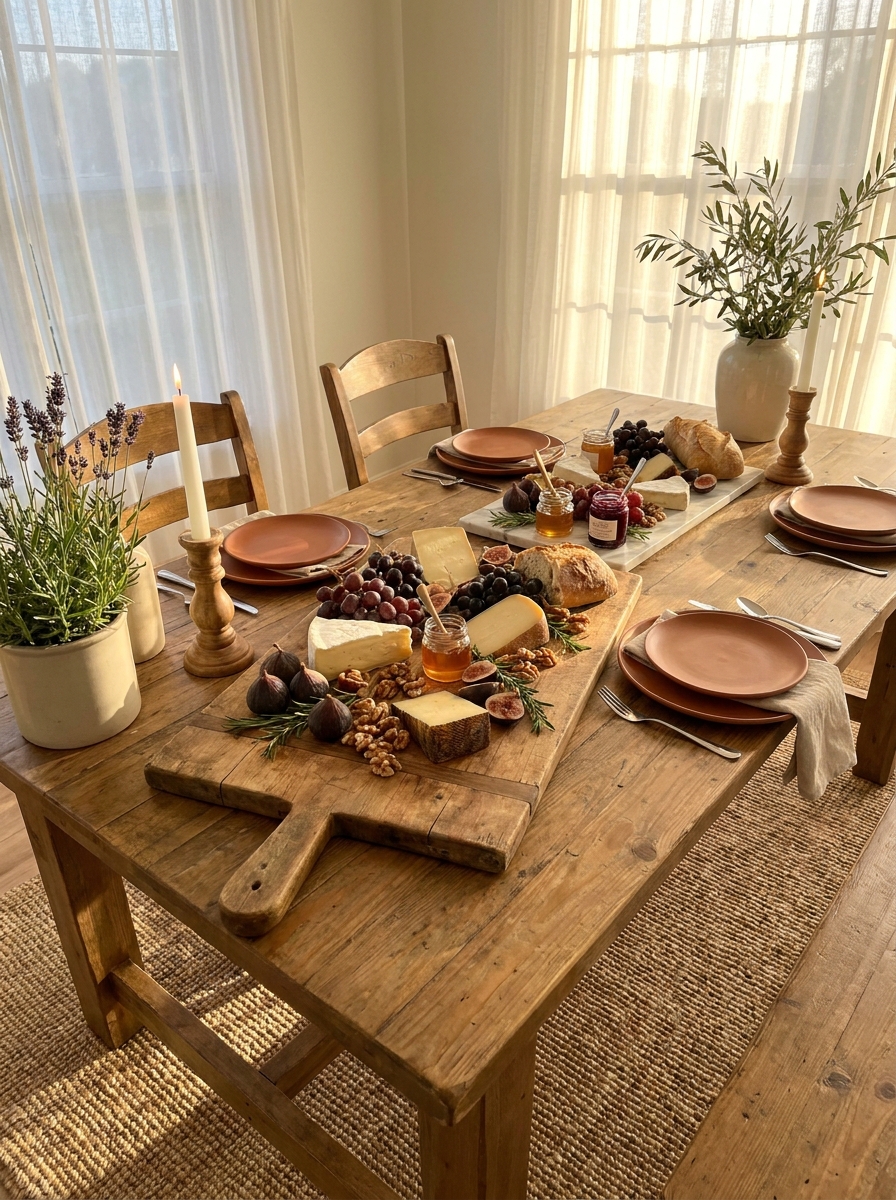
Who says centerpieces can’t be functional? Some of my favorite dinner parties have featured centerpieces that guests could actually nibble on throughout the meal.
Think cheese boards, artisan bread displays, or those gorgeous grazing spreads that look almost too pretty to eat. The magic here is treating your food like decor. A beautiful wooden cutting board loaded with artisan cheeses, fresh figs, honey in a cute jar, and crusty bread becomes both your centerpiece and your appetizer. Genius, right?
The trick is making it look abundant but not chaotic. You want elevation—use small wooden risers or stack vintage books under your boards. Add fresh herbs like rosemary sprigs between the cheese. Tuck in some grapes or fresh berries for pops of color. Everything should look intentional, not like you just dumped a grocery haul on the table.
This approach works brilliantly for casual gatherings where you want people to graze and chat. It’s interactive, it’s delicious, and cleanup is basically just eating the evidence. Win-win-win.
15. The Monochromatic Magic Table
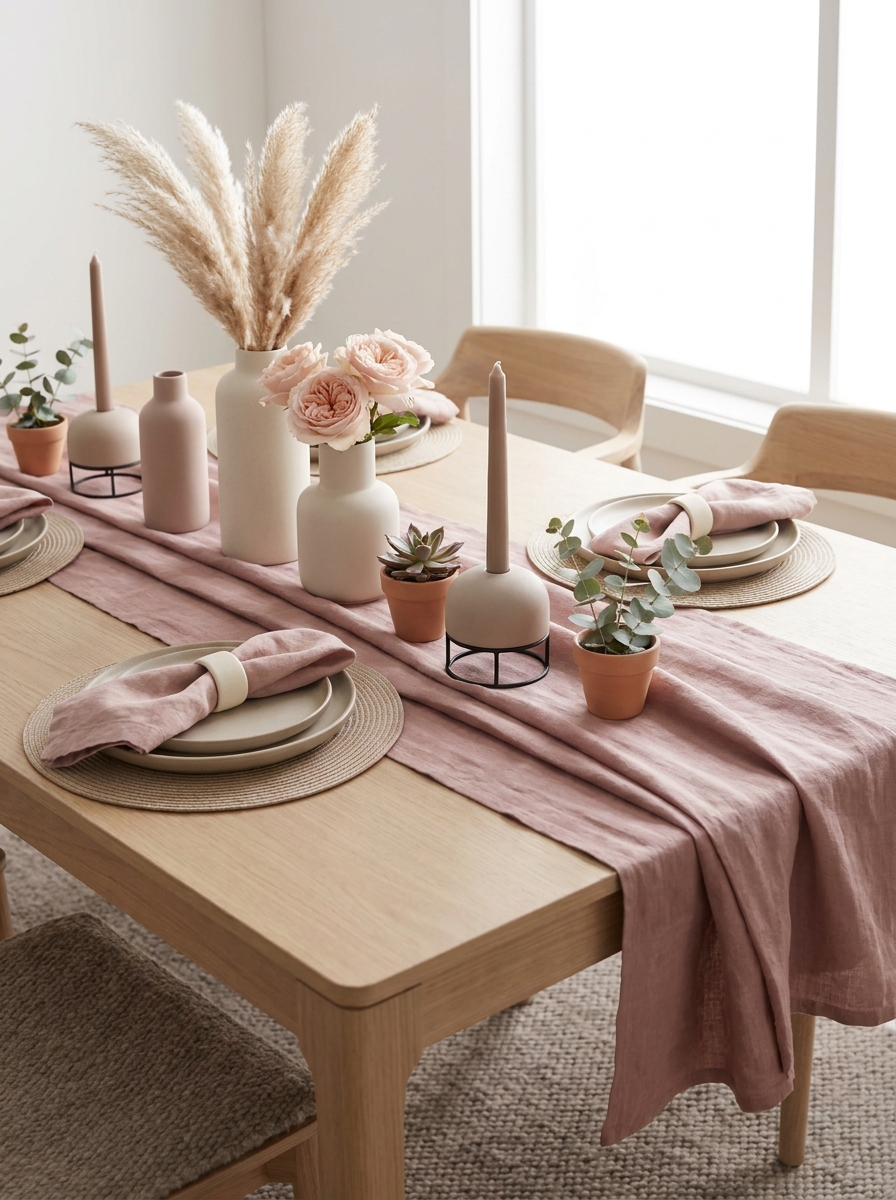
Sometimes limiting your color palette is actually the most dramatic thing you can do. I’m talking full-on monochromatic styling—and it’s stunning.
Pick one color family and go deep. An all-white table with ivory candles, cream florals, white ceramic vessels, and natural linen feels ethereal and sophisticated. Or try all terracotta—clay pots, rust-colored linens, dried grasses, warm wooden accents. It sounds simple, but the impact is anything but.
The secret is playing with different shades and textures within your chosen color. If you’re doing white, mix bright white with ivory, cream, and bone. Add matte ceramics next to glossy porcelain. Smooth linen beside nubby wool. That variation keeps things interesting while maintaining the cohesive vibe.
This approach photographs incredibly well because there’s no color competition. Your eye can focus on shapes, layers, and textures instead of being pulled in different directions. It’s unexpectedly calming and feels very curated without being precious.
16. The Asymmetrical Artful Arrangement
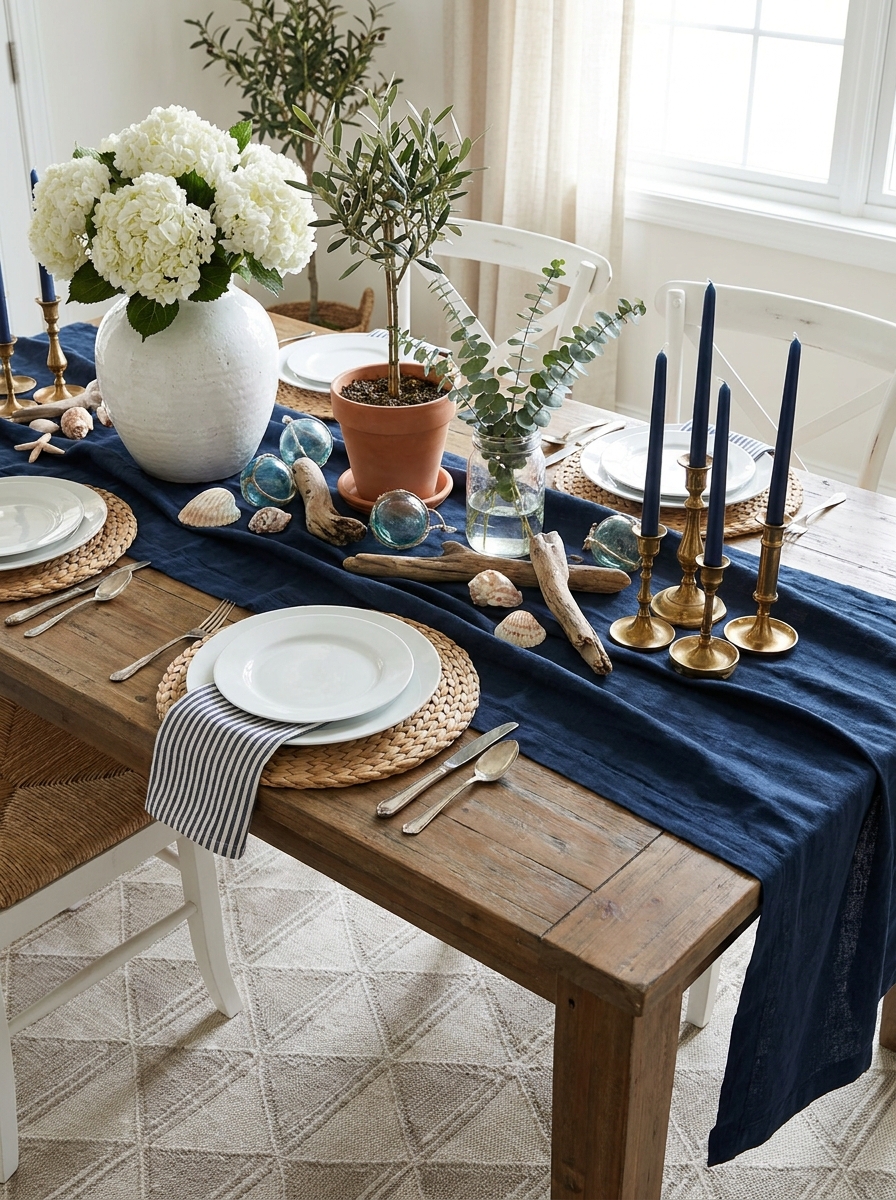
Okay, hear me out—sometimes wonky is wonderful. Asymmetrical styling feels fresh and collected, like you just casually created something gorgeous without even trying.
This is the opposite of that matchy-matchy symmetrical look. You’re intentionally off-center here. Maybe your main floral arrangement sits to one side, balanced by a cluster of candles grouped at the other end. Or you create a diagonal flow with vessels and elements arranged from one corner to the opposite side. It feels organic and modern.
The trick is creating visual weight balance, not perfect mirror balance. If you have something tall and dramatic on the left, you need something with visual heft on the right—maybe a grouping of smaller items or something with bold color. Your eye should travel across the table in an interesting way, not just land in the dead center.
This approach works beautifully for oval or round tables where symmetry can feel forced. It also gives you way more creative freedom to mix your favorite pieces without worrying about matching everything perfectly.
17. The Sculptural Statement Centerpiece
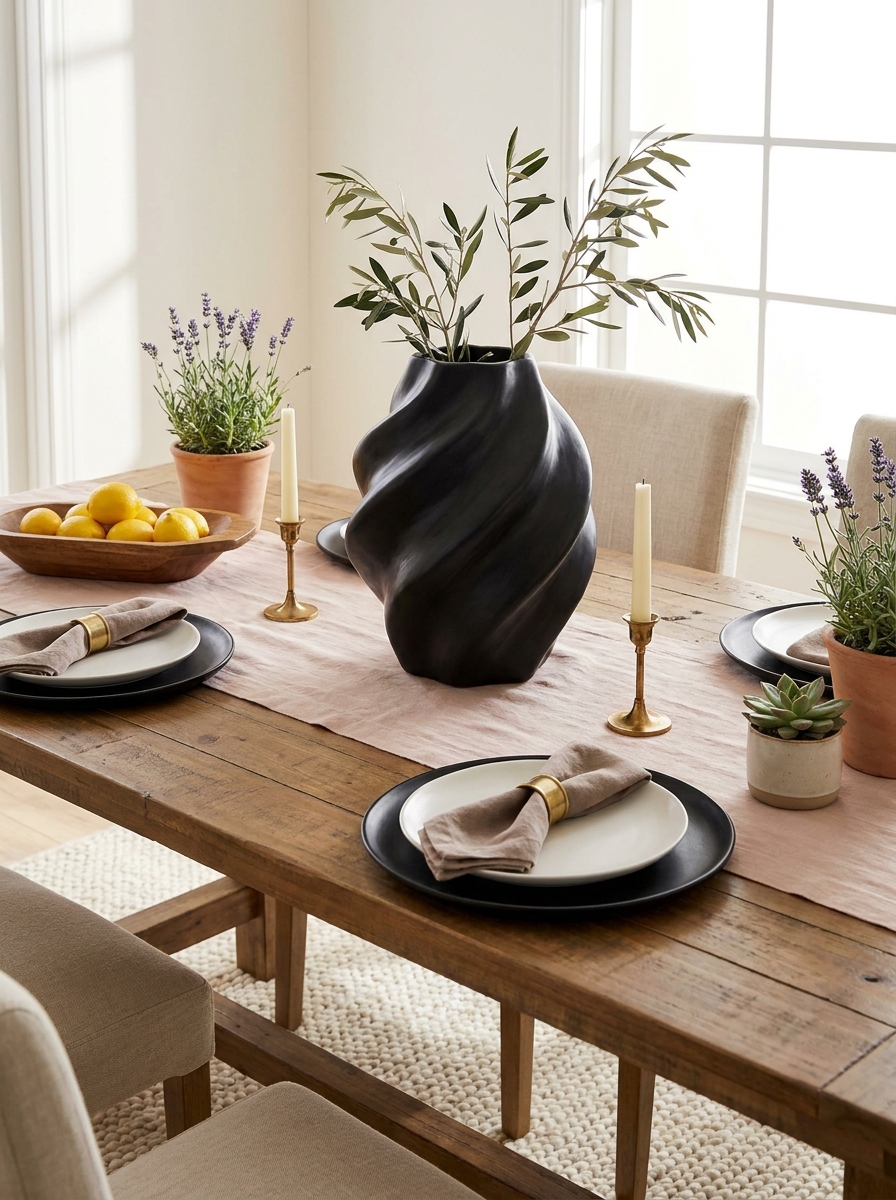
Sometimes you need one bold piece to do all the talking. I’m obsessed with sculptural centerpieces right now—those dramatic vessels or art objects that become the entire focal point of your table.
Think of a large twisted ceramic vase, an architectural wood bowl, or even a gorgeous stone sculpture. The key is choosing something with serious visual weight and interesting form. I love pairing mine with the simplest accompaniments—maybe just one type of branch or a cluster of pillar candles—because the sculpture itself is the star.
This approach works beautifully in modern and transitional spaces where clean lines matter. The beauty is in the restraint. You’re not filling the table with lots of little things. You’re making one confident choice and letting it shine. It’s dining table styling for people who appreciate gallery-level design but still want their space to feel warm and livable. Plus, you never have to fuss with arrangements—your centerpiece is permanent art.
18. The Farmhouse Market Table
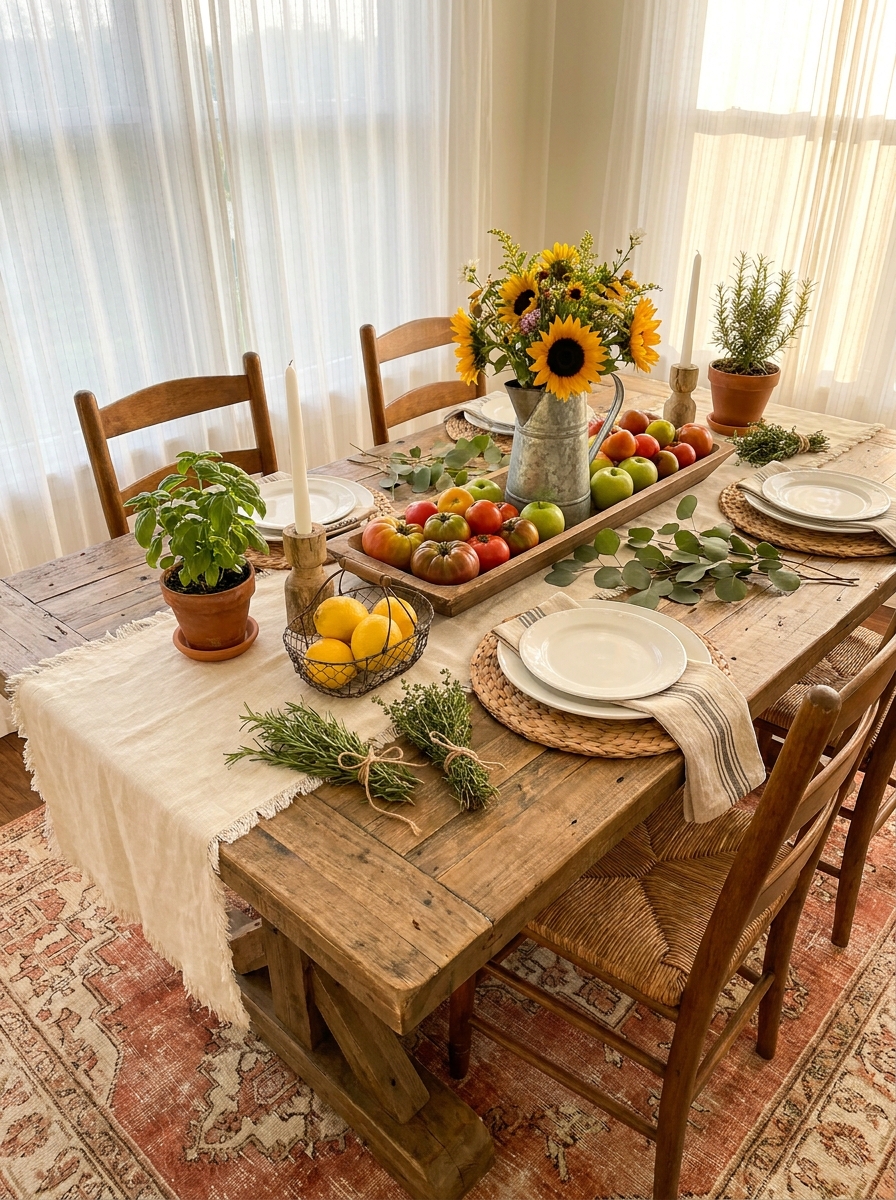
This is the look that makes me want to host brunch every single weekend. The farmhouse market table is all about celebrating abundance—fresh produce, garden flowers, and that just-came-from-the-farmer’s-market vibe.
I style mine with wooden crates or wire baskets filled with seasonal fruit, bunches of fresh herbs still tied with twine, and wildflowers in mason jars or enamelware pitchers. Everything feels touchable and real, like you actually use these ingredients. The color palette stays natural—creams, warm woods, and whatever colors the season brings.
What I love most is how this style blurs the line between decor and function. Those apples aren’t just pretty—they’re your afternoon snack. The herbs will go into tonight’s dinner. It’s styling that celebrates the everyday rituals of cooking and gathering. This look works perfectly in eat-in kitchens or casual dining spaces where you want that effortless, lived-in farmhouse feel without it looking too precious or staged.
19. The Tropical Modern Escape
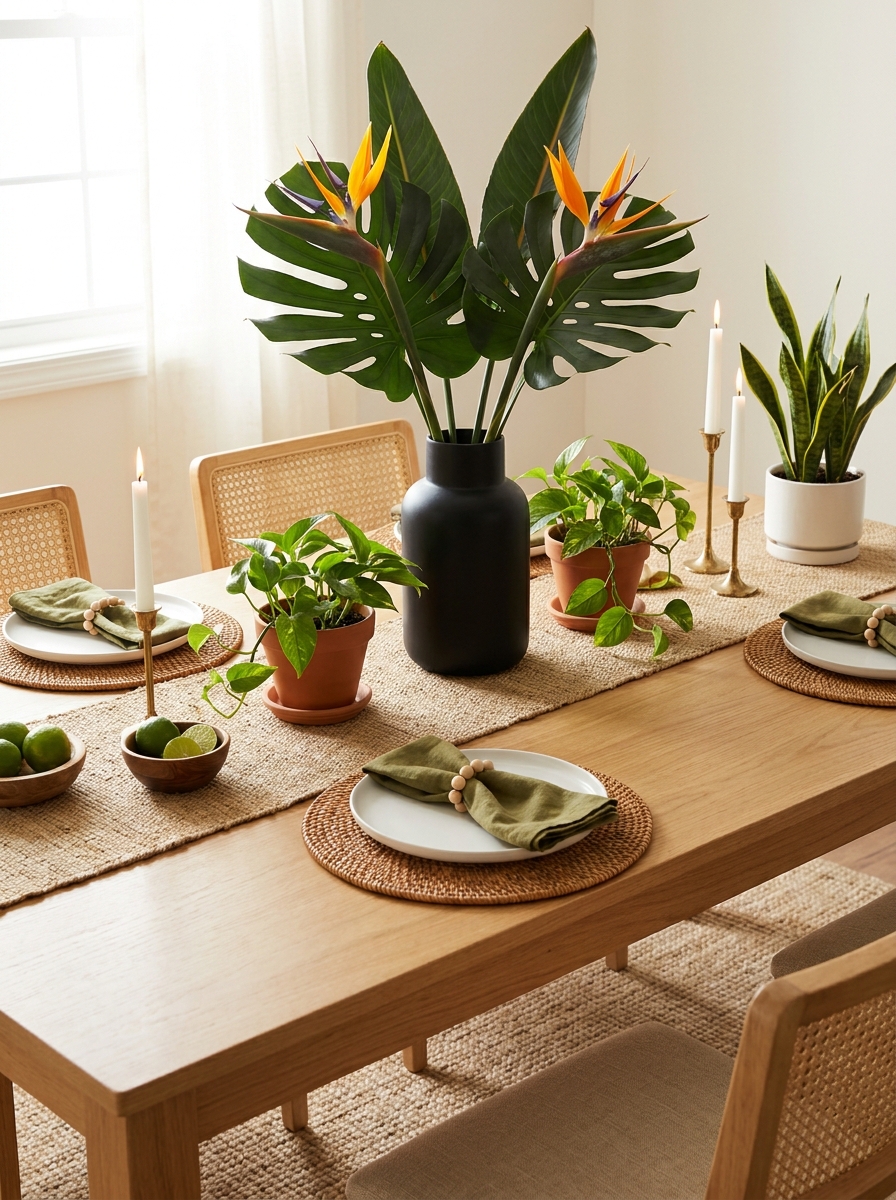
Who says your dining table can’t transport you somewhere exotic? The tropical modern look brings vacation vibes home with lush greenery, bold leaves, and a fresh contemporary twist.
I’m talking about dramatic palm fronds or monstera leaves arranged in sleek modern vessels—think matte black vases or natural wood pedestals. The key is keeping the palette fairly restrained (lots of green and white with maybe touches of terracotta or natural wood) so it feels sophisticated rather than tiki-bar kitsch. Add some textured elements like woven placemats, wooden beads, or rattan accents to reinforce that natural tropical feeling.
This style works incredibly well in modern coastal homes or anywhere you want to bring the outside in with serious style. It’s fresh, it’s graphic, and it makes every meal feel like you’re dining in a gorgeous resort. I love how low-maintenance it can be too—many tropical leaves last for weeks in water.
20. The Candlelit Romance Setting
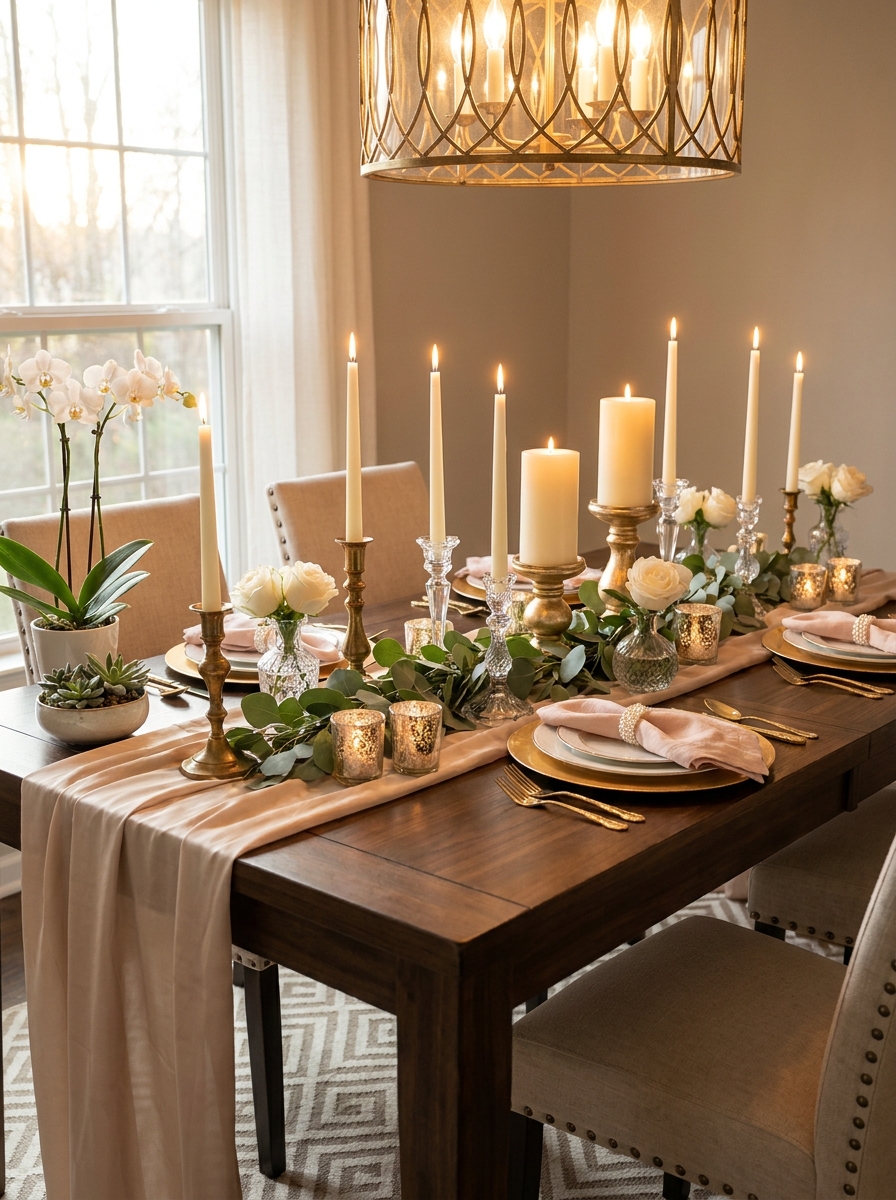
There’s something about a table glowing with candlelight that makes everything feel more special. The candlelit romance setting is my go-to when I want to create serious ambiance—whether it’s date night or just a Tuesday that deserves to feel luxurious.
This look is all about layering different heights and styles of candles. I combine tall tapers in elegant holders, pillar candles on small pedestals, and votives clustered in groups. The magic happens when you light them all at once—the flickering light creates this incredibly warm, intimate atmosphere. I keep the rest of the styling fairly minimal: maybe some delicate greenery like eucalyptus garland woven between the candles, simple white linens, and elegant place settings.
The color palette stays soft and romantic—lots of ivory, champagne, soft gold, maybe blush. This styling transforms any ordinary dinner into an event. It’s perfect for formal dining rooms but honestly works anywhere you want to dial up the romance and elegance.
Quick Guide
Quick Guide: Centerpiece Budget Breakdown
Not sure how much to spend? Here’s what works at every price point:
Under $20: Grocery store flowers in a thrifted vase, a bowl of seasonal fruit, or a cluster of thrifted candlesticks with simple tapers. DIY your runner from fabric remnants.
$20-$50: A nice ceramic vase with fresh florals from a local market, layered table linens from HomeGoods, or a collection of mixed candles in varying heights with quality holders.
$50-$100: Designer-look floral arrangement from a florist, a beautiful wooden dough bowl or marble tray as your base, plus high-quality linen runners and napkins that’ll last for years.
$100+: Statement ceramic vessels, fresh florals weekly, investment pieces like brass candlesticks or a stunning vintage centerpiece bowl that becomes your signature.
The sweet spot? Mix high and low. Splurge on one beautiful base piece, then rotate affordable fresh elements seasonally.
Your Table, Your Way
Here’s what I want you to remember: there’s no such thing as a perfect centerpiece. The best dining table is the one that makes you actually want to sit down and linger. Maybe that’s a simple vase of grocery store tulips. Maybe it’s an elaborate layered situation with candles and fruit and all the things. Both are right.
The truth is, styling your dining table is just about paying attention to what makes you happy. Do you love the glow of candlelight? Start there. Obsessed with fresh flowers? Make that your signature move. Your table should feel like you—not like a magazine spread you’re afraid to touch.
So grab whatever’s already in your house—a pretty bowl, some candles, that runner you forgot about—and just start playing. Move things around. Try the flowers on the left, then the right. Stack those books. Unstack them. There’s no wrong answer here, just your answer. And that’s the one that’ll make every meal feel a little more special.
Frequently Asked Questions
How tall should a dining table centerpiece be?
Your centerpiece should never be taller than 12 inches if people will be sitting across from each other. The sweet spot is 8-10 inches—low enough that guests can see and talk to each other comfortably. If you’re going tall (like a dramatic branch arrangement), make sure it’s narrow and doesn’t block sightlines.
What can I use as a dining table centerpiece besides flowers?
So many things! Candles in varied heights, bowls of seasonal fruit, stacked books with a small plant on top, a wooden dough bowl filled with decorative balls or pine cones, a collection of vintage bottles, or even a beautiful cake stand with lemons. The key is creating height variation and texture, not just filling space.
How do I style a dining table for everyday use?
Keep it simple and functional. A low vase with fresh greenery, a small candle cluster on a tray, or a wooden bowl with fruit works beautifully. Use a runner or placemats that you don’t mind getting used daily. The goal is something pretty enough to enjoy but practical enough that you won’t stress about moving it for every meal.
Should my dining table centerpiece match my decor style?
It should feel cohesive but not matchy-matchy. If your home is modern farmhouse, lean into natural textures and neutral tones. Coastal style? Incorporate whites, blues, and natural elements. But don’t stress too much—a beautiful fresh floral arrangement works in literally any style. Focus on color palette and texture more than strict style rules.
How often should I change my dining table centerpiece?
There’s no rule, but changing it seasonally keeps things fresh without being overwhelming. Swap in seasonal produce, different flowers, or holiday-appropriate elements four times a year. If you use fresh flowers, you’ll naturally refresh weekly. The beauty is that small tweaks—like changing candle colors or swapping the runner—can make it feel completely new.