17 Dreamy Gender-Neutral Nursery Ideas to Treasure
You’re standing in that empty room, paint swatches in hand, wondering how to create a nursery that feels calm and beautiful without leaning into pastels you’re not sure about. Gender-neutral doesn’t mean boring. It means freedom to play with textures, bring in natural materials, and design a space that feels like home instead of a toy store explosion. The best part? These spaces grow with your baby, transitioning seamlessly from newborn snuggles to toddler chaos without a complete redesign. And honestly, there’s something so soothing about sage greens, warm woods, and soft creams that make you want to curl up in that glider yourself. Whether you’re going neutral by choice or keeping things a surprise, these ideas work beautifully in real homes with real budgets. Let’s get into it.
1. Earthy Sage and Natural Wood Foundation
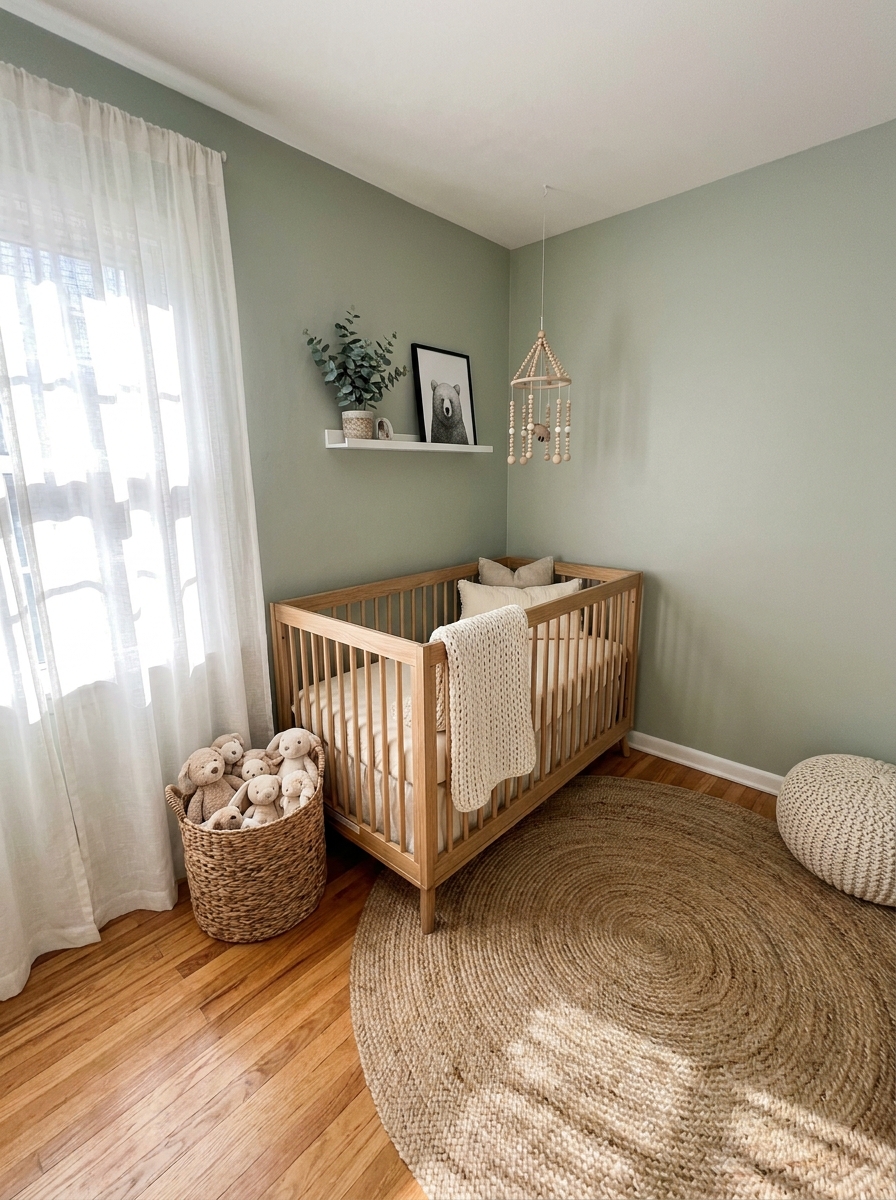
Sage green might be the most calming color that ever existed. Pair it with natural wood furniture and you’ve got an instant Pinterest-worthy foundation that works for any baby. The key is choosing a true sage, not too gray, not too minty, just that perfect muted green that makes everyone exhale when they walk in.
Your wood crib becomes the anchor piece here. Look for light oak or maple finishes that keep things airy instead of heavy. Add a jute rug underneath to ground the space and bring in that organic texture everyone’s obsessed with right now. The sage works beautifully on an accent wall behind the crib, or go bold and paint the whole room.
But here’s what really makes this combo special. It photographs like a dream, sure, but it also creates this naturally peaceful vibe that helps with those 3am wake-ups. You’re not staring at stark white walls or overstimulating patterns. Just calm, nature-inspired tones that remind you the world isn’t actually ending even though the baby won’t sleep.
2. Layered Neutral Textiles for Depth
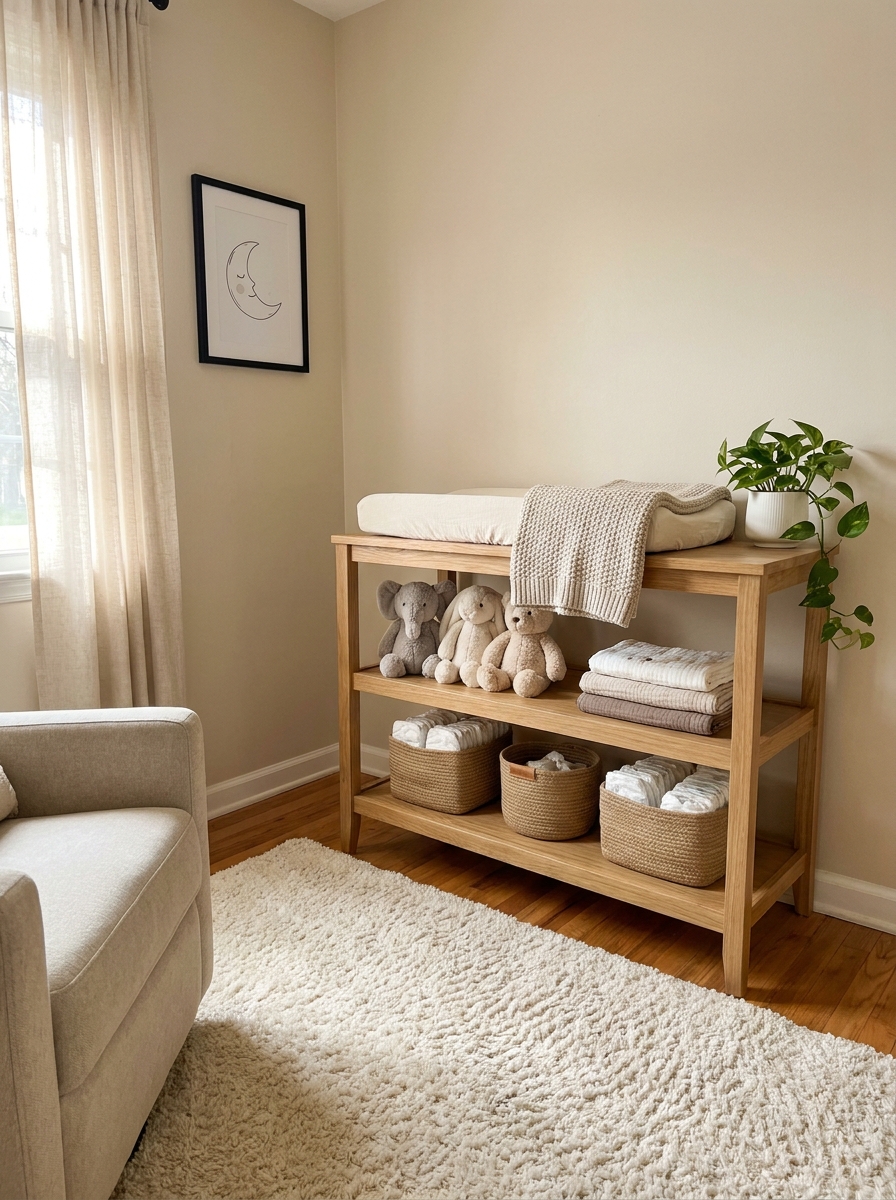
White walls don’t have to feel cold or boring. They’re actually your blank canvas for layering textures that make a nursery feel cozy instead of clinical. Think chunky knit blankets, linen curtains, cotton muslin swaddles displayed in open baskets, and that incredibly soft rug you’ll spend hours sitting on.
Start with your big textile pieces. A plush cream shag rug gives you that cloud-like foundation. Dress your glider in a nubby oatmeal slipcover that hides spit-up stains like a champion. Hang simple linen roman shades that diffuse light beautifully during nap time. Each layer adds warmth without adding visual chaos.
The magic happens when you mix textures, not colors. Smooth cotton next to rough-woven baskets. Silky bamboo sheets against chunky cable knit. Your eye travels across different surfaces and suddenly that all-white room has serious depth and interest. And practically speaking, neutrals mean everything coordinates and you’re not desperately hunting for that one specific shade of mint green when you need to replace something.
3. Charcoal and Cream Contrast
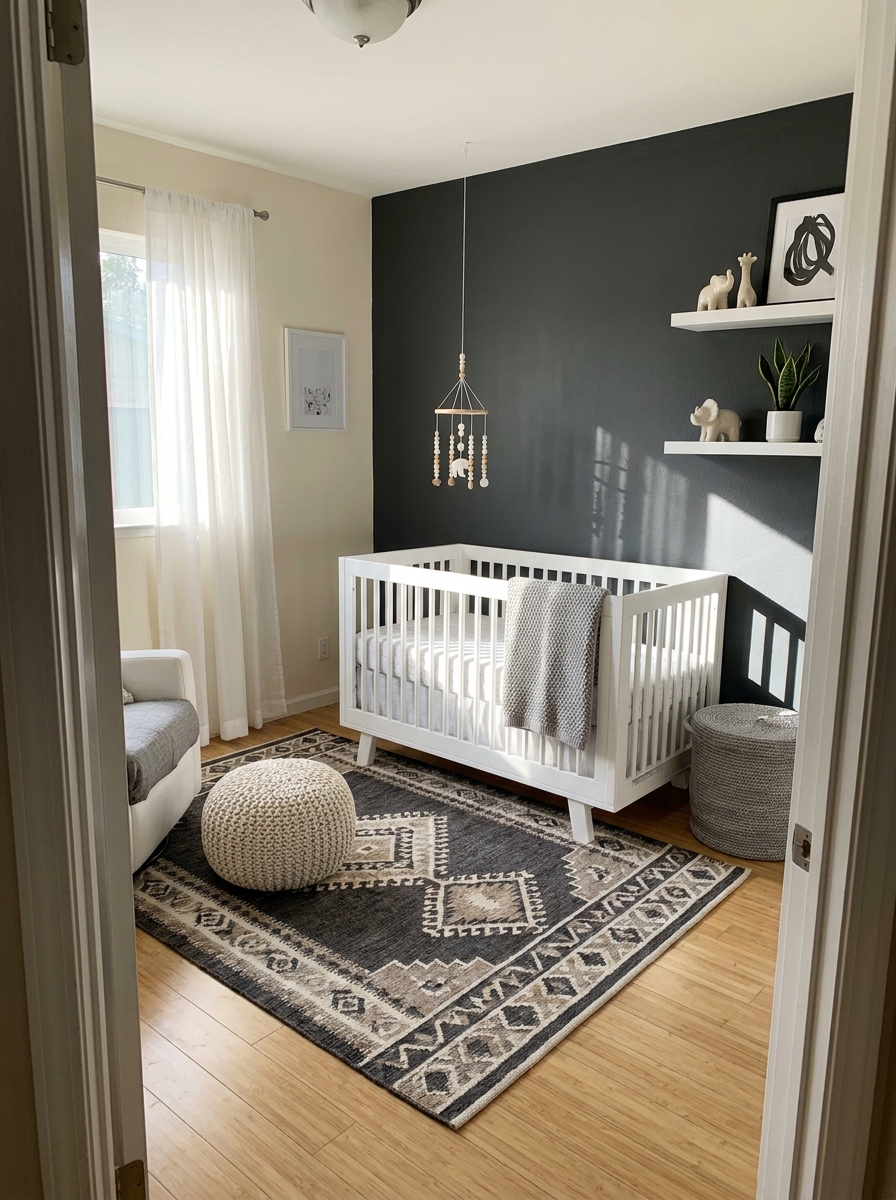
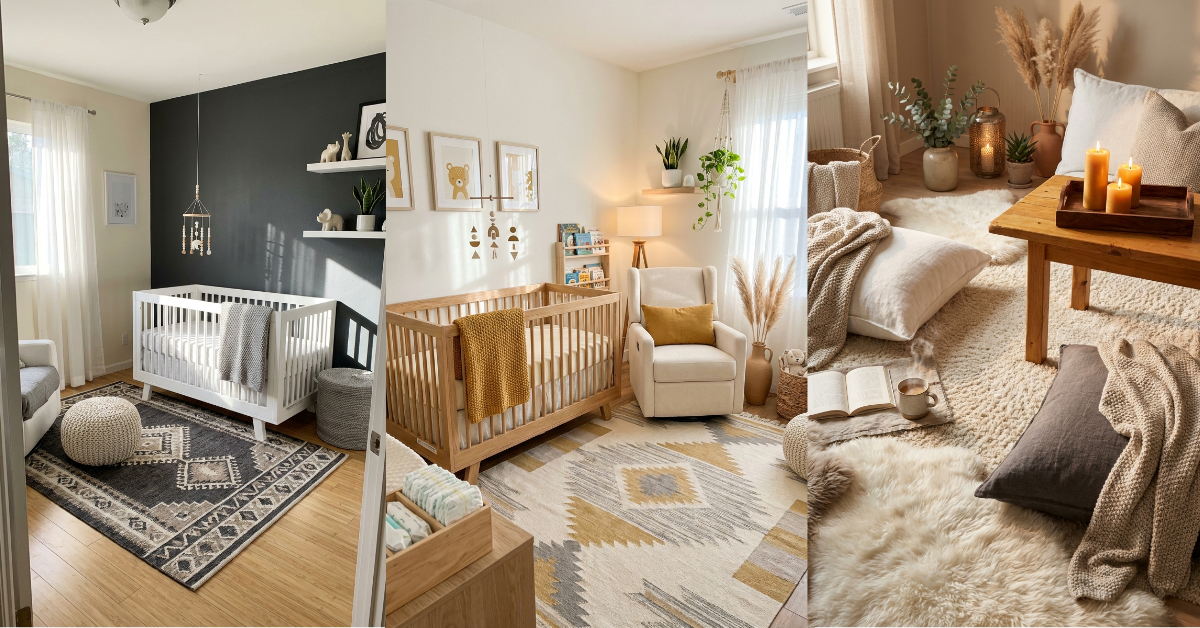
Sometimes you want a nursery with a bit more edge. Charcoal gray brings sophistication without sacrificing that gentle nursery vibe, especially when you balance it with plenty of cream and warm whites. This isn’t a dark room, it’s a room with intention and contrast that feels current instead of cutesy.
Paint three walls in warm cream and make one statement wall in soft charcoal behind the crib. Or flip it and go mostly charcoal with cream accents if you’re feeling bold. The darkness actually makes the space feel cocooning and restful. Pair it with a white or natural wood crib so there’s breathing room, and add cream bedding to keep things from feeling too moody.
This palette grows beautifully with your kid too. You’re not repainting when they turn three because suddenly elephants and giraffes feel babyish. Charcoal and cream works from newborn through elementary school, and you just swap out a few accessories as they grow. It’s the long game, and it’s a smart one when you’re already exhausted from night wakings.
4. Warm Terracotta and Oat Tones
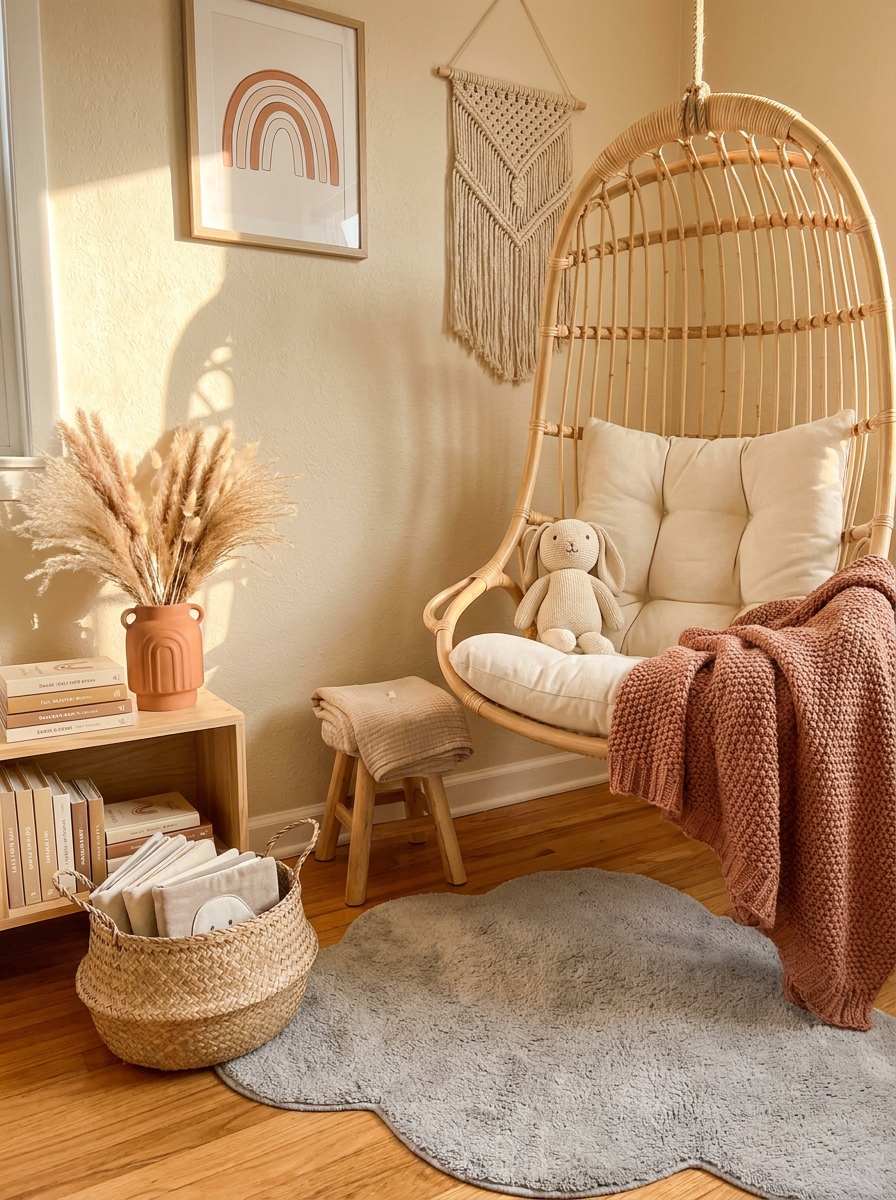
Terracotta has made this gorgeous comeback and it works beautifully in nurseries when you keep it muted and earthy. We’re talking dusty terracotta, not bright orange. Paired with warm oat and cream tones, you get a space that feels sunny and grounded, like a hug in color form. It’s different enough to feel special but neutral enough to work for any baby.
Bring terracotta in through textiles and accents rather than wall color unless you’re really committed. A terracotta throw pillow on your glider, a rust-colored woven basket for toys, maybe some artwork with warm clay tones. Keep your walls in that perfect oatmeal or warm cream, and let the terracotta be your accent color that adds personality.
This palette pairs incredibly well with natural materials. Rattan baskets, wooden toys, leather drawer pulls on your dresser. Everything feels organic and intentional. And here’s a secret: terracotta tones make everyone’s skin look amazing in photos, so all those newborn pictures you’ll take will have this beautiful warm glow. Not that you’re designing around photo opportunities, but it doesn’t hurt.
5. Soft Mustard Yellow and Ivory Warmth
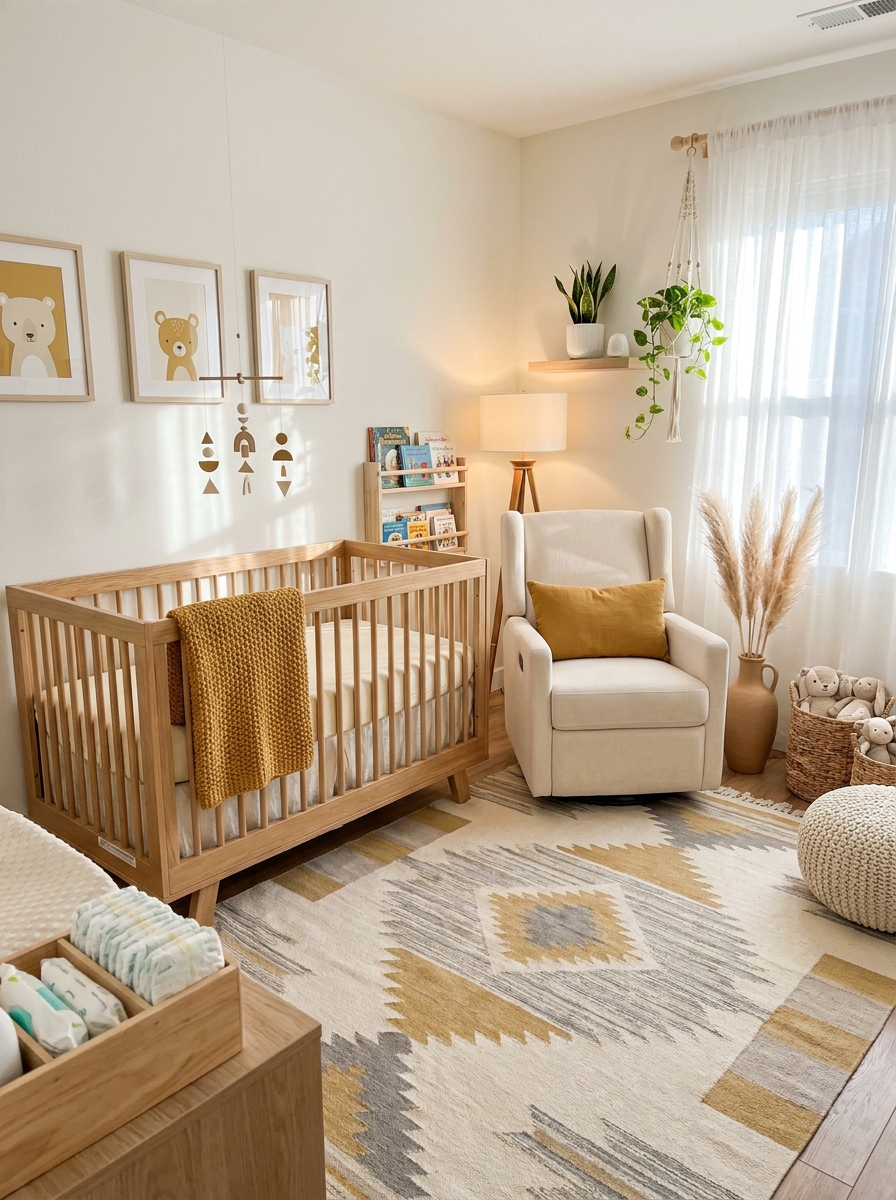
There’s something incredibly cheerful about a gentle mustard yellow paired with creamy ivory tones. Not bright, not bold—just this soft, buttery warmth that fills a nursery with sunshine even on cloudy days.
I love how this palette feels both energizing and soothing at the same time. Think ivory walls with mustard accents in throw pillows, a cozy knit blanket draped over a glider, or simple geometric prints that add pattern without overwhelming the space. Light oak furniture keeps everything feeling natural and grounded.
The beauty here is how approachable this combination feels. It’s warm without being too sweet, cheerful without being loud. Add in plenty of soft white textiles and natural wood toys, and you’ve got a nursery that feels like a gentle hug. This palette photographs beautifully too—all that warm light just glows.
6. Cloud White and Soft Gray Serenity
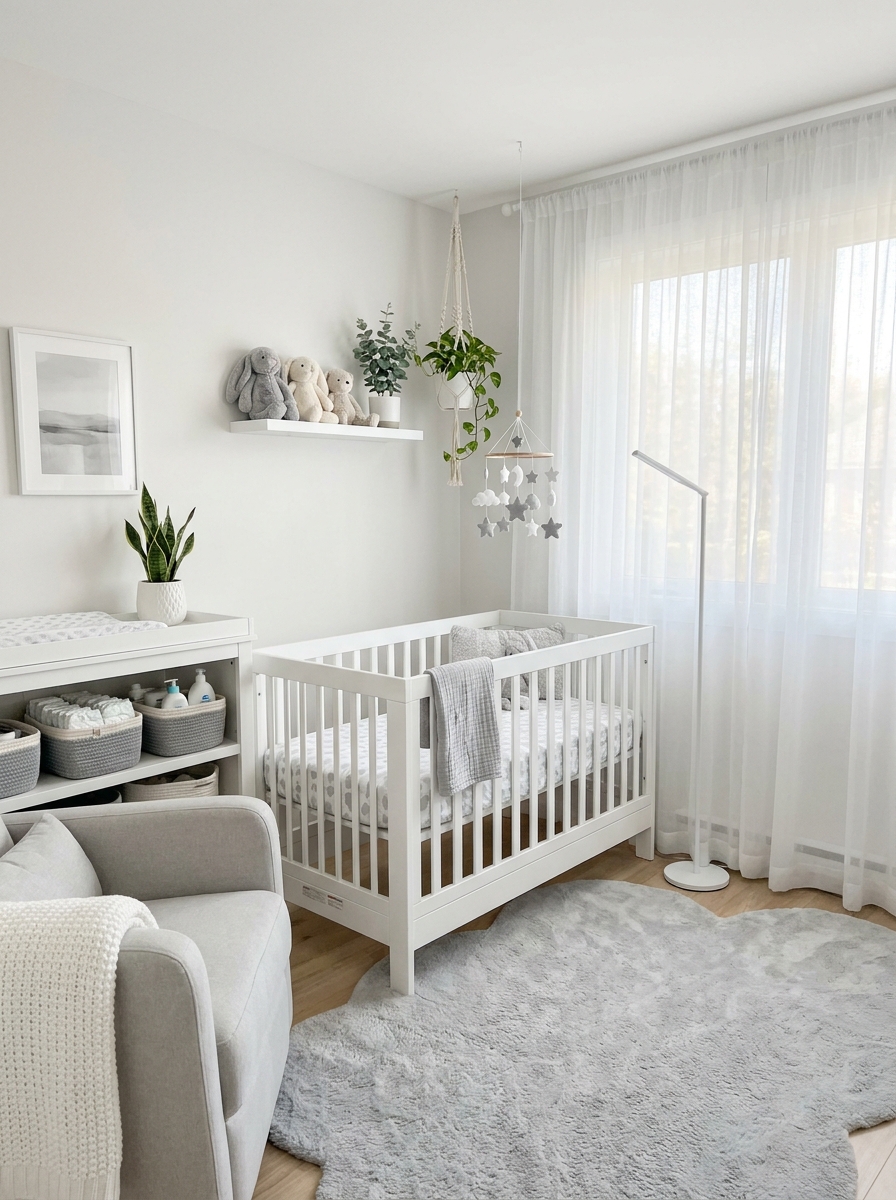
Sometimes the most peaceful nurseries are the simplest ones. Cloud white walls with soft gray accents create this dreamy, serene atmosphere that feels like wrapping your baby in the coziest blanket.
This palette is all about subtlety and texture. Since you’re working with such gentle tones, layering becomes everything. A plush gray shag rug, linen curtains, a chunky knit throw, cribs dressed in soft white bedding with gray trim—it all builds this incredibly soothing space. I especially love adding different shades of gray, from pale dove to deeper charcoal, to create quiet visual interest.
What makes this combination so perfect for nurseries is how calming it feels. There’s nothing competing for attention, nothing overstimulating. Just soft, gentle tones that make both baby and parent want to relax. Add warm wood accents to keep it from feeling too cool, and you’ve created the ultimate sleep sanctuary.
7. Natural Rattan and Bamboo Accents
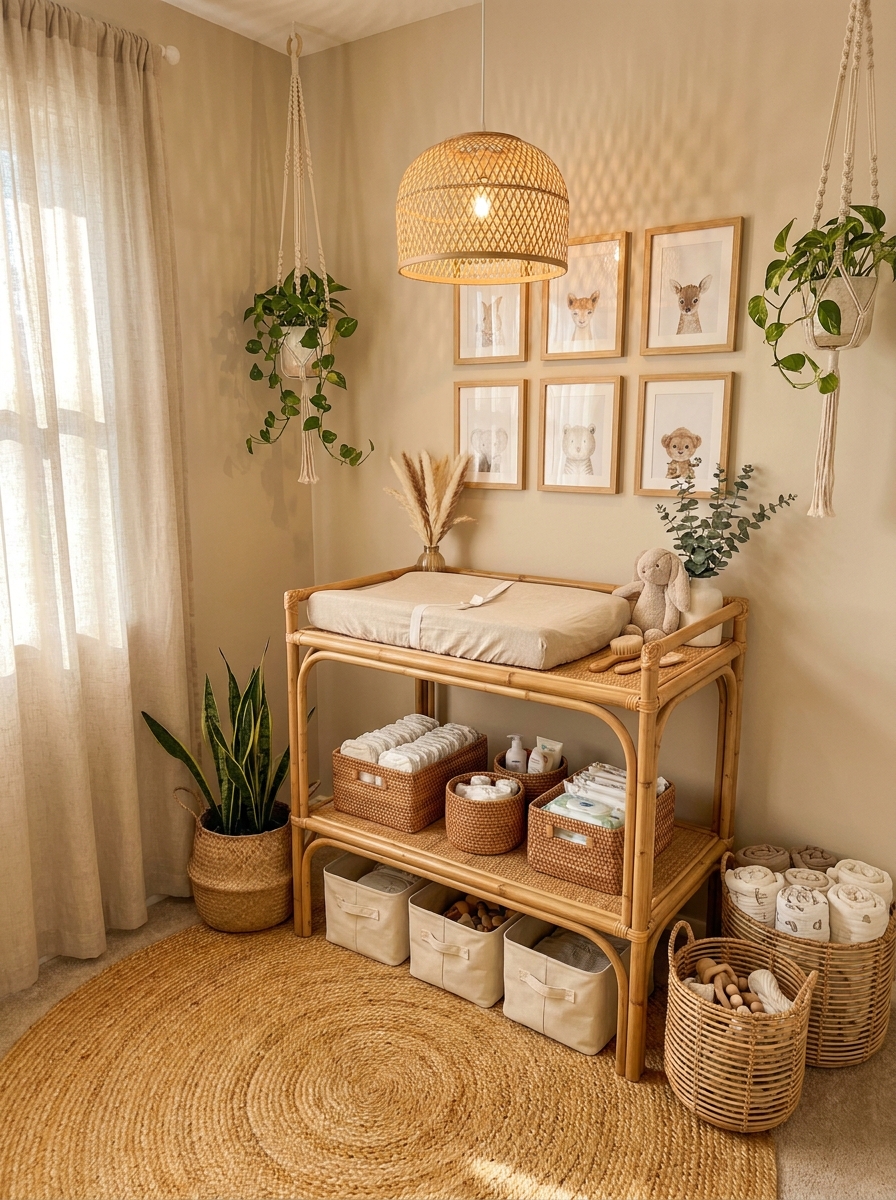
Want to bring that organic, global-inspired vibe into your nursery? Rattan and bamboo accessories are absolute game-changers. They add instant warmth and texture while keeping everything feeling natural and breathable.
I’m obsessed with how these materials photograph—all those beautiful woven textures catch the light in the most gorgeous way. Think rattan storage baskets tucked under the changing table, a bamboo pendant light fixture casting pretty shadows, or a woven changing basket that’s both functional and beautiful. Pair these with oat-colored walls and soft cream textiles for a look that feels collected and worldly.
The best part? These pieces grow with your child. That beautiful rattan basket holding diapers today becomes toy storage tomorrow. Bamboo elements feel timeless rather than baby-specific, so your nursery doesn’t scream “baby room”—it just feels like a beautifully designed space that happens to be for your little one.
8. Layered Whites with Natural Fiber Textures
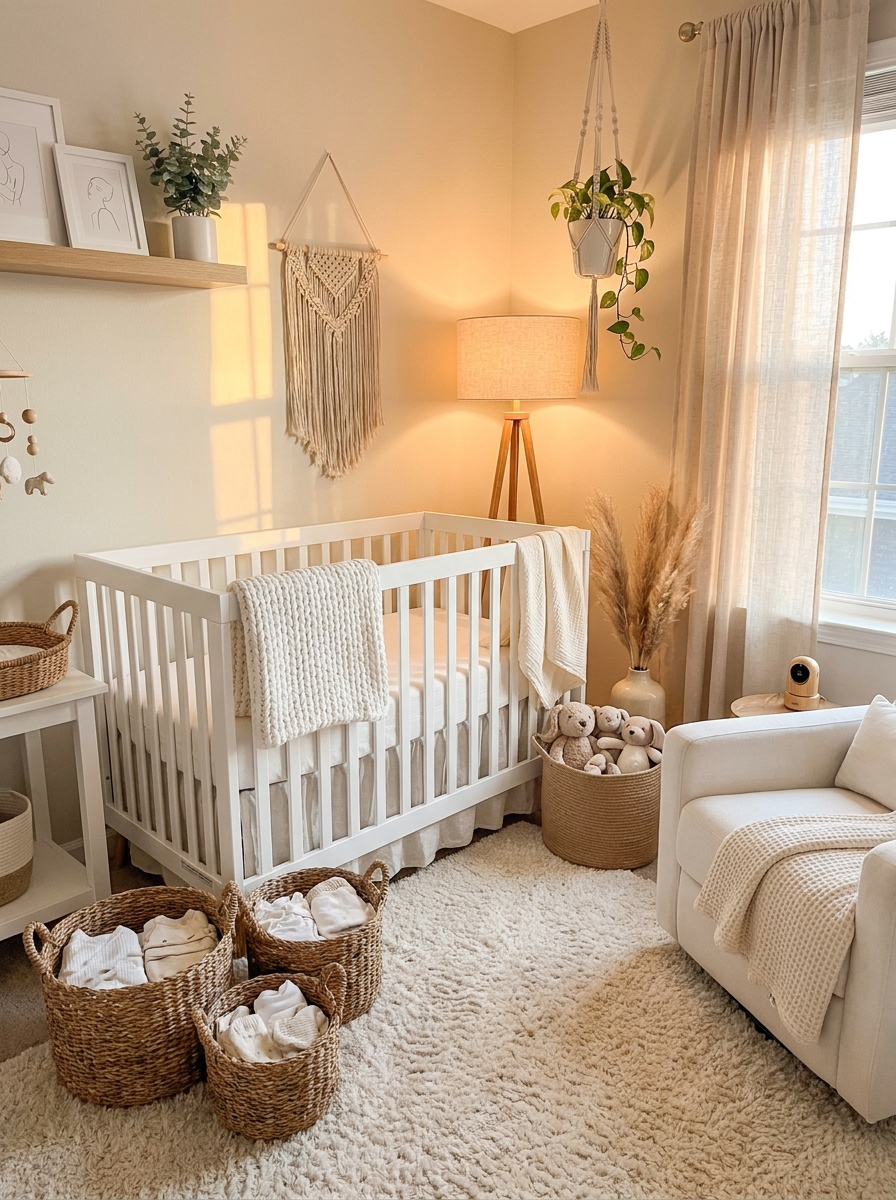
An all-white nursery might sound boring, but trust me—when you layer different whites with tons of natural fiber textures, it becomes absolutely magical. This is that Pinterest-perfect, dreamy aesthetic that never goes out of style.
The secret is mixing materials like crazy. White walls, yes, but then add a chunky jute rug, linen curtains, a cotton waffle-weave blanket, woven seagrass baskets, and maybe a macramé wall hanging. See how it builds? Each texture catches light differently and creates depth and warmth that flat white alone never could.
I love how clean and fresh this approach feels while still being incredibly cozy. It’s gender-neutral perfection—nothing could be more universally calming. Plus, any colorful toy or book you add later will pop beautifully against all that creamy white. It’s like giving yourself a blank canvas that’s already gorgeous on its own.
9. Botanical Prints and Fresh Greenery Balance
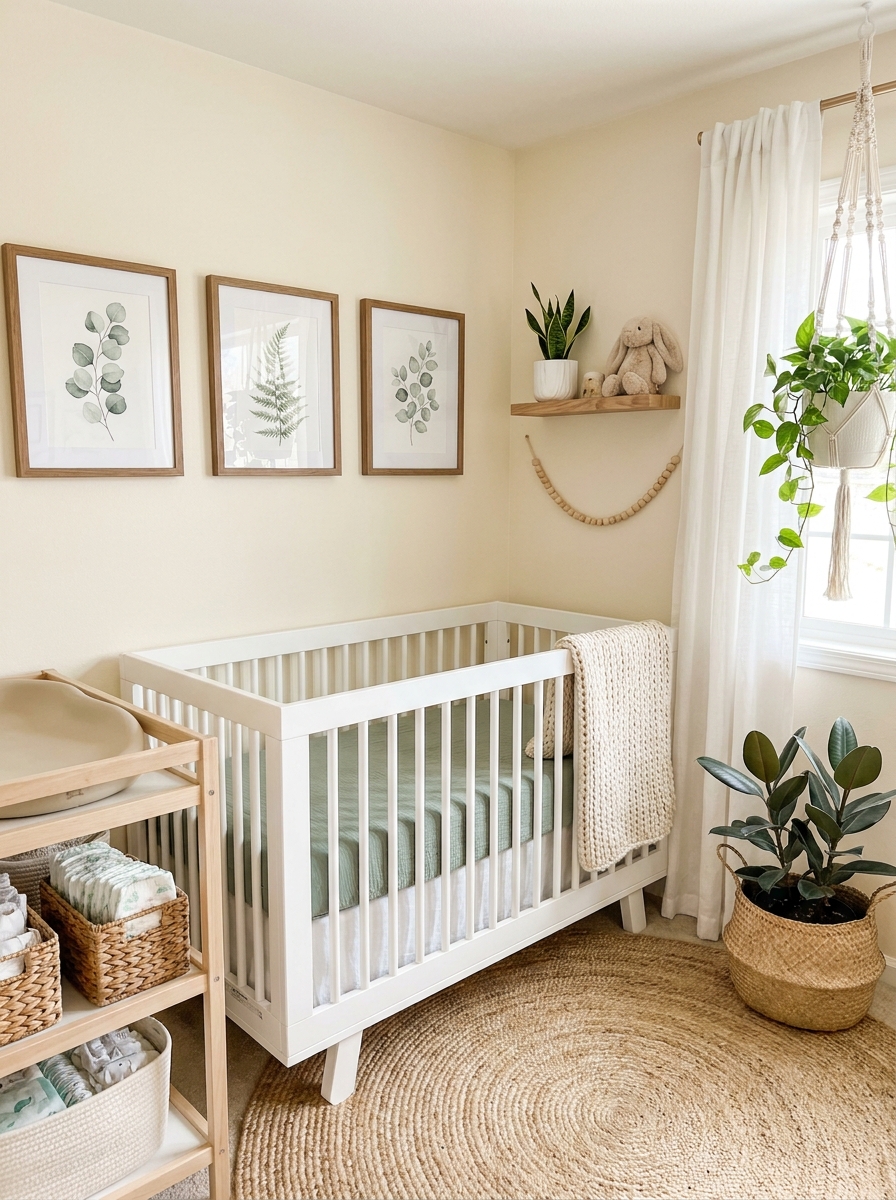
Okay, this one totally changed my nursery game. Adding botanical prints and real plants creates this fresh, alive feeling that just makes you breathe easier. I’m talking about those sweet watercolor leaf prints above the crib or a simple line drawing of eucalyptus branches.
The magic happens when you pair those prints with actual greenery. A trailing pothos in a macrame hanger, maybe a small fiddle leaf fig in the corner. It connects your baby’s space to nature in the gentlest way. Plus, hello oxygen!
I love mixing framed botanical art with one statement plant. Keep it simple though. You don’t want a jungle, just enough green to make the room feel alive and growing, just like your little one. Choose prints with soft greens, muted browns, and creamy backgrounds so everything stays cohesive and calm.
10. Black Accents for Modern Definition
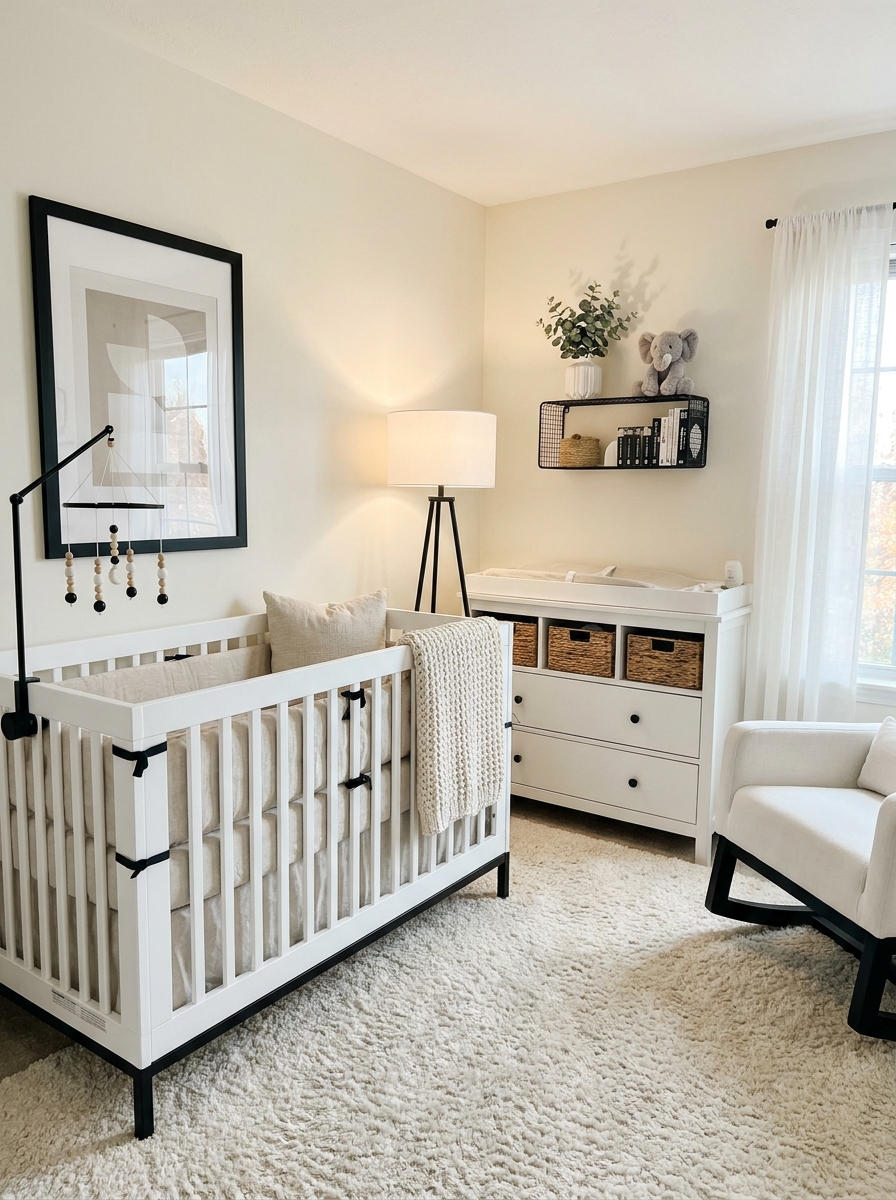
Here’s my secret for making a neutral nursery feel sophisticated instead of bland: strategic black accents. Just a touch. We’re not talking goth nursery here, but those crisp black details that make everything else pop.
Think matte black crib hardware, a simple black frame around your favorite print, or a sleek black floor lamp. Even black drawer pulls on that vintage dresser you refinished. These little hits of contrast give the whole room structure and intention.
I especially love black with warm neutrals like oatmeal and cream. It grounds all that softness without feeling harsh. The key is keeping it minimal, maybe three to five black elements max. You want definition, not domination. It’s like adding eyeliner to an otherwise natural look, it just makes everything sharper and more put together.
11. Textured Wall Treatments Beyond Paint
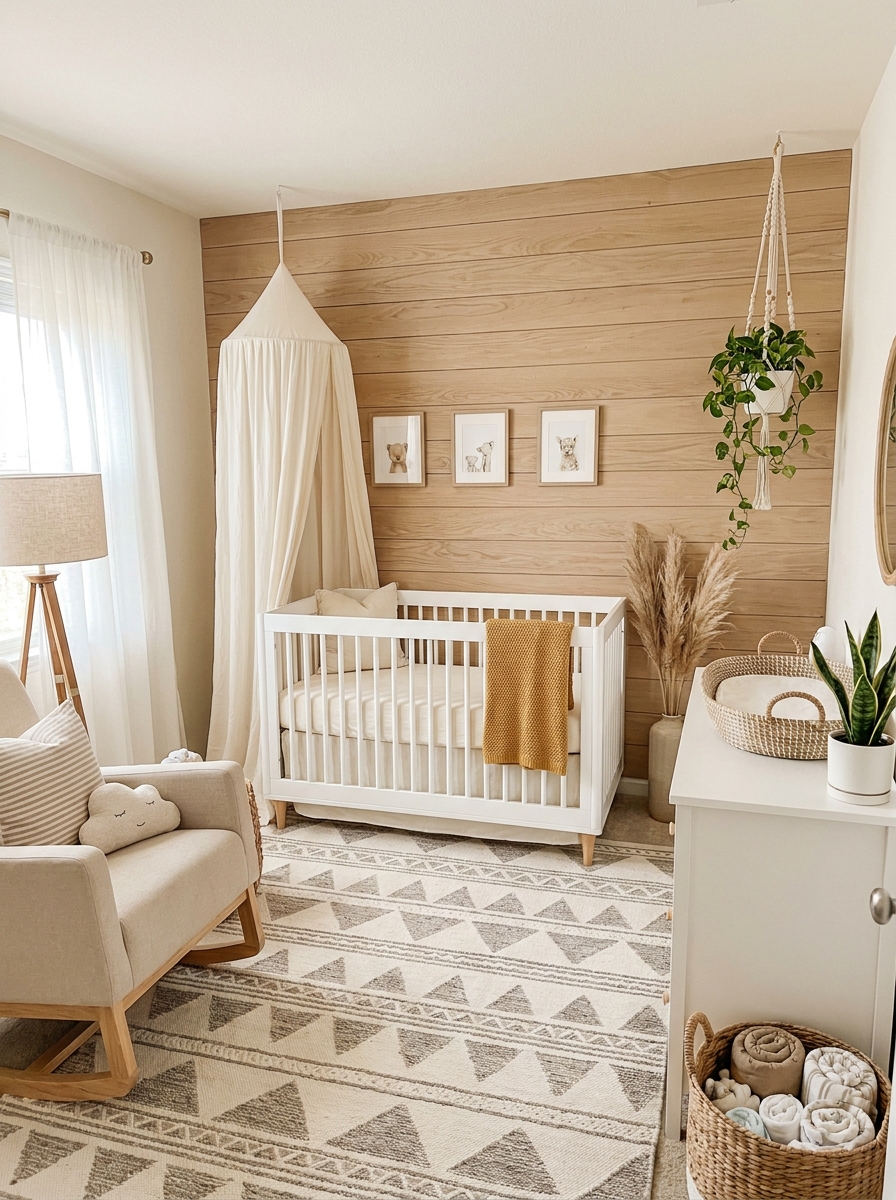
Can we talk about walls for a second? Paint is great, but texture is where nurseries get really interesting. I’m obsessed with shiplap accent walls, grasscloth wallpaper, or even those peel-and-stick wood planks that look incredibly real.
Texture adds dimension that flat paint just can’t match. A subtle grasscloth in warm beige behind the crib creates this cozy, wrapped feeling. Or a white shiplap wall that catches light differently throughout the day. It’s visual interest that stays calm and soothing.
My favorite move? One textured accent wall, three painted walls. It gives you that special moment without overwhelming the space. Choose textures in your neutral palette, maybe a tone-on-tone situation where the texture is subtle but definitely there. Run your hand across it and you’ll feel the difference. That tactile quality matters more than you’d think.
12. Vintage-Inspired Neutral Accents with Warmth
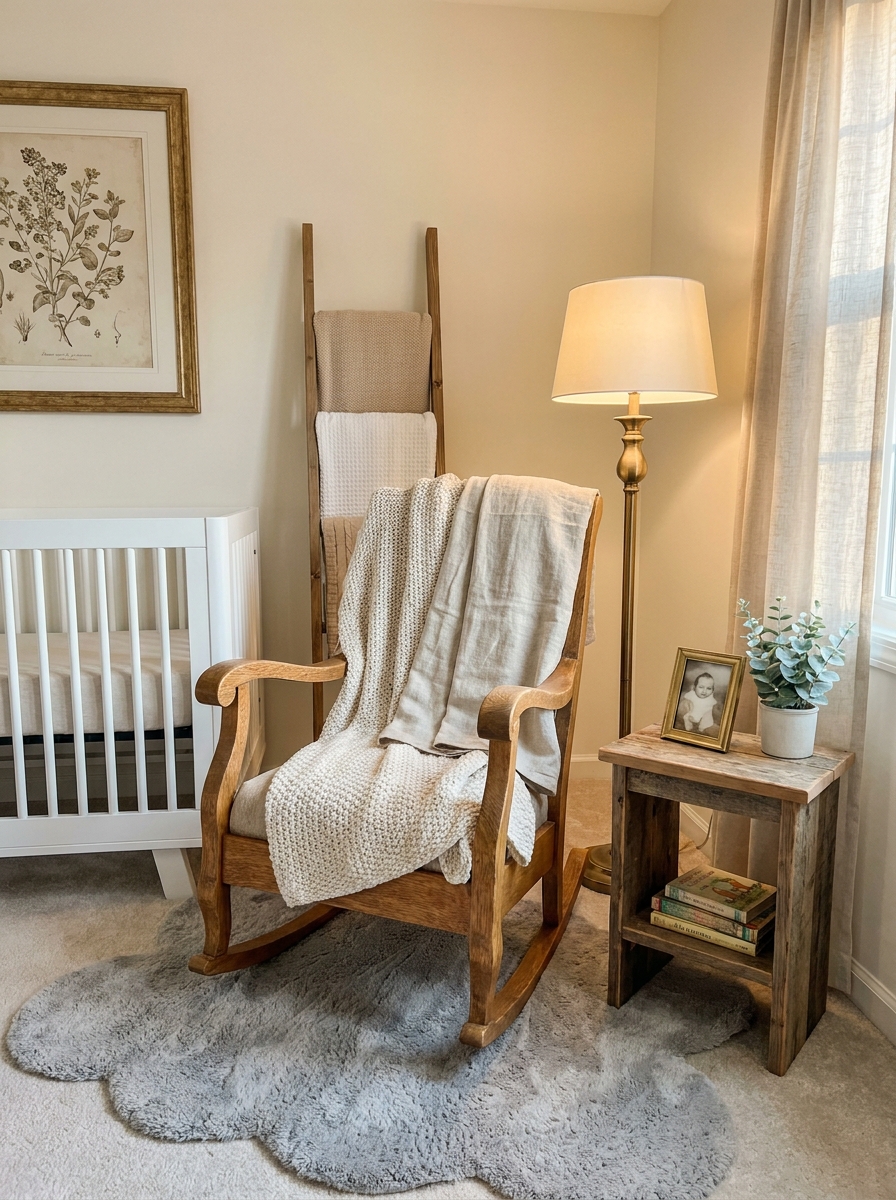
There’s something about vintage touches that makes a nursery feel loved before baby even arrives. I’m talking about that antique brass mirror, a weathered wooden stool, or Grandma’s refinished rocking chair. These pieces bring soul.
The beauty of vintage in a neutral nursery is that aged patina. That warm, lived-in quality you can’t fake. A vintage rug with faded florals in cream and taupe, an old wooden ladder holding soft blankets, brass drawer pulls on a painted dresser. Each piece tells a story.
I mix these vintage finds with modern essentials so it doesn’t feel like a museum. Maybe a sleek new crib paired with that antique side table. The contrast between old and new creates depth and character that all-new furniture just doesn’t have. Hunt flea markets and estate sales. Those imperfect, one-of-a-kind pieces make your nursery uniquely yours.
13. Dreamy Canopy Layers for Gentle Enclosure
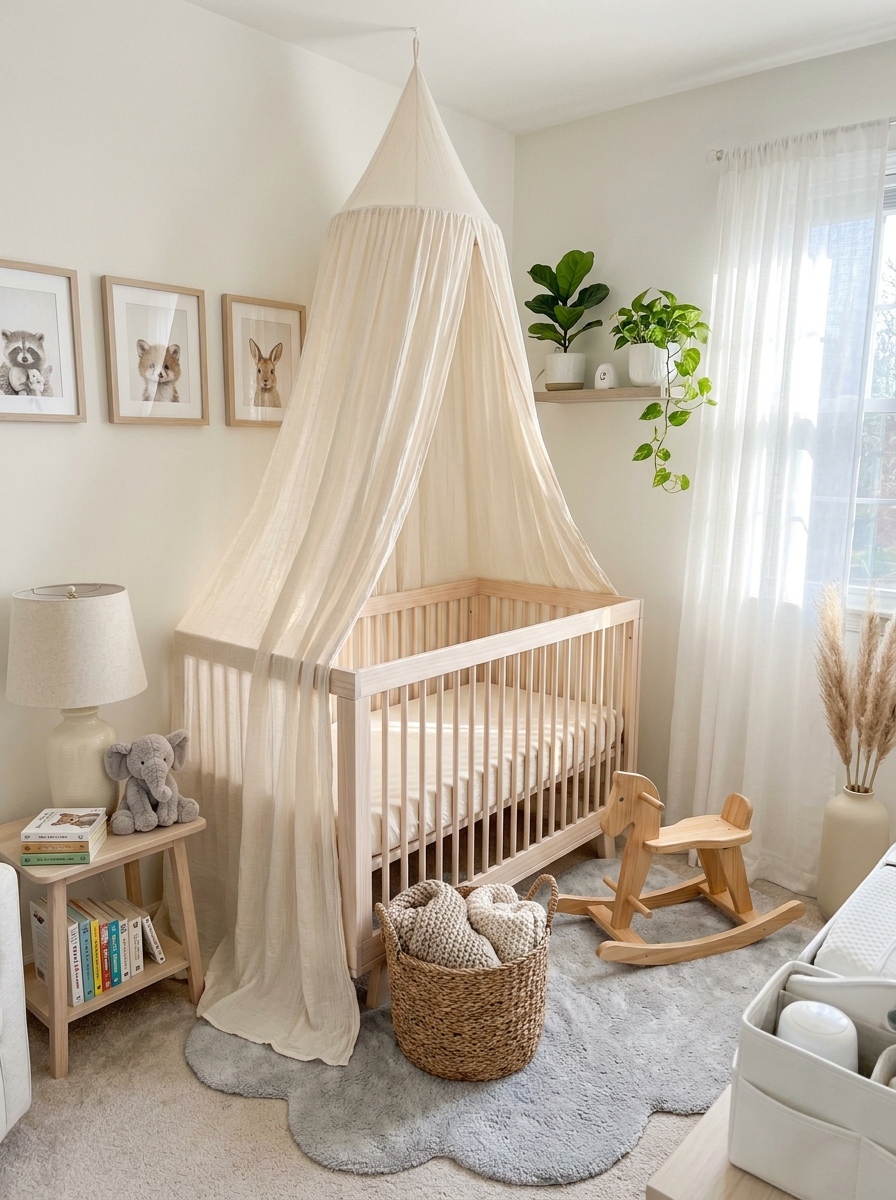
There’s something magical about a soft canopy draped above a crib. It creates this cozy little world within the room, like your baby has their own special corner. I’m obsessed with sheer cotton or gauze canopies in cream or soft gray—they’re ethereal without feeling fussy or too precious.
The beauty here is how it softens the entire space. That flowing fabric catches light differently throughout the day, creating gentle shadows and movement that’s actually really soothing. Plus, it visually anchors the crib as the room’s focal point without overwhelming everything else.
I love pairing canopies with really simple bedding underneath—white or oat-colored sheets, maybe one textured knit blanket draped over the rail. Let the canopy be the statement. The whole vibe should feel like a peaceful little retreat, not a stage production. Keep everything else in the space pretty minimal so that canopy can really shine and create that dreamy, protected feeling.
14. Montessori-Inspired Low Floor Bed Setup
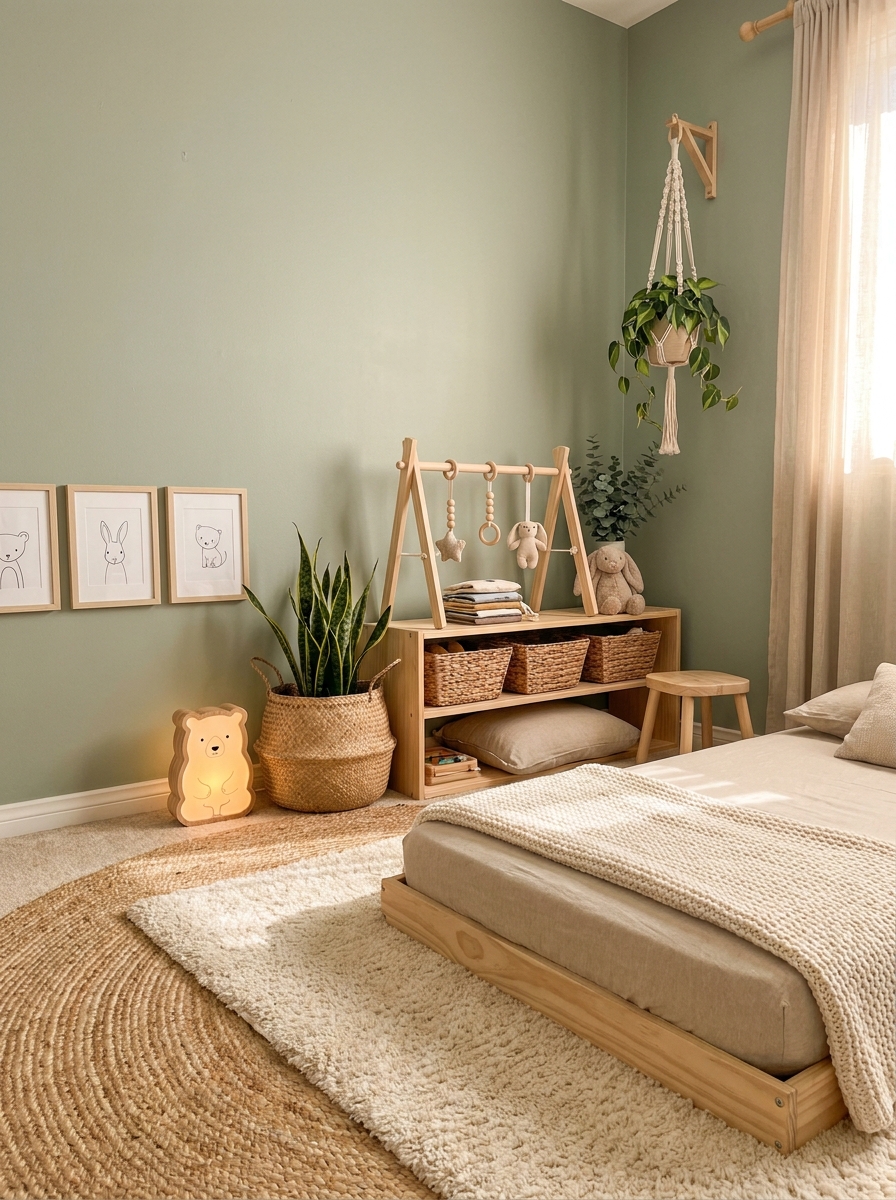
Okay, hear me out on this one. A floor bed for babies might sound unconventional, but the Montessori approach is all about accessibility and independence—even for tiny humans. A low wooden bed frame or even just a firm crib mattress on a beautiful rug creates this open, breathable space that feels less contained.
What I love most is how it changes the whole room’s energy. Without those tall crib bars dominating the space, everything feels more open and calm. You can sit right next to your baby at their level, which makes those middle-of-the-night moments feel less isolating. The room becomes more about connection than containment.
Style it with soft, natural materials—a chunky knit blanket, some floor cushions nearby for you, maybe a low wooden arch with hanging toys. Keep everything at baby’s eye level. This setup works beautifully with warm beige and natural wood tones, creating this grounded, earthy nursery that grows with your child way beyond the baby stage.
15. Organized Open Shelving with Curated Calm
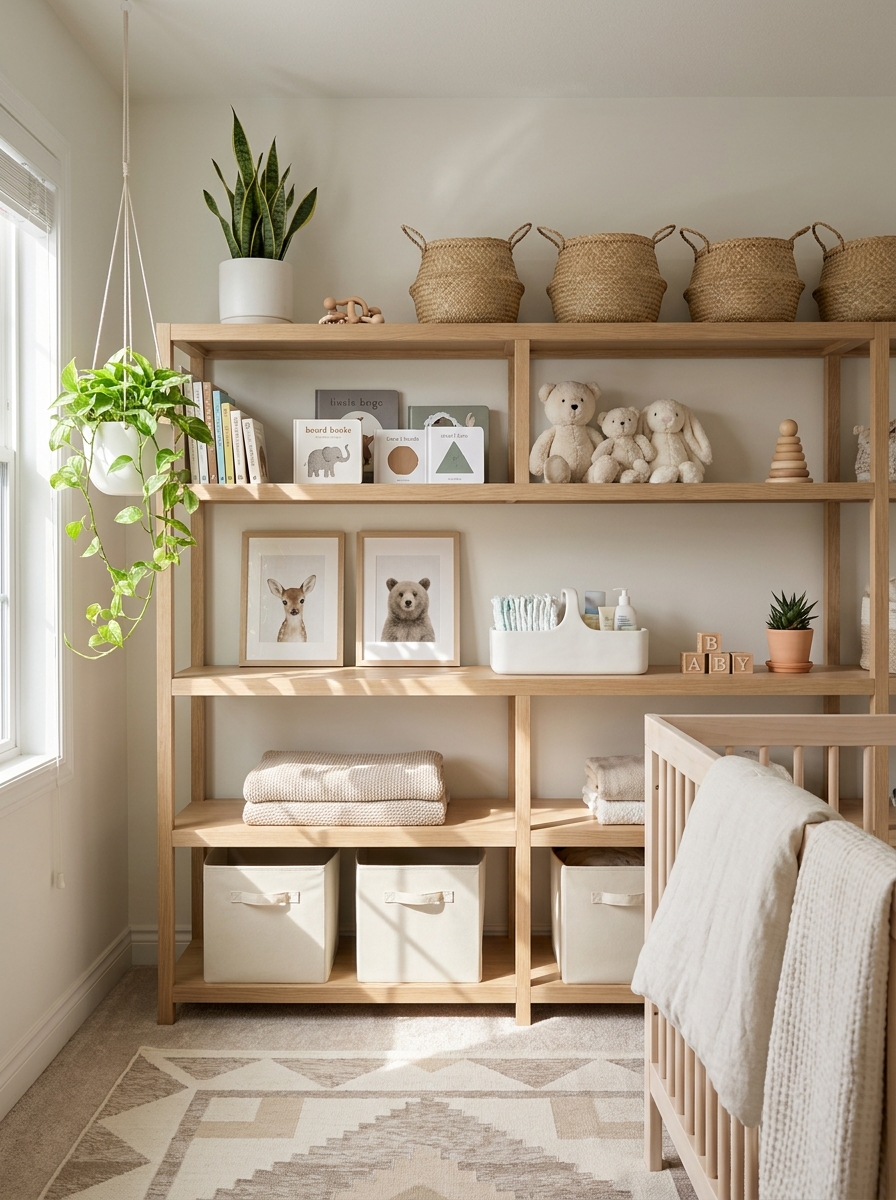
Open shelving in a nursery is a total game-changer, but only if you style it right. I’m talking about thoughtfully arranged shelves that mix function with beauty—woven baskets for the messy stuff, a few carefully chosen toys on display, maybe some sweet little books with their covers facing out. It’s about making storage feel intentional, not chaotic.
The key is editing. Not everything needs to be visible. Use neutral baskets to hide diapers and random baby gear, then style the open spaces with things that actually look good—a wooden rattle, a soft stuffed animal, a small plant. Think of it like decorating a bookshelf, but with baby stuff.
I love light wood shelving with a mix of cream and natural fiber baskets. It keeps everything feeling cohesive and calm. Label your baskets if it helps you stay organized, but keep those labels minimal and pretty. The whole point is creating a space that’s functional enough for exhausted parents but beautiful enough to make you smile during those 3 a.m. diaper changes.
16. Cozy Reading Nook with Soft Seating
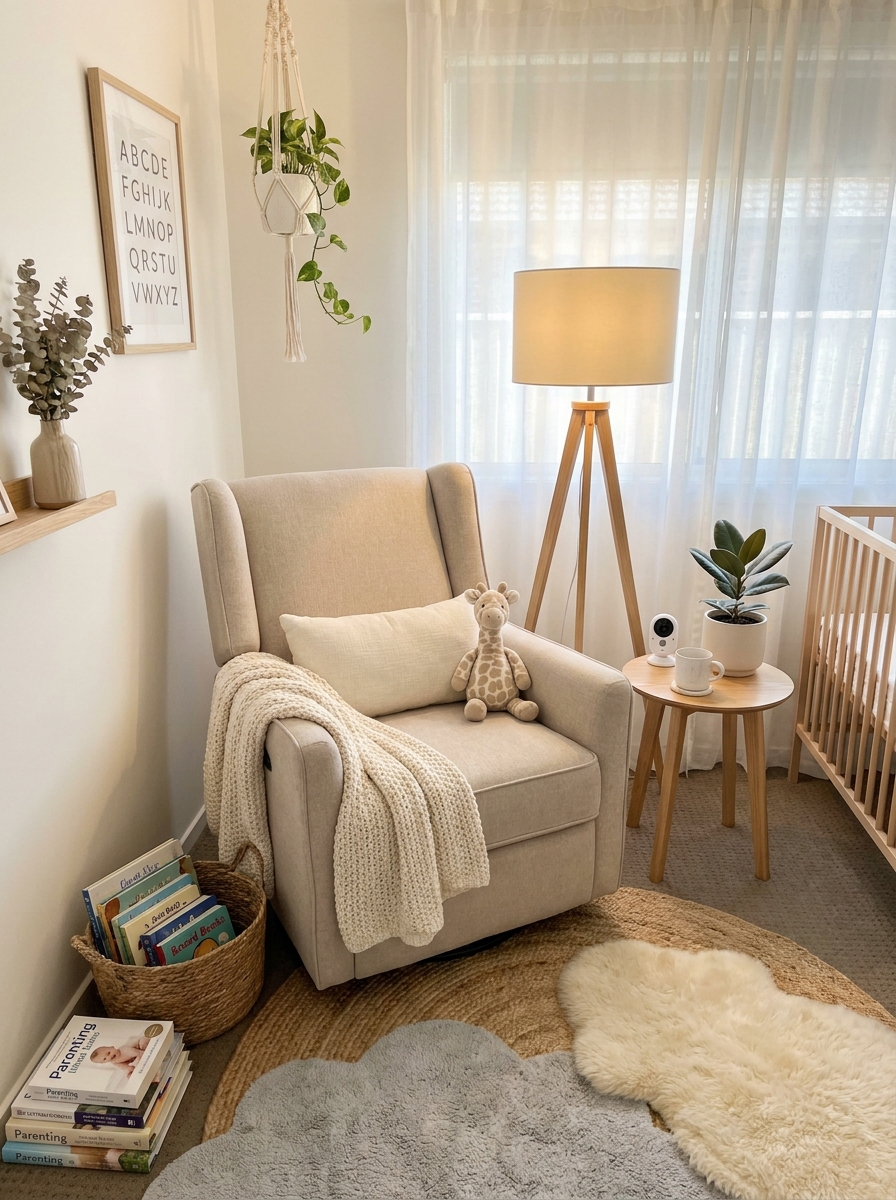
Every nursery needs a dedicated spot for those quiet reading moments. I’m talking about a really comfortable chair or glider paired with good lighting and a little basket of board books within arm’s reach. This becomes your sanctuary—where you’ll feed your baby, rock them to sleep, and eventually read countless bedtime stories.
Don’t skimp on comfort here. You’re going to spend hours in this spot, so invest in a chair that actually supports you. I love upholstered gliders in soft gray or oat linen with a cozy throw blanket draped over one arm. Add a small side table for your water bottle (trust me), a warm-toned floor lamp for those nighttime feeds, and you’ve created this perfect little cocoon.
The magic is in the details. A soft sheepskin rug under your feet, a few pillows for lumbar support, maybe a small basket with your favorite baby books. Keep it simple but really intentional. This corner should feel like a hug—somewhere you actually want to sit, not just somewhere functional.
17. Multi-Functional Furniture for Growing Needs
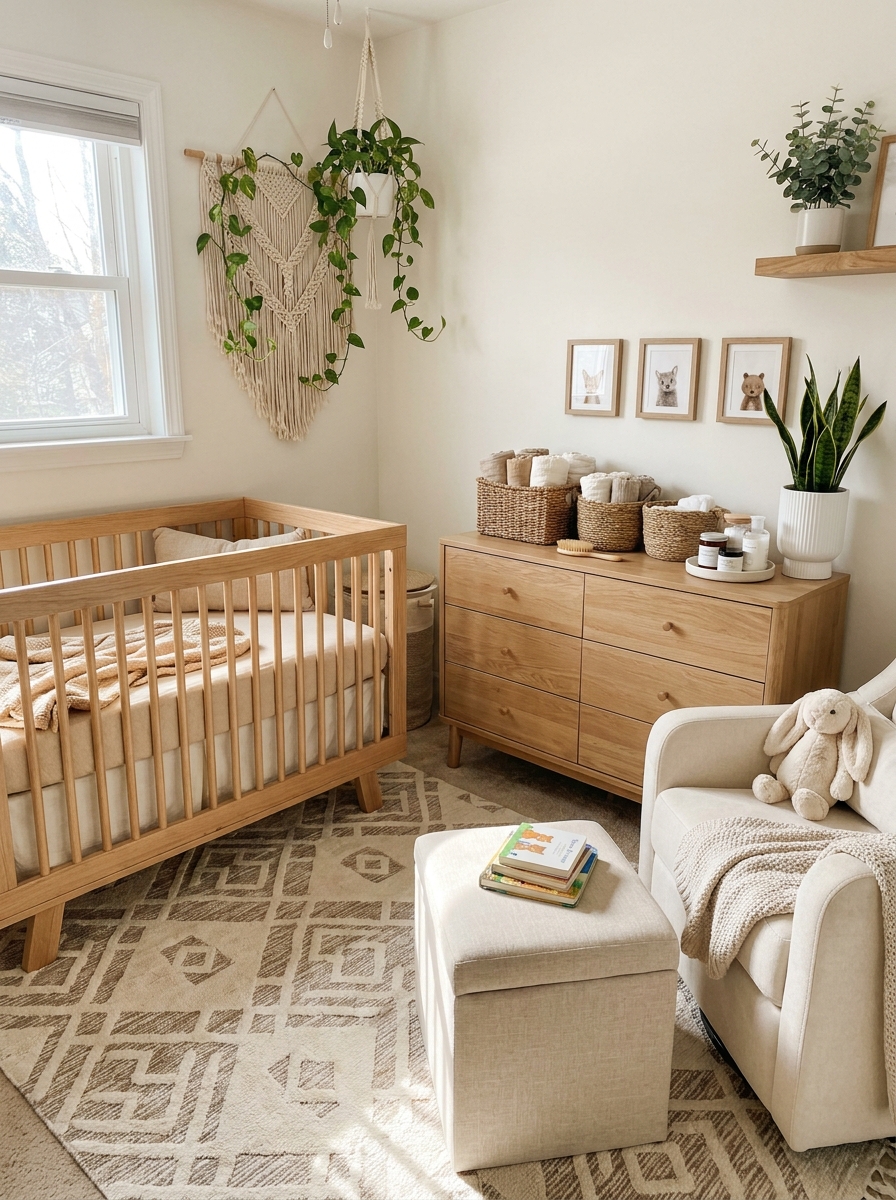
Smart nursery planning means choosing pieces that grow with your baby. A crib that converts to a toddler bed, a changing table that becomes a dresser, or a glider that works in any room later—these choices make your space work harder and last longer.
I’m obsessed with furniture that pulls double duty. A storage ottoman that holds blankets but also gives you a place to prop your feet during late-night feedings? Genius. A bookshelf that can hold baby books now and chapter books in five years? That’s the kind of thinking that saves you money and keeps your nursery from feeling disposable.
The beauty of investing in convertible pieces is that they justify a higher price tag. You’re not buying a changing table for eighteen months—you’re buying a dresser for the next decade. Choose neutral finishes like natural oak or warm walnut that transition beautifully as your child grows and your decor evolves.
Quick Guide
Budget Guide: Gender-Neutral Nursery Essentials
Must-Have Investment Pieces:
• Quality crib in natural wood or white: $250-600 (lasts through toddler years)
• Comfortable glider or rocker: $300-800 (you’ll live in this)
• Good area rug: $100-300 (defines the space beautifully)
Smart Saves:
• Skip the matching furniture set—mix and match looks better anyway
• Use a regular dresser as changing table (add a pad on top)
• Thrift or Facebook Marketplace for baskets and storage
• DIY your wall art with free printables in matching frames
Splurge vs. Save Sweet Spot:
Invest in pieces you’ll touch daily (crib, glider, rug). Save on purely decorative items (wall art, baskets, small accessories). Your sanity matters more than matching everything perfectly, and honestly, the slightly mismatched collected-over-time look is more Pinterest-worthy anyway.
Your Peaceful Place Awaits
Here’s the truth about nursery design that nobody tells you until you’re in it. You’re not just decorating for a baby who won’t remember any of this. You’re creating a space where you’ll spend countless hours, sometimes in the middle of the night, sometimes in the golden hour before bedtime, always exhausted, often overwhelmed. That room needs to nurture you as much as it nurtures your baby. Gender-neutral doesn’t mean compromising on beauty or warmth. It means choosing timeless materials and calming colors that create actual peace instead of visual noise. Natural wood that ages beautifully. Soft neutrals that soothe instead of stimulate. Textures you want to touch. These seventeen ideas give you permission to skip the expected and design something that feels like your family, whatever that looks like. Start with one element that makes your heart happy, maybe that sage wall or those woven baskets, and build from there. Trust your instincts. You’re already doing this parenting thing better than you think.
Frequently Asked Questions
What are the best gender-neutral colors for a nursery?
Sage green, warm gray, soft beige, cream, muted yellow, and terracotta are gorgeous gender-neutral options that create calm spaces. The key is choosing muted, earthy tones rather than bright primaries. Pair any of these with natural wood and cream for a timeless look that grows with your child.
How can I make a white nursery feel warm and not sterile?
Layer textures like crazy. Add a plush rug, chunky knit blankets, linen curtains, and woven baskets to create depth and warmth. Bring in natural wood furniture and greenery. Use warm white paint instead of stark white, and make sure you have warm lighting from lamps rather than just overhead fixtures.
What nursery items are worth spending more money on?
Invest in your crib, glider, and a quality rug since you’ll use these daily for years. A comfortable place to sit during night feedings is worth every penny. Everything else, especially purely decorative items, can be budget-friendly thrifted finds or DIY projects that look just as beautiful.
How do I create a gender-neutral nursery that doesn’t look boring?
Use texture and natural materials to add interest without relying on color. Mix smooth and rough surfaces, incorporate plants, choose furniture with interesting shapes, and layer different textiles. A jute rug plus rattan baskets plus chunky knits creates way more visual interest than any color scheme could. Don’t be afraid of contrast either, like charcoal and cream.
Can I use a gender-neutral nursery theme that’s not just animals?
Absolutely! Try abstract shapes, simple line drawings, nature themes like mountains or moons, geometric patterns, or even skip a theme entirely and focus on beautiful materials and textures. Some of the most gorgeous nurseries have no theme at all, just thoughtfully chosen pieces that work together through color and texture.